Drooling during sleep is something most people experience from time to time. It can happen after an exhausting day, during deep sleep, or
simply because of the position you’re lying in. In many cases, it’s harmless and temporary. However, when nighttime drooling becomes
frequent, excessive, or persistent, it may signal that the body is dealing with something more significant beneath the surface.
Saliva production and swallowing are controlled by a delicate coordination of muscles, nerves, breathing patterns, and digestive processes.
When any part of that system is disrupted - whether by airway obstruction, acid reflux, neurological changes, or medication effects -
drooling can become more noticeable. Understanding the potential causes can help you determine whether it’s a minor inconvenience or
something that deserves medical attention.
Below are six health conditions commonly associated with excessive drooling during sleep and what they may indicate about your overall
well-being.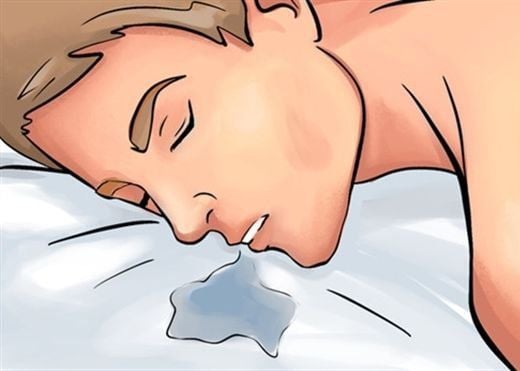
1. Sleep Apnea and Breathing Disorders
One of the most common medical explanations for frequent nighttime drooling is obstructive sleep apnea. This condition occurs when the
airway becomes partially or completely blocked during sleep, causing repeated interruptions in breathing.
When airflow is restricted, people often sleep with their mouths open to compensate. This mouth breathing allows saliva to escape more
easily. Because sleep apnea also disrupts normal swallowing patterns during sleep, drooling may increase.
Common signs of sleep apnea include:
-
Loud, chronic snoring
-
Gasping or choking sounds during sleep
-
Morning headaches
-
Daytime fatigue despite adequate hours of sleep
-
Difficulty concentrating
-
Irritability
Untreated sleep apnea can lead to high blood pressure, heart disease, and metabolic disorders. If drooling occurs alongside these symptoms,
a sleep study may be necessary to evaluate airway obstruction and oxygen levels.
2. Gastroesophageal Reflux Disease (GERD)
GERD develops when stomach acid flows backward into the esophagus. This reflux irritates the lining of the throat and can trigger increased
saliva production as the body attempts to neutralize the acid.
At night, especially when lying flat, excess saliva can pool in the mouth and escape. Some individuals also sleep with their mouths open due to
throat irritation, which worsens the issue.
Other symptoms of GERD may include:
-
Persistent heartburn
-
Sour or bitter taste in the mouth
-
Chest discomfort
-
Chronic cough
-
Hoarseness upon waking
Managing reflux through dietary adjustments, smaller evening meals, and medical treatment often reduces both acid symptoms and drooling.
3. Allergies and Chronic Sinus Congestion
When nasal passages are blocked due to allergies or sinus inflammation, breathing through the nose becomes difficult. As a result, people
instinctively breathe through their mouths during sleep.
Mouth breathing reduces the ability to naturally manage saliva, leading to drooling. Congestion can also cause mild throat irritation, which
further disrupts swallowing reflexes.
Common triggers include:
-
Seasonal allergies
-
Dust mites
-
Pet dander
-
Nasal polyps
-
Chronic sinus infections
Addressing the underlying congestion - whether through antihistamines, nasal sprays, or environmental changes often improves
nighttime drooling.
4. Neurological Conditions Affecting Muscle Control
Swallowing requires precise coordination between nerves and muscles in the mouth and throat. Certain neurological disorders interfere with
this coordination, making it harder to control saliva.
Conditions commonly associated with persistent drooling include:
-
Parkinson’s disease
-
Amyotrophic lateral sclerosis (ALS)
-
Stroke
-
Cerebral palsy
-
Bell’s palsy
In these cases, drooling is typically more constant and may occur both during the day and at night. It is often due to impaired swallowing
rather than excess saliva production. Medical specialists can offer targeted therapies, including speech therapy and medication, to improve
muscle coordination.
5. Medication Side Effects
Some medications increase saliva production or relax the muscles involved in swallowing. During sleep, when muscle tone naturally decreases,
these effects may become more noticeable.
Medications that may contribute include:
-
Antipsychotics
-
Sedatives
-
Certain antidepressants
-
Medications for Alzheimer’s disease
-
Some Parkinson’s treatments
If drooling began after starting a new medication, it’s worth discussing with your healthcare provider. Adjusting dosage or switching
medications may help alleviate the symptom.
6. Tonsillitis and Throat Infections
Inflammation of the tonsils or throat can make swallowing uncomfortable or painful. When swallowing decreases, saliva accumulates and may
spill out during sleep.
Symptoms often include:
-
Sore throat
-
Fever
-
Difficulty swallowing
-
Swollen lymph nodes
-
Bad breath
Infections are more common in children but can occur in adults as well. Once treated, drooling usually resolves.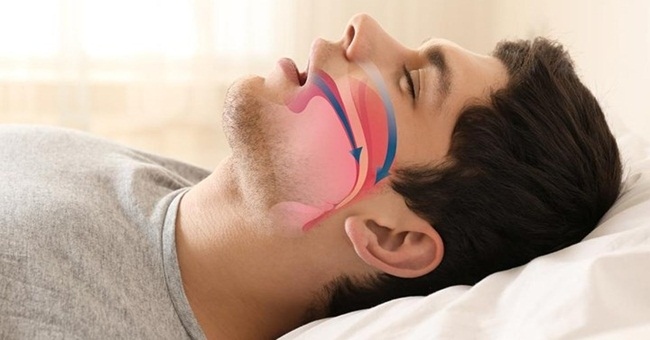
When to Seek Medical Advice
Occasional drooling is normal and rarely concerning. However, medical evaluation is recommended if:
-
Drooling becomes frequent or excessive
-
You regularly wake up with a soaked pillow
-
You experience difficulty swallowing
-
Drooling is accompanied by breathing issues
-
Neurological symptoms are present
Doctors may recommend physical exams, sleep studies, imaging tests, or specialist referrals depending on associated symptoms.
Practical Ways to Reduce Nighttime Drooling
If drooling is mild and not linked to a serious condition, certain adjustments may help:
-
Sleep on your back to reduce saliva pooling
-
Elevate your head slightly to improve airway alignment
-
Address nasal congestion promptly
-
Avoid heavy meals before bedtime
-
Maintain good oral posture (lips closed, tongue resting against the roof of the mouth)
-
Stay hydrated to maintain proper saliva consistency
For individuals with sleep apnea, a CPAP device may significantly reduce symptoms by keeping the airway open.
Final Thoughts
While drooling during sleep may seem like a minor inconvenience, it can sometimes reflect underlying disruptions in breathing, digestion, or
neurological control. Paying attention to accompanying symptoms provides valuable insight into overall health.
In many cases, addressing the root cause - whether it’s allergies, reflux, medication effects, or sleep apnea leads to meaningful
improvement. If nighttime drooling persists or affects your quality of sleep, consulting a healthcare professional is a wise step toward
understanding and resolving the issue.
Sometimes the body communicates through small signs. Listening carefully can make a meaningful difference in long-term well-being.