I felt like the least important person in my family until i saw the bigger picture
I felt like the least important person in my family until i saw the bigger picture
Story 12/02/2026 11:39
For the first six years of my marriage to David, my relationship with his mother, Martha, felt like a long-distance race where I was always three steps behind and running in the wrong direction. Martha was a woman of precise habits and formidable silence. She was the kind of person who could comment on the "unique texture" of my lasagna in a way that made me feel like I’d served a tray of wet cardboard.
Our tension wasn't built on shouting matches; it was built on subtle misunderstandings and a canyon of emotional distance. I saw her as judgmental and cold; she likely saw me as disorganized and perhaps a bit too loud for the quiet dignity of the Miller family name.
At family gatherings, I would often catch her watching me from across the room, her lips pressed into a thin, enigmatic line. I interpreted her silence as disapproval. When she offered to help with the kids, I saw it as an indictment of my parenting. When she sent home Tupperware containers of "balanced meals," I saw it as a critique of my cooking.
"She just has a specific way of doing things, Elena," David would say, trying to bridge the gap. "It’s not an attack on you."
"It feels like a performance review, David," I’d counter. "And I’m failing every quarter."
I had convinced myself that Martha and I were simply two different species of women who would never find a common language. I kept my guard up, my conversations polite but shallow, protecting my heart from the "corrections" I felt were always coming.
Then, our world tilted on its axis.
It started with a persistent cough that David couldn't shake, which turned into a late-night trip to the ER, which eventually turned into a diagnosis that no thirty-four-year-old man should ever have to hear. It was a long road of treatment, a mountain of medical jargon, and a level of fear that felt like a physical weight pressing down on our home.
Suddenly, the "disorganized" life I had been leading became an impossible one. Between hospital visits, managing my own job, and trying to keep life "normal" for our two young daughters, I was drowning. I was the person I had always feared Martha thought I was: someone who couldn't keep the plates spinning.
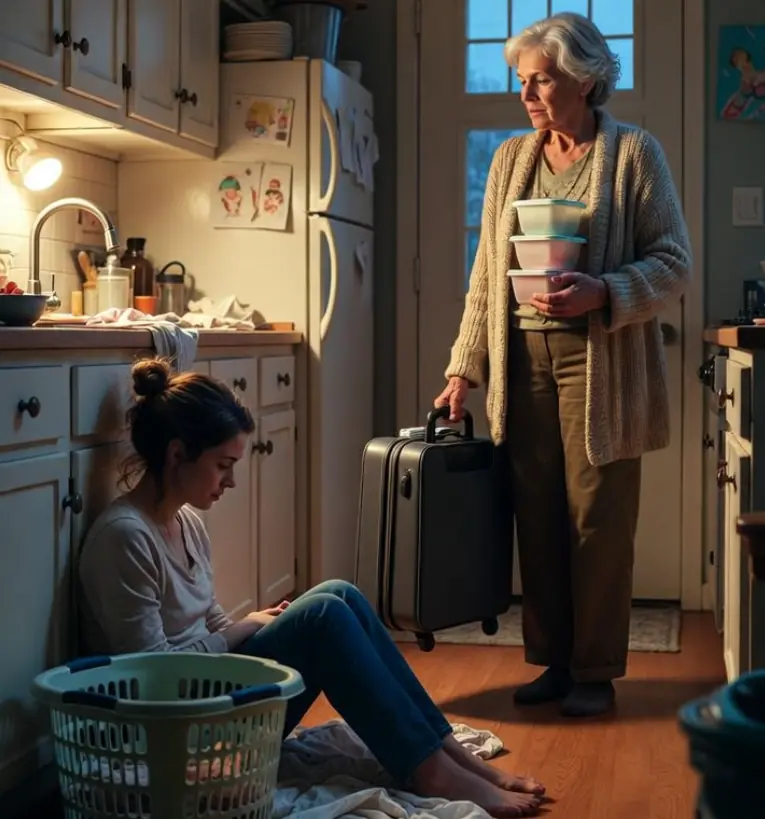
Ten days into David’s first round of treatment, I reached my breaking point. I was sitting on the kitchen floor at 11:00 PM, surrounded by unfolded laundry and unpaid bills, crying so hard I couldn't breathe. I felt completely alone in the storm.
A soft knock at the back door startled me. I wiped my eyes, expecting a neighbor or a delivery. Instead, I found Martha standing there. She wasn't wearing her usual tailored suit or her "judging" expression. She was in a simple cardigan, carrying a small suitcase and a stack of freezer-safe containers.
"I’m staying," she said. It wasn't a request; it was a statement of fact.
I prepared myself for the commentary. I expected her to walk in and start pointing out the dust on the baseboards or the chaos in the pantry. I braced for the "I told you so" that I felt her silence had been promising for years.
But Martha did something I never expected. She walked over, pulled me off the floor, and held me. It wasn't a stiff, formal hug. It was the hug of a mother who knew exactly how heavy the world could be.
"Go to sleep, Elena," she whispered. "I have the girls. I have the house. You go be with my son tomorrow."
For the next three weeks, Martha became the silent engine of our survival. She didn't offer advice. She didn't critique my methods. She simply... showed up.
I would come home from the hospital, exhausted and hollow, to find the laundry folded and color-coded. I would walk into the kitchen to find a hot meal on the table and the girls finishing their homework with a focus I could never seem to inspire. She handled the insurance calls I couldn't bear to make. She sat in the waiting room for twelve hours straight during David's surgery, not saying a word, just holding my hand whenever the surgeon walked through the doors.
One evening, after the girls were in bed and David was finally resting at home, I found Martha in the garden. She was weeding the flower beds—the ones I had neglected for months.
"Martha, you don't have to do all this," I said, sitting on the porch steps. "I know I’ve been... difficult. I thought you didn't like me."
Martha stopped, a small trowel in her hand. She looked at the moon for a long time before turning to me.
"I lost my own husband when David was only ten," she said, her voice steady but soft. "I didn't have anyone to hold the ladder for me. I had to become very still and very precise just to keep from falling apart. I think I forgot how to tell people that I was trying to help, not just watch."
She looked at the garden, then back at me. "I didn't judge you, Elena. I was envious of you. You were so vibrant, so messy, and so full of life. I was afraid that if I got too close, I’d realize how much I’d missed out on by being so 'perfect.' I’m sorry I let my own fear look like coldness."
The realization hit me with the force of a tidal wave. I had misjudged her silence for a decade. What I had seen as a "performance review" was actually a woman who didn't know how to offer her heart without a set of instructions. She wasn't my critic; she was my mirror, reflecting back a different kind of strength that I hadn't been ready to understand.
The emotional distance between us didn't just shrink; it evaporated. We didn't suddenly become the kind of women who shared every secret, but we became something better: partners.
David’s recovery was slow, but steady. Throughout it all, Martha remained the backbone of our household. But the transformation was most visible in the way we looked at each other. The tension was replaced by a quiet, deep-seated gratitude. I stopped seeing her help as an indictment and started seeing it as a gift. She stopped seeing my "mess" as a flaw and started seeing it as the beautiful reality of a growing family.
A few months later, when the crisis had passed and David was back on his feet, Martha prepared to head back to her own home. As she was packing her suitcase, I walked into the guest room.
"Thank you, Martha," I said, and for the first time, the words felt like they were coming from a place of total honesty. "I don't think we would have made it without you."
She smiled—a real, warm smile that reached her eyes. "We’re Millers, Elena. We show up. And you showed me that it’s okay to get a little dirt under your fingernails while we do it."
Our relationship has been fundamentally transformed. We still have our differences—she still prefers her napkins folded in triangles while I’m lucky to have napkins at all—but there is a bridge of trust where there used to be a wall of silence. I learned that you can't judge a person by the way they navigate the "good" times. You only truly know someone when the world is falling apart and they choose to stand in the gap with you.
I misjudged my mother-in-law for six years, but I’m grateful for the crisis that finally allowed me to see the truth. Martha didn't just show up for us; she showed me that love isn't always a grand speech or a warm word. Sometimes, love is a folded pile of laundry, a quiet seat in a waiting room, and the strength to hold the ladder while someone else climbs. I am no longer three steps behind; I am walking right beside her, and I have never felt more at home.
I felt like the least important person in my family until i saw the bigger picture
Our family vacation almost fell apart before it brought us closer
I thought my wife regretted marrying me until i understood what she was carrying alone
My father and i stopped talking for months over a simple comment
We almost sold the house that held all our memories
I thought my sister betrayed me over money until i learned the truth
My daughter said she hated me, and i almost believed her

I thought my husband was hiding something, but i was completely wrong
“My ex said, ‘We’ve got nowhere to live with my new wife, let us stay at your summer house.’ I let them in… then I called the police and filed a report for breaking and entering.”

The lonely old woman admonished the swearing teenagers on the playground. But then something happened…



— I dropped by my mother’s place unannounced—and froze: my husband was already discussing the price of my apartment with her neighbor
— “So someone actually wanted you looking like this?” my ex-husband couldn’t believe my happiness

I decided to surprise my husband and drove out to his “work” dacha. I opened the gate—and froze when I saw who was grilling shashlik on my barbecue…
Did your parents send the money? Great—then we’ll buy my sister a phone,” her husband said.

Clear out the room for your sister-in-law—she has nowhere to live!” my mother-in-law announced, and my husband backed her up. But they couldn’t even imagine how I would answer

A go-to option for quick, convenient meals, this type of meat has been classified by the World Health Organization (WHO) as a Group 1 carcinogen
I felt like the least important person in my family until i saw the bigger picture
Our family vacation almost fell apart before it brought us closer
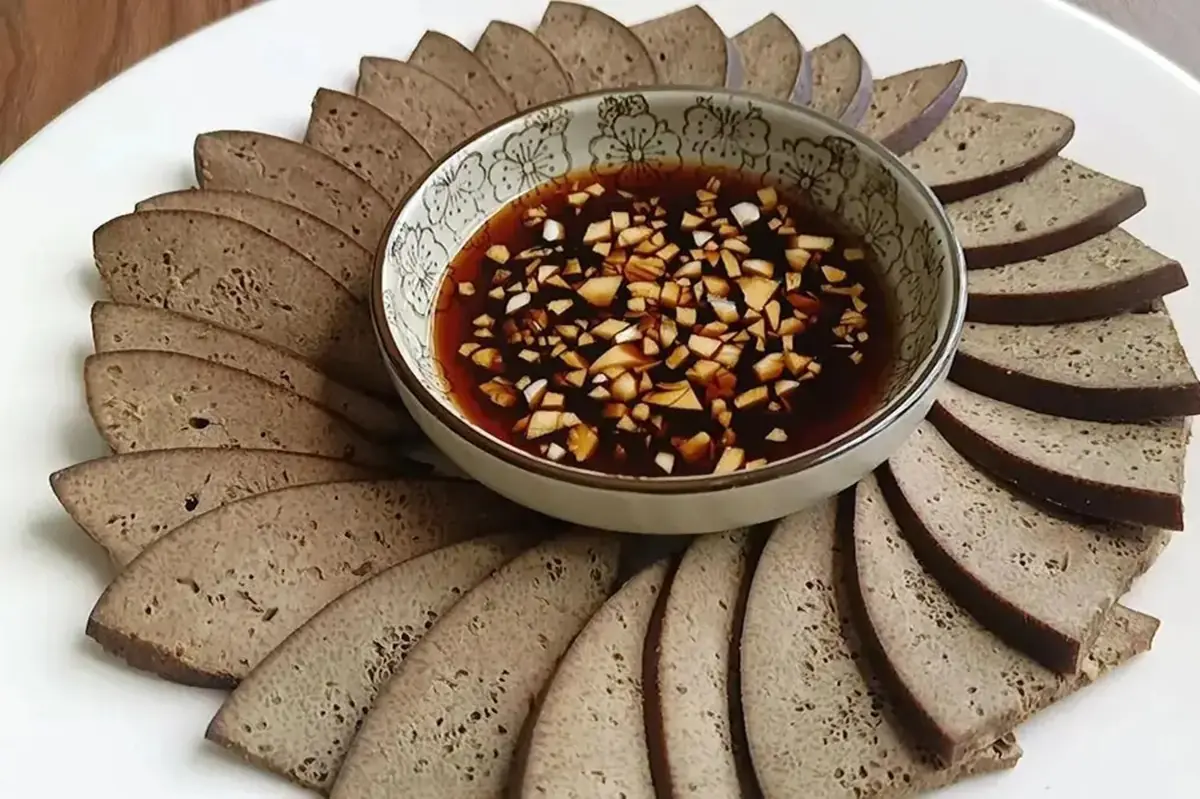
There is a part of the pig that many people avoid or discard, thinking it’s unhealthy—yet it is exceptionally rich in nutrients, especially iron, protein, and vitamins.
I thought my wife regretted marrying me until i understood what she was carrying alone
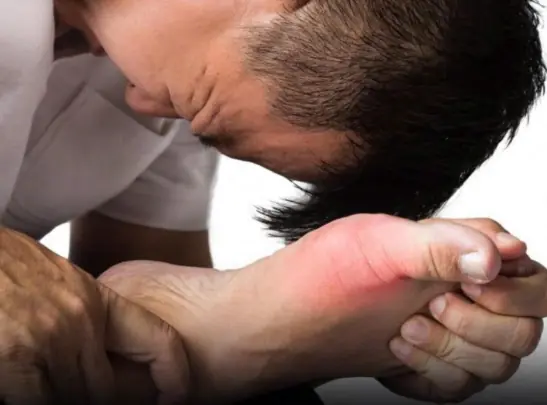
Five Foot-Related Changes That May Signal Circulation or Metabolic Health Issues

Why drooling during sleep happens: 6 health conditions to be aware of
My father and i stopped talking for months over a simple comment
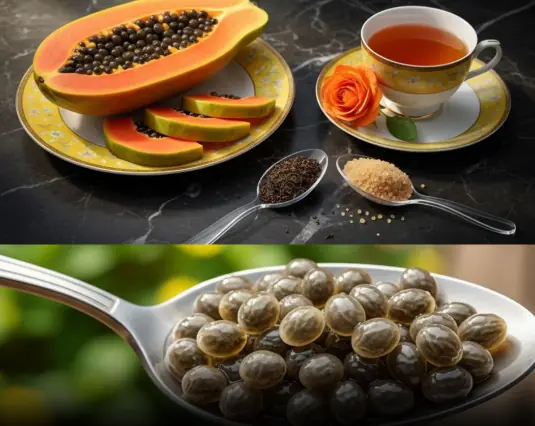
Papaya, a delicious tropical fruit, is renowned for its sweet taste and digestive benefits.

Funerals are among the most delicate and emotional moments in a person’s life.
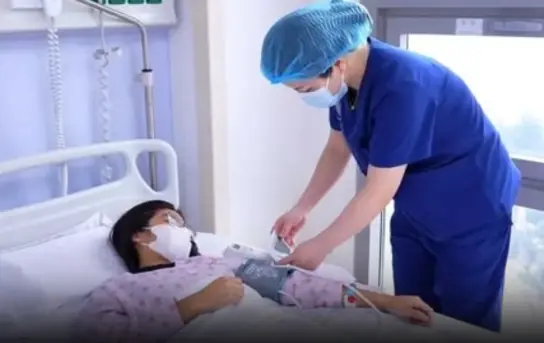
Stroke can affect anyone, at any time, and may leave severe, lasting consequences if not detected and treated promptly.
We almost sold the house that held all our memories

Abdominal pain — that all-too-familiar bellyache — is something almost everyone experiences at some point in life.

Doctors reveal the truth about eating bananas at night — from better sleep to digestion benefits, here’s what really happens when you enjoy this simple evening snack.
I thought my sister betrayed me over money until i learned the truth
My daughter said she hated me, and i almost believed her
I thought my husband was hiding something, but i was completely wrong
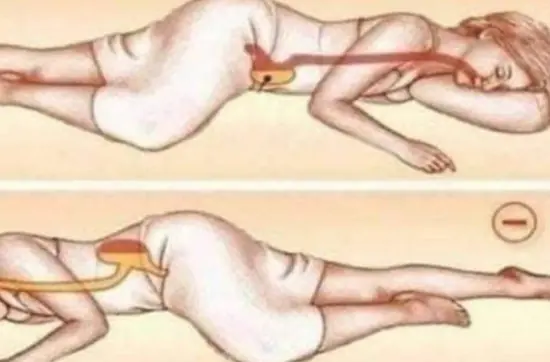
Most people rarely think about their sleeping position, even though it is something they repeat every single night.
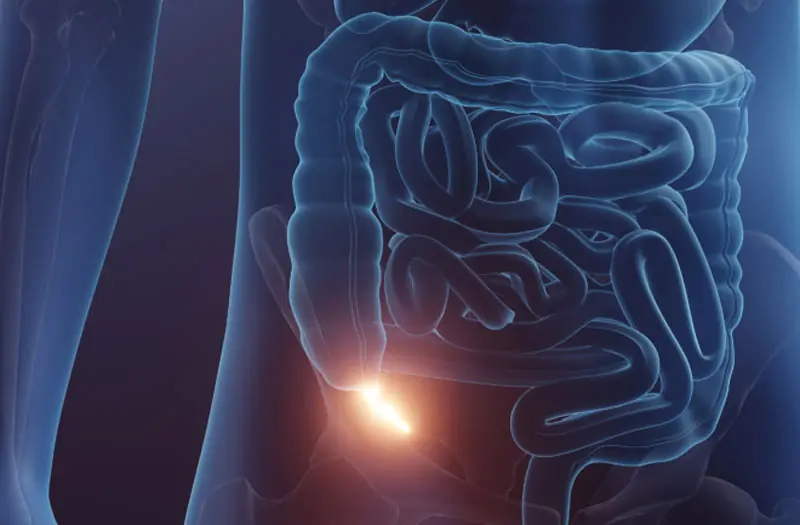
5 signs of appen.dicitis you should never ignore