Our family vacation almost fell apart before it brought us closer
Our family vacation almost fell apart before it brought us closer
Story 12/02/2026 11:35
The kitchen in our house was the grand central station of suburban chaos. On any given Tuesday, the air was a thick soup of steaming pasta, the sharp scent of athletic gear, and the frantic, overlapping voices of my three siblings. My brother, Marcus, was a star quarterback who required a specific caloric intake and a constant cheering section. My twin sisters, Chloe and Sophie, were a whirlwind of competitive dance, their lives a blur of sequins and high-stakes rehearsals.
And then there was me. Leo. The one who liked quiet corners, old books, and the steady, unremarkable rhythm of a chess board.
For a long time, I lived in the shadow of their noise. I felt like the "extra" child—the one the family photo was centered around but didn't actually require for the composition to work. I was the one who remembered to feed the dog because everyone else was at practice. I was the one who stayed behind to help Mom clear the table while Dad was in the garage fixing Marcus’s helmet. I felt less like a person and more like a background character in a movie about someone else’s success.
The tension of feeling overlooked isn't a sharp pain; it’s a slow, cooling sensation. It’s the self-doubt that creeps in when your parents forget to ask how your debate tournament went because they’re too busy celebrating Marcus’s game-winning touchdown. It’s the comparison that happens when the refrigerator is covered in dance trophies and football clippings, while my certificate for "Academic Excellence" is tucked away in a drawer because there simply wasn't any magnetic real estate left.
"You're so self-sufficient, Leo," my mother would say with a distracted pat on my shoulder as she rushed Chloe to the car. "I don't know what I'd do without you."
At fifteen, I didn't want to be self-sufficient. I wanted to be a priority. I wanted someone to worry about my "caloric intake" or my "performance jitters." I interpreted their trust in my independence as a lack of interest in my existence. I convinced myself that I was the least important person in the family because I was the one who required the least amount of management.
The drama grew through the silence I cultivated. If they weren't going to notice me, I would make it easier for them. I stopped talking about my interests. I stopped asking for rides. I became a master of being invisible, a ghost moving through a house filled with giants. I looked at the "bigger picture" of our family and saw a puzzle where my piece was missing, and the image still looked complete.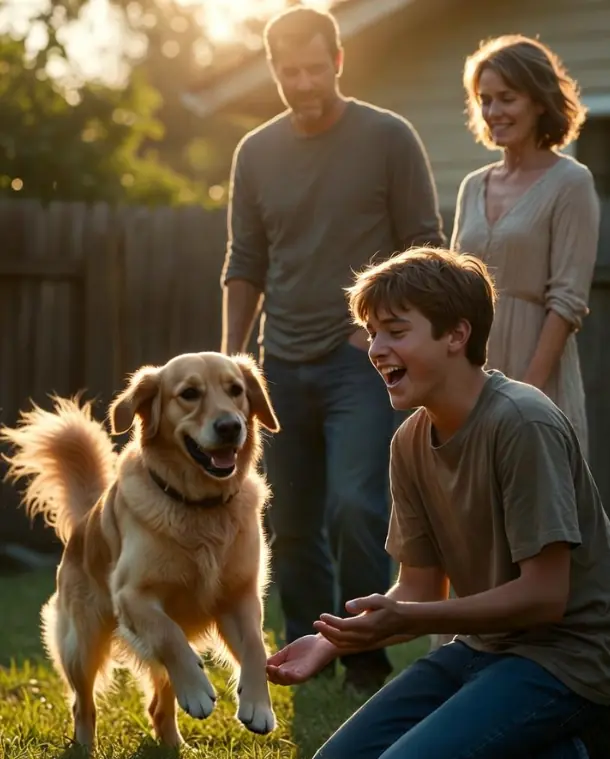
The turning point arrived on the weekend of the State Championship. It was the biggest event of the year—Marcus had his final game, and the twins had their regional dance final on the same day in different cities. My parents were frazzled, their schedules a frantic map of logistics and carpools.
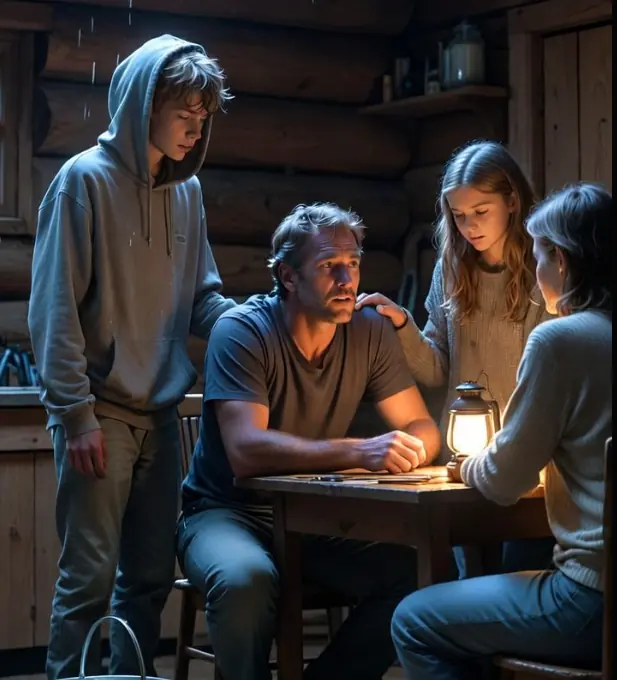
I was staying home to look after my grandfather, who had recently moved in with us and struggled with his mobility. I told myself I didn't mind. I told myself I was the "responsible" one. But as I watched the two cars pull out of the driveway, filled with excitement and cheers, I felt a profound, biting loneliness. I was the one left behind to keep the house running while everyone else went out to shine.
"They're a lot, aren't they?" my grandfather remarked from his armchair, his eyes twinkled with a wisdom I hadn't yet learned to value.
"They're just busy, Grandpa," I said, trying to keep the bitterness out of my voice. "They have things they’re good at."
"And you think you're just the one who holds the ladder," he said, adjusting his glasses. "You think the person at the top is the only one in the picture."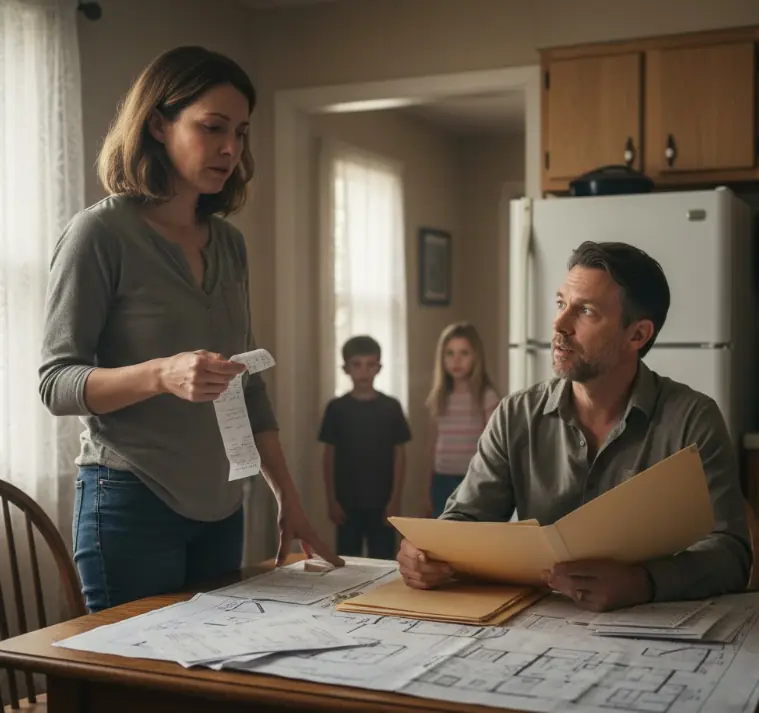
The weekend was quiet. I spent it helping my grandfather, making him tea, listening to his stories about the war, and keeping the house in a state of order that I knew my parents would appreciate when they returned. But beneath the surface, I was nursing a cold, hard resentment. I felt like a servant in my own life.
On Sunday night, the house exploded with sound again. They were back. Marcus had won his game, and the twins had taken second place. The living room was a sea of muddy cleats, glitter, and exhausted laughter. I stood in the kitchen doorway, ready to slip away to my room, when my father called out my name.
"Leo! Come here, son."
I walked into the room, expecting to be asked to help with the laundry or to order a celebratory pizza. Instead, my father sat me down on the sofa, and my mother sat beside him. They looked exhausted, their eyes rimmed with the kind of fatigue that only comes from deep, sustained effort.
"We had a long talk on the drive back," my mother said, her voice soft and steady. "And we realized something. We realized that while we were out there chasing trophies, you were here, being the heart of this house. You were the one who made sure Grandpa was okay. You were the one who made sure the house was a home to come back to."
"It's just chores, Mom," I said, looking at my feet.
"No, Leo," my father said, leaning forward. "It's not chores. It's character. We push Marcus and the girls because we’re afraid they aren't ready for the world yet. We’re constantly 'managing' them because they’re still figuring out how to be people. But you... we look at you, and we see someone who is already there. We trust you so much that we sometimes forget you still need to be seen."
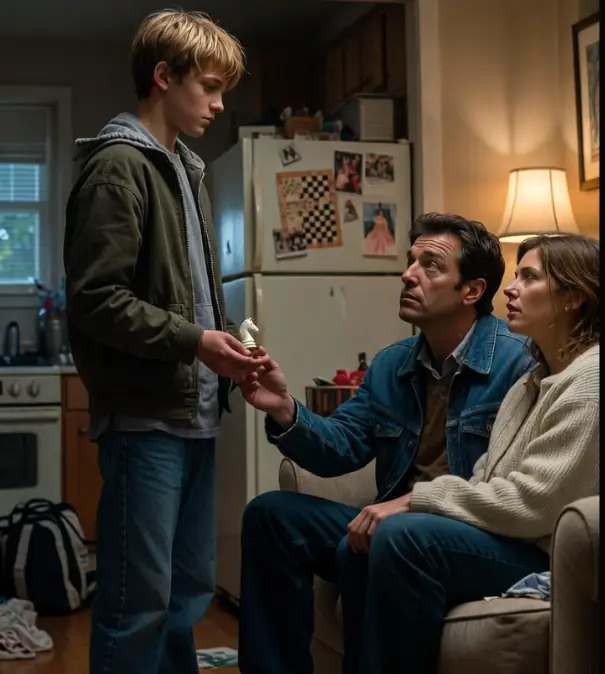
He reached into his pocket and pulled out a small, worn-out chess piece—a white knight. "I found this in the car. I’ve been carrying it for three days to remind myself to tell you something. Marcus is the quarterback, and the girls are the dancers, but you’re the knight. You’re the one who protects the board. You’re the one who makes all their 'success' possible."
My mother took my hand. "We love the noise, Leo. But we treasure your quiet. We realized we’ve been expressing our love to the others by fixing their problems, but we express our love to you by trusting you to be yourself. We were wrong to let that look like being overlooked."
In that moment, the "bigger picture" of my family finally shifted into focus. I realized that love isn't a finite resource that has to be divided equally in minutes and trophies. It’s a language that is spoken differently to different people.
To Marcus, love was structure and pressure. To the twins, love was encouragement and sequins. And to me, love was respect. It was the profound, quiet trust that I didn't need to be "managed" because I was already capable. They weren't ignoring me; they were relying on me.
The emotional maturity that followed was a slow, beautiful unfurling. I stopped looking for trophies as proof of my importance. I realized that my value wasn't found in the noise I made, but in the stability I provided. I was the "least important" person only if importance was measured in decibels. If importance was measured in the strength of the foundation, I was the most vital piece of the puzzle.
Renewed appreciation changed the way I moved through the house. I still help with the dishes, and I still feed the dog, but I don't do it as a background character anymore. I do it as a partner. I started talking more about my chess games and my books, and to my surprise, they started listening. They weren't "too busy"; they were just waiting for me to step into the light.
The refrigerator still has Marcus’s clippings and the twins’ photos, but now, there’s a small, hand-drawn chess board pinned right in the center. It’s not a trophy, and it’s not a newspaper headline. It’s just a symbol of the knight who keeps the board together.
I am Leo. I am the quiet one, the Chess player, and the one who remembers the tea. I am no longer overlooked. I am the heart of the grand central station of suburban chaos, and for the first time in my life, I know exactly where I fit in the picture. The noise is still there, the sequels are still bright, but the silence in my corner is no longer a void—it’s a sanctuary. And in that sanctuary, I am exactly where I am supposed to be.
Our family vacation almost fell apart before it brought us closer
I thought my wife regretted marrying me until i understood what she was carrying alone
My father and i stopped talking for months over a simple comment
I misjudged my mother-in-law until the day she showed up for us
We almost sold the house that held all our memories
I thought my sister betrayed me over money until i learned the truth
My daughter said she hated me, and i almost believed her
I thought my husband was hiding something, but i was completely wrong
“My ex said, ‘We’ve got nowhere to live with my new wife, let us stay at your summer house.’ I let them in… then I called the police and filed a report for breaking and entering.”

The lonely old woman admonished the swearing teenagers on the playground. But then something happened…

— I dropped by my mother’s place unannounced—and froze: my husband was already discussing the price of my apartment with her neighbor
— “So someone actually wanted you looking like this?” my ex-husband couldn’t believe my happiness

I decided to surprise my husband and drove out to his “work” dacha. I opened the gate—and froze when I saw who was grilling shashlik on my barbecue…
Did your parents send the money? Great—then we’ll buy my sister a phone,” her husband said.

Clear out the room for your sister-in-law—she has nowhere to live!” my mother-in-law announced, and my husband backed her up. But they couldn’t even imagine how I would answer

A go-to option for quick, convenient meals, this type of meat has been classified by the World Health Organization (WHO) as a Group 1 carcinogen
Our family vacation almost fell apart before it brought us closer
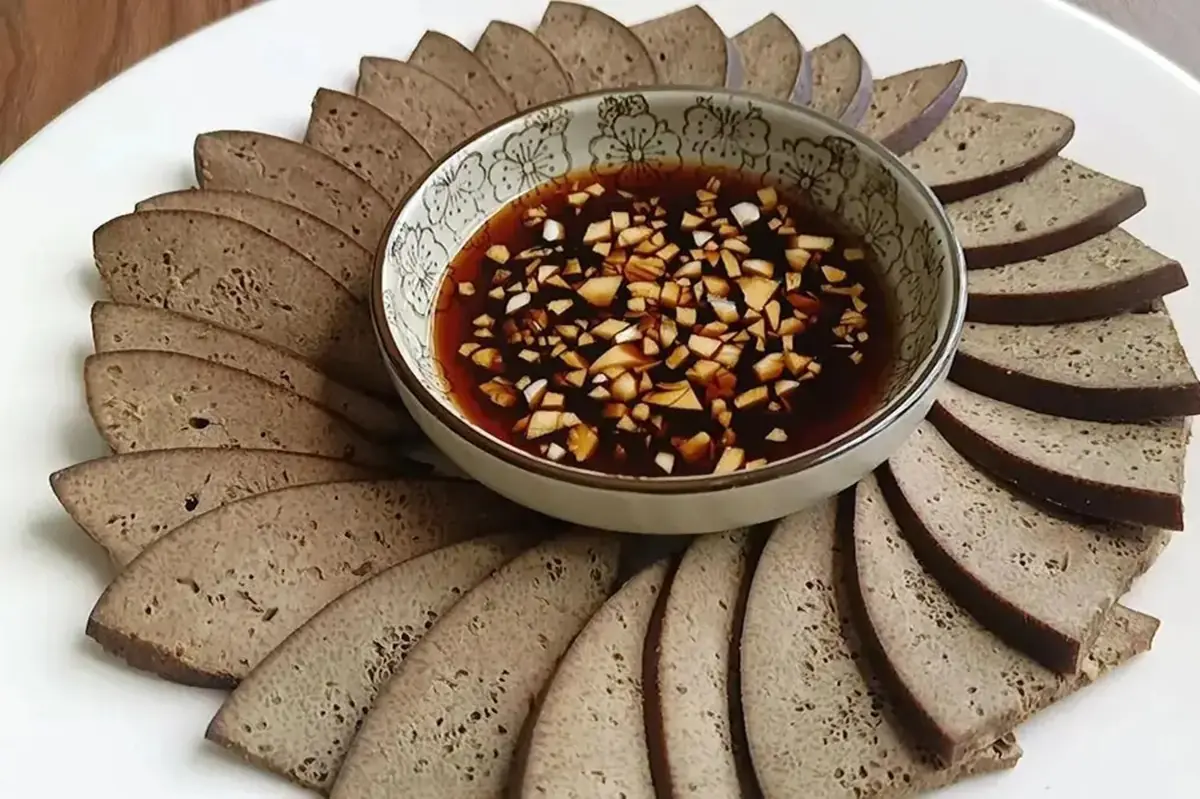
There is a part of the pig that many people avoid or discard, thinking it’s unhealthy—yet it is exceptionally rich in nutrients, especially iron, protein, and vitamins.
I thought my wife regretted marrying me until i understood what she was carrying alone
Five Foot-Related Changes That May Signal Circulation or Metabolic Health Issues

Why drooling during sleep happens: 6 health conditions to be aware of
My father and i stopped talking for months over a simple comment
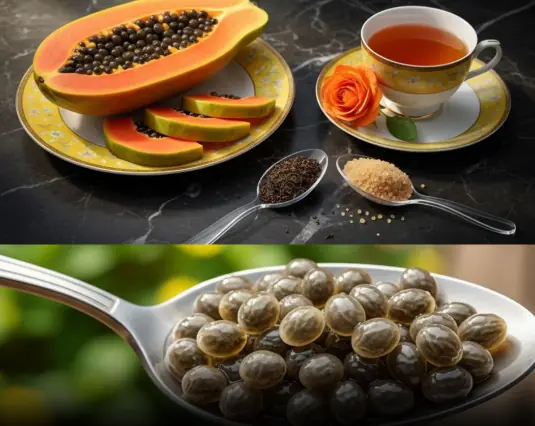
Papaya, a delicious tropical fruit, is renowned for its sweet taste and digestive benefits.
I misjudged my mother-in-law until the day she showed up for us

Funerals are among the most delicate and emotional moments in a person’s life.
Stroke can affect anyone, at any time, and may leave severe, lasting consequences if not detected and treated promptly.
We almost sold the house that held all our memories

Abdominal pain — that all-too-familiar bellyache — is something almost everyone experiences at some point in life.
Doctors reveal the truth about eating bananas at night — from better sleep to digestion benefits, here’s what really happens when you enjoy this simple evening snack.
I thought my sister betrayed me over money until i learned the truth
My daughter said she hated me, and i almost believed her
I thought my husband was hiding something, but i was completely wrong
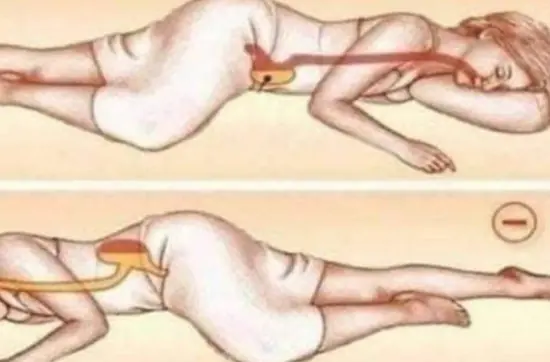
Most people rarely think about their sleeping position, even though it is something they repeat every single night.
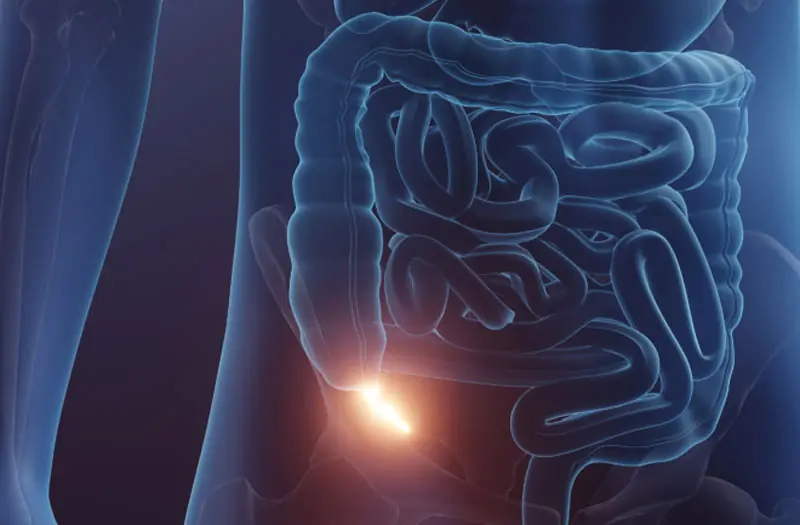
5 signs of appen.dicitis you should never ignore