WHO Names the No.1 Can.cer-Causing Meat: Raises Risk by Up to 32% — The Busier You Are, the More You Eat It
A go-to option for quick, convenient meals, this type of meat has been classified by the World Health Organization (WHO) as a Group 1 carcinogen — a category reserved for substances known to cause cancer in humans.
A recent study published in early 2026 found that several common preservatives used in industrially processed foods are linked to an increased cancer risk. These preservatives are commonly found in products such as cold cuts, ham, and cheese.
Is Processed Meat a Carcinogen?
Cold cuts, ham, sausages, salami, and smoked meats all fall under the category of processed meats. According to WHO, these products are classified as Group 1 carcinogens, meaning there is sufficient evidence that they can cause cancer in humans.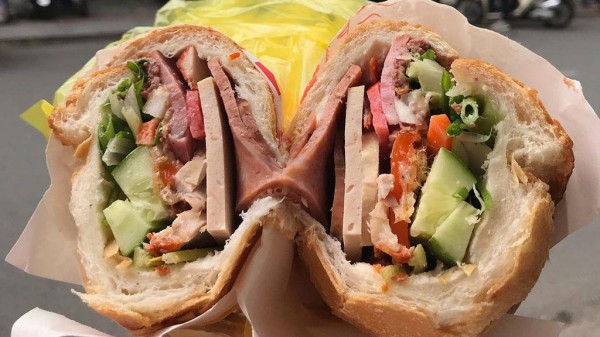
This conclusion is based on multiple studies showing that regular consumption of processed meat increases the risk of cancer, particularly colorectal cancer. In addition, risks of cardiovascular disease, high blood pressure, and metabolic disorders are also elevated.
What Are Ultra-Processed Foods?
Ultra-processed or ready-made foods are products that contain preservatives and additives designed to enhance flavor and color, improve texture, extend shelf life, and stabilize ingredients. Approximately 70% of grocery store products in the United States are considered ultra-processed foods.
Findings from the 2026 Study on Preservatives and Cancer
The study analyzed health data from more than 100,000 adults in France between 2009 and 2023. Researchers found that high consumption of certain preservatives was associated with an increased risk of cancer.
The study identified “multiple positive associations between widely used food preservatives and higher cancer incidence.” Specifically, these preservatives were linked to increased risks of prostate cancer and breast cancer.
Although not all preservatives were found to raise cancer risk, six of the preservatives examined were associated with increased cancer rates. These include potassium sorbate, potassium metabisulfite, sodium nitrite, potassium nitrate, and acetic acid.
Cancer Risk Linked to Specific Preservatives
Many of these preservatives are commonly found in processed meats.
-
Sodium nitrite, frequently used in bacon, ham, and deli meats, was associated with a 32% increase in prostate cancer risk.
-
Potassium nitrate, which has a chemical structure similar to sodium nitrite, was linked to a 13% increase in overall cancer risk and a 22% higher risk of breast cancer.
Sorbate compounds — particularly potassium sorbate — are commonly used in wine, baked goods, cheese, and sauces to prevent mold, yeast, and bacterial growth. They were associated with a 14% increase in overall cancer risk and a 26% increase in breast cancer risk.
Potassium metabisulfite, also used in wine production, was linked to a 20% higher risk of breast cancer and an 11% increase in overall cancer risk.
Acetate compounds, used in foods such as meats, sauces, bread, and cheese, were associated with a 25% higher risk of breast cancer and a 15% increase in overall cancer risk.
Study Conclusion
Because the 2026 research was observational, it does not establish a direct cause-and-effect relationship. However, the findings align with existing evidence. Processed meats such as ham and cold cuts have long been classified by WHO as carcinogenic and are strongly linked to colorectal cancer.
Experts emphasize moderation to reduce exposure to harmful preservatives. The study authors also urge food manufacturers to limit unnecessary preservatives and recommend that consumers choose minimally processed foods whenever possible.
(Source: Our Cancer Stories — A cancer information platform managed by the National University of Singapore and GAI.)