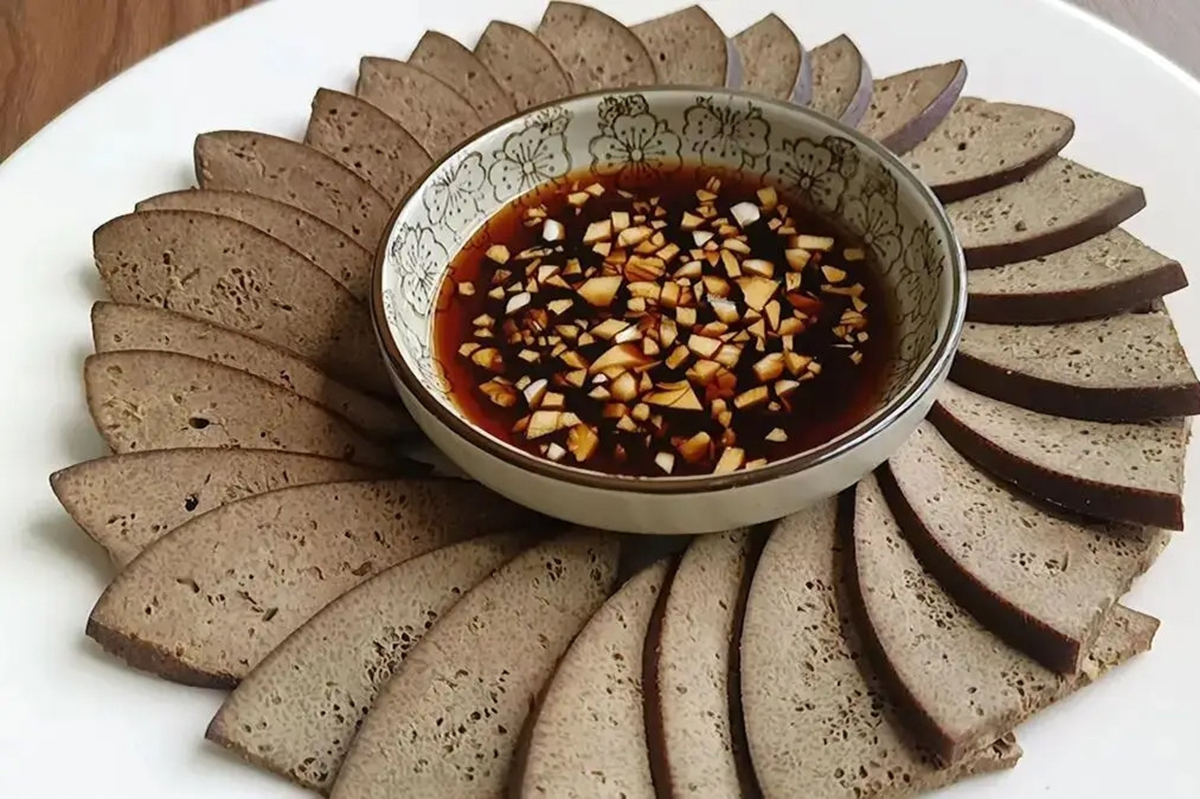
A Part of the Pig Many People Throw Away—Yet It’s a Nutritional Powerhouse
There is a part of the pig that many people avoid or discard, thinking it’s unhealthy—yet it is exceptionally rich in nutrients, especially iron, protein, and vitamins. When prepared properly, it offers significant health benefits.
Pork liver has long been a familiar ingredient in many Vietnamese family meals. It is widely available, affordable, and easy to cook. However, some people hesitate—or even refuse—to eat pork liver because they believe it is “toxic.” What many don’t realize is that avoiding pork liver also means missing out on a highly valuable source of nutrition, particularly iron and vitamin A.
Pork liver is nutritionally dense, containing high levels of protein, iron, B vitamins, and enzymes that support digestion and detoxification. It is especially beneficial for people with anemia, night blindness, rickets, or general nutrient deficiencies. The vitamin A in pork liver helps improve vision, strengthen immunity, and support growth and development in children.
Modern medical research shows that 100 grams of pork liver contains approximately 21.3 grams of protein, 25 mg of iron, and 8,700 mcg of vitamin A, along with vitamins B and D, folic acid, and nicotinic acid.
According to traditional Eastern medicine, pork liver (known as “zhu gan”) has a sweet-bitter taste and a warming nature. It is believed to nourish the liver, enrich the blood, improve eyesight, boost energy, and strengthen digestion. It has traditionally been used to treat blurred vision caused by liver deficiency, night blindness, digestive weakness in children, edema, and other conditions.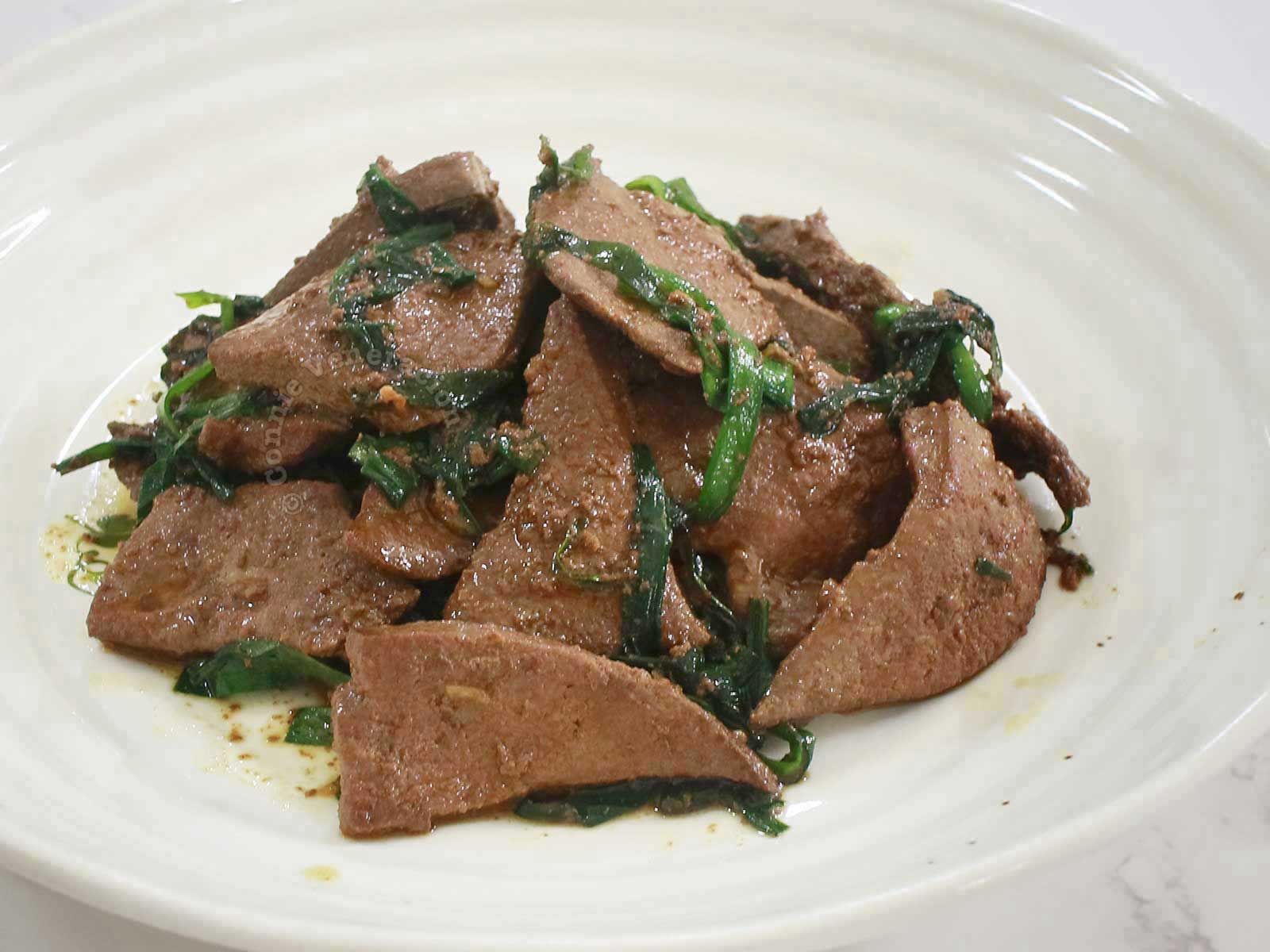
Data from the National Institute of Nutrition show that 100 grams of pork liver provides up to 25 mg of iron. By comparison, 100 grams of beef—widely known as an iron-rich food—contains only about 2.6 mg of iron. This means pork liver contains nearly ten times more iron than beef.
In addition, pork liver contains about 6,000 mcg of vitamin A per 100 grams—far higher than pork meat (lean-and-fat cuts), which contains only around 10 mcg per 100 grams.
How to Prepare and Remove the Odor
After purchasing, slice the liver thinly and rinse thoroughly under cold water to remove residual blood, then pat dry.
You can soak the liver in diluted salt water for 10–30 minutes, or soak it in fresh milk to reduce odor and improve tenderness.
Most importantly, pork liver must be cooked thoroughly. Never eat it raw or undercooked. Another important note: avoid combining pork liver with foods that are very high in vitamin C, such as bean sprouts or kale. The liver contains metal ions like copper and iron, which can oxidize vitamin C and reduce its effectiveness.
Recommended Intake
Adults should eat pork liver 2–3 times per week, about 50–70 grams per serving. Children should consume only 30–50 grams per meal.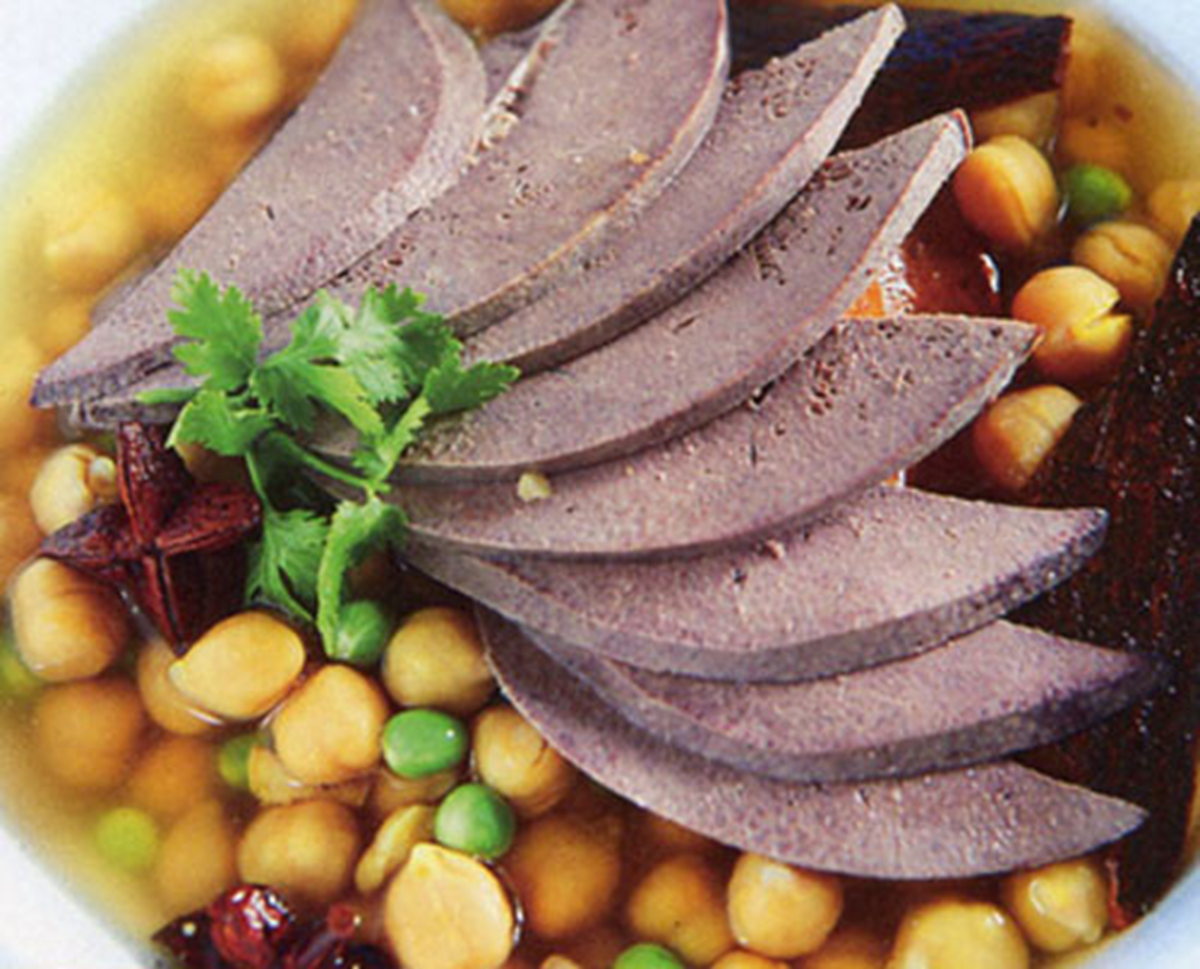
Important Precautions
-
People with cardiovascular disease, high blood pressure, diabetes, gout, fatty kidney disease, or heart failure should avoid organ meats.
-
Although nutritious, pork liver should not be eaten excessively. Limit to 2–3 times per week.
-
Do not combine pork liver with vitamin C–rich foods, as the copper content can reduce vitamin C’s benefits (for example, stir-fried liver with bean sprouts or celery).
-
Never eat pork liver raw or rare, as it may contain toxins or parasites.
-
When buying pork liver, choose pieces that are bright red and glossy. Avoid liver that is dark, bruised, watery when pressed, or uneven in texture. Soak in milk or salt water to remove odor and squeeze out any remaining blood before cooking thoroughly.
When chosen carefully and prepared properly, pork liver can be a highly nutritious addition to a balanced diet.