I felt like the least important person in my family until i saw the bigger picture
I felt like the least important person in my family until i saw the bigger picture
Story 12/02/2026 11:39
 My daughter said she hated me, and i almost believed her
The door to Lily’s room didn’t just close; it punctuated the end of every conversation we tried to have. It was a heavy, white-painted barrier that seemed to grow thicker with every passing week. For sixteen years, that door had been open—a gateway for bedtime stories, whispered secrets about school crushes, and the frantic giggles of sleepovers. Now, it was a fortress, and I was the unwelcome invader standing on the other side with a tray of snacks she hadn’t asked for.
I stood in the hallway, the smell of the cinnamon toast I’d made cooling in the air. I could hear the muffled, aggressive beat of the music she liked—a jagged, restless sound that felt like a physical manifestation of the wall between us.
"Lily? I brought some toast," I said, my voice sounding tentative even to my own ears.
"I’m not hungry, Mom. Go away," came the muffled reply.
The words weren't just a rejection of breakfast; they were a rejection of the "us" we used to be. I walked back to the kitchen, feeling a familiar, hollow ache in my chest. I was forty-four, a woman who managed a team of twenty people at work, yet I felt completely powerless in the face of my own daughter’s silence.
This was a stressful period for both of us, though we were experiencing it in entirely different ways. My company was going through a merger, and my days were a blur of spreadsheets and anxiety about job security. Lily was navigating the brutal social landscape of junior year, dealing with the pressure of SATs and a falling out with her best friend that she refused to discuss with me. We were two people drowning in our own separate oceans, and every time I reached out to pull her toward my boat, she swam further away.
The drama of our disconnect was built on a foundation of misread intentions. I thought I was being supportive by asking about her grades; she saw it as a lack of trust in her maturity. I thought I was giving her space by not prying into her social life; she saw it as a lack of interest in her pain. We were speaking two different languages, and the translation was being lost in the static of our stress.
The tension reached a breaking point on a rainy Tuesday evening. I had come home late after a grueling meeting, my head throbbing. I walked into the kitchen to find the sink overflowing with dishes and a half-eaten pizza box on the counter. Lily was sitting at the table, staring at her phone, her homework untouched beside her.
"Lily, I asked you to clear the kitchen before I got home," I said, my voice sharper than I intended.
She didn't look up. "I was busy."
"Busy doing what? Scrolling? I’m working ten hours a day to keep this house running, and I just need a little help. Is that too much to ask?"
Lily finally looked up, and the expression in her eyes was one of pure, concentrated resentment. "Is that all I am to you? A chore-doer? You don't even care about what’s happening with me. All you care about is your stupid job and having a clean kitchen."
"That’s not fair," I snapped, the exhaustion of the month finally breaking my composure. "I do everything for you!"
"I didn't ask you to!" she screamed, standing up so abruptly her chair scraped harshly against the tile. "I wish you’d just leave me alone. I hate you! I actually hate you!"
The words felt like a physical blow. The "I hate you" wasn't the dramatic flare of a toddler; it was delivered with a cold, adult precision that made my blood run cold. She ran out of the room, and a second later, the inevitable thud of her bedroom door echoed through the house.
I sat down at the kitchen table, surrounded by the mess and the silence. I almost believed her. I sat there wondering if I had truly failed as a parent, if the generational disconnect was so wide that we would never find our way back. I felt a profound sense of mourning for the little girl who used to hold my hand, and a terrifying fear of the stranger who had replaced her.
The silence that followed lasted for two days. We moved around each other like ghosts. I stopped making the toast. She stopped coming out of her room except to grab water. The house felt like a hollow shell. I spent those forty-eight hours reevaluating every interaction, every "look," and every missed cue. I realized that in my stress to provide for her future, I had stopped being present in her "now."
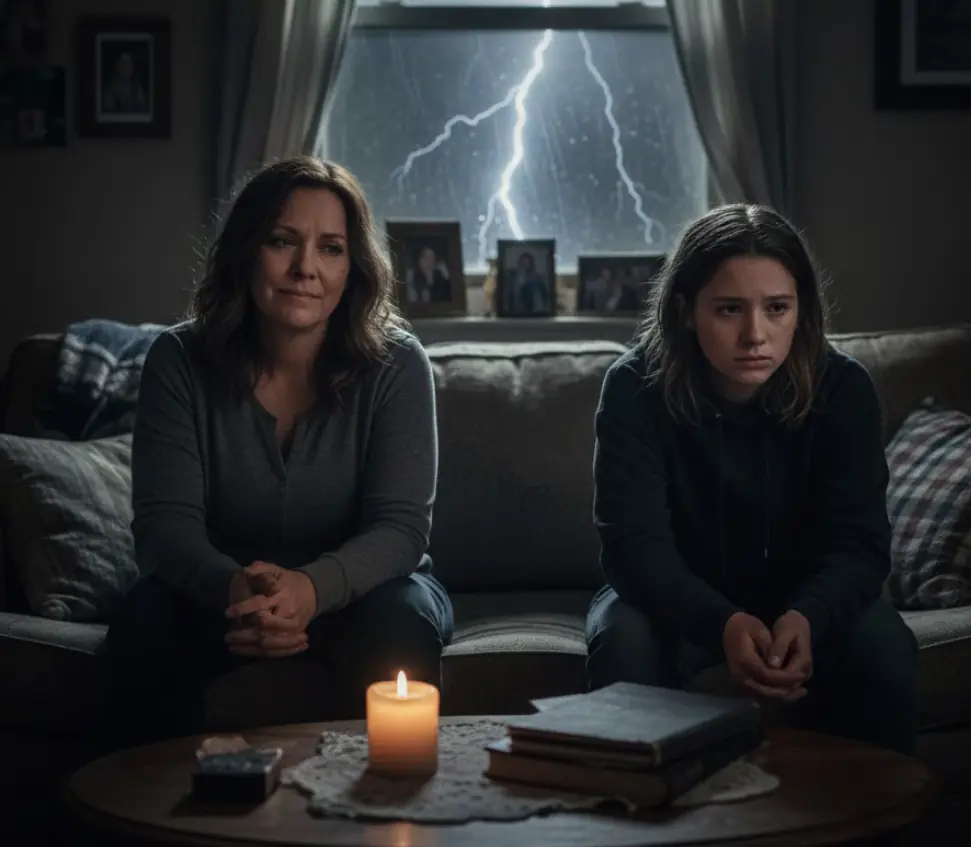
On the third night, the power went out during a spring thunderstorm. The house was plunged into a darkness that felt strangely appropriate. I was sitting in the living room with a single candle when I heard a soft creak on the stairs.
Lily appeared in the doorway, her silhouette illuminated by a flash of lightning. She looked smaller in the dark, less like a defiant teenager and more like the child she used to be.
"Mom?" she whispered.
"I’m here, Lil," I said softly.
She came over and sat on the far end of the sofa. For a long time, the only sound was the rain against the windows.
"I didn't mean it," she said, her voice small. "The 'I hate you' part. I was just... everything feels like it’s too much. The school, the stuff with Chloe, the feeling that you’re always disappointed in me."
"I have never been disappointed in you," I said, my heart breaking for the misunderstanding I had helped create. "I’ve been stressed, and I’ve been scared, and I’ve been trying so hard to fix things that I forgot to just listen to you. I’m so sorry, Lily."
"I’m sorry too," she said, moving closer until her shoulder touched mine. "I feel like I’m failing at everything, and when you ask about my grades, it just feels like another thing I’m doing wrong."
The honest conversation that followed wasn't a quick fix, but it was a restoration of the connection. We sat in the candlelight and actually talked—not about chores or SATs, but about the fear of change and the pressure of expectations. I told her about the stress at the office, not to guilt her, but to be human with her. She told me about the loneliness of her falling out with her friend, letting me into the world she had been guarding so fiercely.
I realized that the "hate" wasn't directed at me; it was directed at the distance between us. She wasn't pulling away because she didn't love me; she was pulling away because she didn't know how to ask for help without feeling like she was losing her independence.
The generational disconnect is a real thing, but it’s not an unbridgeable chasm. It’s a bridge that needs constant maintenance. We learned that night that silence isn't "peace"—it’s just a place where misunderstandings grow.
When the lights finally flickered back on an hour later, the house felt different. The "fortress" door upstairs didn't feel quite so heavy anymore. We stood up, and for the first time in months, she didn't pull away when I reached out. We shared a hug that felt like a homecoming.
We are still a work in progress. There are still days when she’s moody and days when I’m overworked. But we’ve stopped misreading the intentions behind the silence. I don't stand in the hallway with a tray of toast anymore; instead, I sit on the edge of her bed and ask, "How was your heart today?"
I almost believed she hated me, but I realized that love in the teenage years often looks like a closed door and a sharp word. It’s a test to see if you’ll stay on the other side. I stayed, and I’m so glad I did. The bridge is still there, the gate is open, and for the first time in a long time, we are finally speaking the same language again.
I felt like the least important person in my family until i saw the bigger picture
Our family vacation almost fell apart before it brought us closer
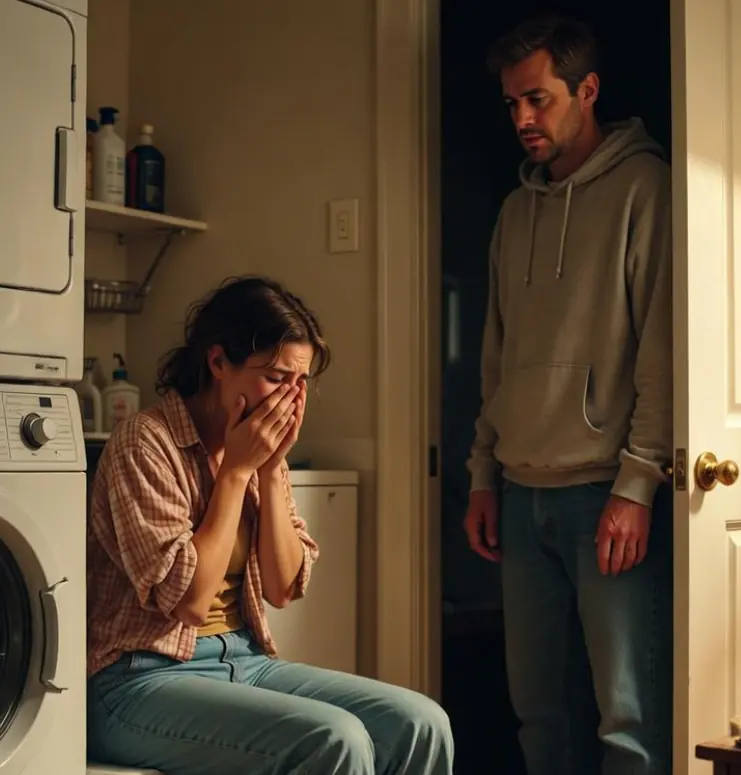
I thought my wife regretted marrying me until i understood what she was carrying alone
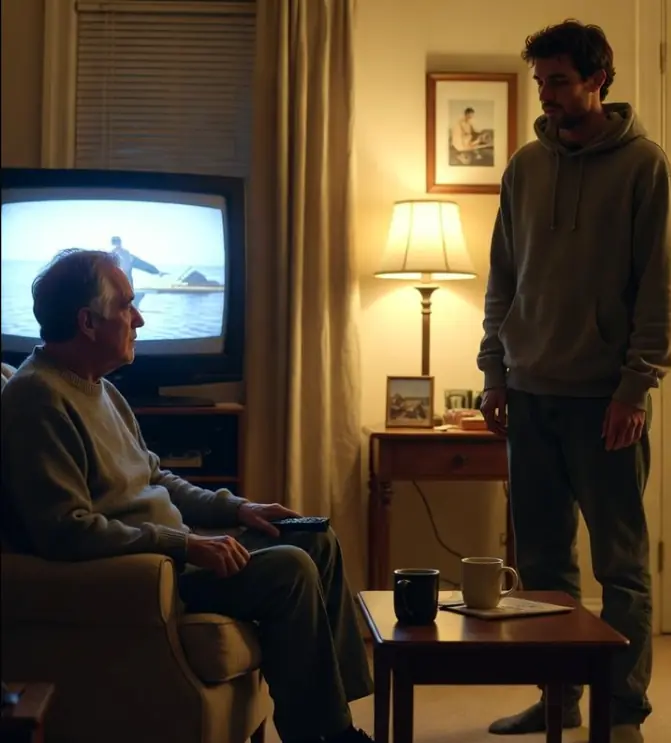
My father and i stopped talking for months over a simple comment
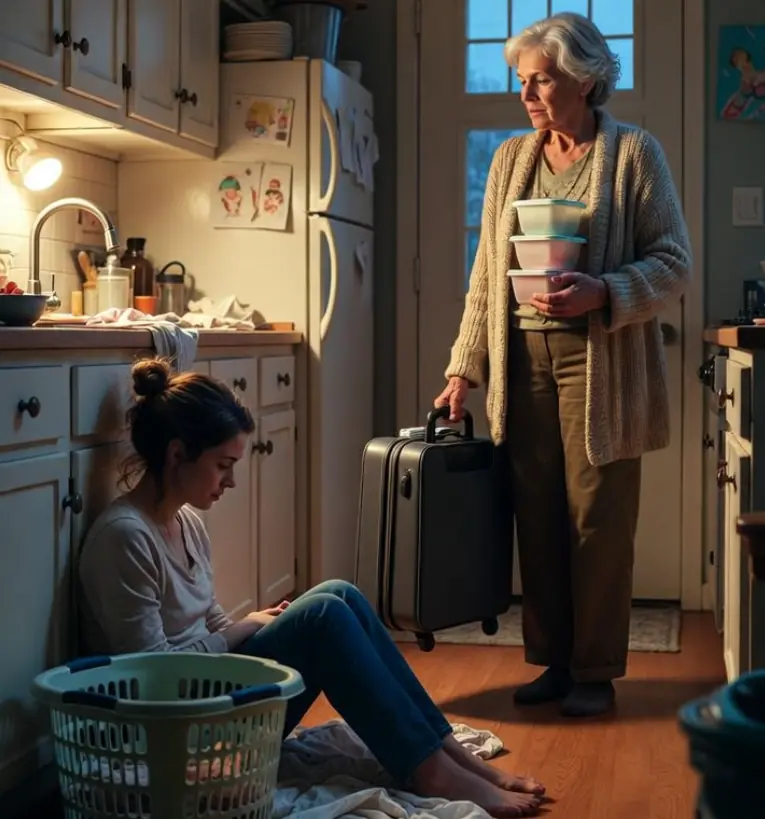
I misjudged my mother-in-law until the day she showed up for us
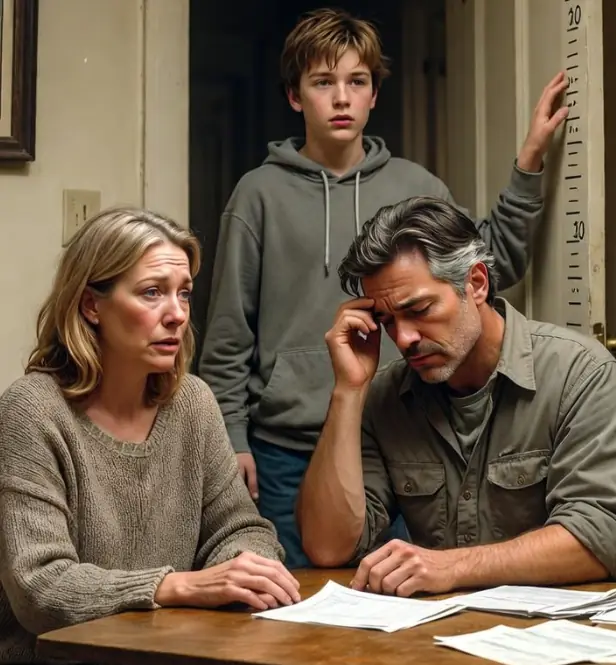
We almost sold the house that held all our memories
I thought my sister betrayed me over money until i learned the truth
I thought my husband was hiding something, but i was completely wrong
“My ex said, ‘We’ve got nowhere to live with my new wife, let us stay at your summer house.’ I let them in… then I called the police and filed a report for breaking and entering.”

The lonely old woman admonished the swearing teenagers on the playground. But then something happened…


— I dropped by my mother’s place unannounced—and froze: my husband was already discussing the price of my apartment with her neighbor
— “So someone actually wanted you looking like this?” my ex-husband couldn’t believe my happiness

I decided to surprise my husband and drove out to his “work” dacha. I opened the gate—and froze when I saw who was grilling shashlik on my barbecue…
Did your parents send the money? Great—then we’ll buy my sister a phone,” her husband said.

Clear out the room for your sister-in-law—she has nowhere to live!” my mother-in-law announced, and my husband backed her up. But they couldn’t even imagine how I would answer

A go-to option for quick, convenient meals, this type of meat has been classified by the World Health Organization (WHO) as a Group 1 carcinogen
I felt like the least important person in my family until i saw the bigger picture
Our family vacation almost fell apart before it brought us closer
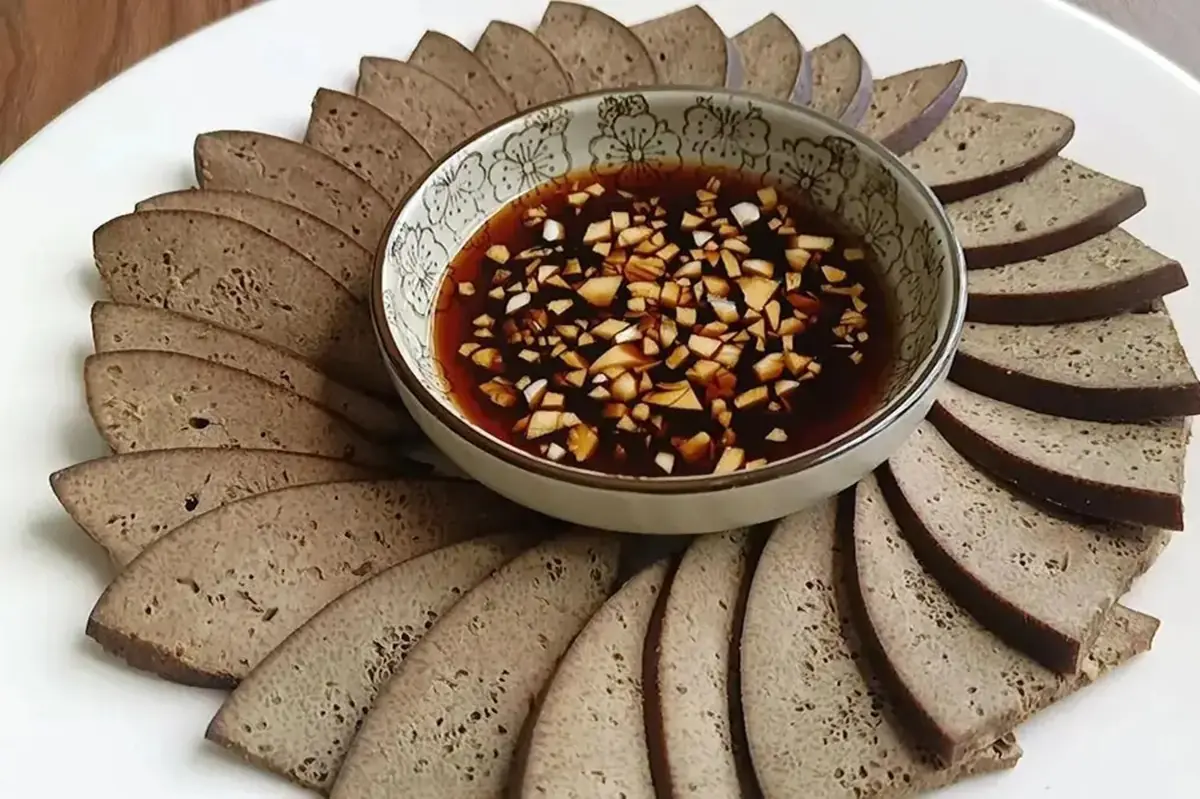
There is a part of the pig that many people avoid or discard, thinking it’s unhealthy—yet it is exceptionally rich in nutrients, especially iron, protein, and vitamins.
I thought my wife regretted marrying me until i understood what she was carrying alone
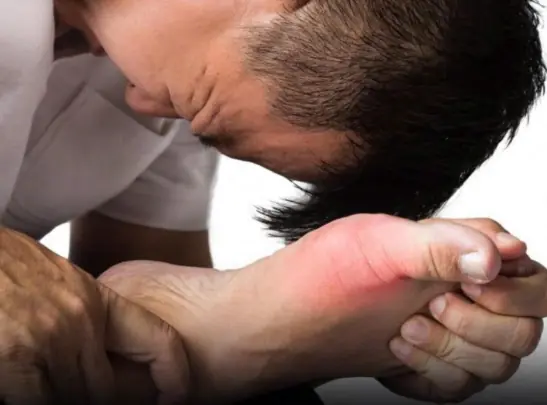
Five Foot-Related Changes That May Signal Circulation or Metabolic Health Issues

Why drooling during sleep happens: 6 health conditions to be aware of
My father and i stopped talking for months over a simple comment
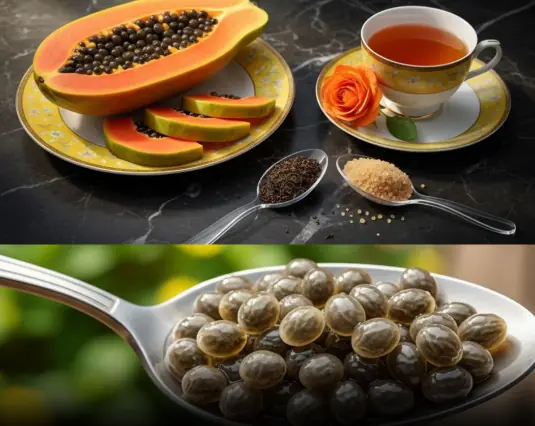
Papaya, a delicious tropical fruit, is renowned for its sweet taste and digestive benefits.
I misjudged my mother-in-law until the day she showed up for us

Funerals are among the most delicate and emotional moments in a person’s life.
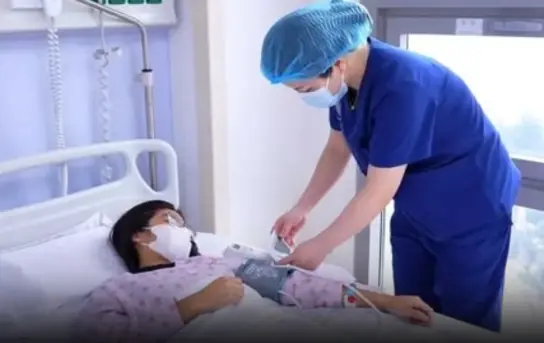
Stroke can affect anyone, at any time, and may leave severe, lasting consequences if not detected and treated promptly.
We almost sold the house that held all our memories
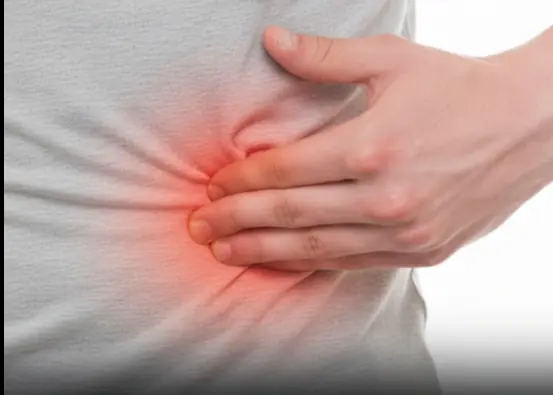
Abdominal pain — that all-too-familiar bellyache — is something almost everyone experiences at some point in life.
Doctors reveal the truth about eating bananas at night — from better sleep to digestion benefits, here’s what really happens when you enjoy this simple evening snack.
I thought my sister betrayed me over money until i learned the truth
I thought my husband was hiding something, but i was completely wrong
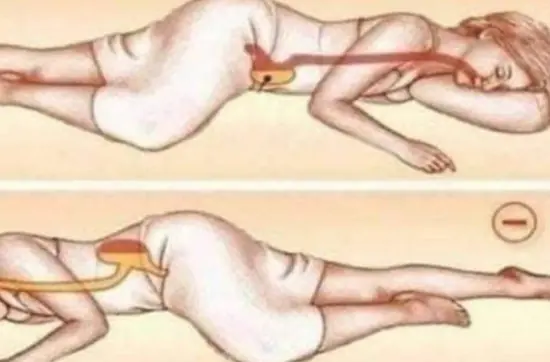
Most people rarely think about their sleeping position, even though it is something they repeat every single night.
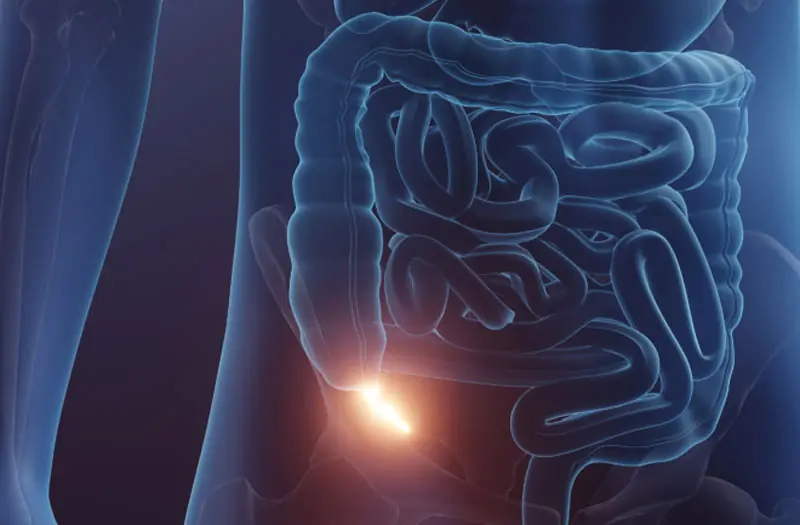
5 signs of appen.dicitis you should never ignore