I felt like the least important person in my family until i saw the bigger picture
I felt like the least important person in my family until i saw the bigger picture
Story 12/02/2026 11:39
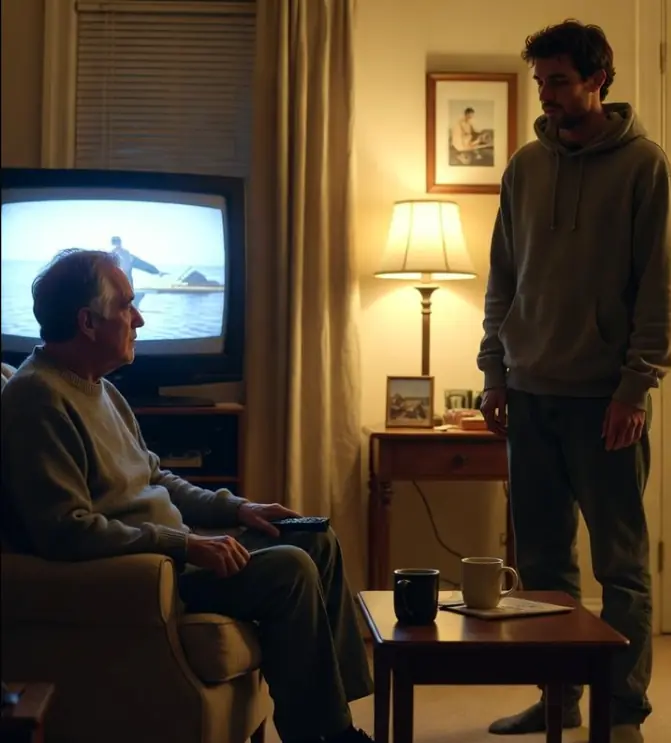
The silence between my father and me didn’t arrive with a thunderclap. It didn’t start with a door slamming or a dramatic shouting match that the neighbors could hear through the walls. It started with a single, poorly phrased sentence uttered over a lukewarm cup of coffee on a Tuesday morning. It was a comment so small that, in any other context, it might have been brushed off like dust. But in the fragile ecosystem of our relationship, it acted like a slow-acting poison.
"I just thought you’d be further along by now, Mark," my father had said, his eyes fixed on the newspaper, not realizing he had just dropped a match into a dry forest.
He was talking about my career transition—a move from a stable corporate job to the uncertain waters of freelance graphic design. I knew, in the logical part of my brain, that he meant he wanted me to have the security he never felt he had at my age. But the emotional part of my brain heard something else entirely: You are a disappointment. Your efforts are invisible. You are failing.
I didn't argue. I didn't explain. My pride, a jagged thing I’d inherited directly from him, rose up like a wall. I simply set my mug down, stood up, and walked out of his kitchen. I didn't say goodbye, and he didn't call after me.
That was the last time we spoke for seven months.
The drama of an "open secret" or a family feud is loud, but the drama of stubborn silence is a heavy, suffocating weight. For the first few weeks, I felt a righteous indignation. I replayed the comment in my head, polishing the hurt until it shone. I told myself that I was setting a boundary, that I wouldn't be spoken to with such condescension. I waited for his apology, convinced that as the father, the burden of the first move belonged to him.
But my father is a man built of granite and old-school stoicism. To him, an apology felt like an admission of weakness, and silence was his most comfortable language.
The emotional distance grew through the things that didn't happen. My birthday came and went with a single, clinical text message: "Happy Birthday. Dad." No phone call. No dinner. I didn't call him on Father’s Day. I told myself I was too busy with a new contract, but the truth was I was checking my phone every ten minutes, hoping for a crack in his armor that I refused to provide myself.
I started to see our relationship through the lens of missed cues. I remembered how he’d always show his love through "doing" rather than "saying"—the oil changes he did for my car without asking, the way he’d fix the leaky faucet in my apartment when I wasn't looking. But my pride had blinded me to those quiet gestures. I wanted the words he wasn't capable of giving, and because he couldn't give them, I decided he didn't care.
The tension in our family gatherings was palpable. My mother, the perpetual bridge-builder, tried her best to navigate the minefield. "Your father asks about your work every day, Mark," she’d whisper to me in the kitchen.
"Then why doesn't he ask me?" I’d snap back, my stubbornness acting as a shield for the hurt underneath.
I realized that the "simple comment" had become a proxy for thirty years of unsaid things. It wasn't just about my career; it was about the generational disconnect between a man who valued survival and a son who valued fulfillment. We were two people standing on opposite sides of a canyon, waiting for the other to build the bridge.
The turning point arrived on a Tuesday in November, exactly seven months after the coffee. I was working late on a project, the blue light of the monitor reflecting off the framed photo on my desk—a picture of us when I was ten, holding a fish we’d caught at the lake. My father was smiling, a rare, genuine expression of pride that I hadn't seen in years.
I realized with a sudden, sharp clarity that I was waiting for a version of my father that didn't exist. I was waiting for him to be the communicator I wanted him to be, while I was being exactly the silent, stubborn man I resented him for being. If I wanted the silence to end, I had to be the one to break the rhythm.
I drove to his house without calling. The pride that had been my armor for seven months felt like an ill-fitting suit—heavy and restrictive.
When I walked into his living room, he was sitting in his usual chair, the television humming with the nightly news. He looked older than I remembered. His shoulders were a little more rounded, his hair a little thinner. The "granite" man was starting to show the weathering of time.
"Dad," I said, my voice sounding raw in the quiet room.
He looked up, and for a split second, I saw a flash of pure, unadulterated relief in his eyes before he carefully masked it with his usual stoicism. "Mark. You’re home."
"I’m sorry I haven't called," I said, the vulnerability feeling like a physical risk. "I was hurt by what you said about my job. It felt like you didn't believe in me."
The silence stretched for a long, uncomfortable minute. I expected a defense, a justification, or another "poorly phrased" comment. Instead, my father did something he hadn't done since I was a child. He stood up, walked over to me, and put a hand on my shoulder.
"I’m a clumsy man with words, Mark," he said, his voice thick. "I didn't mean you weren't enough. I was scared for you. I’ve spent my life worrying about the next paycheck, and I didn't want you to have to carry that same fear. I thought if I pushed you, you’d be safer. I didn't realize I was pushing you away."
The reconciliation didn't involve a grand apology or a total transformation of our personalities. My father is still a man of few words, and I am still a man who values his independence. But the "simple comment" was finally stripped of its power. The silence had been a choice, and we were finally choosing something else.
The vulnerability from my side had given him the permission to be human. By admitting I was hurt, I stopped the war of "who is more right" and started the process of "who is more loved."
We sat in the living room for two hours that night. We didn't talk about the seven months of silence. We talked about the news, the weather, and a new project I was working on that I finally felt comfortable sharing with him. He listened—really listened—and for the first time, I saw the pride in his eyes that wasn't tied to a paycheck or a title.
I learned that relationships aren't fixed by grand gestures; they are fixed by the willingness to be the first one to lower the shield. My father and I still have our misunderstandings, and we probably always will. But the walls of our "peace" are no longer built of silence. They are built of the understanding that we are both flawed, both stubborn, and both trying our best to navigate a world that doesn't always come with a manual.
The coffee is still lukewarm sometimes, and the comments are still sometimes poorly phrased. But now, when a match is dropped, we don't let the forest burn. We talk. We listen. And we remember that the bridge between us is only as strong as the honesty we put into it. We are finally, quietly, and beautifully, father and son again.
I felt like the least important person in my family until i saw the bigger picture
Our family vacation almost fell apart before it brought us closer
I thought my wife regretted marrying me until i understood what she was carrying alone
I misjudged my mother-in-law until the day she showed up for us
We almost sold the house that held all our memories
I thought my sister betrayed me over money until i learned the truth
My daughter said she hated me, and i almost believed her
I thought my husband was hiding something, but i was completely wrong
“My ex said, ‘We’ve got nowhere to live with my new wife, let us stay at your summer house.’ I let them in… then I called the police and filed a report for breaking and entering.”

The lonely old woman admonished the swearing teenagers on the playground. But then something happened…


— I dropped by my mother’s place unannounced—and froze: my husband was already discussing the price of my apartment with her neighbor
— “So someone actually wanted you looking like this?” my ex-husband couldn’t believe my happiness

I decided to surprise my husband and drove out to his “work” dacha. I opened the gate—and froze when I saw who was grilling shashlik on my barbecue…
Did your parents send the money? Great—then we’ll buy my sister a phone,” her husband said.

Clear out the room for your sister-in-law—she has nowhere to live!” my mother-in-law announced, and my husband backed her up. But they couldn’t even imagine how I would answer

A go-to option for quick, convenient meals, this type of meat has been classified by the World Health Organization (WHO) as a Group 1 carcinogen
I felt like the least important person in my family until i saw the bigger picture
Our family vacation almost fell apart before it brought us closer
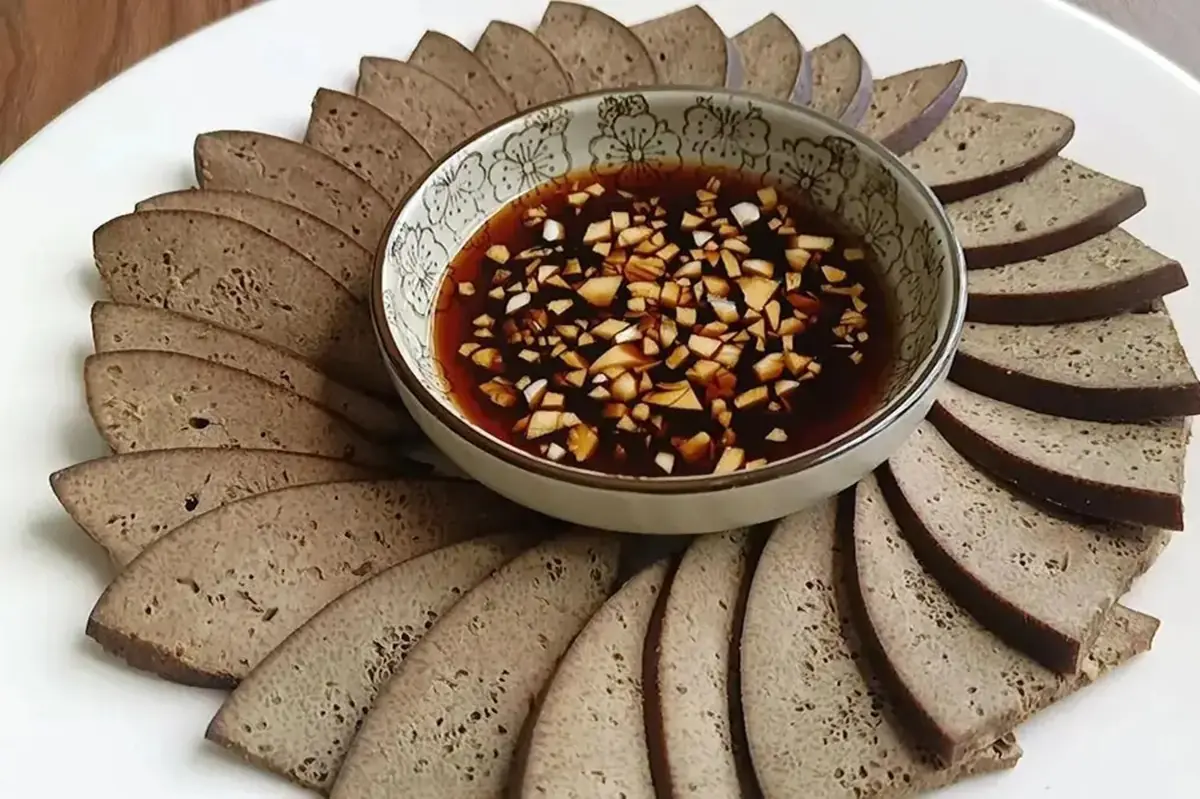
There is a part of the pig that many people avoid or discard, thinking it’s unhealthy—yet it is exceptionally rich in nutrients, especially iron, protein, and vitamins.
I thought my wife regretted marrying me until i understood what she was carrying alone

Five Foot-Related Changes That May Signal Circulation or Metabolic Health Issues

Why drooling during sleep happens: 6 health conditions to be aware of
Papaya, a delicious tropical fruit, is renowned for its sweet taste and digestive benefits.
I misjudged my mother-in-law until the day she showed up for us

Funerals are among the most delicate and emotional moments in a person’s life.
Stroke can affect anyone, at any time, and may leave severe, lasting consequences if not detected and treated promptly.
We almost sold the house that held all our memories

Abdominal pain — that all-too-familiar bellyache — is something almost everyone experiences at some point in life.

Doctors reveal the truth about eating bananas at night — from better sleep to digestion benefits, here’s what really happens when you enjoy this simple evening snack.
I thought my sister betrayed me over money until i learned the truth
My daughter said she hated me, and i almost believed her
I thought my husband was hiding something, but i was completely wrong
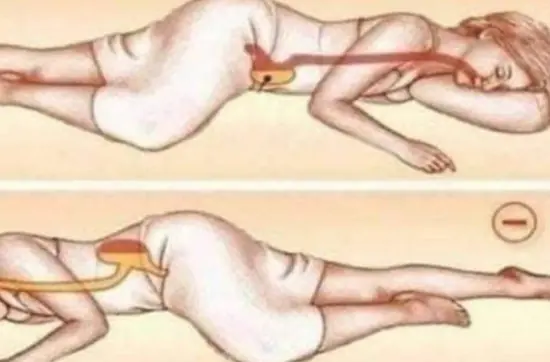
Most people rarely think about their sleeping position, even though it is something they repeat every single night.
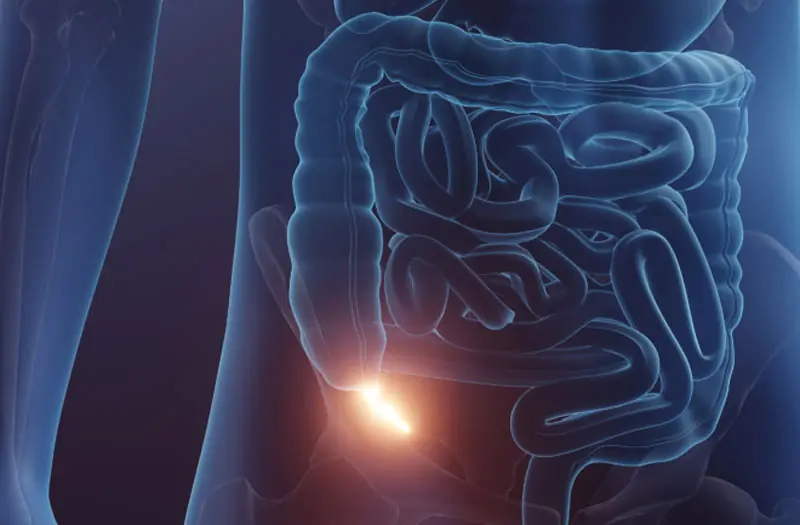
5 signs of appen.dicitis you should never ignore