Appendicitis is a serious medical condition that develops when the appendix becomes inflamed, swollen, or infected. Although the appendix is
a small organ located in the lower right side of the abdomen, the consequences of its inflammation can be severe. If left untreated, the
appendix may rupture, releasing infectious material into the abdominal cavity. This can lead to life-threatening complications such as
peritonitis (infection of the abdominal lining) or sepsis.
What makes appendicitis particularly dangerous is that its early symptoms often resemble common digestive issues like gas, indigestion, or
mild stomach discomfort. Because of this, many people delay seeking medical care, assuming the pain will pass. Recognizing the warning
signs early and acting quickly - can make the difference between a straightforward surgical procedure and a medical emergency.
Below is a detailed guide to five key warning signs of appendicitis that should never be ignored, along with practical lifestyle strategies that
may help reduce risk.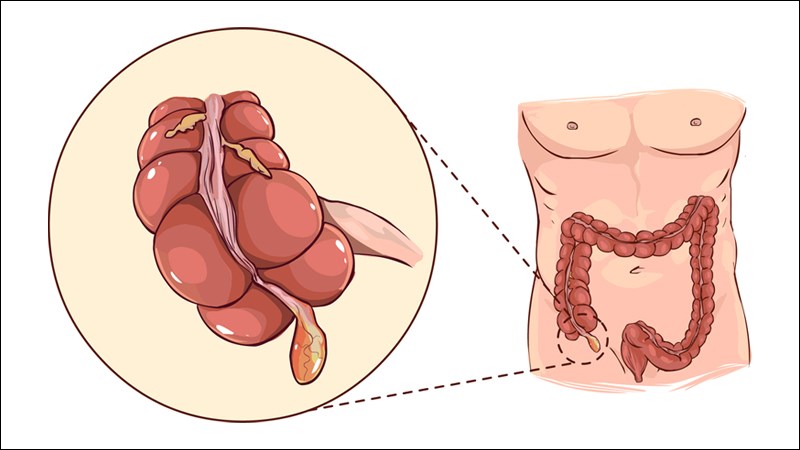
1. Persistent Pain in the Lower Right Abdomen
The hallmark symptom of appendicitis is abdominal pain that becomes localized in the lower right quadrant.
In many cases, the pain begins as a vague discomfort near the belly button. Over several hours, it shifts downward and intensifies. The pain
may become sharp and worsen with movement, coughing, sneezing, or even walking.
Why this is concerning:
This pattern reflects the progression of inflammation. As the appendix swells, surrounding tissues become irritated. If untreated, pressure
builds and increases the risk of rupture.
What to do:
Seek immediate medical evaluation. Avoid taking strong painkillers or applying heat to the abdomen, as these may mask symptoms or
accelerate rupture.
2. Sudden Loss of Appetite
A noticeable decrease in appetite is often one of the earliest signs, though it may seem subtle.
You may feel disinterested in food or mildly nauseated, even before significant pain develops.
Why this matters:
Loss of appetite, when combined with abdominal discomfort, may indicate that inflammation is affecting the digestive tract. It is not merely a
stomach upset if symptoms persist or worsen.
What to do:
If appetite loss occurs alongside abdominal pain lasting more than a few hours, consult a healthcare provider promptly.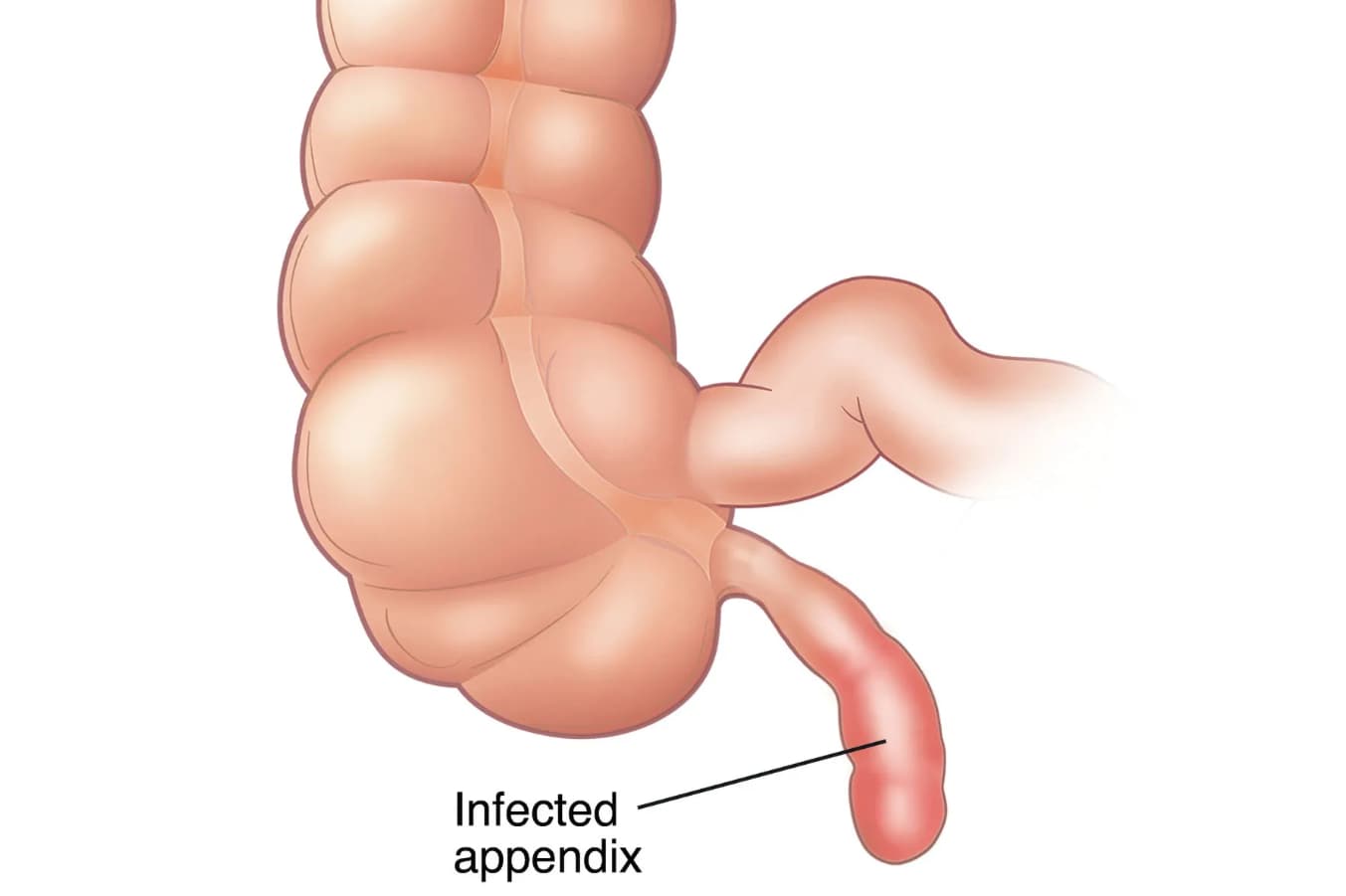
3. Nausea, Vomiting, and Low-Grade Fever
As inflammation progresses, many patients experience nausea and sometimes vomiting. A mild fever — typically between 37.5°C and 38°C
(99.5–100.4°F) — may develop.
Why this is dangerous:
Fever and vomiting suggest the body is mounting an immune response to infection. If fever rises, chills develop, or vomiting becomes
persistent, it may indicate worsening inflammation or imminent rupture.
What to do:
Monitor symptoms carefully. Escalating pain, higher fever, or repeated vomiting requires urgent medical attention.
4. Abdominal Bloating or Inability to Pass Gas
Inflammation of the appendix can interfere with normal bowel function. Some individuals experience noticeable bloating, abdominal
tightness, or difficulty passing gas.
Why this matters:
When the digestive tract slows or becomes partially obstructed, pressure can build inside the abdomen. This may signal that inflammation is
affecting surrounding tissues.
What to do:
Do not assume severe bloating is harmless, especially if paired with localized pain and nausea. Seek emergency care if symptoms intensify.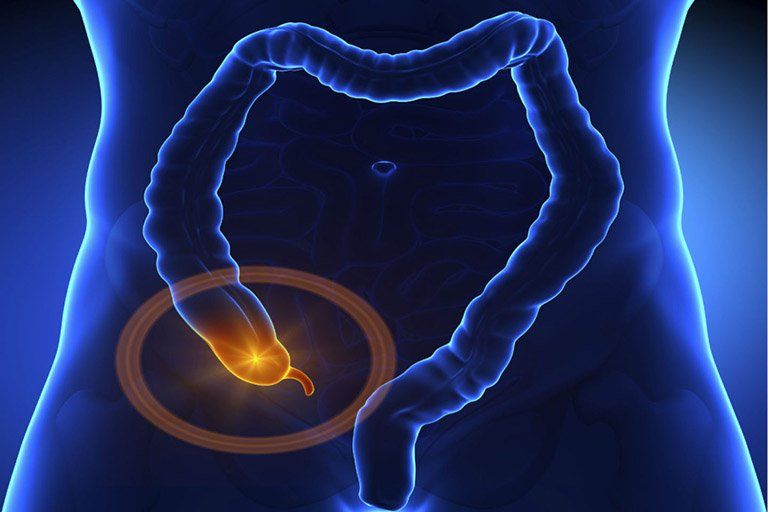
5. Rebound Tenderness
Rebound tenderness is a classic clinical sign. It occurs when pressing gently on the lower right abdomen causes mild discomfort, but releasing
the pressure quickly produces sharper pain.
Why this is significant:
This reaction suggests irritation of the peritoneum — the lining of the abdominal cavity — which often indicates advanced inflammation.
What to do:
Avoid repeatedly pressing on the area to “test” it. Instead, seek immediate professional evaluation.
Can Appendicitis Be Prevented?
Appendicitis cannot always be prevented because it often develops suddenly. However, certain dietary and lifestyle habits may help reduce
risk by supporting digestive health.
1. Eat a High-Fiber Diet
A fiber-rich diet promotes regular bowel movements and reduces the risk of fecal blockages, which are a common trigger for appendicitis.
Good sources of fiber include:
-
Whole grains
-
Fresh fruits
-
Vegetables
-
Legumes
-
Nuts and seeds
Low fiber intake can increase the likelihood of hardened stool (fecaliths) obstructing the appendix.
2. Stay Well Hydrated
Adequate water intake supports smooth digestion and prevents constipation.
General guidance:
Aim for 1.5–2 liters of water daily, adjusting based on activity level and climate.
3. Avoid Delaying Bowel Movements
Ignoring the urge to use the restroom can lead to constipation and increased intestinal pressure.
Develop consistent bathroom habits and respond to natural urges promptly.
4. Limit Highly Processed Foods
Diets high in processed, fried, and low-fiber foods may contribute to digestive sluggishness and inflammation.
Try to reduce:
-
Fast food
-
Deep-fried items
-
Sugary snacks
-
Highly refined carbohydrates
Prioritizing whole foods supports overall gastrointestinal health.
5. Schedule Regular Health Checkups
Routine medical care allows early identification of digestive issues and reduces the risk of overlooked infections.
This is especially important for individuals who:
-
Experience frequent abdominal discomfort
-
Have chronic constipation
-
Have a family history of appendicitis
When to Seek Emergency Care
Go to the emergency room immediately if you experience:
-
Severe lower right abdominal pain
-
Fever combined with vomiting
-
Rapidly worsening symptoms over 6–12 hours
-
A rigid, swollen abdomen
-
Significant rebound tenderness
Appendicitis can progress quickly. Early surgical removal of the appendix (appendectomy) is typically straightforward and prevents dangerous
complications.
Final Thoughts
Appendicitis is a condition that demands respect. While it may begin with symptoms that seem minor, it can escalate rapidly into a medical
emergency.
Listening to your body is critical. Persistent lower right abdominal pain, nausea, fever, and bloating should never be dismissed. Acting quickly
not only reduces complications but can be life-saving.
Although the appendix is small, its inflammation can carry serious consequences. Maintaining digestive health, staying hydrated, and seeking
medical care when symptoms arise are essential steps in protecting your well-being.
When something feels wrong, do not delay. Prompt medical evaluation is always the safest choice.