Warning: If This One Thing Appears on Your Pillow in the Morning, It Does NOT Automatically Mean Cancer — Doctors Urge Calm
Waking up and noticing something unusual on your pillow can trigger instant anxiety. A damp patch. Sweat marks. A small stain. Hair shedding. For many people, the mind immediately jumps to worst-case scenarios — especially when online headlines link simple symptoms to serious diseases.
But here’s the reality: not every unusual sign means cancer. In fact, most don’t.
Doctors frequently remind patients that context matters. One isolated symptom — especially something as common as sweat or hair on a pillow — is rarely enough to indicate a serious illness.
Let’s break this down clearly and calmly.

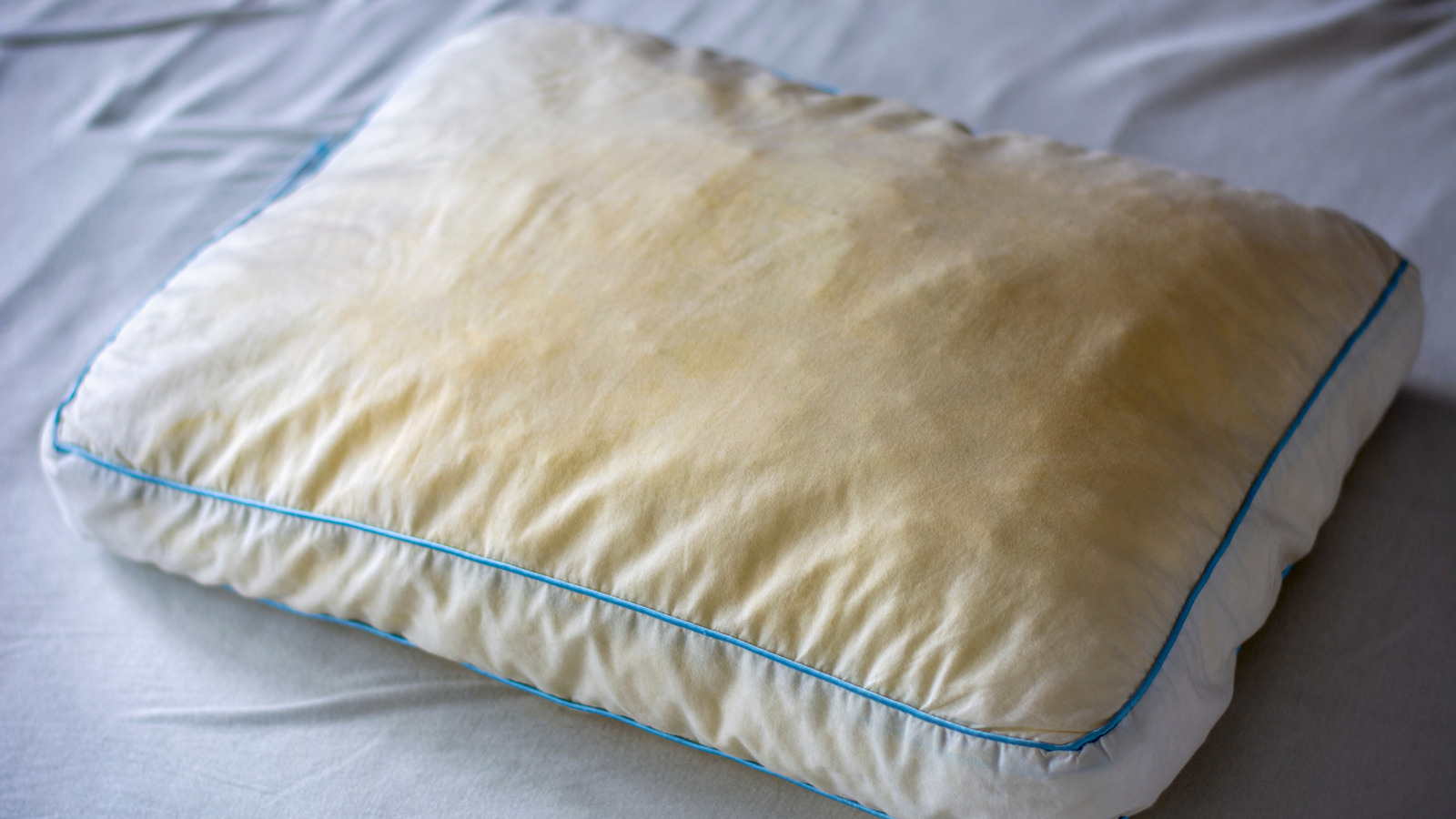

The “One Thing” That Causes Panic: Night Sweats
The most common concern is night sweats — waking up with damp pajamas, sheets, or pillowcases.
Night sweats can feel alarming. Some articles online associate them with cancer, particularly certain blood cancers like lymphoma. However, the key phrase doctors emphasize is this:
Night sweats alone do not diagnose cancer.
There are many far more common explanations.
Common and Harmless Causes of Night Sweats
1. Room Temperature and Bedding
Overheating is the most frequent reason. Thick blankets, memory foam mattresses, poor ventilation, or warm climates can cause excessive sweating.
2. Hormonal Changes
In women, menopause is one of the leading causes of night sweats. Hormonal fluctuations can trigger sudden heat waves during sleep.
In men, hormonal shifts, stress, or metabolic changes can also influence body temperature regulation.
3. Stress and Anxiety
The nervous system does not fully “turn off” at night. Chronic stress can increase adrenaline levels, leading to sweating during sleep.
4. Infections
Mild viral or bacterial infections can cause temporary night sweating as the immune system responds.
5. Medications
Certain drugs — including antidepressants, fever reducers, and blood pressure medications — can increase sweating.


When Night Sweats Might Need Medical Evaluation
Doctors recommend paying attention to patterns.
Seek medical advice if night sweats are accompanied by:
-
Unexplained weight loss
-
Persistent fever
-
Enlarged lymph nodes
-
Ongoing fatigue
-
Chronic cough
-
Pain that does not resolve
It is the combination of symptoms, not a single damp pillow, that raises concern.
What About Hair on the Pillow?
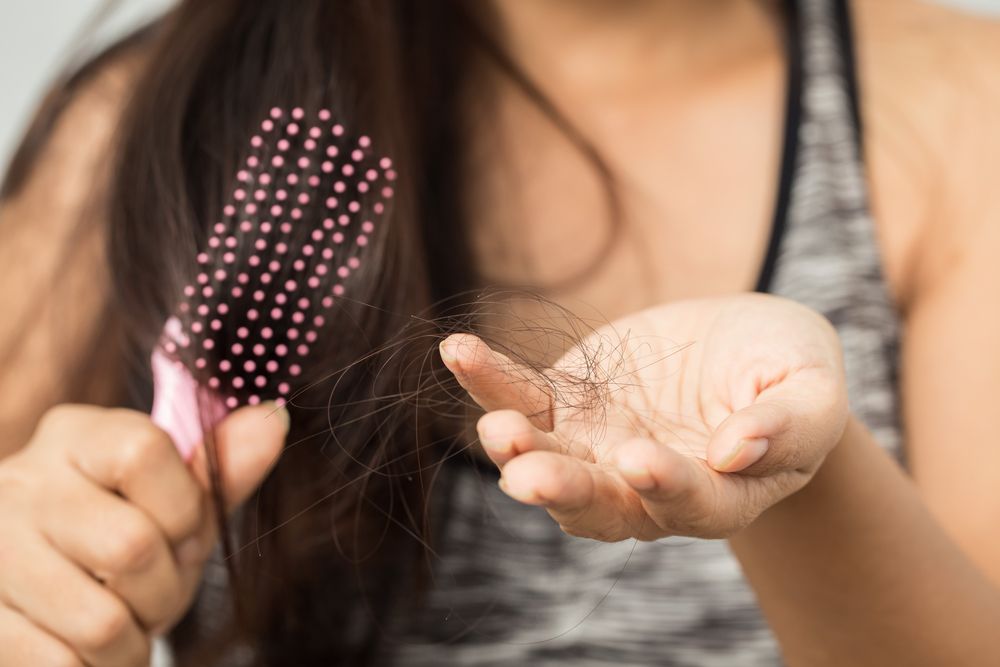
Another frequent fear involves noticing more hair than usual on the pillowcase.
Hair shedding can increase due to:
-
Seasonal changes
-
Stress
-
Nutritional deficiencies
-
Thyroid imbalance
-
Recent illness
-
Postpartum hormonal shifts
Temporary hair shedding (telogen effluvium) is common and usually reversible.
Sudden or extreme hair loss should be assessed — but mild shedding overnight is a normal biological process.


Understanding the Cancer Connection
It is true that some cancers — particularly lymphomas — may present with:
-
Drenching night sweats
-
Persistent fever
-
Unexplained weight loss
These are known as “B symptoms.”
However, these symptoms are typically:
-
Severe
-
Recurring
-
Accompanied by other systemic signs
A single episode of sweating does not meet that threshold.
Medical diagnosis relies on:
-
Physical examination
-
Blood tests
-
Imaging
-
Symptom history
Not on one isolated observation.
Why Panic Happens So Easily
Health anxiety is amplified by:
-
Sensational headlines
-
Social media algorithms
-
Anecdotal stories without context
When people read “night sweats linked to cancer,” they often skip the qualifiers: persistent, severe, combined with other red flags.
The human brain is wired to detect threats. But not every signal is a danger alarm.
What Doctors Actually Recommend
Instead of panic, they suggest:
-
Monitor frequency.
-
Track additional symptoms.
-
Check room temperature and bedding.
-
Stay hydrated.
-
Consult a physician if symptoms persist or worsen.
Objective data reduces unnecessary fear.
A Balanced Perspective
The body regulates temperature constantly. Sweating is a normal physiological process. Hormones fluctuate. Stress rises and falls. Environmental factors change.
A damp pillow one morning is far more likely to reflect normal physiology than a serious disease.
That said, ignoring persistent or escalating symptoms is not wise either. The key difference is between isolated events and consistent patterns.
When to Seek Immediate Care
Medical evaluation should not be delayed if there is:
-
Rapid weight loss without trying
-
Persistent high fever
-
Swollen lymph nodes that do not shrink
-
Severe fatigue interfering with daily life
-
Chest pain or difficulty breathing
These warrant professional assessment regardless of pillow observations.
Final Thoughts
Waking up to something unusual can be unsettling. But a single symptom — especially night sweats — does not automatically mean cancer.
Health awareness is important. So is rational interpretation.
Doctors consistently emphasize: look at the full picture, not one small clue.
Fear spreads quickly. Facts move more slowly — but they bring clarity.
If symptoms persist, consult a qualified healthcare professional for proper evaluation.
Most of the time, the explanation is simple.