6 Symptoms That May Signal Cancer Has Reached the Final Stage
When cancer progresses to its advanced or final stage (Stage IV), it often spreads to distant organs — a process known as metastasis. At this point, the disease affects multiple systems in the body, and symptoms may become more intense, persistent, and difficult to ignore.
It’s important to clarify: these symptoms do not automatically mean someone has terminal cancer. Many of them can appear in other serious or chronic illnesses. However, when several of these signs appear together — especially in someone already diagnosed with cancer — they may indicate advanced progression.


1. Severe and Persistent Fatigue
One of the most common symptoms in advanced cancer is overwhelming exhaustion that does not improve with rest.
This isn’t ordinary tiredness. It feels like:
-
Extreme weakness
-
Difficulty standing or walking
-
Loss of physical strength
-
Needing assistance with basic tasks
In late-stage cancer, fatigue happens because:
-
The body is fighting widespread disease
-
Organs may be under strain
-
Red blood cell levels may drop (anemia)
-
Nutritional intake decreases
This type of fatigue often worsens gradually and becomes constant.
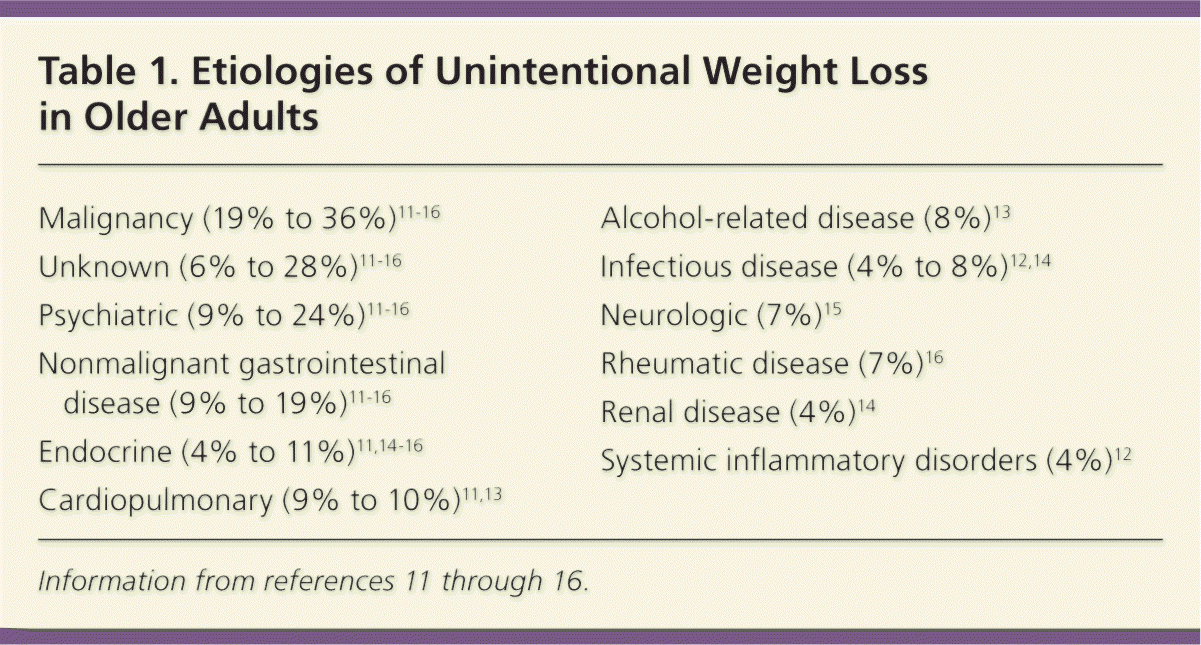
2. Unexplained and Rapid Weight Loss
Sudden weight loss — especially without trying — can be a serious red flag.
In advanced cancer, weight loss may occur due to:
-
Loss of appetite
-
Difficulty swallowing
-
Nausea and vomiting
-
Metabolic changes caused by tumors
Some patients develop cancer cachexia, a syndrome involving muscle wasting and fat loss. Even if eating small amounts, the body may struggle to maintain weight.
If clothing becomes loose quickly or muscle mass visibly declines, medical evaluation is critical.


3. Chronic and Severe Pain
Pain often becomes more pronounced in late-stage cancer.
The intensity and location depend on where the cancer has spread. For example:
-
Bone metastases may cause deep, aching pain
-
Liver involvement may cause abdominal discomfort
-
Lung spread may cause chest pain
-
Brain metastases may cause headaches
Pain that:
-
Worsens at night
-
Persists despite medication
-
Radiates to other areas
-
Interferes with sleep
should always be assessed by a medical professional.
Modern palliative care focuses heavily on pain control, so unmanaged pain should not be accepted as inevitable.
4. Shortness of Breath
Breathing difficulties can develop when cancer spreads to the lungs or when fluid accumulates around them (pleural effusion).
Symptoms may include:
-
Rapid breathing
-
Feeling unable to take a full breath
-
Wheezing
-
Persistent cough
Sometimes, oxygen support becomes necessary.
Shortness of breath is distressing and often signals advanced involvement of respiratory function.


5. Neurological Changes
If cancer spreads to the brain or affects metabolic balance, neurological symptoms may appear.
These can include:
-
Confusion
-
Memory loss
-
Personality changes
-
Seizures
-
Loss of coordination
-
Severe headaches
Family members often notice behavioral changes before the patient does.
Sudden neurological symptoms always require urgent medical evaluation.
6. Jaundice or Skin Changes
When cancer affects the liver, signs may include:
-
Yellowing of the skin and eyes (jaundice)
-
Dark urine
-
Itching
-
Swelling in the abdomen
Additionally, advanced cancer can cause:
-
Persistent skin lesions
-
Non-healing wounds
-
Changes in moles or pigmentation
Skin manifestations sometimes reflect deeper organ involvement.
What Does “Final Stage” Really Mean?
Stage IV cancer means the disease has spread beyond its original site. However:
-
Survival time varies greatly
-
Treatment options still exist
-
Quality of life care is a priority
-
Each individual case is different
Medical teams focus not only on extending life but also on maintaining dignity, comfort, and symptom relief.
When to Seek Medical Help
Immediate medical attention is necessary if there is:
-
Sudden breathing difficulty
-
Severe uncontrolled pain
-
Persistent vomiting
-
Loss of consciousness
-
Rapid mental confusion
Even in advanced cancer, supportive care can significantly improve comfort and stability.
A Critical Reminder
Online symptom lists can create fear. It’s important to avoid self-diagnosis.
These six signs may appear in:
-
Advanced infections
-
Organ failure
-
Autoimmune diseases
-
Severe chronic illness
Only imaging, laboratory testing, and clinical evaluation can determine the true cause.
Final Thoughts
Cancer in its advanced stage impacts the body systemically. Symptoms become more intense because multiple organs may be involved.
However:
-
Early palliative care improves quality of life
-
Pain and symptoms can be managed
-
Emotional and psychological support matter
-
Hope is not eliminated — it shifts toward comfort and meaning
Awareness is powerful. But professional diagnosis is essential.
If concerning symptoms persist, consult a qualified healthcare provider immediately.
Health information saves lives — but medical evaluation confirms reality.