Gout Is Becoming More Common — And Diet Plays a Major Role
Gout is no longer a “rare old disease.” It is now one of the most common forms of inflammatory arthritis worldwide. The condition develops when uric acid levels in the blood become too high, leading to the formation of sharp urate crystals in joints. These crystals trigger sudden, intense pain — often starting in the big toe.
If gout is not properly managed, attacks can become more frequent, joints can be damaged permanently, and complications may extend beyond the joints to the kidneys and cardiovascular system.
Diet is not the only cause of gout — genetics, kidney function, medications, and metabolic health all matter — but food choices significantly influence uric acid levels.
Below is a clear breakdown of foods people with gout should strictly limit or avoid, and why.


Understanding Why Certain Foods Trigger Gout
Uric acid is produced when the body breaks down substances called purines. Purines occur naturally in the body but are also found in many foods. When purine intake is excessive, uric acid levels can spike — especially if the kidneys cannot eliminate it efficiently.
The goal in gout management is to:
-
Reduce uric acid production
-
Improve uric acid excretion
-
Minimize inflammation
Diet directly influences the first two mechanisms.
1. Organ Meats — The Highest Risk Category
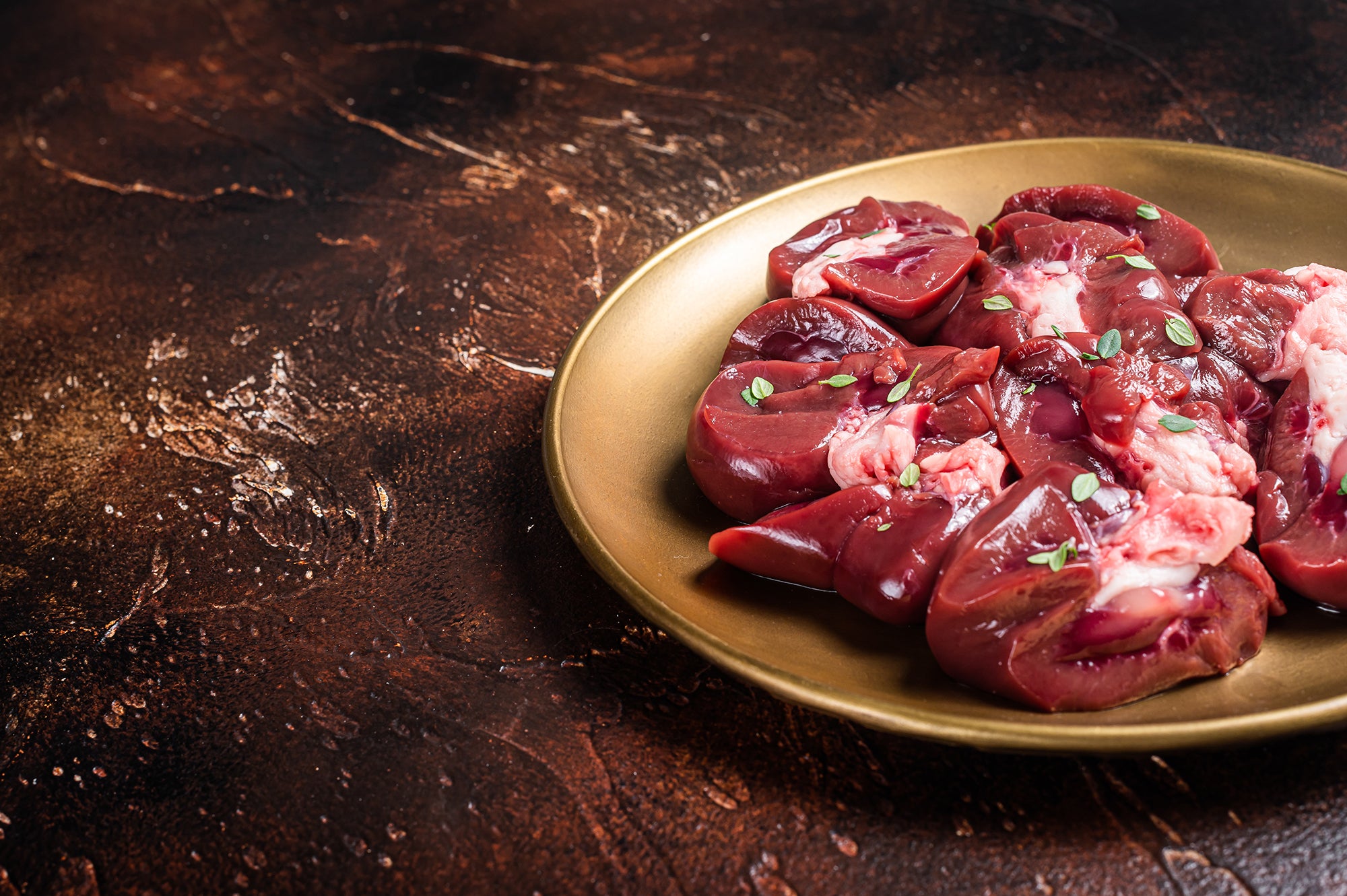
Organ meats are extremely high in purines. These include:
-
Liver
-
Kidney
-
Sweetbreads
-
Brain
Because these tissues are metabolically active, they contain concentrated purine compounds. Eating them can cause a rapid increase in uric acid.
For individuals with gout, organ meats are among the strongest dietary triggers.
2. Certain Seafood (Especially Shellfish and Oily Fish)
Not all fish is equally problematic, but several types are known to raise uric acid significantly.
High-risk seafood includes:
-
Anchovies
-
Sardines
-
Mackerel
-
Herring
-
Mussels
-
Scallops
-
Shrimp
These foods contain moderate to high purine levels and are frequently associated with flare-ups.
Lean fish in moderate portions may sometimes be tolerated, but during active gout attacks, seafood restriction is recommended.


3. Red Meat in Large Quantities
Beef, lamb, and pork contain moderate purine levels. Occasional small portions may be acceptable for some individuals under medical supervision, but frequent or large servings increase risk.
Processed meats — such as sausages and bacon — may also worsen inflammation due to high saturated fat content.
Excessive red meat intake has been linked to:
-
Increased uric acid production
-
Higher frequency of gout attacks
Moderation is critical.
4. Sugary Drinks and Fructose
This category surprises many people.
Beverages containing high-fructose corn syrup or added sugar — including soda and sweetened juices — significantly increase uric acid production.
Fructose metabolism in the liver generates uric acid as a byproduct. This makes sugary drinks one of the strongest dietary contributors to gout risk.
Studies show that individuals who consume large amounts of sugary beverages have a much higher incidence of gout.
Water is always the safest choice.
5. Alcohol — Especially Beer
Alcohol impairs the kidneys’ ability to eliminate uric acid. Additionally:
-
Beer contains purines from brewer’s yeast
-
Spirits can increase uric acid production
-
Excess alcohol promotes dehydration
Beer is particularly associated with gout attacks. Even moderate consumption can trigger flare-ups in sensitive individuals.
During active gout, alcohol avoidance is strongly recommended.



6. Highly Processed and Fatty Foods
While not always high in purines, processed foods rich in saturated fats can:
-
Increase systemic inflammation
-
Worsen metabolic health
-
Contribute to obesity (a major gout risk factor)
Obesity reduces the kidneys’ efficiency in eliminating uric acid.
Managing body weight is one of the most effective long-term strategies for gout control.
What Can People With Gout Eat?
Instead of focusing only on restrictions, it’s important to build a protective diet.
Generally safer choices include:
-
Low-fat dairy products
-
Whole grains
-
Vegetables
-
Fresh fruits (in moderation)
-
Nuts
-
Legumes (often safe despite moderate purine content)
Interestingly, most vegetables high in purines (such as spinach and asparagus) do not appear to increase gout risk significantly.