Hidden Danger: The Subtle but Serious Signs of High Cholesterol You Can Actually See
High cholesterol — often called the “silent killer” — typically develops slowly over years and usually does not cause obvious symptoms until serious health problems occur. That’s why regular blood testing is the gold standard for diagnosis. However, in some cases, your body can show subtle, visible clues on your skin, eyes, hands, face, and feet that may signal dangerously elevated cholesterol levels. Recognizing these signs early can prompt timely medical evaluation and potentially prevent more serious complications like heart disease and stroke.
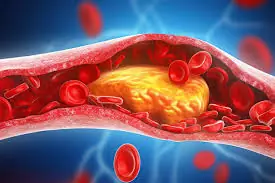
1. Yellowish Cholesterol Deposits (Xanthomas)
One of the most recognizable signs of high cholesterol is the appearance of small, yellow-tinted bumps or nodules (xanthomas) on the skin. These fatty deposits form when excess cholesterol leaks from the bloodstream into tissues under the skin. They are often painless but can be a red flag for elevated lipid levels.
-
Where they may appear:
-
Hands and fingers — yellowish bumps along tendons or skin creases
-
Elbows, knees, ankles, or feet
-
Around the eyes (xanthelasma) — soft, yellowish patches typically near the inner eyelid corners
-
These markers are more common in certain genetic conditions like familial hypercholesterolemia but can occur in anyone with long-standing high cholesterol.
2. Gray or White Ring Around the Eye (Arcus Senilis)
A pale gray or white ring that appears around the cornea of the eye — called arcus senilis — can sometimes be seen in people with high cholesterol, especially if it develops at a younger age. While this ring can be age-related in older adults, its early presence could indicate cholesterol deposits in the eye tissue.
3. Changes in Skin Color and Texture
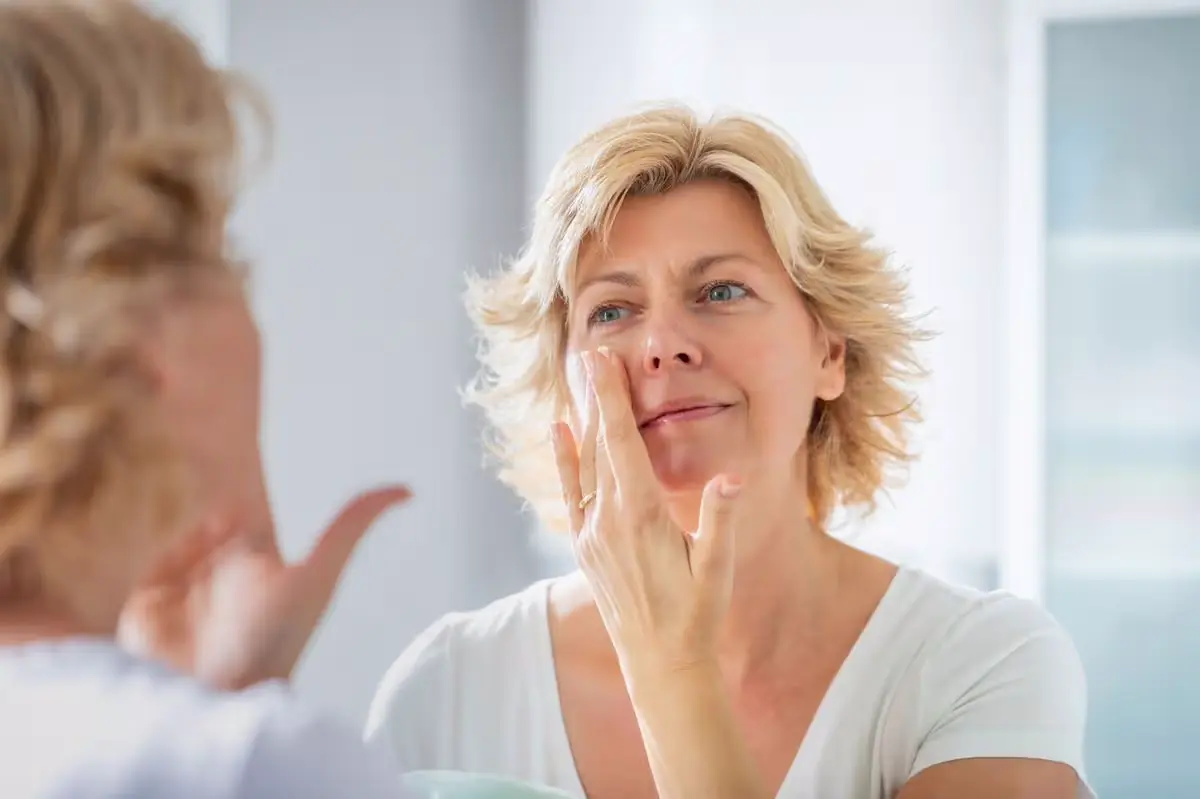
High cholesterol doesn’t just affect blood vessels — it can disrupt circulation and nutrient delivery to the skin. Poor blood flow may contribute to:
-
Pale, bluish, or sallow skin tones, particularly in the face or extremities
-
Slow-healing wounds or sores
-
Shiny or tight skin on the legs or feet due to poor circulation
These signs aren’t specific to cholesterol but, in combination with other clues, may warrant further investigation.
4. Numbness, Tingling, or Cold Extremities
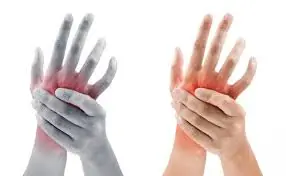
While not strictly visual, sensations like numbness, tingling (“pins and needles”), persistent coldness, or reduced feeling in the hands and feet can reflect poor circulation caused by clogged arteries and cholesterol buildup. These symptoms may accompany visible signs such as xanthomas.
5. Other Subtle Indications
In some individuals, other less-common physical clues can include:
-
Loss of grip strength or unusual sensitivity in the hands due to impaired circulation
-
Discoloration or rash-like clusters on skin surfaces related to lipid metabolism disorders
-
Varicose vein changes aggravated by compromised blood flow
Why It Matters
High cholesterol is a major risk factor for heart disease, stroke, and peripheral vascular disease. But because many people show no symptoms until serious damage has occurred, these visible signs can serve as early warnings worth paying attention to. Seeing any of these indicators should prompt a conversation with a healthcare provider about cholesterol testing and heart health screening.
Remember: many of these physical clues are not definitive proof of high cholesterol on their own. Only a blood lipid panel — which measures LDL (“bad” cholesterol), HDL (“good” cholesterol), total cholesterol and triglycerides — can confirm your levels. Regular check-ups, healthy diet choices, exercise, and medications when prescribed can help manage cholesterol and reduce cardiovascular risk.
References
Sources used for this article include health publications and medical information from NDTV, Times of India, Healthline, Artemis Hospitals, and other expert resources.