Food safety has always been a major concern, yet many people still underestimate the potential risks hidden in everyday meals. Some foods—especially those that are raw, undercooked, or improperly prepared—can contain parasites that may enter the human body without obvious warning signs. While such risks are often exaggerated online, experts agree that awareness and proper food handling are essential for maintaining good health.
Parasites are organisms that live on or inside another living host, including humans. They can be found in soil, water, and even certain foods. In most cases, proper cooking and hygiene effectively eliminate these organisms. However, when foods are consumed raw or poorly cleaned, there is a greater chance that parasites may be present.
Why Some Foods Carry Higher Risk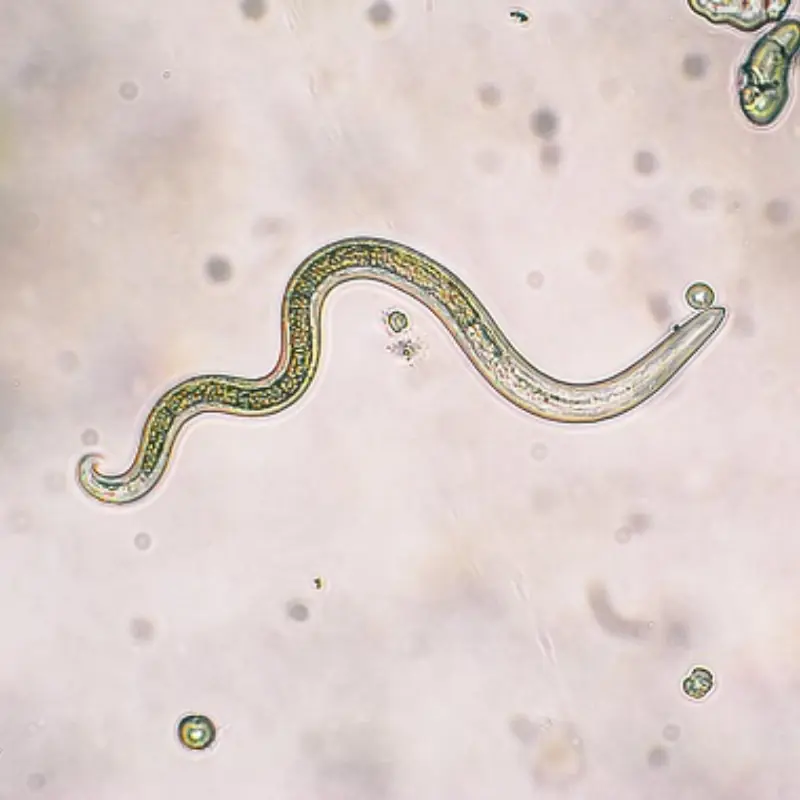
Certain food categories are more likely to harbor parasites than others. Raw seafood, unwashed vegetables, and improperly processed animal products can sometimes carry microscopic organisms. In some regions, traditional dishes include raw or lightly cooked ingredients, which increases potential exposure if strict hygiene standards are not followed.
Imported or street foods may also pose risks if storage and preparation conditions are uncertain. For example, produce grown in contaminated soil or irrigated with untreated water can pick up parasites long before it reaches the market. Once on the surface of a food item, these organisms can survive unless properly removed or destroyed through cooking.
It is important to note that not every piece of food contains parasites, and modern food safety systems have significantly reduced the risk in many parts of the world. Still, experts emphasize that consumers should remain cautious rather than complacent.
Common Misconceptions About Parasites in Food
Social media often amplifies alarming claims, suggesting that a single bite of certain foods can introduce massive numbers of parasites into the body. While contamination is possible, such statements are usually exaggerated. Most infections occur due to repeated exposure, poor sanitation, or lack of proper cooking rather than a single serving.
Health professionals stress that context matters. The likelihood of exposure depends on factors such as food origin, preparation methods, and personal hygiene. For instance, thoroughly washing vegetables and cooking meat to safe temperatures dramatically reduces any potential risk.
Instead of fear, experts encourage informed choices. Understanding how contamination happens—and how easily it can be prevented—empowers people to enjoy a wide variety of foods safely.
Signs of Potential Contamination
Although many parasite exposures may not cause immediate symptoms, some individuals might experience digestive discomfort, fatigue, or other mild issues. These symptoms can also reduce as the body naturally responds or after medical treatment if needed.
However, most cases linked to food can be avoided through simple preventive steps. Maintaining a clean kitchen environment and practicing safe food preparation habits remain the most effective defenses.
Practical Tips for Safer Eating
Consumers can significantly reduce parasite-related risks by following a few straightforward guidelines:
Wash thoroughly:
Always rinse fruits and vegetables under clean running water before eating or cooking. Peeling or soaking may provide additional protection.
Cook properly:
Ensure that meat, seafood, and other animal products are cooked to recommended temperatures. Heat effectively eliminates most parasites.
Store food safely:
Remember to refrigerate perishable items promptly and avoid leaving cooked food at room temperature for long periods.
Choose trusted sources:
Buy food from reputable vendors or markets with good hygiene standards. When traveling, be cautious with unfamiliar dishes that may be raw or undercooked.
Practice kitchen hygiene:
Clean utensils, cutting boards, and hands regularly to prevent cross-contamination between raw and cooked foods.
Awareness Without Panic
While the idea of parasites in food may sound alarming, the reality is that modern food safety practices make serious exposure relatively uncommon. Education and mindful habits are the most effective ways to protect yourself and your family.