Since you got lucky, you’ll help us deal with the debts. — My mother-in-law decided her daughter-in-law’s inheritance was the family’s emergency fund
Since you got lucky, you’ll help us deal with the debts. — My mother-in-law decided her daughter-in-law’s inheritance was the family’s emergency fund
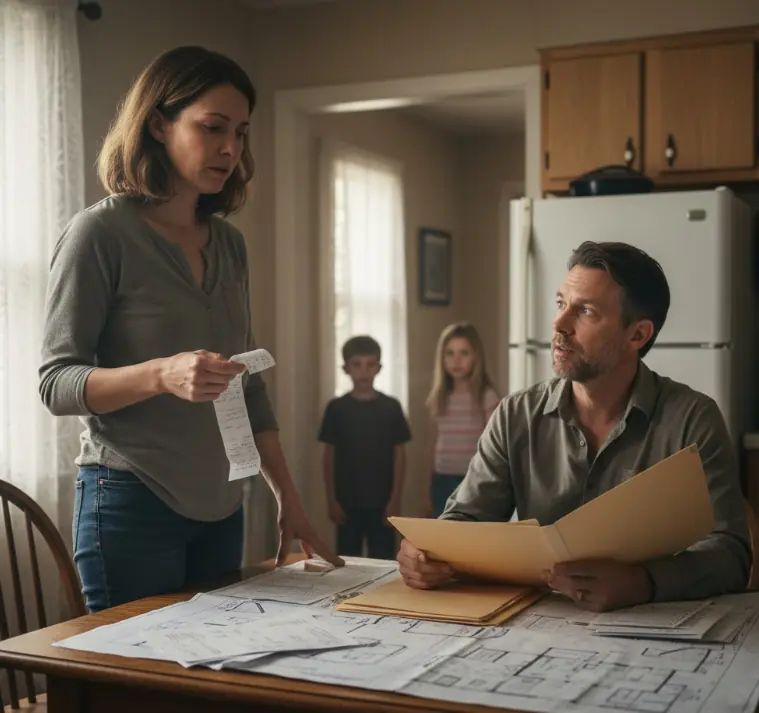
Polina stared at the receipt in her banking app and felt the muscles in her face tighten. Another loan payment. Vladimir had sent money to his mother again—third time in two months. Polina knew the number by heart: twenty-three thousand. Nearly half of her husband’s paycheck was vanishing into that bottomless pit.
“Volodya,” she called from the kitchen. “Did you transfer money again?”
He appeared in the doorway, drying his hands with a towel.
“Yeah. Why?”
“We agreed we were saving for a car. Payday is still two weeks away, and there’s barely anything left in the account.”
Vladimir’s expression hardened.
“Polya, you know what’s going on. Mom and Lena are in debt. We have to help.”
“But this is the third time in a row.” Polina snapped her laptop shut. “We’re barely getting by ourselves. Volodya, we need money too.”
“They’re my family,” he said, sitting down at the table. “I can’t just refuse.”
Polina didn’t answer. There was no point arguing. Vova always chose his family—more precisely, his mother, Raisa Ivanovna, and his sister, Elena. The two of them lived in a constant cycle of credit, shopping, and new loans, paying off one debt with another and always counting on Vladimir to rescue them.
It had been like this for about three years—since the very beginning of their life together. Polina had learned to save, to count every ruble, to deny herself anything extra. A new blouse? No, too expensive. A trip to the sea? No, we’re saving. A restaurant dinner for their anniversary? Also no—Raisa Ivanovna needed help with another payment.
Polina tried to stay out of it. It was Vladimir’s family, his mess. She kept the home running—cooked, cleaned, put away whatever she could from her modest salary. Quiet, careful, invisible. She didn’t interfere.
And then Aunt Vera died—her mother’s younger sister, who had lived her entire life in Rostov. Childless and alone. Polina saw her maybe once every five years, but the woman remembered her. And she left a will: a two-room apartment in the city center and two million rubles. Just like that. An inheritance.
Polina learned about it from a notary. They called, invited her in, explained everything. She came home in a kind of numb haze. Two million. She had never seen that kind of money in her life. She couldn’t even picture it.
“Vova… Aunt Vera died,” Polina told her husband that evening. “I inherited her apartment. And money.”
Vladimir lifted his head from his phone.
“Seriously? How much?”
“Two million. Cash.”
He whistled.
“Wow. Lucky you.”
“Yeah…” Polina sat down next to him. “I still don’t know what I’m supposed to do with it all.”
“Well, you could rent the apartment out,” Vladimir said thoughtfully. “That would be income. And the money… we can put some aside and invest some.”
Polina nodded. It sounded reasonable. They talked a little longer, let themselves dream. Vladimir hugged her and said he was happy for her. And that was the end of it.
But the next day, Raisa Ivanovna called.
“Polinochka, hello, my dear,” her mother-in-law cooed in a syrupy voice. “Volodya told me about your inheritance.”
“I was thinking—why don’t you come by for tea? It’s been ages. We’ll have a nice talk.”
Polina immediately tensed. Raisa Ivanovna never invited her for tea just because. There was always a reason—usually one involving money.
“I’m not sure… I have things to do…”
“Oh, come on,” her mother-in-law waved it away. “Find an hour. I’ll bake a pie. Tomorrow at three.”
Polina couldn’t say no. The next day, exactly at three, she stood at her mother-in-law’s door. Raisa Ivanovna opened it with a wide smile.
“Come in, come in, Polinochka. Take off your coat.”
The room smelled of fresh baking. An apple pie really was on the table. Raisa Ivanovna poured tea, chattered about neighbors and local gossip. Polina listened with half an ear, waiting for the hidden agenda.
“So,” her mother-in-law finally asked, biting into the pie, “how are you, sweetheart? Have you finalized the inheritance?”
“The paperwork is still being processed,” Polina answered. “In a couple of weeks, everything should be done.”
“Good, good,” Raisa Ivanovna nodded. “You know, I keep thinking what a wonderful girl you are. At your age—an apartment and money already. That’s a big responsibility.”
“Probably,” Polina said, finishing her tea.
“And have you decided what you’ll do with the money?”
“Not yet. Vova says to save some and invest some.”
“Invest,” her mother-in-law repeated. “Right. But where to invest—that’s the question. You know, Polinochka, I was thinking… our family has such debts right now. The banks keep calling, interest keeps piling up. Lena and I are exhausted.”
There it was. Polina tightened her grip around her cup.
“Raisa Ivanovna… those are your debts.”
“Our debts?” Raisa Ivanovna frowned. “We’re family. Volodya helps us regularly. If we paid everything off at once, it would be easier for everyone. He wouldn’t have to send money every month. He’d finally have breathing room.”
“But that’s my inheritance,” Polina said quietly. “From my aunt.”
“So what if it’s from your aunt?” Raisa Ivanovna set her cup down. “You’re married to my son. That means it’s family money. Families help each other.”
Polina stood up.
“Raisa Ivanovna, I’ll think about it.”
“Think, think,” her mother-in-law stood too. “Just remember: family comes first. We accepted you like our own. We helped you, advised you. Now it’s your turn to repay that debt.”
Polina left with a heavy weight in her chest. All evening she kept replaying the conversation in her head. Vladimir asked what was wrong, but she brushed him off. She wasn’t ready to talk yet.
Raisa Ivanovna didn’t back off. She called every day, asking if Polina had “thought it over.” She hinted that money shouldn’t just sit there. That the family needed it. That Vladimir was tired of helping all the time. That the sensible thing was to clear the debts once and for all and finally live in peace.
Elena joined in too. A week later, Vladimir’s sister called.
“Polya, hi,” Elena’s voice was tight. “How are you?”
“Fine,” Polina said.
“Listen—did Mom talk to you about the debts?”
“She did.”
“And? Are you going to help?”
Polina exhaled.
“Lena, that’s my money. My inheritance. I’m not obligated to spend it on your debts.”
“Not obligated?” Elena raised her voice. “And who helped you when you came into our family? Who taught you how to cook borscht, how to talk to Vova? Mom invested time in you. And now you’re refusing us?”
“I didn’t ask anyone to teach me borscht,” Polina shot back. “And I’ll handle my relationship with Vova myself.”
“You know what?” Elena snorted. “You’re just greedy. You got lucky and now you’re acting superior. Selfish.”
Polina hung up. Her hands were shaking. Anger rose from deep inside her—hot, burning. They weren’t even asking. They were demanding, as if it were their money.
Vladimir came home late. Polina sat at the kitchen table with tea, staring out the window.
“Why are you so down?” he asked, sitting across from her.
“Lena called. She demanded money to cover their debts.”
Vladimir was quiet for a moment.
“Polya… you understand what’s happening. They really are struggling. If we paid it all off at once, it would get easier.”
“Volodya, it’s my inheritance.”
“I know. But we’re family. Is it really so bad to help?”
Polina looked him straight in the face.
“And what do you think—am I supposed to give them the money?”
He avoided her eyes.
“Well… it would be the right thing. Mom does so much for us. And I wouldn’t have to send money every month.”
“So you’re on their side.”
“I’m not taking sides,” he said quickly, holding up his hands. “I’m just being honest. If you can help, why not?”
“Because it’s my money, Vova. From my aunt—someone your family didn’t even know.”
“But you’re my wife.”
“And what does that mean?” Polina’s voice sharpened. “That everything I have automatically becomes ‘ours’?”
Vladimir stood up.
“Forget it. If you don’t want to help, fine. Just know this—Mom’s right. Family matters more than money.”
He walked into the other room. Polina stayed in the kitchen, sitting perfectly still. Something inside her tightened and went cold. Vladimir had chosen a side. Like always.
A couple of days later, Raisa Ivanovna showed up in person. She rang the bell and walked in without waiting to be invited. Vladimir wasn’t home—he was at work.
“Polinochka, we need to have a serious talk,” her mother-in-law declared, taking off her coat.
“Raisa Ivanovna, I’m busy…”
“Five minutes,” the woman cut her off. “No more.”
She marched into the living room and sat down on the couch. Polina remained standing.
“Listen carefully,” Raisa Ivanovna began. “I’m not stupid—I can see you don’t want to help. But this isn’t about what you want. It’s about what’s right. The apartment—fine, keep it. We’re not against it. But the money has to go to the debts. All of them. That’s fair.”
“Why is that fair?” Polina crossed her arms.
“Because we’re family. Because Volodya is my son. Because you live with him, which means you should think about us too. Since you got lucky, you’ll help.”
Polina drew a slow breath.
“Raisa Ivanovna, it’s my inheritance. By law it belongs to me alone. I have the right to do whatever I want with it—and I’m not going to spend it on someone else’s debts.”
Her mother-in-law shot to her feet.
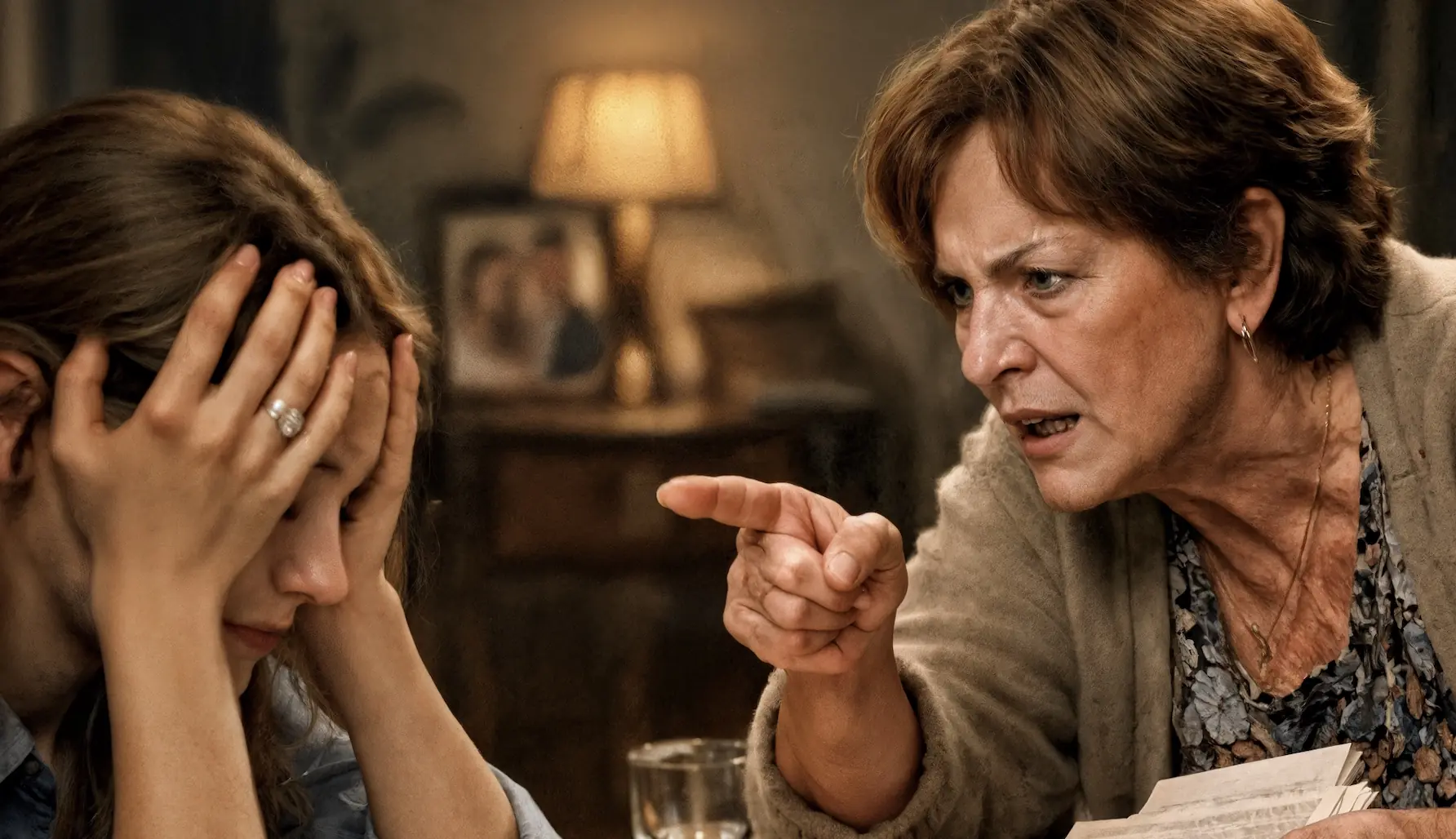
“Someone else’s?! Someone else’s?! My son helps us every month, and you call us ‘someone else’?!”
“Volodya does that by his own choice,” Polina said firmly. “I never asked him to. And you don’t have the right to demand the same from me.”
“No right?” Raisa Ivanovna stepped closer. “I took you in like a daughter! I taught you, guided you, helped you! And now you refuse when we’re in trouble?”
“I don’t owe you anything,” Polina didn’t back down. “That money is mine, and I’m not giving it to you.”
Raisa Ivanovna pressed her lips into a thin line.
“Fine. We’ll see what Volodya has to say.”
She snatched up her coat and stormed out, slamming the door. Polina leaned against the wall, her heart pounding. For the first time in all these years, she had said “no” out loud. And it terrified her.
That evening, Vladimir came home grim and cold. He didn’t even say hello. He walked into the room, tossed his bag onto a chair, then turned to her.
“Mom called,” he said. “Told me about your little conversation.”
“And?”
“Polya, have you lost your mind? How did you talk to her?”
“Normally. I told the truth.”
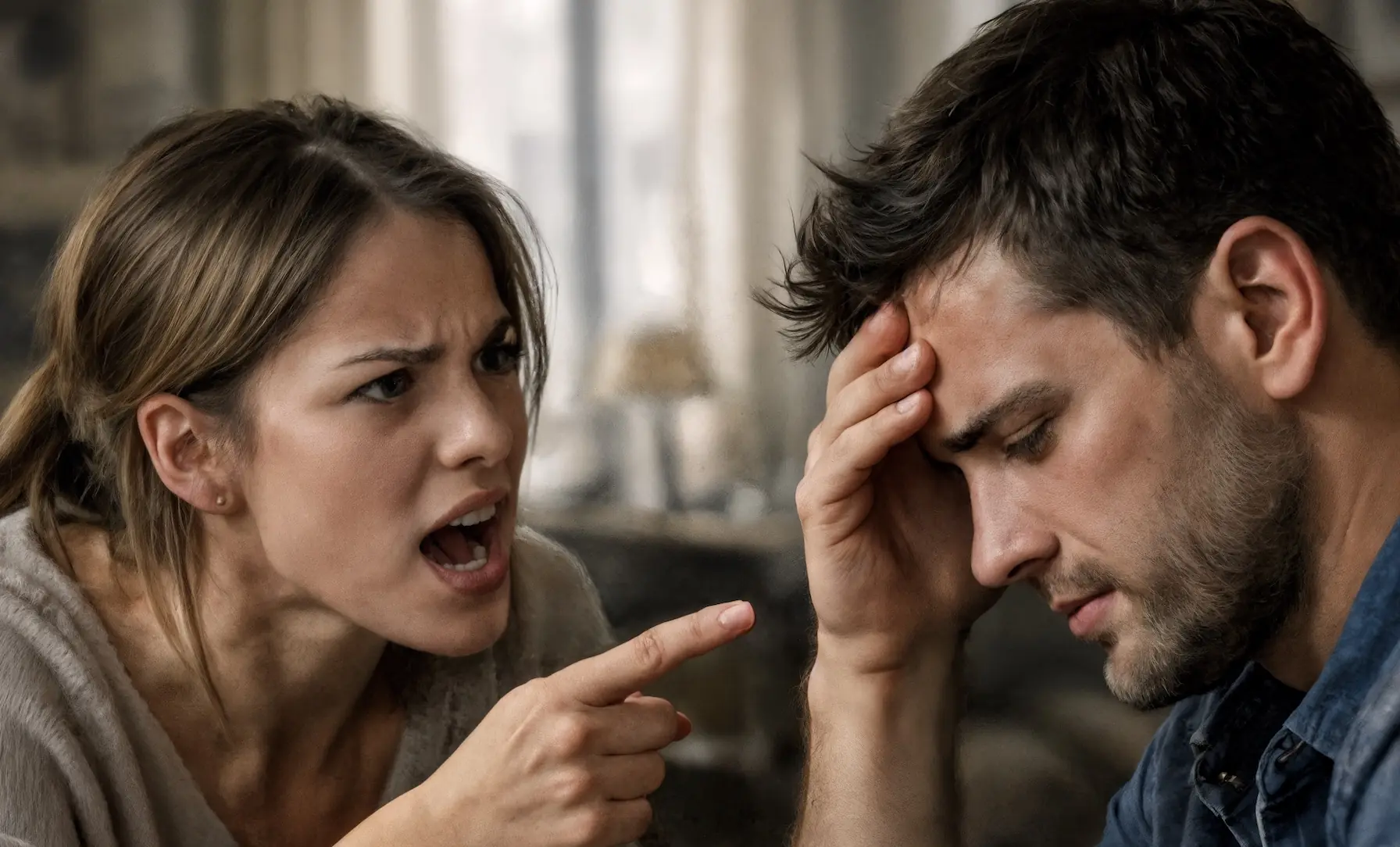
“The truth?” Vladimir’s voice rose. “You called my family strangers! You refused to help!”
“Because you’re demanding something you have no claim to,” Polina snapped back. “It’s my inheritance, Volodya! Mine!”
“You’re my wife!” he shouted. “That means it’s ours—family money!”
“No, it’s not ours!” Polina shouted. “I got it through a will. Legally it’s mine alone!”
“Legally, legally,” Vladimir mocked. “And what about being human? As a human being, you help your family!”
“Your family. Not mine!”
Vladimir stepped toward her.
“Listen to me. Either you give the money, or—”
“Or what?” Polina held his gaze.
“Or we split up. I can’t live with someone who spits on my family.”
“I’m not spitting on your family,” Polina said quietly. “I’m refusing to pay for your debts—the ones you took without me and without my consent.”
“So you refuse?”
“Yes. I refuse.”
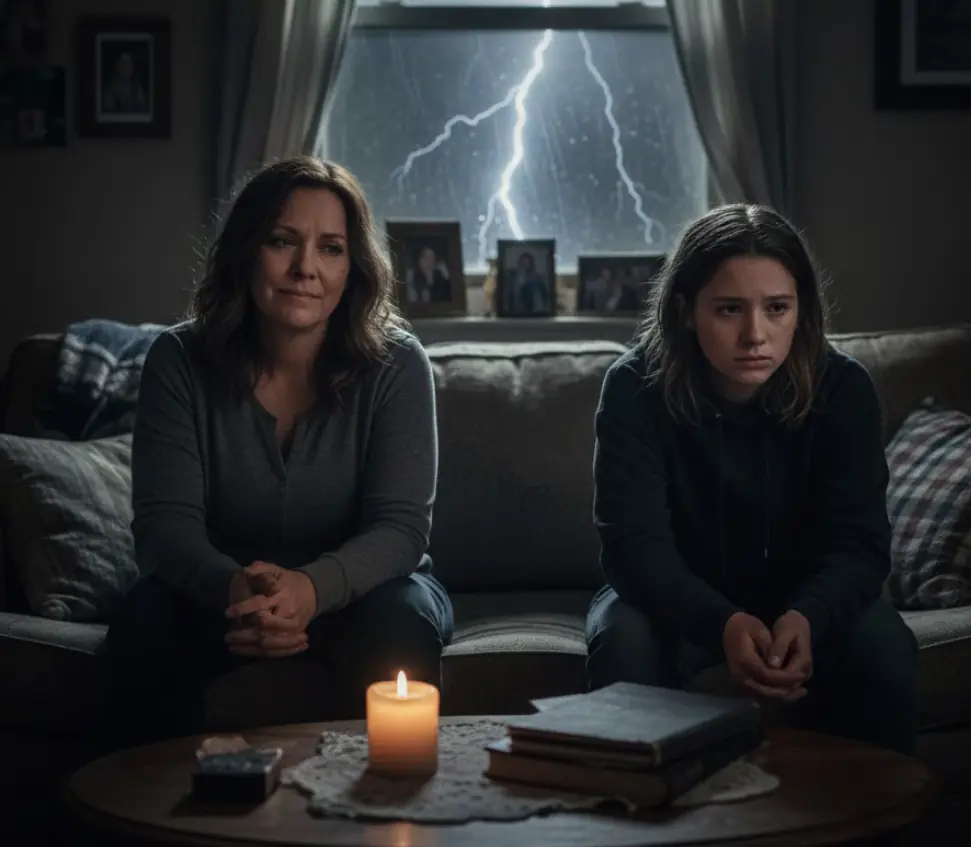
Vladimir turned and walked out. The stairwell door slammed. Polina stood alone in the middle of the room. Inside her, everything was empty—strangely empty. As if something important had ended and she hadn’t even had time to understand it.
He didn’t come back that night. Polina lay in bed staring at the ceiling. Her phone stayed silent. Vladimir didn’t call. He didn’t text.
In the morning she got up, washed her face, got dressed. The decision came on its own—clear and sharp. Polina pulled out a suitcase and began packing: clothes, documents, makeup—everything that belonged to her. She moved quickly, methodically. No tears. No hysterics. Just packing.
Vladimir showed up in the afternoon. He saw the suitcases in the entryway and froze.
“What are you doing?”
“Leaving,” Polina answered calmly. “Going to the apartment my aunt left me.”
“You’re serious?”
“Completely.”
He walked into the room and looked around. The shelves were bare, the closet stood open.
“Polya, wait. Let’s talk.”
“About what?” She zipped her suitcase. “About your mother treating my inheritance like a family reserve? Or about you giving me an ultimatum?”
Family Relationship Counseling
“I overreacted,” Vladimir rubbed his face with both hands. “I’m sorry. I shouldn’t have said it like that.”
“It’s too late, Volodya.”
“Polya, you know Mom’s just scared. They have debts, problems…”
“Their debts, their problems,” Polina cut in. “Not mine. I’m not obligated to fix it with my money.”
“But we’re husband and wife…”
“We were,” she corrected him. “We were husband and wife. I’m filing for divorce on Monday.”
Vladimir went still.
“You can’t just leave like this.”
“I can. And I am. Volodya, in these years I’ve understood one thing: your mother matters more to you than I do. Always. In every situation, you choose her side. And I’m tired of being second.”
“That’s not true…”
“It is,” Polina said firmly. “And I’m done living like that.”
She grabbed her suitcases and headed for the door. Vladimir stood silently, not even trying to stop her. At the threshold, Polina turned back.
“You know, your mother said, ‘Since you got lucky, you’ll help.’ But I don’t believe I owe help to people who live on debt for years and demand others solve their problems. That isn’t help. It’s blackmail.”
“Polina…”
“Goodbye, Volodya.”
She walked out and closed the door behind her. She went down the stairs, called a taxi, got in, and headed to the station.
Aunt Vera’s apartment was bright and airy. Two windows faced a park, and the rooms smelled clean and fresh. Polina set her suitcases by the wall and walked through the rooms. Her aunt must have been a tidy woman—everything was spotless, the furniture in good condition.
Polina opened a window and let in fresh air. Strangely, she felt no heaviness, no regret—only lightness, as if a weight she’d carried for years had finally slid off her shoulders.
That evening, her phone rang. Vladimir.
“Polya, let’s meet. Let’s talk properly.”
“There’s nothing to talk about, Volodya.”
“How can there be nothing? We lived together for three years.”
“We did. Now we live separately.”
“I thought you’d cool down and change your mind.”
“No,” Polina said, watching the streetlights flicker on outside. “I won’t. I’m filing for divorce on Monday. You chose your mother’s side against me. You think it’s normal to demand my inheritance for your debts. I was never your priority.”
Vladimir was silent.
“Fine. If that’s what you want.”
“Goodbye, Volodya.”
Polina ended the call. That was it. It was over.
Raisa Ivanovna tried calling a couple more times, demanding a meeting and explanations. Polina didn’t pick up. Then Elena sent a long message full of accusations. Polina read it and deleted it without replying.
The divorce was finalized in two months. Vladimir didn’t fight it, didn’t demand anything. He simply signed the papers. At their last court meeting, he walked up to her.
“Do you really not regret it?”
“No,” Polina answered honestly. “I don’t.”
“Mom says you will. You’ll end up alone with money, and what good will it do?”
Polina gave a short, dry laugh.
“Volodya, tell your mother this: I’d rather be alone with money than married to a man who can’t protect his wife from his own family.”
Vladimir turned away and left. They never saw each other again.
Polina settled into her own apartment. The money Aunt Vera had left sat untouched in her account. She opened her laptop and began researching investment options. She decided to set some aside and use some to start a small business. She’d always dreamed of opening something of her own.
A week after the divorce, her friend Katya came over for tea.
“So how are you?” Katya asked, pouring herself a cup.
“Okay,” Polina smiled. “Actually… good.”
“Really? I thought you’d be falling apart.”
“No. You know what I realized? All these years I wasn’t living my own life. I saved on everything, tolerated my mother-in-law’s nonsense, stayed quiet when Vova sent money. But why? To keep a marriage that existed only because I kept giving in?”
“That’s not how it should work,” Katya agreed. “If one person always gives and the other only takes—that’s not a family.”
“Exactly,” Polina said, taking a sip. “And when the inheritance showed up, it became obvious: they saw me as a source of money. Not a wife, not a person—just a wallet.”
“So what now?”
“Now I live,” Polina said, smiling. “I’m planning to open a small florist studio. I’ve always loved it, but I never had time. Now I have time—and money—and I actually want to.”
Katya hugged her.
“Good. You did the right thing leaving.”
“I know,” Polina nodded.
That evening, Polina stood on the balcony and looked out over the city—lights, cars, people. Life went on. And now it was her life—without Vladimir, without Raisa Ivanovna, without constant pressure and demands.
She thought about Aunt Vera. A woman she barely remembered had left her more than an apartment and money. She had left her a chance to begin again—to break free from a toxic situation and finally live for herself.
Her phone buzzed. A message from an unknown number. Polina opened it. Raisa Ivanovna.
“You’ll regret it. Women like you always do. You’ll end up alone and nobody will need you.”
Polina deleted the message and blocked the number. No. She wouldn’t regret it. Because being alone isn’t the scary part. The scary part is living with people who only see you as something useful—people who will demand, pressure, and threaten just to get what they want.
Polina went back inside and opened her laptop. On the screen was the business plan for her flower studio. She smiled and started typing.
Her real life was only just beginning—her own, genuine, and free.
“Did you do that on purpose—did you not tell me about the call?!” Rita shouted. “I missed the interview of my entire life because you ‘forgot,’ Anton?!
“My ex said, ‘We’ve got nowhere to live with my new wife, let us stay at your summer house.’ I let them in… then I called the police and filed a report for breaking and entering.”
“Did you do that on purpose—did you not tell me about the call?!” Rita shouted. “I missed the interview of my entire life because you ‘forgot,’ Anton?!
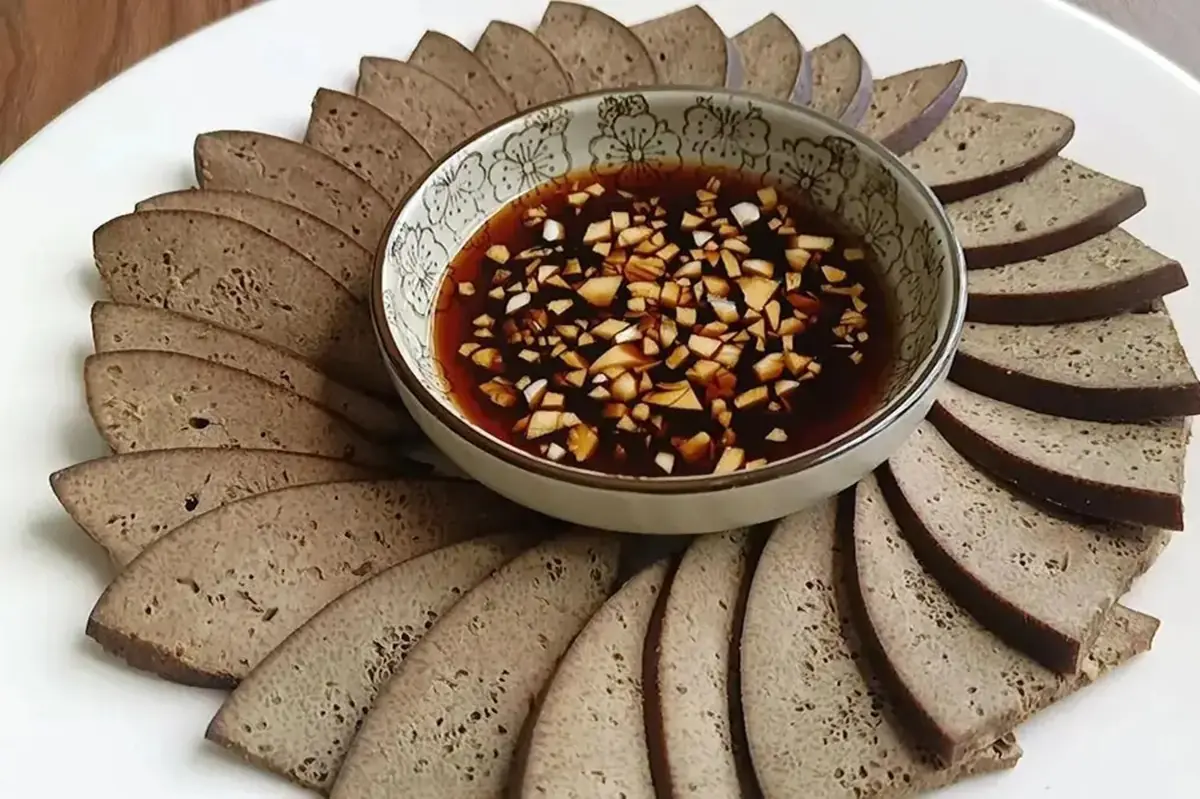
There is a part of the pig that many people avoid or discard, thinking it’s unhealthy—yet it is exceptionally rich in nutrients, especially iron, protein, and vitamins.