Drooling during sleep is one of those small, awkward human experiences most people don’t talk about. It’s easy to laugh off as a minor inconvenience or blame on sleeping too deeply. But according to sleep and neurological research, nighttime drooling can actually reveal quite a bit about what’s happening inside your brain and body while you rest.
Although it’s usually harmless, persistent drooling during sleep can be connected to sleep cycles, breathing patterns, muscle control, and even neurological health. Understanding the reasons behind it can help you see whether it’s just a normal body response—or something worth paying closer attention to.
The Brain and Sleep: Why Drooling Happens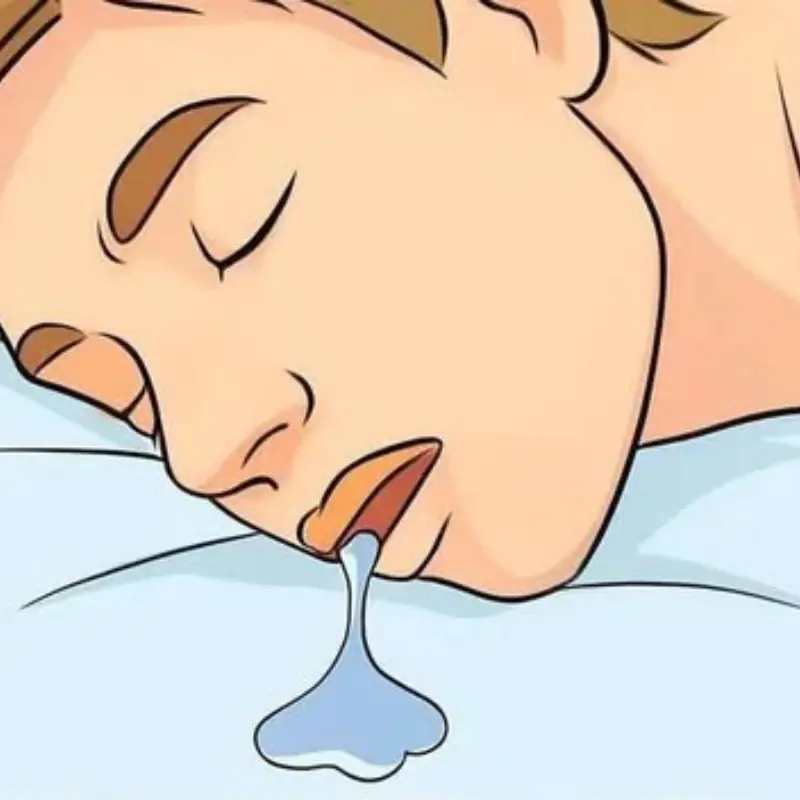
Your brain plays the central role in controlling saliva production and swallowing. During the day, your brain constantly signals your throat muscles to swallow excess saliva without you even thinking about it. This automatic reflex keeps saliva from pooling in your mouth.
When you fall asleep, however, your body relaxes deeply—including the muscles responsible for swallowing. As your brain transitions into different sleep stages, especially deep sleep, swallowing reflexes slow down significantly. If your mouth opens while you’re sleeping, saliva can accumulate and eventually escape, leading to drooling.
In many cases, drooling simply means your brain has entered a deep and restful stage of sleep. During deep sleep, muscle tone throughout the body decreases, which can cause the jaw to relax and the mouth to open. This is one reason why people who drool at night are often experiencing very deep rest.
Sleep Position Matters
One of the biggest factors influencing nighttime drooling is your sleeping position. People who sleep on their side or stomach are far more likely to drool than those who sleep on their back. Gravity naturally allows saliva to flow out of the mouth when the face is turned sideways or downward.
Back sleepers may still drool, but it’s less common because saliva tends to stay in the mouth and be swallowed naturally. If you notice drooling happens mainly when you sleep on your side, it’s usually not a cause for concern—just a physical response to posture.
Breathing Patterns and the Brain
Your brain also regulates breathing during sleep. When nasal passages are blocked due to allergies, a cold, or sinus congestion, your brain may shift your breathing from the nose to the mouth. Mouth breathing increases the chance of drooling because the mouth remains open for extended periods.
Snoring and sleep apnea can also play a role. In these cases, the brain repeatedly adjusts breathing patterns throughout the night. These disruptions may reduce swallowing frequency and allow saliva to build up, leading to drooling.
If drooling is accompanied by loud snoring, gasping during sleep, or daytime fatigue, it may be worth paying closer attention to your sleep quality.
Neurological Signals to Watch
While most drooling during sleep is harmless, excessive or sudden changes can sometimes point to neurological issues. The brain controls muscle coordination, including the muscles of the face and throat. If those signals are disrupted, saliva control may be affected.
Conditions that impact nerve or muscle control can sometimes lead to increased drooling. However, these situations are typically accompanied by other noticeable symptoms, such as difficulty speaking, swallowing problems while awake, or muscle weakness.
For most healthy individuals, occasional drooling during sleep is simply a sign of relaxation and deep rest rather than a warning sign of disease.
When Should You Be Concerned?
In general, drooling during sleep is normal and common. It may even indicate that your brain is entering restorative stages of sleep that are essential for memory, mood regulation, and physical recovery.
However, you may want to pay attention if:
-
Drooling suddenly increases without clear reason
-
It occurs alongside breathing problems during sleep
-
You experience difficulty swallowing while awake
-
There are other unusual neurological symptoms
In these cases, observing patterns and maintaining healthy sleep habits can help you better understand what your body is trying to signal.