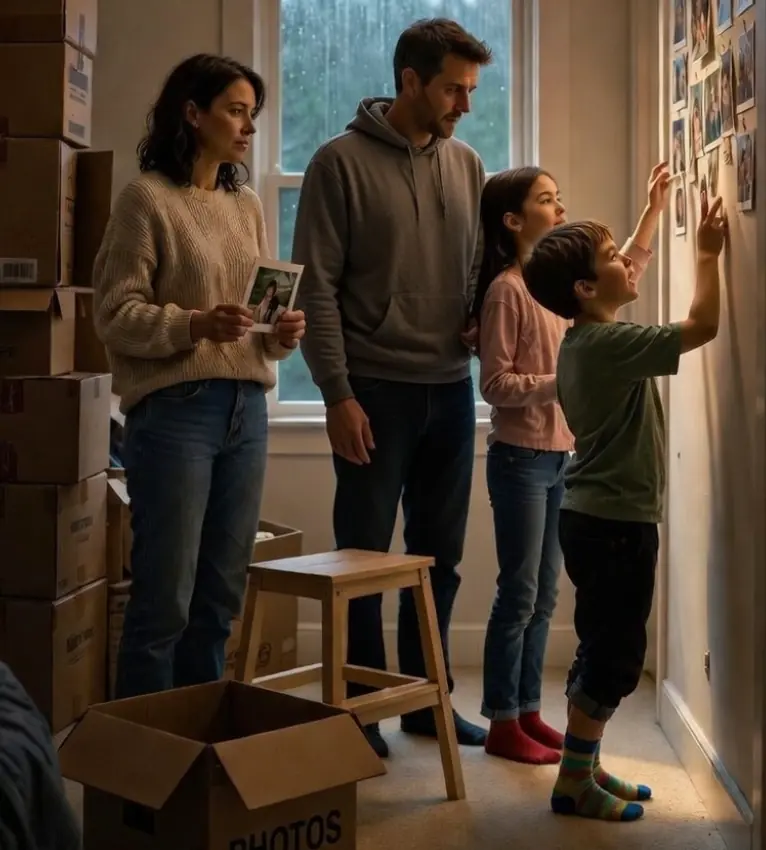
Moving to a new city felt scary until we built a home together
Moving to a new city felt scary until we built a home together
Story 13/02/2026 10:29
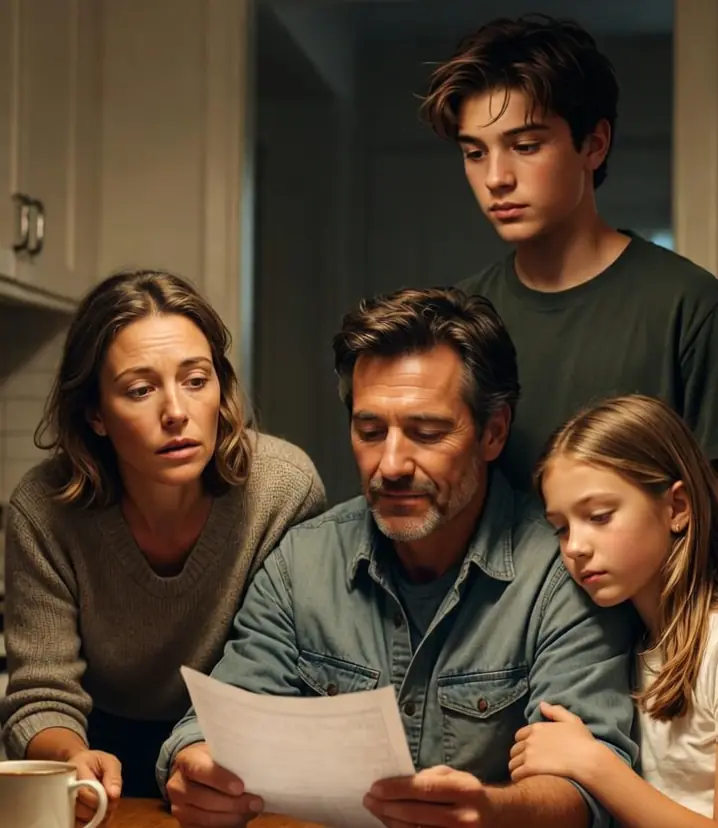
The world has a way of shrinking when you’re sitting in a hospital waiting room. The grand ambitions of the week—the home office renovation, the stress of the quarterly reports, the frustration over a broken dishwasher—all of it vanishes. You are left in a small, quiet space defined by the hum of the air conditioning and the rhythmic ticking of a clock that seems to be moving through honey.
It was a Tuesday afternoon when the phone call came. My husband, David, had been experiencing some persistent fatigue and a dull ache that he’d tried to dismiss as "just getting older." But the doctor’s voice on the other end was focused and urgent, requesting more tests, more scans, and an immediate consultation.
Suddenly, the "future" felt like a fragile glass ornament that someone had dropped.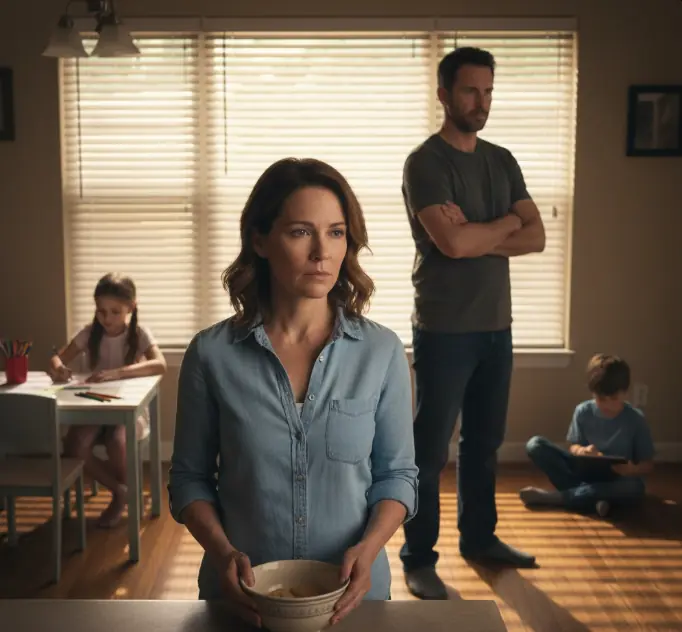
The first few days were defined by a cold, hollow fear. It’s the kind of fear that doesn’t scream; it just sits in the corner of every room, a silent guest at the dinner table. We didn't have answers yet, only a list of "possibilities" that our minds immediately turned into worst-case scenarios. I watched David across the living room—the man who was usually the loudest laugh in the house—and saw him become quiet and introspective.
The tension in our home wasn't one of conflict, but of a desperate, careful tenderness. We were all trying to be "brave" for each other, which resulted in a house that was unnervingly still. Our children, sixteen-year-old Leo and twelve-year-old Maya, sensed the shift instantly. They didn't ask the big questions, but they stopped bickering over the TV remote. They started lingering in the kitchen longer, as if staying close to us could keep the scary things at bay.
The drama of a health scare isn't always in the diagnosis; it’s in the way a family responds to the unknown.
I began to see love expressed in the smallest, most quiet acts. It was Leo, usually a typical teenager preoccupied with his own world, taking it upon himself to mow the lawn and wash David’s car without being asked. He did it with a grim, focused determination, as if by maintaining the house, he could somehow stabilize his father’s health.
It was Maya, who spent her afternoon making a "Comfort Kit" for David’s bedside—a collection of his favorite books, a soft blanket, and a hand-drawn map of all the places we still planned to visit. "Just so you don't forget where we're going next summer, Dad," she whispered, tucking the map into his hand.
And it was David himself, who, despite his own exhaustion, made sure to sit with me every evening on the porch. We didn't talk about the tests or the "what-ifs." We talked about the way the light caught the oak trees and the way the neighborhood kids were growing up. We were clinging to the ordinary because we realized, with a sharp and painful clarity, that the ordinary was actually extraordinary.
We were caught in a moment of profound vulnerability. I realized how much of our marriage had been spent worrying about things that didn't matter. I had spent months being annoyed by the way he left his shoes in the hallway; now, the sight of those shoes felt like a blessing, a sign that he was home, that he was here, that his life was still woven into mine.
The night before the final results, the house was silent. David was asleep, and I was sitting at the kitchen table, staring at a cup of tea I’d forgotten to drink. The "generational disconnect" I often felt with my kids vanished when Leo walked into the kitchen and sat down across from me.
"I’m scared, Mom," he said, his voice small.
I didn't try to give him a platitude. I didn't tell him everything would be fine, because I didn't know if it would be. I simply reached across the table and took his hand. "I’m scared too, Leo. But we’re scared together. And that’s better than being scared alone."
We sat there for a long time in the dim light, two people of different generations finally speaking the same emotional language. The fear was still there, but the "emotional distance" had been bridged by the simple admission of our shared humanity.
The turning point—the moment of relief—arrived on a Thursday morning.
We were sitting in a small, sterile office, holding our breath as the doctor looked over the final results. The silence in the room was so thick I could hear my own pulse. Then, the doctor looked up and smiled—a genuine, warm expression that made the air in the room feel lighter.
"It’s not what we feared," he said. "It’s a manageable condition, something that requires treatment and lifestyle changes, but it’s not the emergency we were preparing for. David is going to be okay."
The wave of relief was so intense it felt like a physical force. I felt the tension drain out of David’s shoulders as he let out a long, shuddering breath. We didn't cheer; we didn't cry. We just looked at each other, our hands locked together, acknowledging the second chance we had just been given.
The gratitude that followed was a quiet, glowing thing. It wasn't the loud gratitude of a celebration, but the deep, soul-level thankfulness for a Tuesday afternoon, for a mundane grocery list, and for the sound of the lawnmower.
Coming home that day felt like entering a different house. The "scare" had acted like a storm that clears the air. The bickering between the kids returned, but it felt like a melody now rather than a noise—a sign of a healthy, normal life. We didn't go back to our "busy" schedules right away. We took the weekend to just... be.
We had a family dinner where we didn't talk about school or work. We talked about the "Comfort Kit" and the car wash and the way Leo had held my hand in the kitchen. We acknowledged the fear, but we celebrated the way it had brought us closer.
Stronger family unity is often forged in the fires of uncertainty. We realized that our strength didn't come from being "invincible." It came from our willingness to be vulnerable with each other. We learned that the "small acts"—the mowed lawn, the hand-drawn map, the midnight tea—were actually the biggest acts of all.
I look at David now, and I don't see the "stress" of our middle-aged lives. I see the man who stayed steady for us, and I see the partner I almost lost. The shoes in the hallway are still there, and I still walk over them every day, but I never complain about them anymore. To me, those shoes are a monument to our survival.
We faced a health scare, and we were reminded that the most important things in life aren't the things we own or the goals we achieve. The most important things are the people who stand in the waiting room with you, the hands that hold yours in the dark, and the simple, beautiful gift of another ordinary day.
Life is a fragile thing, but our love for each other is the anchor that keeps us grounded when the world starts to shake. We are the Petersons, we are okay, and we are finally, beautifully, together in the quiet light of a new beginning.
Moving to a new city felt scary until we built a home together
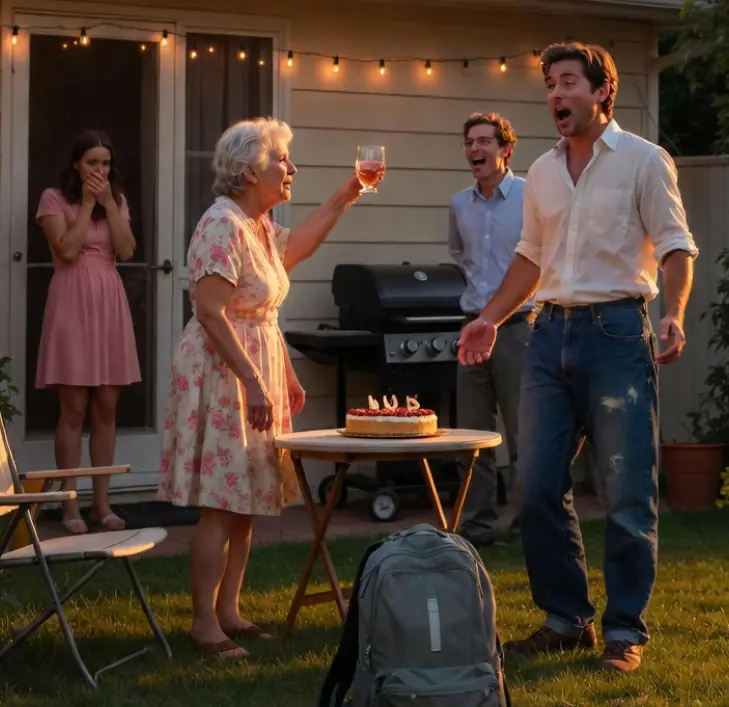
The surprise that brought our whole family to tears of joy
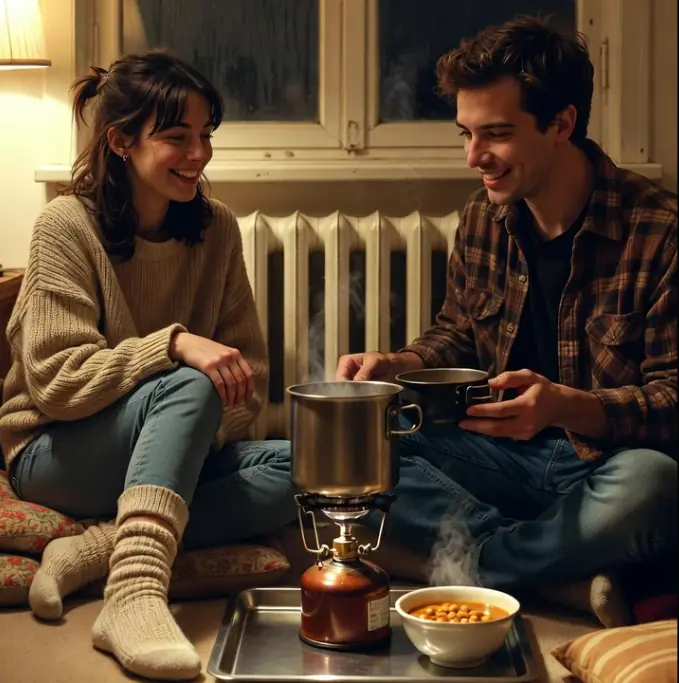
We didn’t have much, but we had each other
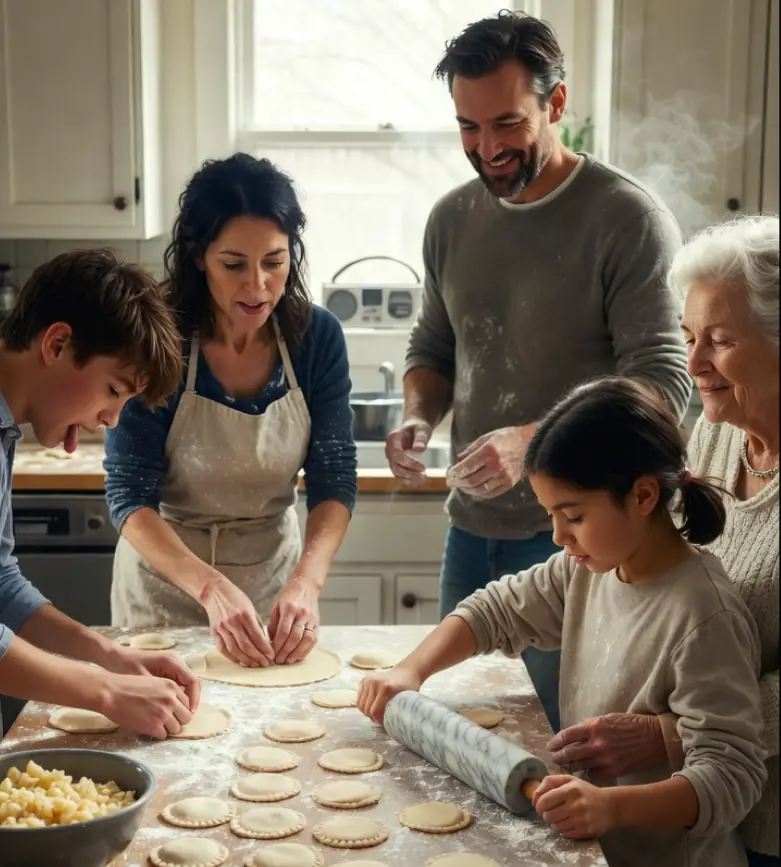
Our family tradition almost ended until we rediscovered why it mattered
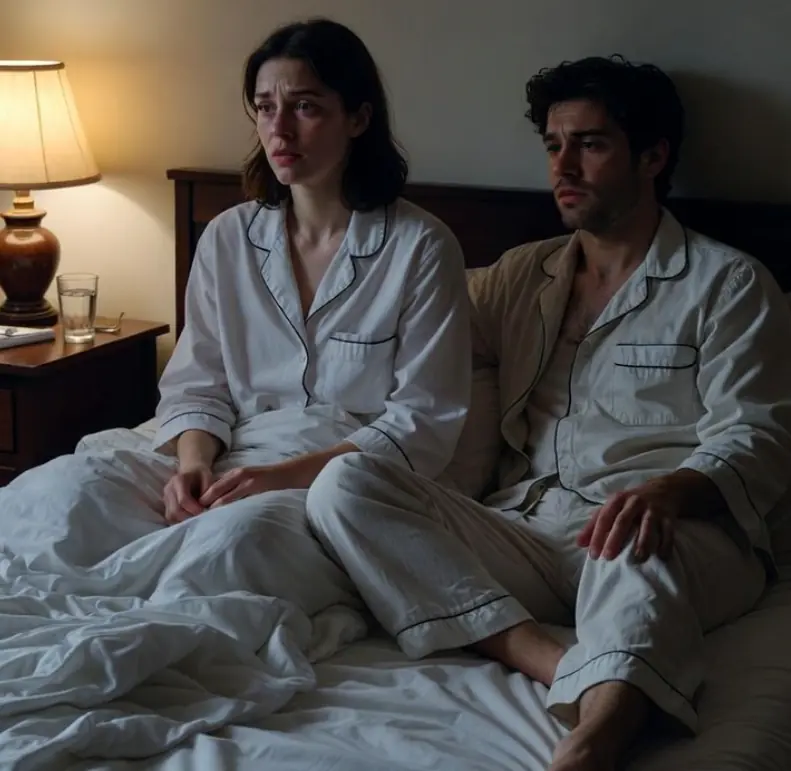
I thought we were drifting apart until one honest conversation changed everything
Our small house was crowded, but it was full of love
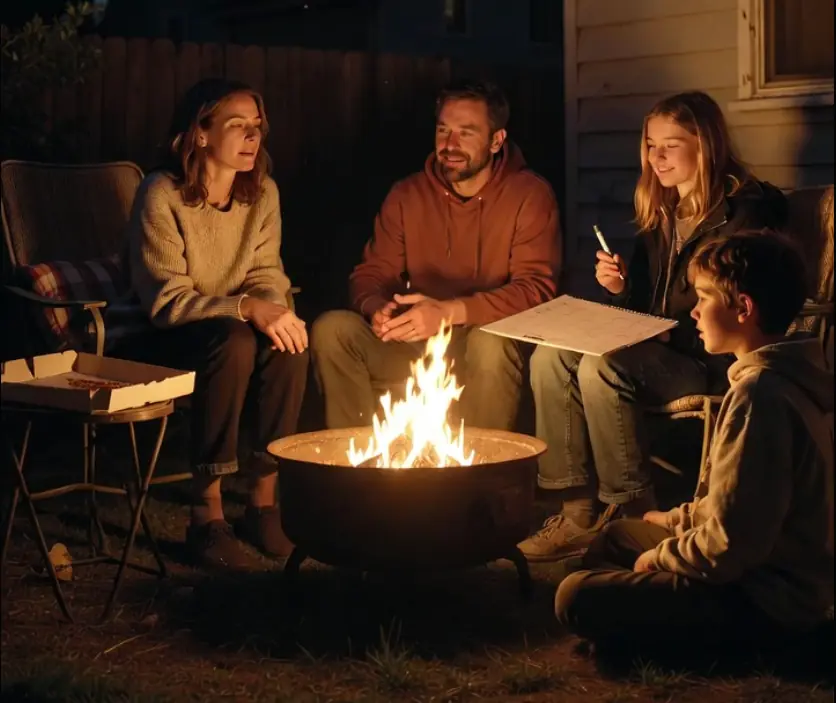
The year everything went wrong was the year we grew closer than ever
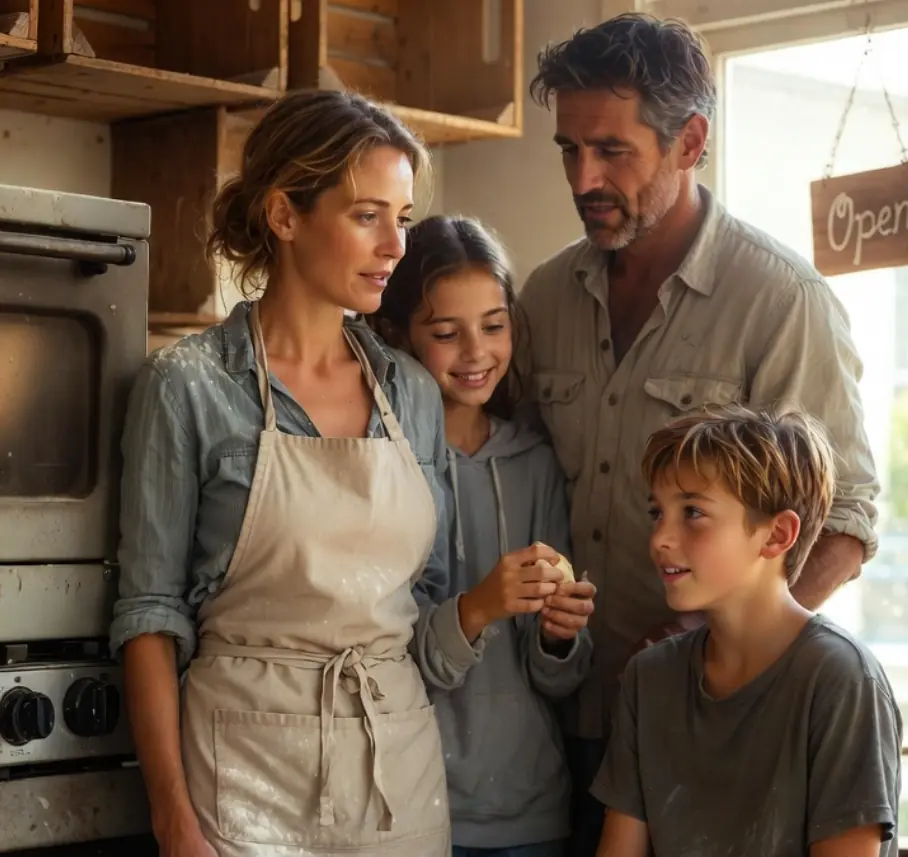
We almost gave up on our dream until our family pulled together


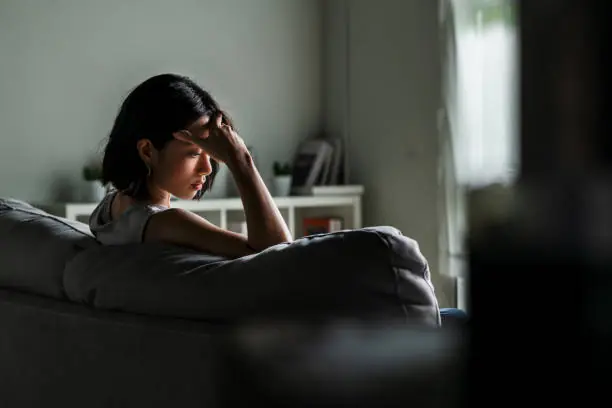

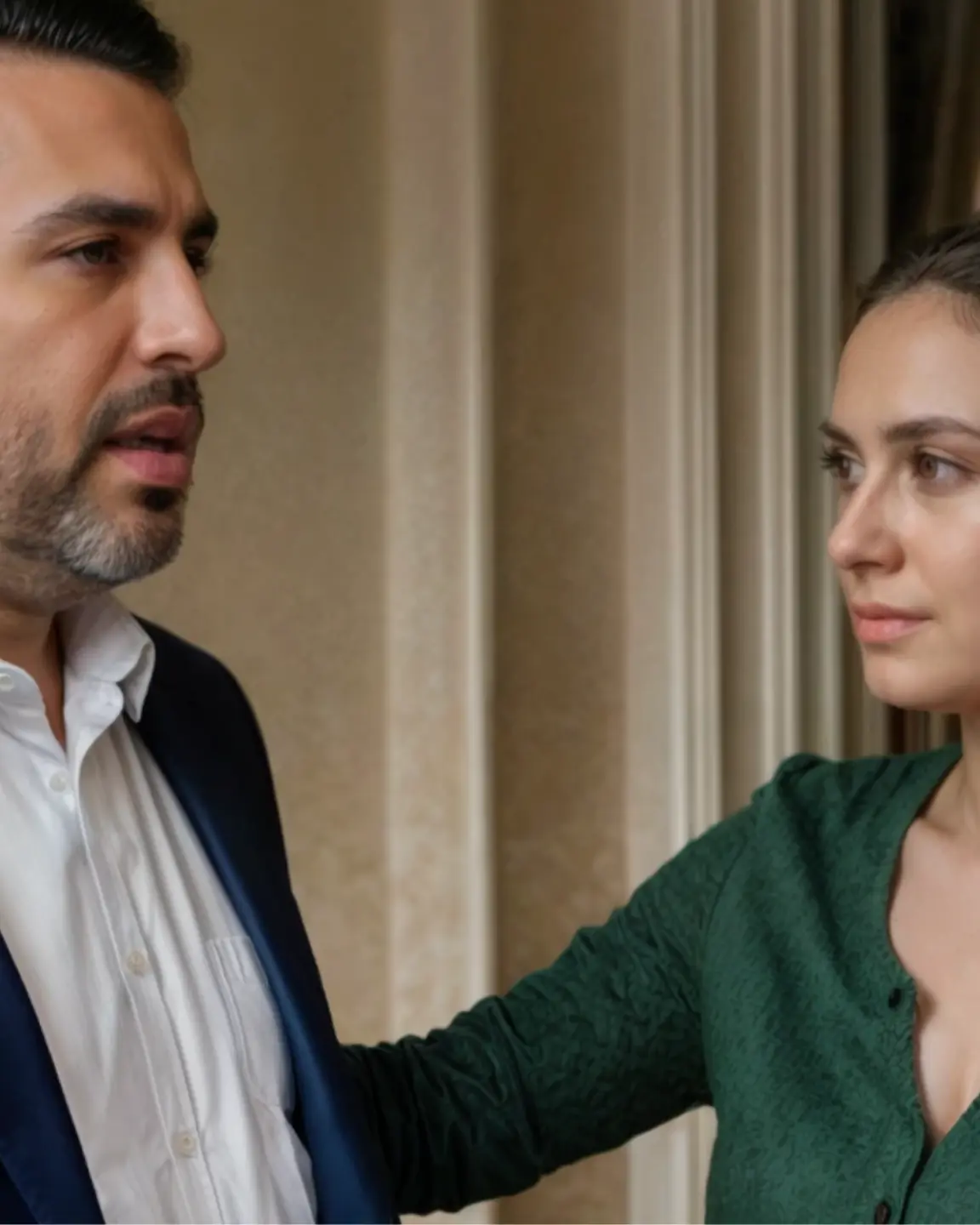
At the wedding, the son insulted his mother, calling her a “scoundrel” and a beggar, and ordered her to leave. But she took the microphone and gave a speech…
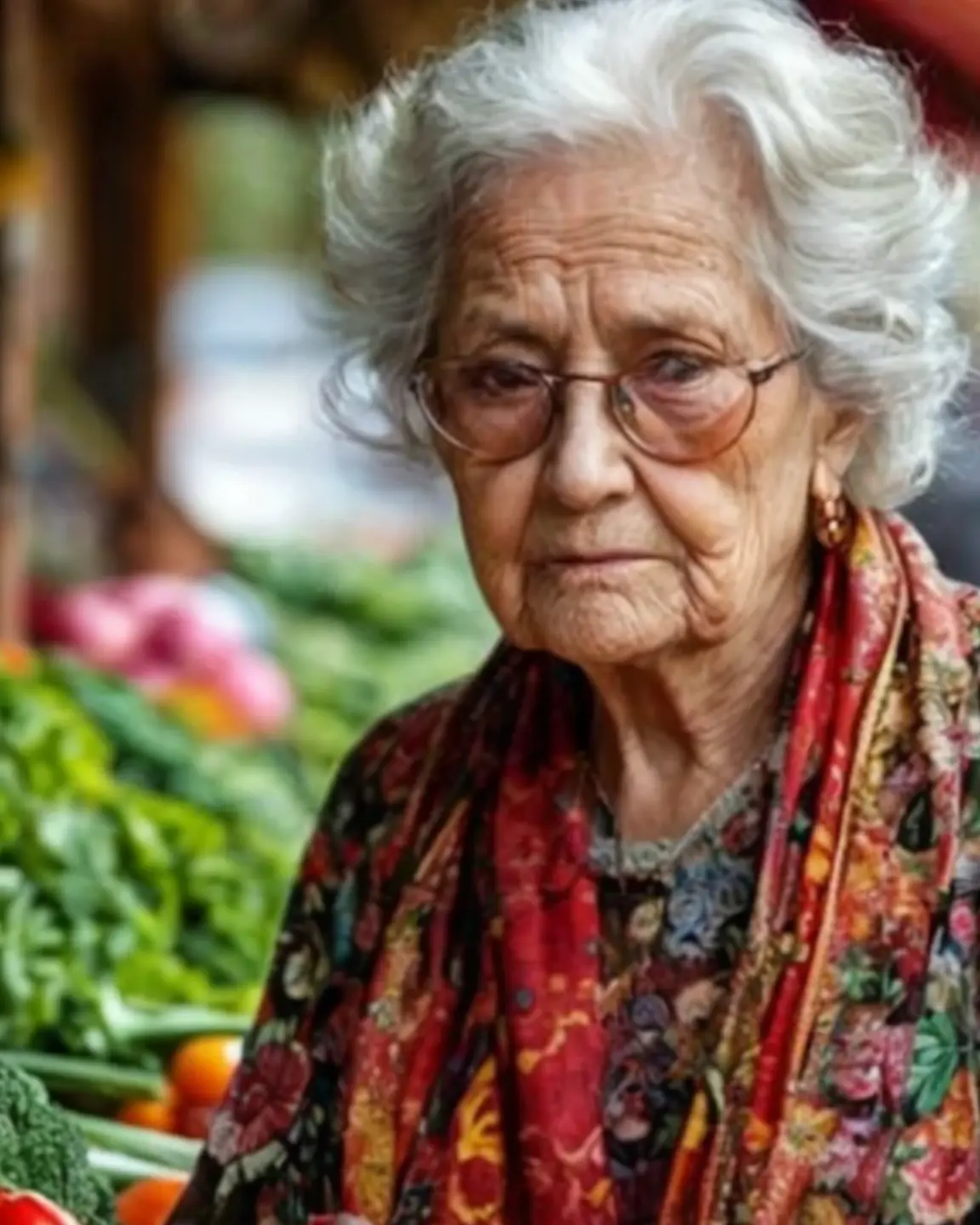
Grandma, I’m just looking,” the old woman replied plaintively. It was clear that she didn’t have enough money
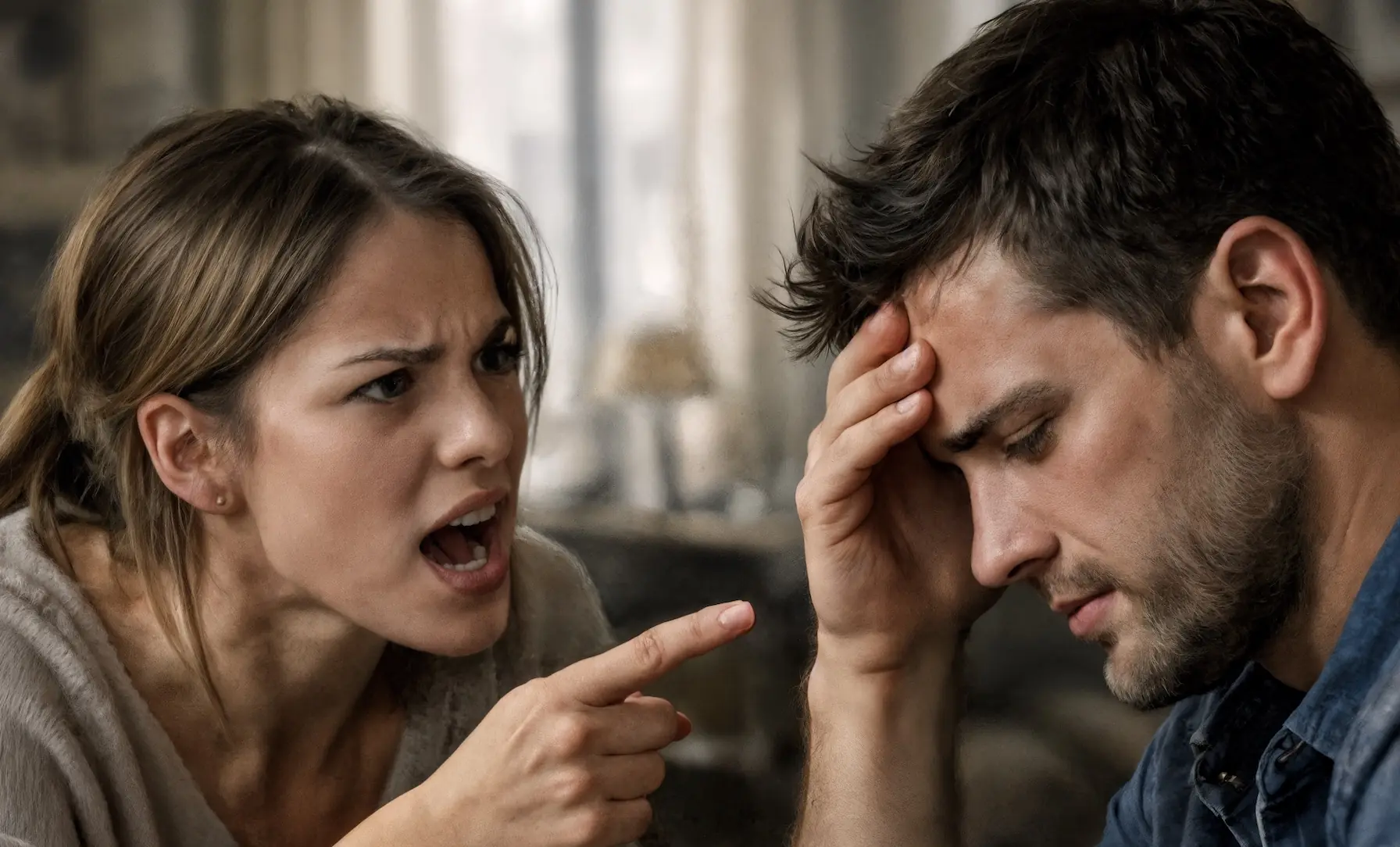
“Did you do that on purpose—did you not tell me about the call?!” Rita shouted. “I missed the interview of my entire life because you ‘forgot,’ Anton?!
“Mom says you’ll pay your own bills now,” her husband blurted out
Since you got lucky, you’ll help us deal with the debts. — My mother-in-law decided her daughter-in-law’s inheritance was the family’s emergency fund
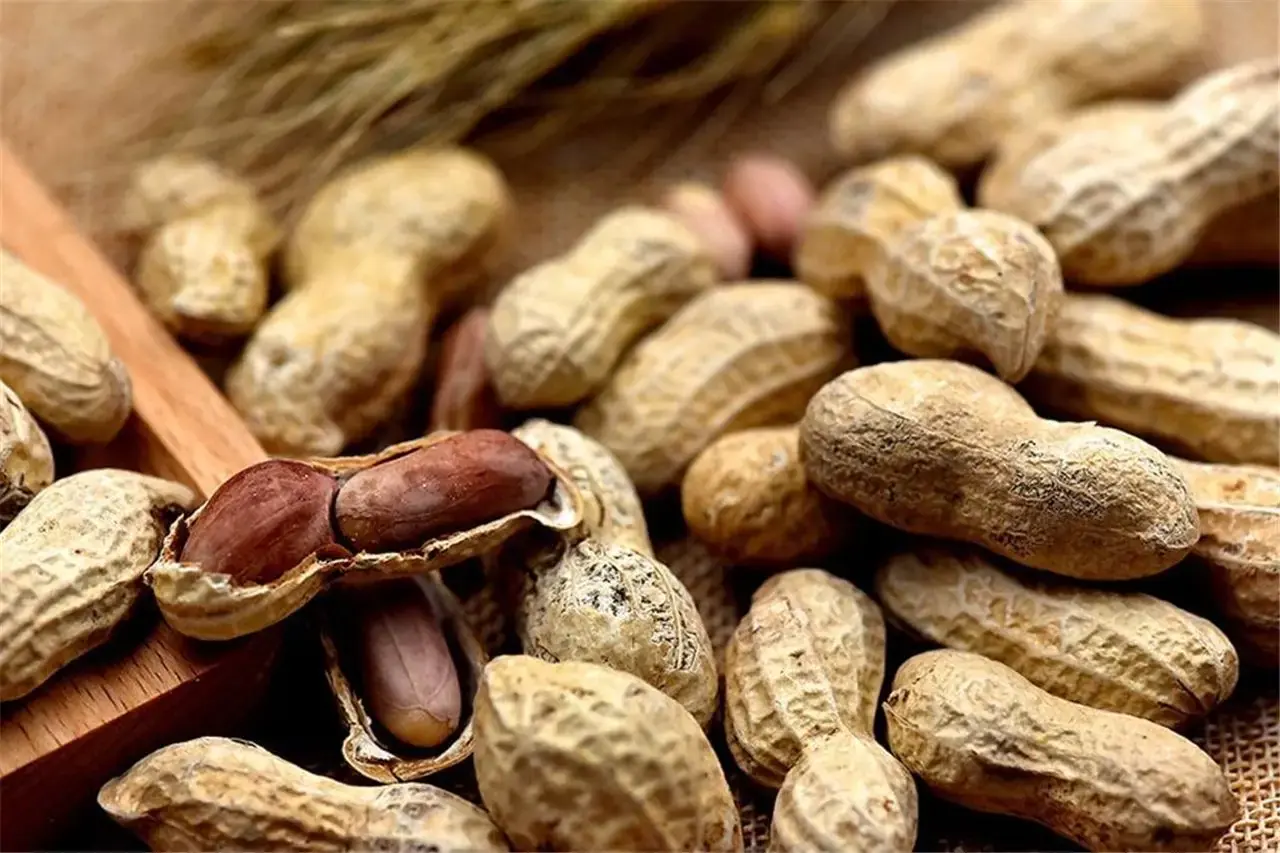
Health Experts Explain the Potential Risks of Eating Too Many Peanuts

This “Healthy” Daily Food Choice Resulted in Concerning Liver Test Findings
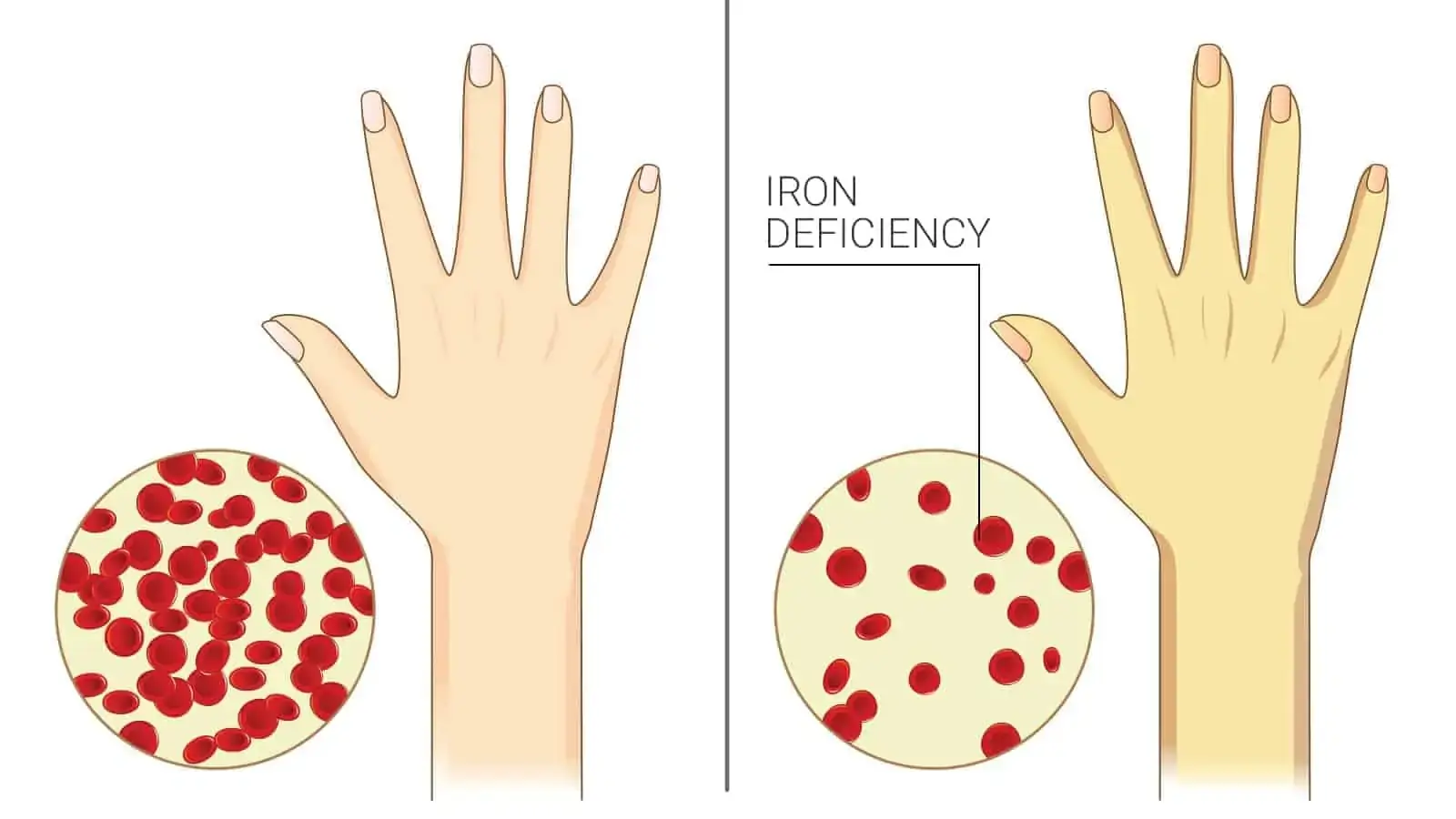
Hidden but Harmful: 7 Signs of Chronic Iron Deficiency Women Often Miss
Moving to a new city felt scary until we built a home together
High Cholesterol Can Show on Your Skin — Here’s What to Watch For
The surprise that brought our whole family to tears of joy
A Comprehensive Guide to Cloves: Uses, Benefits, and the Science Behind Them
We didn’t have much, but we had each other
Our family tradition almost ended until we rediscovered why it mattered
I thought we were drifting apart until one honest conversation changed everything
Our small house was crowded, but it was full of love
The year everything went wrong was the year we grew closer than ever
8 overlooked foods that may help fight can.cer cells
We almost gave up on our dream until our family pulled together

Understanding Pancreatic Cancer: Early Warning Signs and Why They Matter
Subtle behavioral shifts can reveal deeper relationship secrets.