
Vegetables That Strengthen Collagen in Knees and Joints: A Natural Strategy for Long-Term Mobility
Joint discomfort and knee stiffness are becoming increasingly common across all age groups, not only among older adults. While supplements and treatments are widely promoted, nutrition experts continue to emphasize a more sustainable solution: supporting the body’s natural collagen production through everyday foods. Among these, certain vegetables stand out for their ability to strengthen connective tissue, protect cartilage, and maintain joint flexibility over time.
Collagen is the primary structural protein found in cartilage, ligaments, and tendons. It acts as a cushioning framework that allows joints to move smoothly and absorb impact. As the body ages, collagen production gradually declines, leading to stiffness, reduced mobility, and increased risk of joint degeneration. Environmental stress, inflammation, and poor diet can accelerate this process. However, specific nutrients found in vegetables can help the body rebuild and maintain collagen more effectively.
Leafy green vegetables are often at the center of joint-supportive nutrition. Spinach, kale, and other dark greens are rich in vitamin C, one of the most essential nutrients for collagen synthesis. Without adequate vitamin C, the body cannot effectively produce or maintain collagen fibers. These vegetables also contain antioxidants such as lutein and beta-carotene, which help reduce oxidative stress in joint tissues. Lower inflammation levels allow cartilage to remain more resilient and less prone to breakdown over time.
Cruciferous vegetables such as broccoli, cabbage, and Brussels sprouts play a similarly powerful role. They contain sulfur-based compounds that support connective tissue health and help maintain cartilage structure. Sulfur is an important component of collagen and other proteins found in joints. Broccoli also delivers vitamin K and calcium, which support bone strength around the joints, creating a more stable and supportive framework for movement. By nourishing both cartilage and surrounding bone, these vegetables contribute to overall joint stability.
Brightly colored vegetables are equally valuable. Carrots, bell peppers, and sweet potatoes provide high levels of antioxidants that help combat chronic inflammation. Red and orange bell peppers, in particular, are among the richest vegetable sources of vitamin C. This nutrient not only stimulates collagen production but also helps protect existing collagen from damage caused by free radicals. Maintaining this balance between production and protection is essential for preserving joint flexibility and preventing premature wear.
Tomatoes are another powerful addition to a joint-friendly diet. They contain lycopene, a potent antioxidant known for its anti-inflammatory properties. Chronic inflammation can weaken collagen structures and accelerate cartilage loss, especially in weight-bearing joints such as the knees. By reducing inflammatory stress, tomatoes help create an internal environment where collagen can remain intact and functional for longer periods.
Garlic and onions, though often overlooked in joint health discussions, also provide important benefits. Both contain sulfur compounds that support collagen formation and help maintain connective tissue strength. In addition, their natural anti-inflammatory properties can help reduce joint swelling and discomfort. Including these ingredients regularly in meals can enhance the overall effectiveness of a collagen-supportive diet.
Cucumbers and celery contribute through hydration and silica content. Proper hydration is essential for maintaining the elasticity of cartilage, while silica supports connective tissue integrity. These vegetables help joints remain lubricated and flexible, particularly when consumed consistently as part of a balanced diet.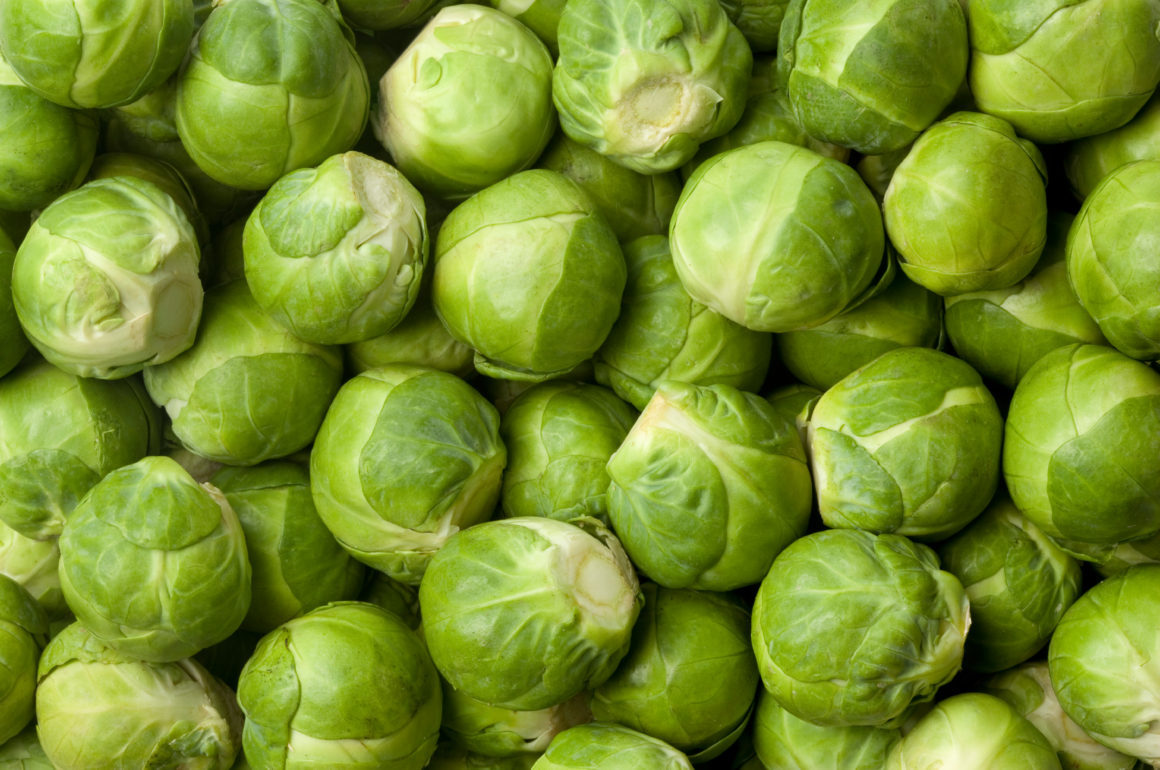
While no single food can completely prevent joint degeneration, consistent dietary habits can significantly influence long-term joint health. Nutrition experts emphasize that collagen production is a gradual process supported by daily nutrient intake rather than quick fixes. A diet rich in vegetables that provide vitamin C, antioxidants, sulfur, and hydration creates the foundation for stronger connective tissue and more resilient joints.
Equally important is maintaining a balanced lifestyle. Regular movement, adequate hydration, and sufficient protein intake all work together with nutrient-dense vegetables to support collagen renewal. When these elements are combined, they form a comprehensive strategy for preserving mobility and reducing the likelihood of joint discomfort over time.
Ultimately, strengthening collagen in the knees and joints does not require expensive treatments or complex regimens. Simple dietary choices made consistently can have a profound impact. By incorporating a variety of colorful, nutrient-rich vegetables into everyday meals, individuals can support their body’s natural repair systems and protect joint health well into the future.