
The Beetroot Upgrade: What Happens to Your Body When You Eat Beets, According to Doctors
Once seen mainly as a colorful addition to salads or traditional dishes, beetroot is now being recognized by doctors and nutrition experts as one of the most powerful vegetables for overall health. With its deep red hue and naturally sweet flavor, this root vegetable is packed with nutrients that can influence everything from heart health to brain function. According to many medical professionals, regularly eating beets may trigger a surprising range of positive changes in the body.
A natural boost for heart health
One of the most widely discussed benefits of beetroot is its ability to support cardiovascular health. Beets are rich in dietary nitrates, compounds that the body converts into nitric oxide. This molecule helps relax and widen blood vessels, allowing blood to flow more easily throughout the body. As a result, blood pressure may decrease and circulation can improve.
Research cited by health professionals suggests that even a single serving of beetroot or beet juice can have measurable effects on blood pressure. Improved circulation not only supports heart health but also helps deliver oxygen and nutrients more efficiently to muscles and organs. Over time, this can contribute to better stamina and overall vitality.
Increased energy and physical performance
Many athletes and fitness enthusiasts have embraced beetroot for its performance-enhancing potential. The same nitrates that benefit heart health also improve oxygen use during physical activity. When muscles receive oxygen more efficiently, endurance can increase and fatigue may be delayed.
Doctors note that this effect is not limited to professional athletes. Everyday individuals may experience higher energy levels and reduced exhaustion when including beets in their regular diet. This natural energy boost makes beetroot a popular choice for those seeking a healthier alternative to stimulants like caffeine.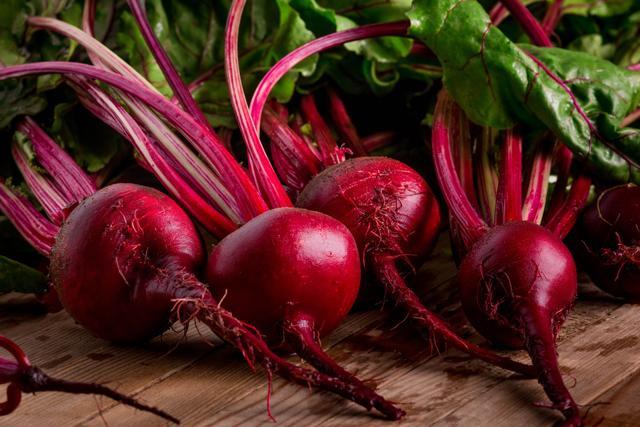
Support for brain function
Healthy blood flow is essential not only for the heart but also for the brain. Experts point out that the nitric oxide produced from beetroot consumption helps improve circulation to brain tissue. This increased blood flow may support cognitive function, especially in older adults.
Some studies have suggested that diets rich in nitrate-containing vegetables like beets could help maintain mental sharpness and slow age-related cognitive decline. By improving oxygen delivery to key areas of the brain, beetroot may contribute to better focus, memory, and overall mental performance.
A powerful source of antioxidants
Beetroot’s vibrant color comes from compounds known as betalains, which act as strong antioxidants. These substances help protect cells from oxidative stress and inflammation—two factors linked to many chronic diseases. Doctors emphasize that reducing inflammation in the body can support immune function and lower the risk of long-term health issues.
In addition to betalains, beets contain vitamin C, fiber, potassium, and folate. This combination of nutrients supports everything from digestive health to red blood cell production. The fiber in beets also helps maintain a healthy gut, promoting regular digestion and supporting beneficial gut bacteria.
Detox support and liver health
Another frequently mentioned benefit of beetroot is its role in supporting the body’s natural detoxification processes. Certain compounds in beets may assist the liver in breaking down toxins and removing waste from the bloodstream. While the body already has efficient detox systems, including beets in a balanced diet can help these processes function more effectively.
Doctors caution that beetroot should not be seen as a miracle detox solution but rather as a supportive food that contributes to overall wellness. Combined with proper hydration and a balanced diet, it can play a valuable role in maintaining internal balance.
Possible changes you might notice
People who begin eating beets regularly often notice subtle but interesting changes. Improved stamina, better digestion, and enhanced overall energy are commonly reported. Some individuals may also observe temporary changes in urine or stool color due to natural pigments in beets—a harmless effect known as beeturia.
Despite its many benefits, beetroot should be consumed in moderation. Because it is naturally high in oxalates, individuals prone to kidney stones may need to limit intake or consult a healthcare professional before significantly increasing consumption.
A simple addition with lasting impact
Doctors and nutrition experts agree that incorporating beetroot into a balanced diet can provide meaningful health benefits. Whether roasted, blended into smoothies, or enjoyed as juice, beets offer a natural way to support the heart, brain, and overall vitality.
While no single food can transform health overnight, the humble beetroot demonstrates how everyday dietary choices can quietly shape long-term well-being. Adding this vibrant vegetable to regular meals may be one of the simplest upgrades for a stronger, more resilient body.