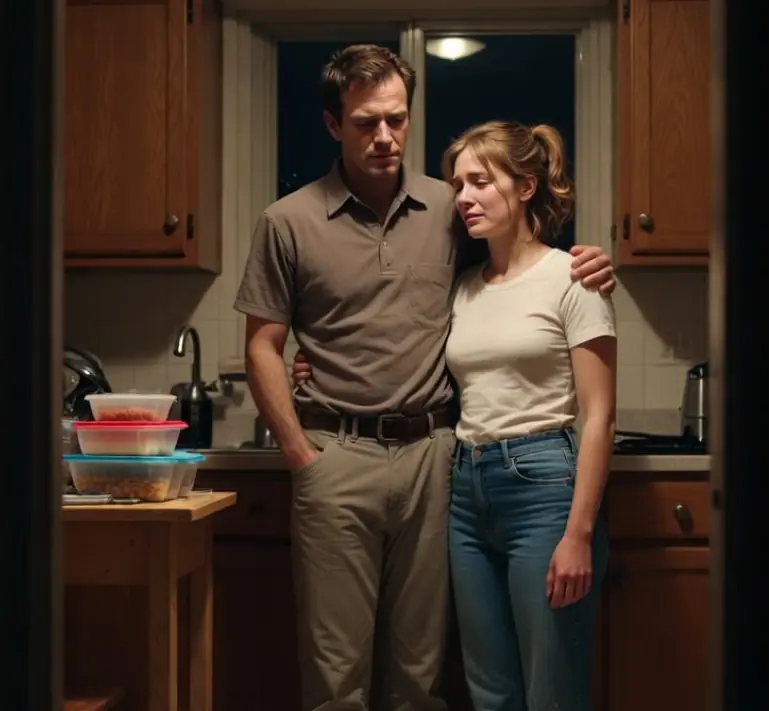
My sister and i grew up in the same house but different worlds
My sister and i grew up in the same house but different worlds
Story 14/02/2026 11:08
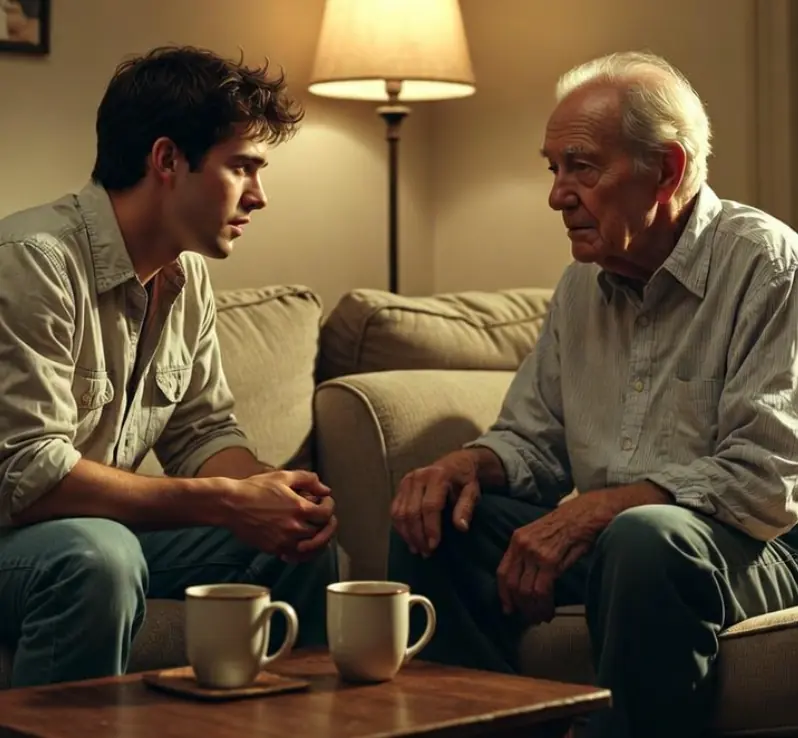
In my house, love wasn't a word that hung in the air like perfume; it was a physical weight, something you could measure in the callouses on a palm or the smell of sawdust and motor oil. My father, Thomas, was a man of few syllables and zero sentimentality. He was a stone wall of a man, sturdy and silent, whose vocabulary seemed to consist mostly of "Yup," "Nope," and the occasional "Check the oil."
Growing up in a world of movies and books where parents gave grand speeches about their devotion, I often felt like I was living in a different language. I used to watch my friends hug their fathers or hear them trade "I love yous" over the phone, and I’d feel a hollow pang of envy. I craved the words. I wanted the verbal confirmation that I mattered.
But as I stand in the garage of my childhood home today, looking at the meticulous way he organized my first set of tools, I realize that I was never unloved. I was simply being loved in a dialect I hadn't yet learned to translate.
My father expressed his heart through sacrifice and quiet support, usually performed in the early hours of the morning or the dead of winter.
I remember the winter of my junior year in high school. I had joined the debate team, an activity my father clearly didn't understand. To him, talking for the sake of talking was an unusual way to spend a Saturday. He was a carpenter; he believed in building things you could touch, not arguments you could hear.
The regional finals were held three hours away in a town buried under a record-breaking blizzard. The schools had canceled the buses, but the tournament was still on for those who could make it. I sat at the kitchen table at 5:00 AM, staring at the white-out conditions through the window, my heart sinking. I had worked for months on my closing statement.
"I guess I’m not going," I muttered, pushing my notes away.
My father didn't say, "I’m sorry, son, I know how much this means to you." He didn't offer a hug or a platitude about "next year." He simply stood up, finished his black coffee, and put on his heavy work coat.
"Get your bag," he said.
"Dad, the roads are a mess. Even the salt trucks are struggling."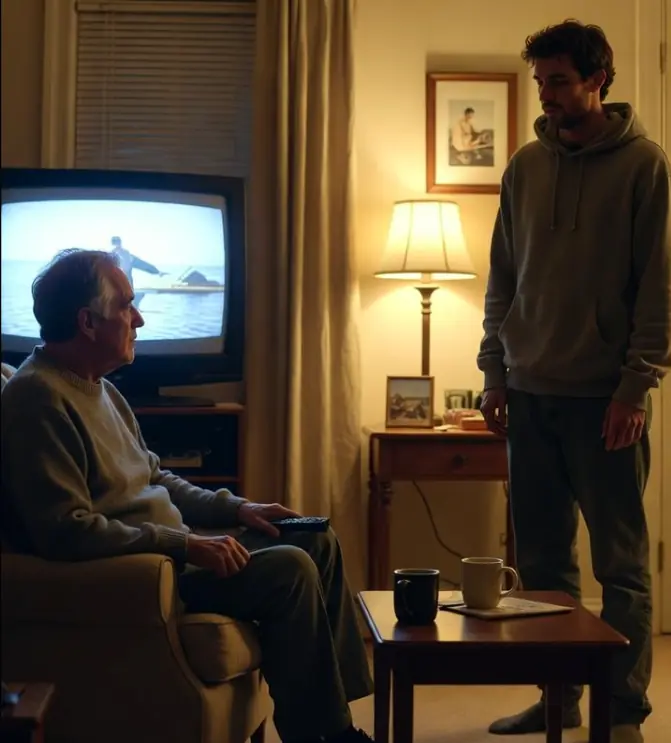
"Get your bag," he repeated.
He spent the next three hours hunched over the steering wheel of his old Ford, his eyes narrowed against the blinding white. He didn't speak a word. He just navigated the treacherous black ice and the mounting drifts with a grim, focused determination. When we finally pulled into the school parking lot, he reached over and tapped the glove box.
"Check your notes. Don't want to forget the ending," he said.
He sat in that freezing car for eight hours because he didn't want to track mud into the "fancy" school auditorium. When I walked out with a second-place trophy, he didn't cheer. He just looked at the plastic plaque, nodded once, and said, "Truck’s warmed up. Let's go."
It took me years to realize that those six hours of white-knuckle driving were his version of a poem. He wasn't just giving me a ride; he was telling me that my dreams were worth the risk of a ditch.
The quiet support manifested in the way he maintained the world around me so I never had to worry about it. If my bike had a flat tire, it was magically fixed by the time I woke up. If the draft under my bedroom window got too cold, I’d find a new weather strip installed while I was at school. He never asked for a "thank you," and he certainly never pointed out the work he’d done. He treated the care of his family like the structural integrity of a house—it was just something you ensured because that’s what a man does.
The most significant sacrifice, however, was one I didn't discover until much later.
When I got into a prestigious university out of state, the tuition was a staggering number that felt like a mountain we couldn't climb. My father sat at the kitchen table with the financial aid papers, his brow furrowed.
"Go to the orientation," he said. "We’ll handle the rest."
I thought "handling the rest" meant a modest loan. It wasn't until my sophomore year that I found out he had sold his prized 1967 Mustang—the car he had spent a decade restoring, the one thing he owned that wasn't for work or for us. He had traded his passion for my education, and he had done it without a single mention of the cost. He never made me feel like I owed him. He never used it as leverage in an argument. He simply traded one kind of future for another.
The emotional moment of understanding—the day I finally learned the language—happened last year.
I was thirty, visiting home for a weekend. My father had grown older; the stone wall was starting to show some cracks. His hands shook slightly when he held his coffee, and the silence that used to feel intimidating now felt fragile.
I was in the basement, trying to fix a leaky pipe, and I was failing miserably. I was frustrated, sweating, and letting out a string of words that would have made my mother blush. I felt like a failure, unable to do the very things my father made look so easy.
I felt a presence behind me. My father was standing at the bottom of the stairs, holding a wrench. He watched me for a moment, then sat down on an old wooden crate. He didn't take the wrench from me. He didn't tell me I was doing it wrong.
"Lefty-loosey," he said softly. "But you’ve got to feel the thread. Don't force it. If you force it, it breaks. You’ve got to listen to the metal."
I slowed down. I stopped fighting the pipe and started listening. A few minutes later, the leak stopped. I sat back on the cold concrete floor, wiped the grease from my forehead, and looked at him.
"Thanks, Dad."
He didn't move to get up. He just sat there, looking at the pipes he had installed forty years ago. "I didn't always have the words, Leo," he said, his voice a low gravel. "Your mother... she’s good with the talk. Me, I just wanted the roof to stay up. I wanted the car to start. I wanted you to have the things i didn't."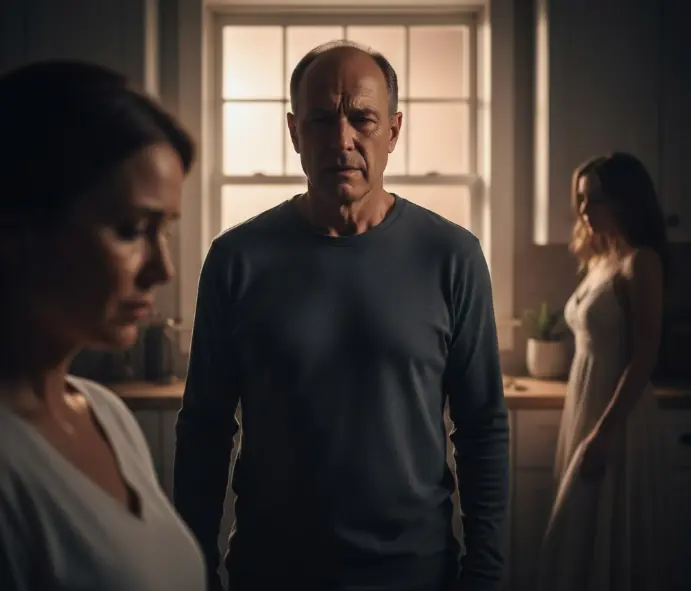
He looked at his calloused, grease-stained hands. "I figured if the house was solid, you’d know. You’d know you were okay."
In that moment, the hollow pang of envy i’d felt as a child vanished. I realized that "I love you" is a beautiful phrase, but it’s a fleeting vibration in the air. What my father gave me was a foundation. He didn't say he loved me; he built the fact that he loved me into every wall of my life. He showed it in the snowstorms, in the tuition checks, and in the way he was sitting on a crate in a damp basement just to make sure I knew how to fix a leak.
I reached over and placed my hand over his. His skin felt like old parchment, but his grip was still steady.
"I know, Dad," I said, my voice thick. "I’ve always known."
He didn't hug me. He didn't break into tears. He just gave my hand a single, firm squeeze—the "Miller Pinch"—and stood up.
"Check the pressure on the gauge before you head up," he said, walking toward the stairs. "And tell your mother I’m ready for dinner."
I watched him go, a lump in my throat and a deep, resonant peace in my heart. He never said the words, but as I looked at the dry pipe and the sturdy house surrounding me, I realized I had been hearing them every single day of my life.
I am Leo Miller, and I was raised by a man who loved me with a wrench, a hammer, and a heart as big as the sky. I don't need the words anymore. I have the house.
My sister and i grew up in the same house but different worlds
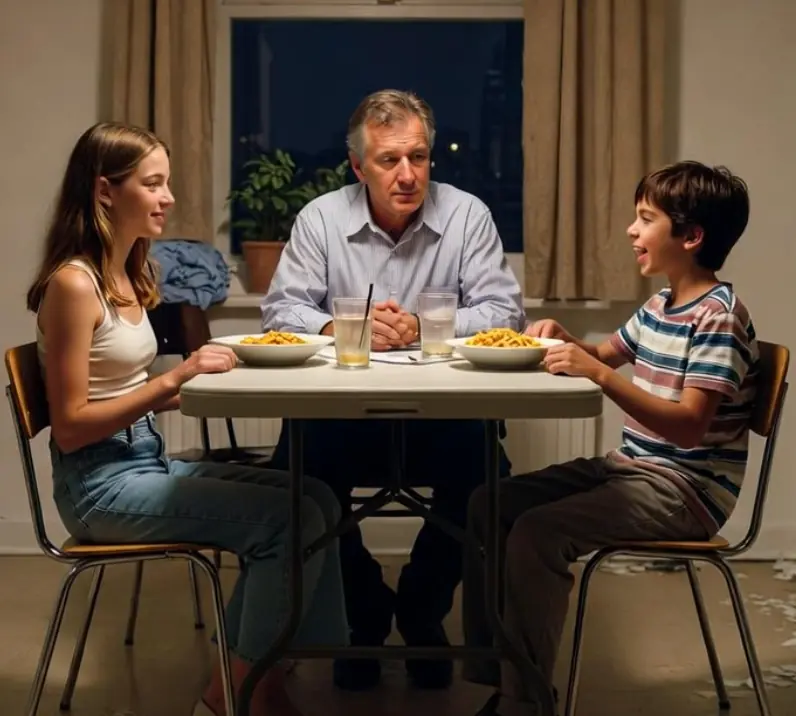
We lost more than money when our business failed
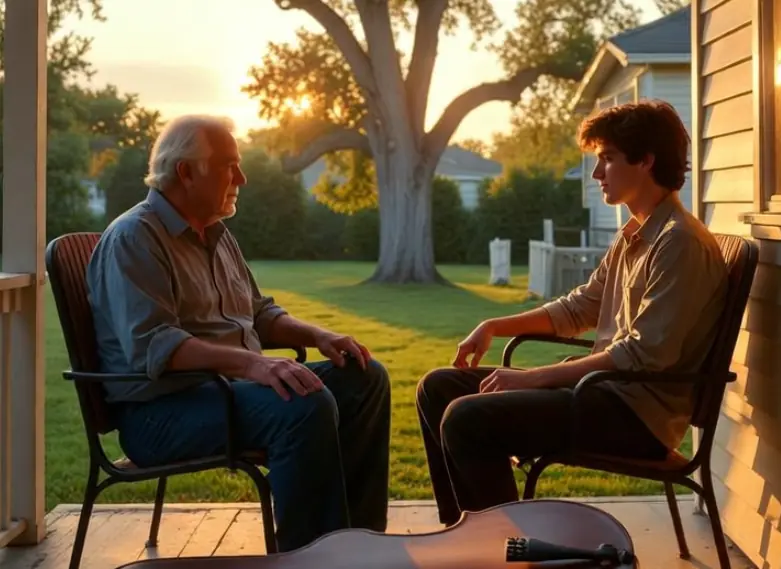
The words i said in anger stayed with my son for years
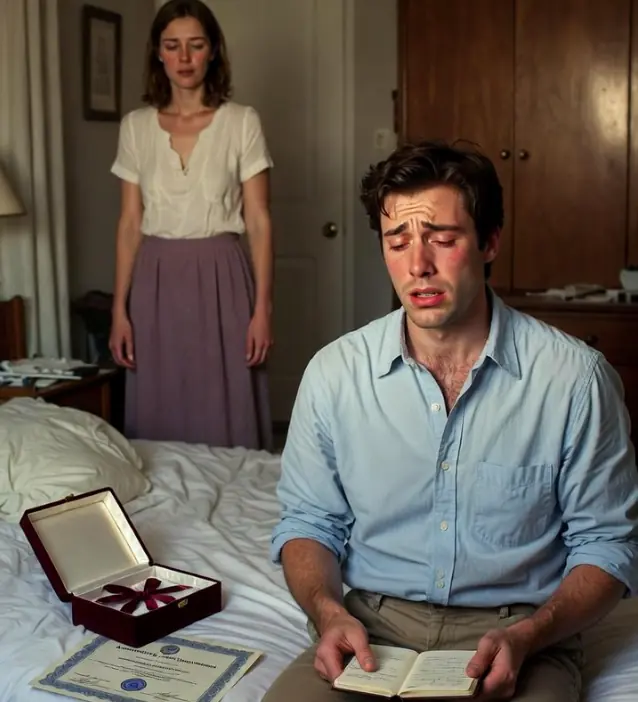
I thought my wife was keeping secrets but i was completely wrong

The old photo album brought our whole family together
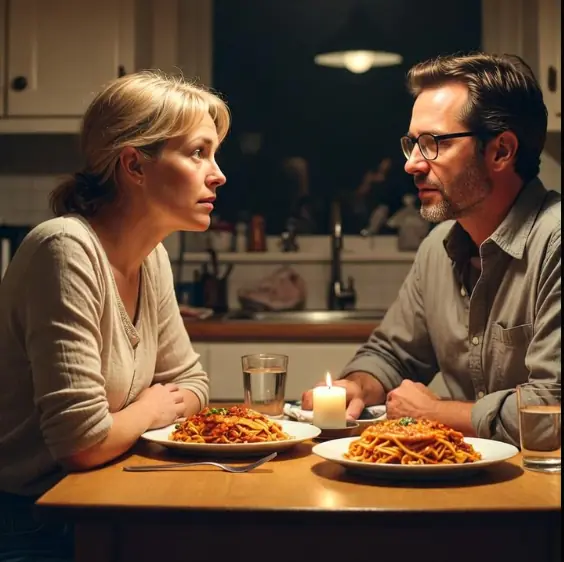
I thought my marriage was ordinary until i looked closer

Our family road trip started with arguments and ended with laughter
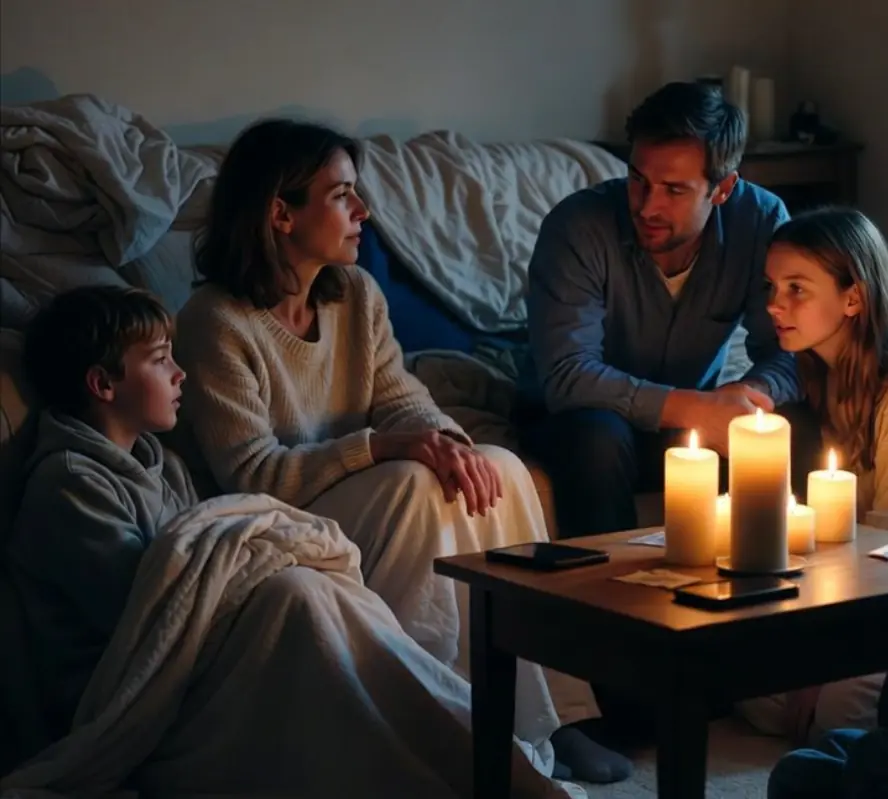
The day our power went out was the day we talked for hours
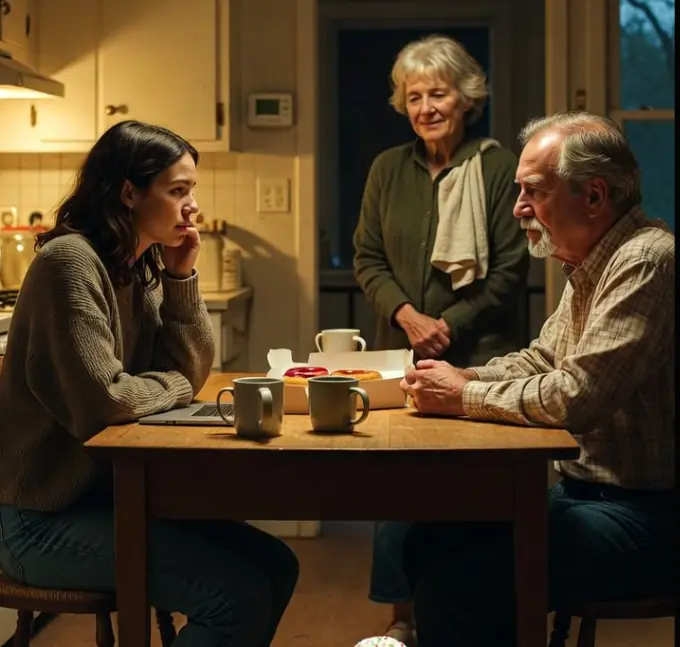
Moving in with my parents was supposed to be temporary
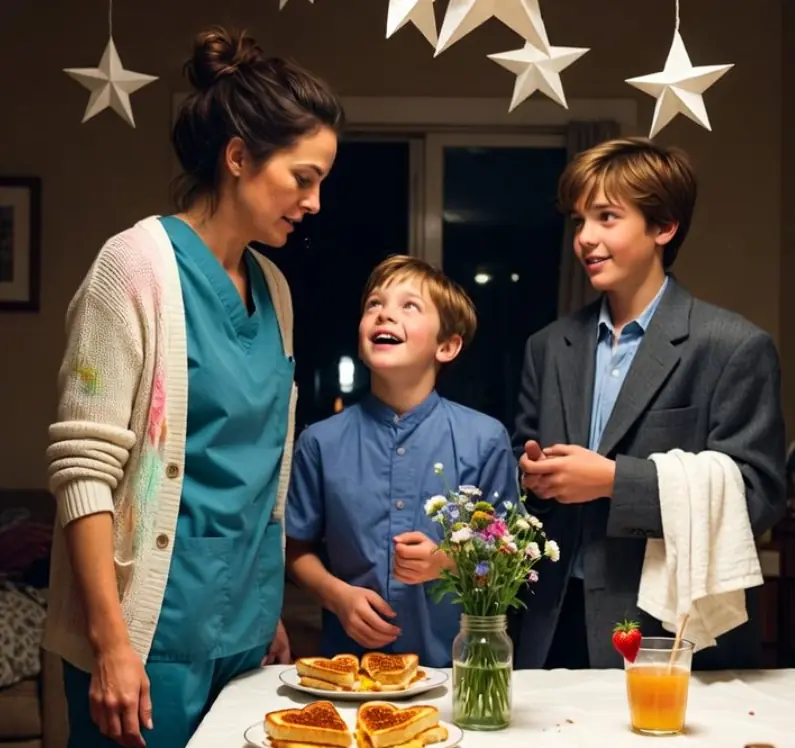
The surprise my kids planned changed the way i saw myself
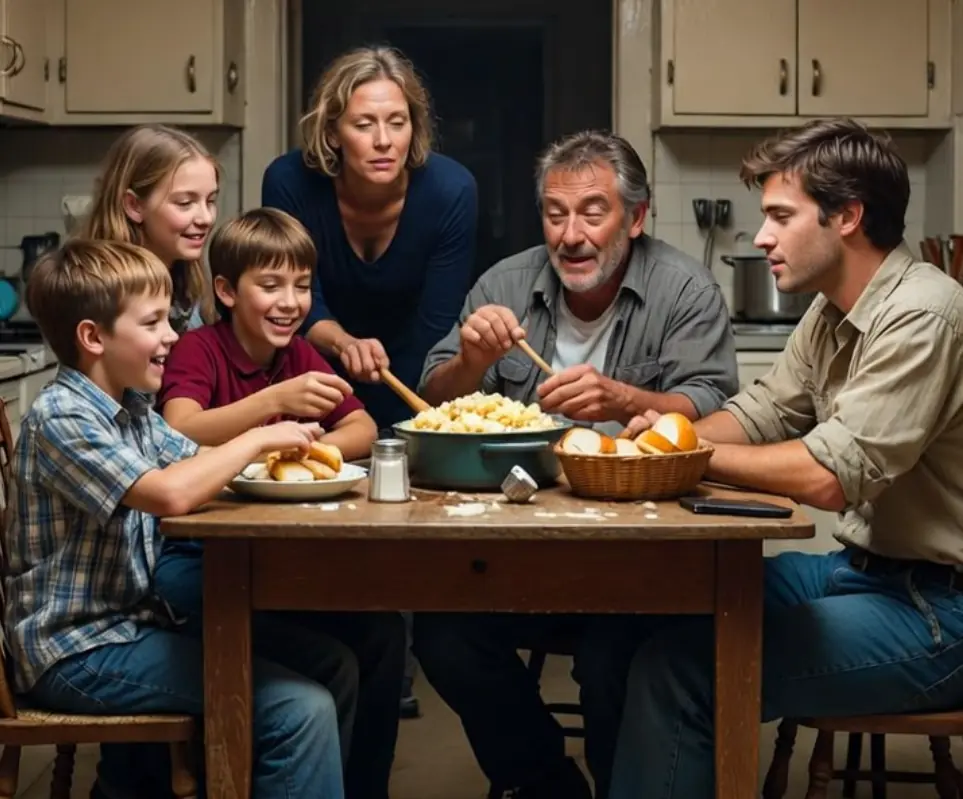
We didn’t have much, but we always had sunday dinners
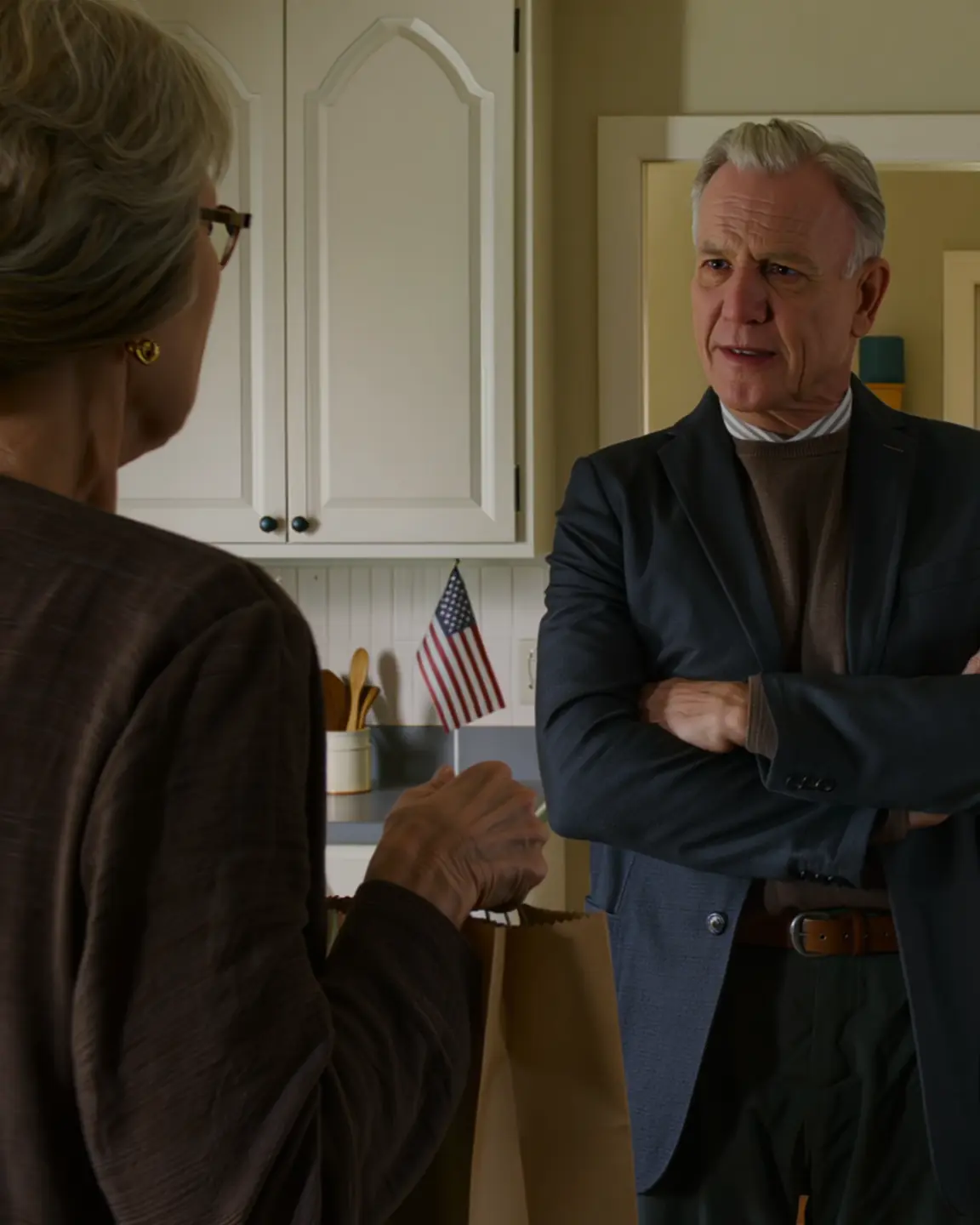
“You’ve been bleeding me dry for 38 years. From now on, every penny you spend comes from your own pocket!” he said. I just smiled. When his sister came for Sunday dinner and saw the table, she turned to him and said: “You have no idea what you had
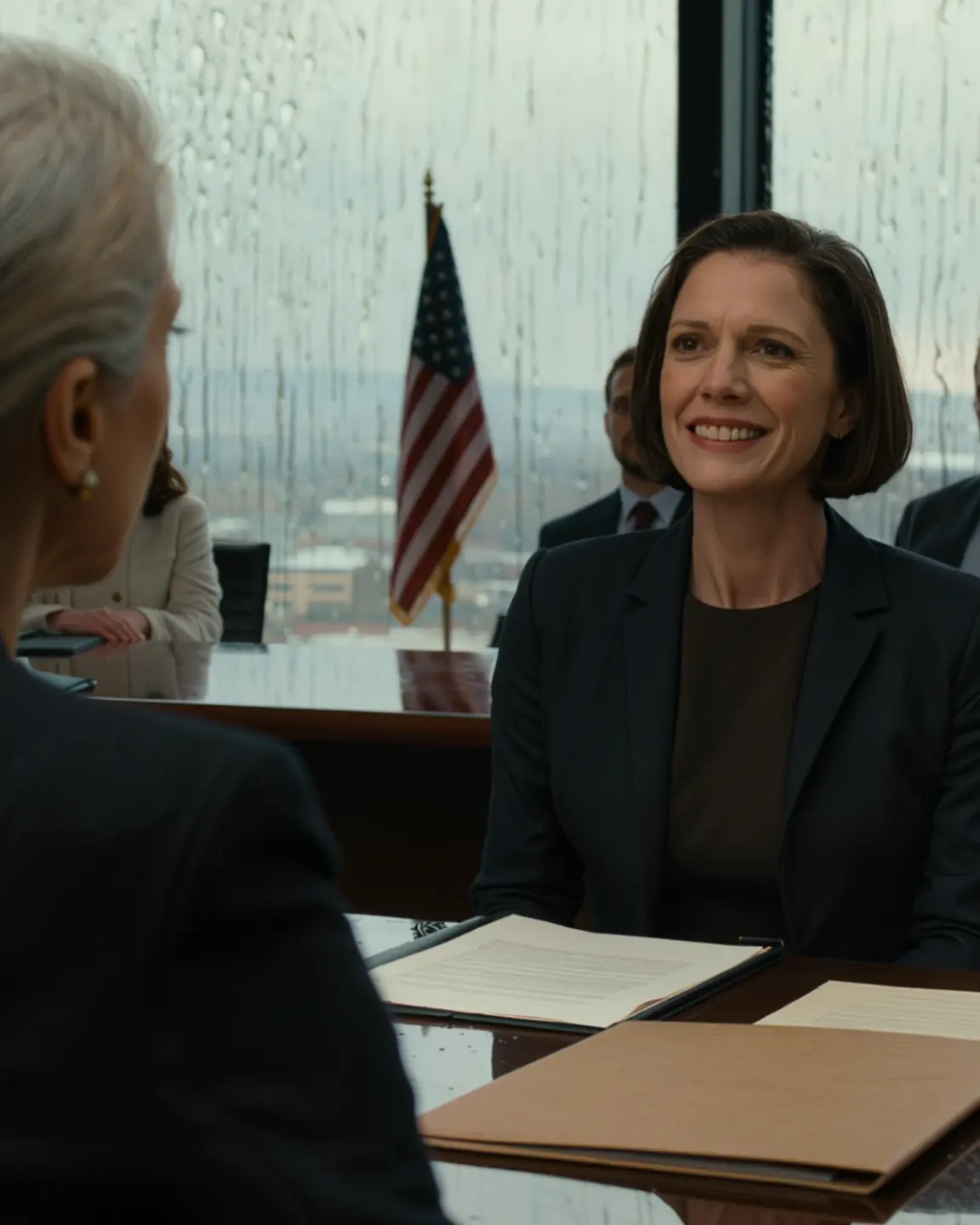
At 69, I hired a private investigator just for “peace of mind.” He found my husband’s secret family and another marriage license from 1998. The detective looked at me and said, “Ma’am, you just became very rich.”
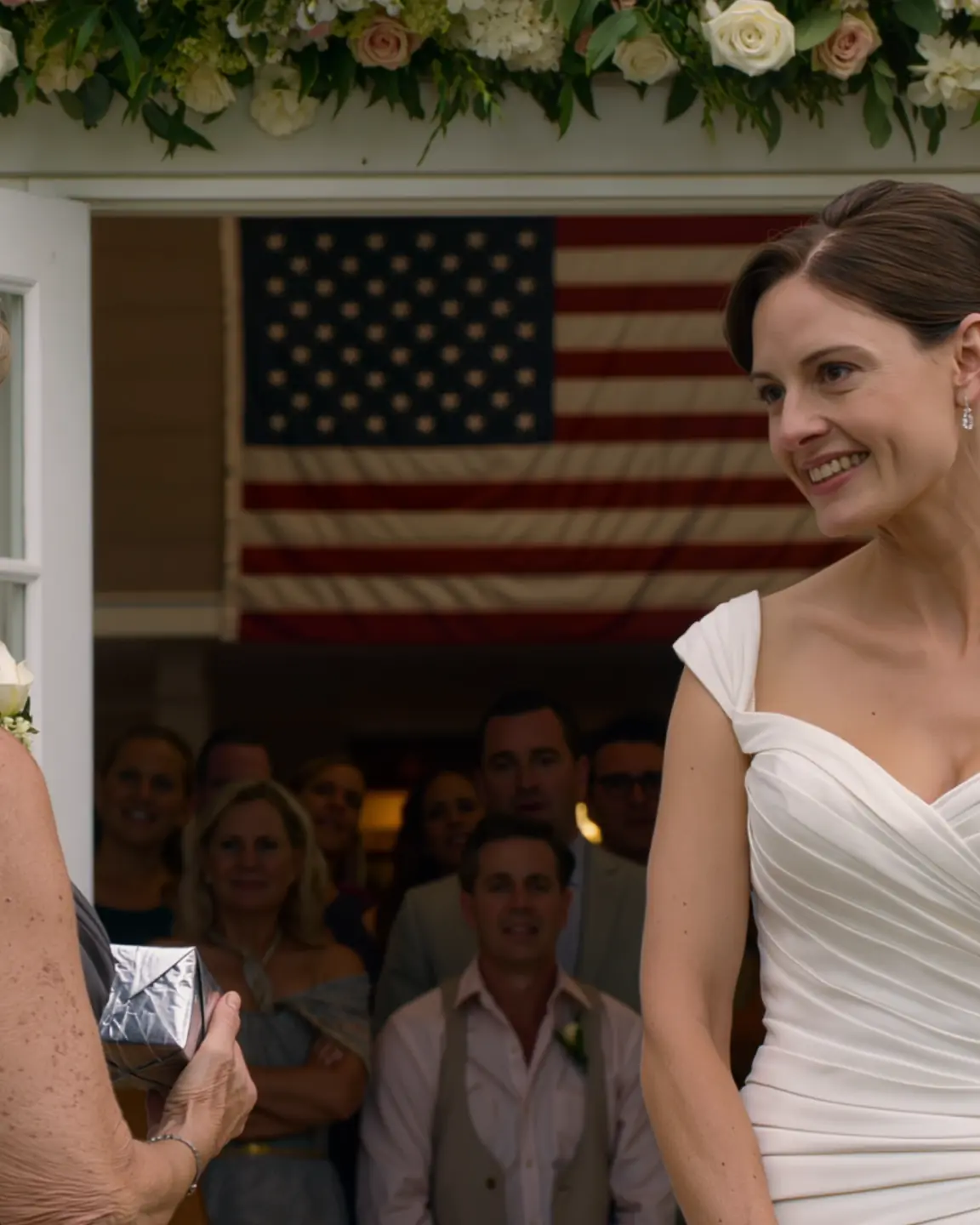
We left quietly, made one decision at a nearby café… and my phone soon showed 32 missed calls
My sister and i grew up in the same house but different worlds
We lost more than money when our business failed
The words i said in anger stayed with my son for years
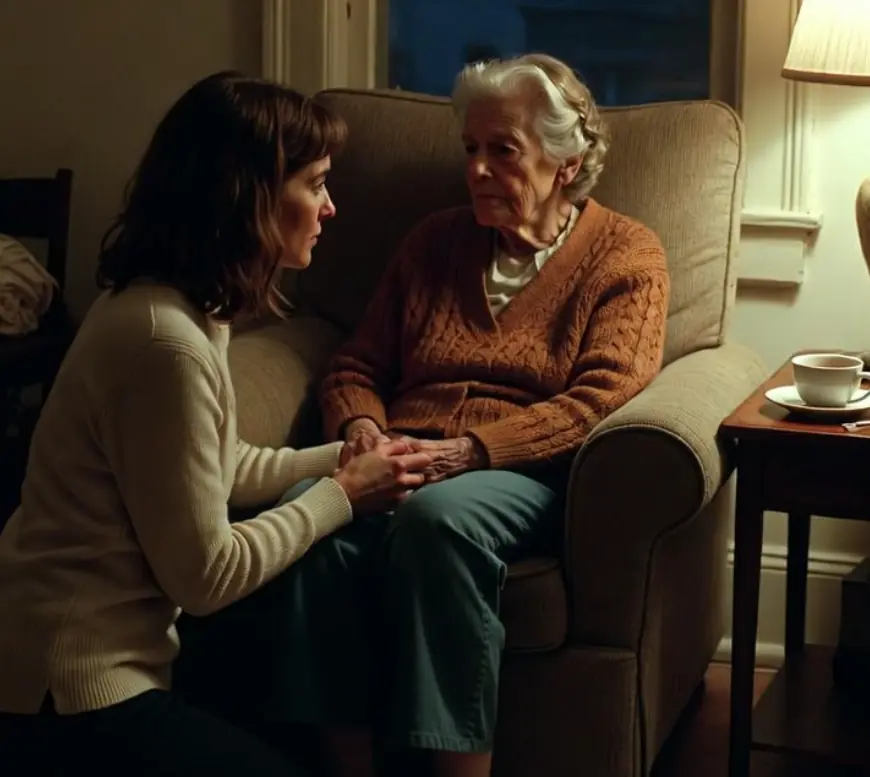
I didn’t realize how lonely my mother was until it was almost too late
I thought my wife was keeping secrets but i was completely wrong
The old photo album brought our whole family together
I thought my marriage was ordinary until i looked closer
Our family road trip started with arguments and ended with laughter
The day our power went out was the day we talked for hours
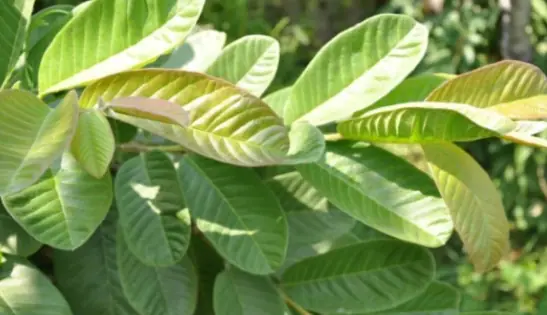
Guava leaves are not only an ingredient in cooking but also have many wonderful uses for health and beauty. Here are some of the outstanding benefits of guava leaves:
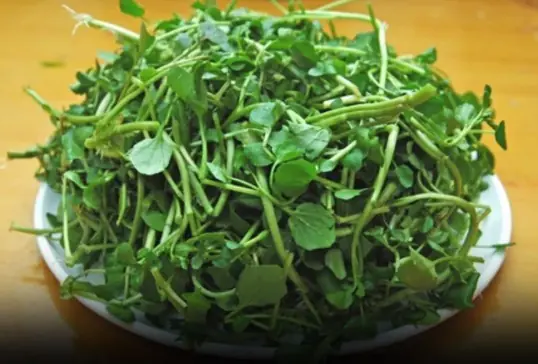
Here are 4 best vegetables that can help prevent cancer due to their rich content of antioxidants, vitamins, and minerals:
Moving in with my parents was supposed to be temporary
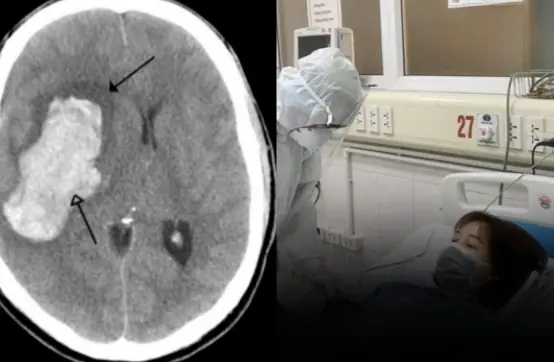
Even young individuals can experience strokes
The surprise my kids planned changed the way i saw myself
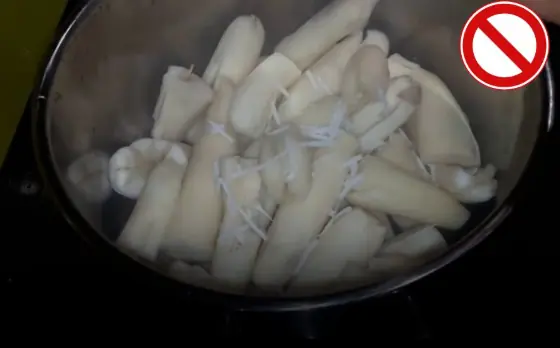
It’s fragrant, refreshing, and a staple in many Southeast Asian kitchens
We didn’t have much, but we always had sunday dinners
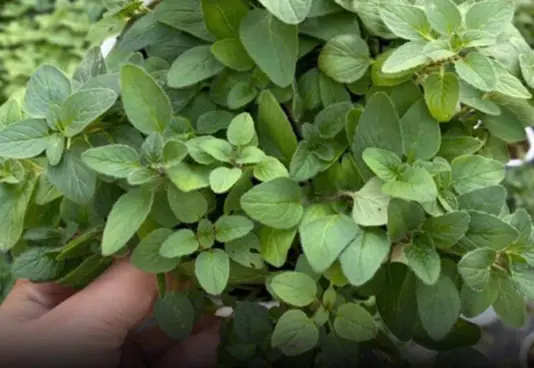
Oregano may seem like just another kitchen herb, but this small, fragrant leaf carries a surprising amount of medicinal power.

Boiled eggs are one of the most common and convenient foods in everyday life.
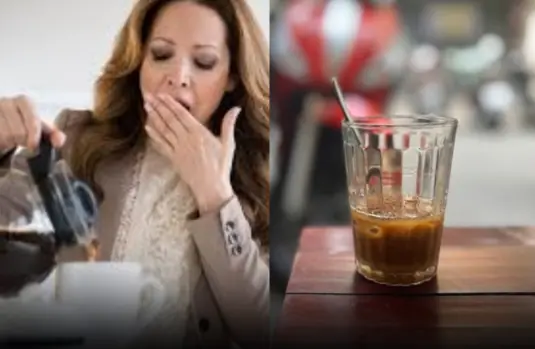
Although often praised as a “golden beverage” for its benefits to cardiovascular health, brain function, and energy metabolism, coffee is not always good for the body if consumed at the wrong time.