My sister and i grew up in the same house but different worlds
My sister and i grew up in the same house but different worlds
Story 14/02/2026 11:08
The "setback" arrived in the form of a sleek, white envelope—a severance package that felt more like a polite eviction notice from my adult life. At thirty-two, I had a career in marketing, a studio apartment with a view of a brick wall, and a very specific sense of independence. Three weeks later, I was staring at a stack of cardboard boxes in my childhood bedroom, surrounded by walls that were still a shade of "Dusty Rose" I had chosen in 1998.
"It’s just for a few months, Elena," my mother said, her voice bright with a terrifying level of enthusiasm as she handed me a stack of fresh towels. "Like a long sleepover!"
"Except with a resume and a looming sense of existential dread," I muttered, trying to find a place for my professional blazer among my old high school yearbooks.
The move was supposed to be a pit stop, a brief refueling station before I launched back into the "real world." Instead, it became a masterclass in awkward adjustments and the peculiar, rhythmic comedy of generational friction.
Living with your parents as an adult is like trying to wear a pair of shoes you outgrew a decade ago—they’re familiar, but they pinch in places you forgot existed. The first few weeks were defined by the "Great Schedule Conflict." I was used to midnight snacks and working until 2:00 AM; my parents, Henry and Martha, lived by the internal clock of people who consider 9:00 PM a late night and 6:00 AM the only acceptable time to begin the "symphony of the coffee maker."
"Elena? Are you awake?" my father would whisper through the door at 6:15 AM. "I’m going to the hardware store. Do you need anything? A level? A bag of mulch?"
"Dad, it’s Tuesday," I’d groan into my pillow. "I don't need mulch at dawn."
The minor conflicts were constant and oddly domestic. There was the "Dishwasher Debacle," where my mother insisted that my method of loading the plates was a "haphazard chaos" that threatened the very integrity of the appliance. There was the "Thermostat War," a silent battle where I would nudge the heat up to 70, only for my father to pass by minutes later and click it back to a brisk 64 with a satisfied hum of frugality.
Humor became my primary survival mechanism. I started keeping a mental log of "Parental Wisdom," which included gems like my mother’s firm belief that a cold can be cured by wearing wool socks to bed, and my father’s conviction that every problem in the modern world could be solved if people just "used more WD-40."
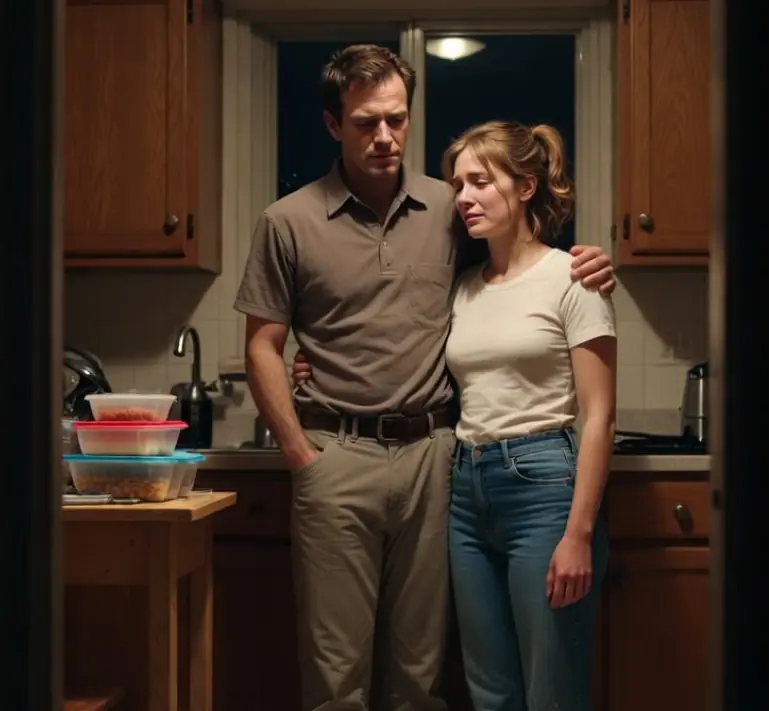
But beneath the humor, the self-doubt was a heavy, stagnant pool. Every morning, I would sit at the kitchen table with my laptop, firing off applications into the digital void, feeling like a failure. I felt like I was moving backward while the rest of the world was sprinting ahead. I was the "unsuccessful daughter" taking up space in the guest room.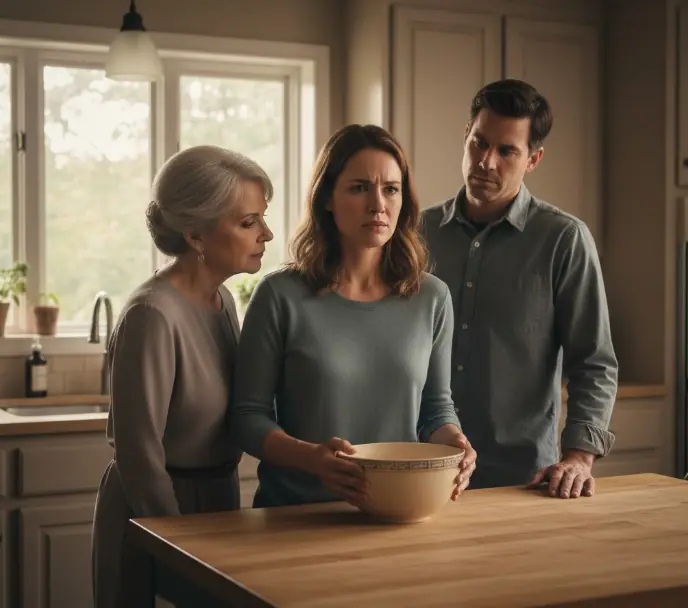
The shift toward warmth didn't happen with a grand apology or a sudden change in my employment status. It happened in the quiet, unscripted moments between the "mulch runs" and the dishwasher arguments.
It started on a Thursday night when I was particularly low, having received a generic rejection email for a job I truly wanted. I was sitting on the back porch, staring at the dark silhouettes of the oak trees, feeling invisible.
My father walked out and sat in the creaky wicker chair next to me. He didn't ask about the job. He didn't offer a platitude. He just handed me a bowl of vanilla ice cream with way too many sprinkles.
"Your mother says sprinkles make things 'festive,'" he said, looking out at the yard. "I think they just make things crunchy. But she’s usually right about the spirit of the thing."
I took a bite, the sugary crunch a startling contrast to my bitter mood. "I feel like I’m wasting time, Dad. I’m thirty-two and I’m back where I started."
"You aren't back where you started, El," he said gently. "You're just back where you’re loved. There’s a difference. Life isn't a straight line. It’s more like a garden. Sometimes you have to let the soil rest before you plant something new."
I looked at him—really looked at him—and realized that for years, I had seen my parents as static figures, "The Mom" and "The Dad," roles they played in my life. I hadn't seen them as people who had faced their own winters, who had survived their own setbacks.
Over the next few months, the "Dusty Rose" walls stopped feeling like a prison and started feeling like a cocoon. I began to participate in their rituals rather than just tolerating them. I started going on the 6:30 AM coffee runs with my father, learning about the neighbors and the secret history of the local park. I spent Saturday afternoons in the kitchen with my mother, finally learning how to make her "untraceable" gravy—a recipe that involved more intuition than measurements.
We rediscovered a closeness that my busy, independent life in the city had never allowed. We talked about things we hadn't discussed since I was a child—not logistics or schedules, but dreams, fears, and the way the world had changed. I realized that my independence had come at the cost of intimacy, and this "setback" was actually a rare, beautiful gift of time.
The emotional growth was subtle but profound. I learned that being "adult" didn't mean never needing help; it meant having the humility to accept it and the wisdom to appreciate it. I stopped seeing my parents' quirks as annoyances and started seeing them as the unique brushstrokes of their characters.
The "Dishwasher Debacle" ended when I finally asked my mother to show me her system. As we stood there, organizing the forks, she leaned her head against my shoulder.
"I know it’s hard being here, Elena," she whispered. "But having you back... it’s like the house has its music back. I’m going to miss the 'haphazard chaos' when you leave."
The "temporary" move lasted six months. When I finally landed a new position—a better one than I’d lost—and found a small apartment in the city, the feeling of triumph was mixed with a surprising, sharp pang of sorrow.
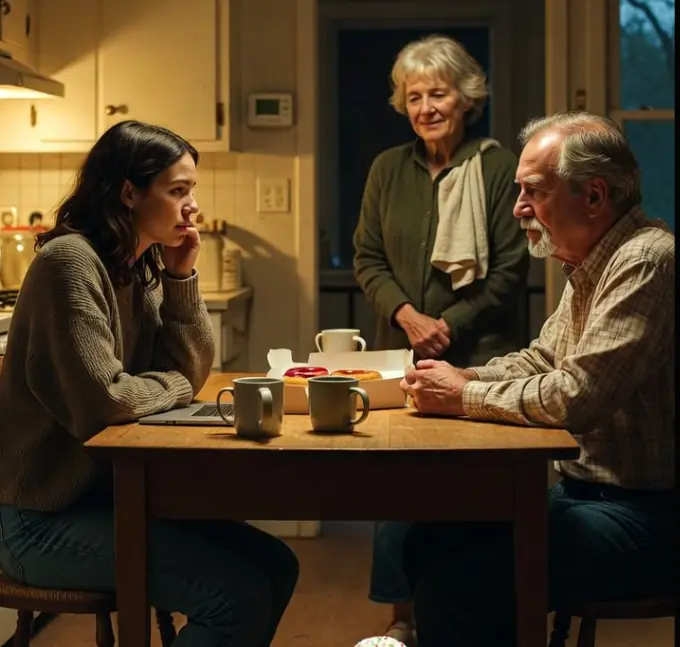
On my final night, we sat around the kitchen table, the same place where I had felt so much shame six months earlier. We ate the "mulch-run" donuts and laughed about the "Thermostat War" of 2025.
"I’m going to keep my socks on tonight," I joked, hugging my mother. "For the wool-sock cure."
"It works for everything," she said, her eyes glistening. "Including a heavy heart."
As I drove away the next morning, my car packed with the same boxes I had arrived with, I looked in the rearview mirror at my parents waving from the driveway. I wasn't the same woman who had arrived in June. I was stronger, yes, but I was also softer.
I realized that moving back home wasn't a retreat; it was a return to the foundation. My parents didn't just give me a room; they gave me a perspective. They reminded me that I was more than my resume, more than my title, and more than my independence.
I am Elena, a woman who knows how to make gravy, who knows that 6:00 AM is actually a beautiful time of day, and who knows that no matter how far I travel, I will always have a place where the heat is kept at 64 degrees and the love is kept at a simmer. My "temporary" stay taught me that the road to the future often leads through the past, and I am finally, beautifully, moving forward with a heart that is full of gratitude for the journey back home.
My sister and i grew up in the same house but different worlds
We lost more than money when our business failed
The words i said in anger stayed with my son for years
I didn’t realize how lonely my mother was until it was almost too late
I thought my wife was keeping secrets but i was completely wrong

The old photo album brought our whole family together
I thought my marriage was ordinary until i looked closer

Our family road trip started with arguments and ended with laughter
My father never said ‘i love you,’ but he showed it every day
The day our power went out was the day we talked for hours
The surprise my kids planned changed the way i saw myself
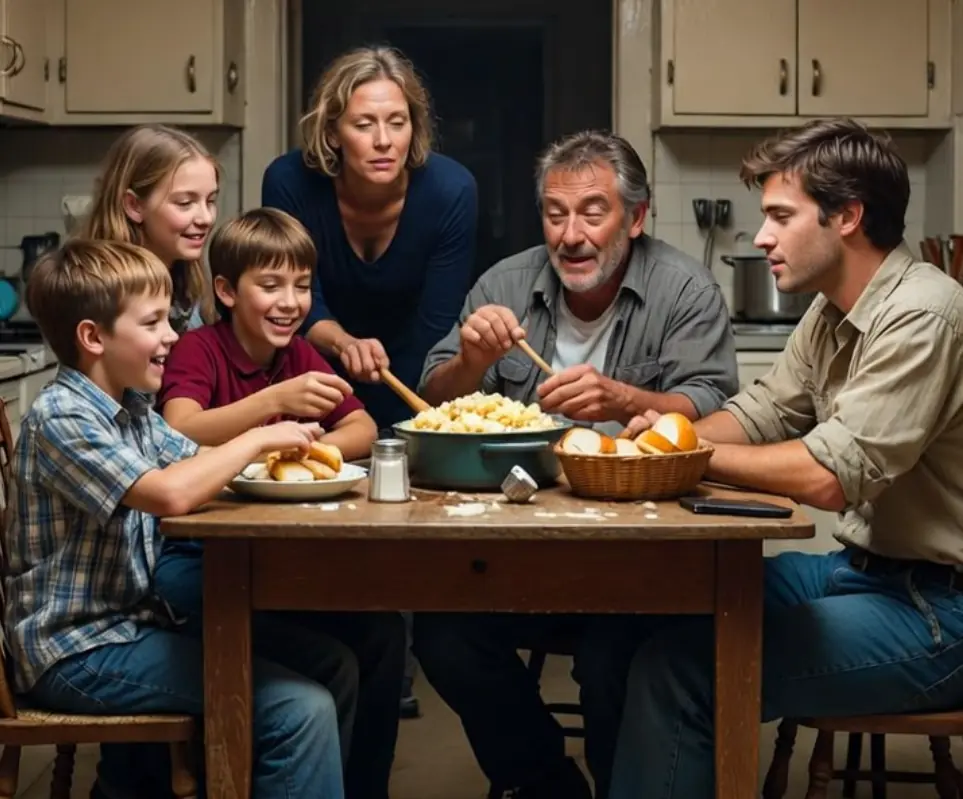
We didn’t have much, but we always had sunday dinners
“You’ve been bleeding me dry for 38 years. From now on, every penny you spend comes from your own pocket!” he said. I just smiled. When his sister came for Sunday dinner and saw the table, she turned to him and said: “You have no idea what you had
At 69, I hired a private investigator just for “peace of mind.” He found my husband’s secret family and another marriage license from 1998. The detective looked at me and said, “Ma’am, you just became very rich.”
We left quietly, made one decision at a nearby café… and my phone soon showed 32 missed calls
My sister and i grew up in the same house but different worlds
We lost more than money when our business failed
The words i said in anger stayed with my son for years
I didn’t realize how lonely my mother was until it was almost too late
I thought my wife was keeping secrets but i was completely wrong
The old photo album brought our whole family together
I thought my marriage was ordinary until i looked closer
Our family road trip started with arguments and ended with laughter
My father never said ‘i love you,’ but he showed it every day
The day our power went out was the day we talked for hours
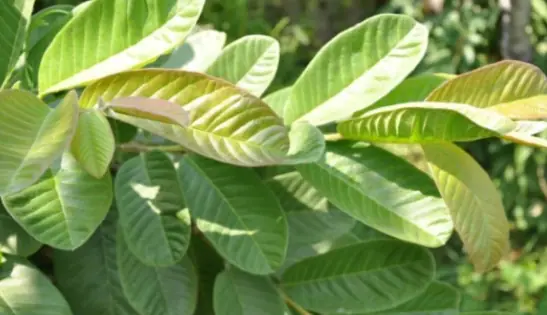
Guava leaves are not only an ingredient in cooking but also have many wonderful uses for health and beauty. Here are some of the outstanding benefits of guava leaves:
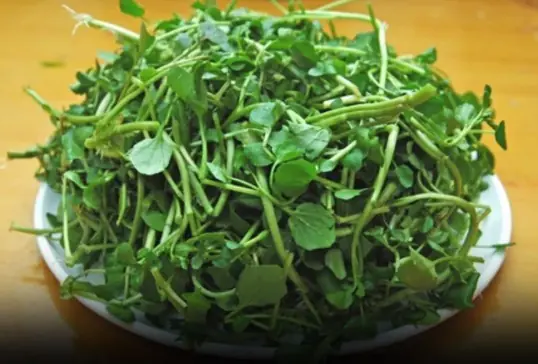
Here are 4 best vegetables that can help prevent cancer due to their rich content of antioxidants, vitamins, and minerals:
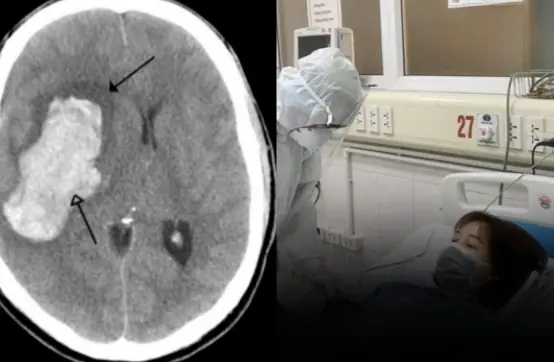
Even young individuals can experience strokes
The surprise my kids planned changed the way i saw myself
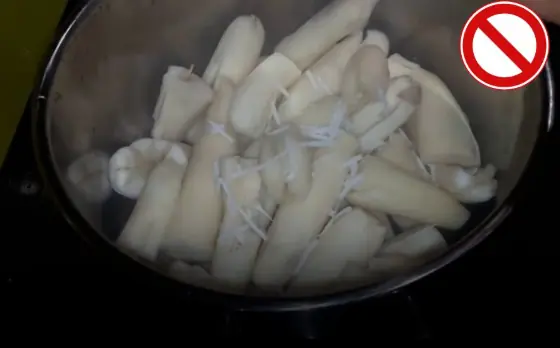
It’s fragrant, refreshing, and a staple in many Southeast Asian kitchens
We didn’t have much, but we always had sunday dinners
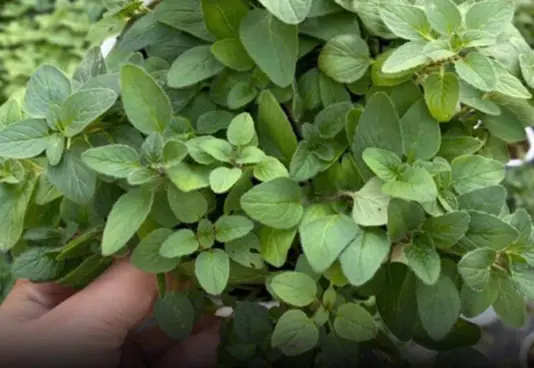
Oregano may seem like just another kitchen herb, but this small, fragrant leaf carries a surprising amount of medicinal power.

Boiled eggs are one of the most common and convenient foods in everyday life.
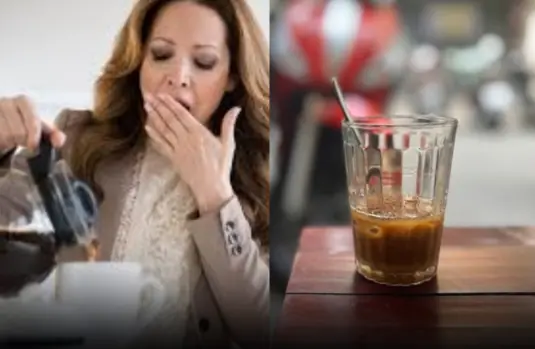
Although often praised as a “golden beverage” for its benefits to cardiovascular health, brain function, and energy metabolism, coffee is not always good for the body if consumed at the wrong time.