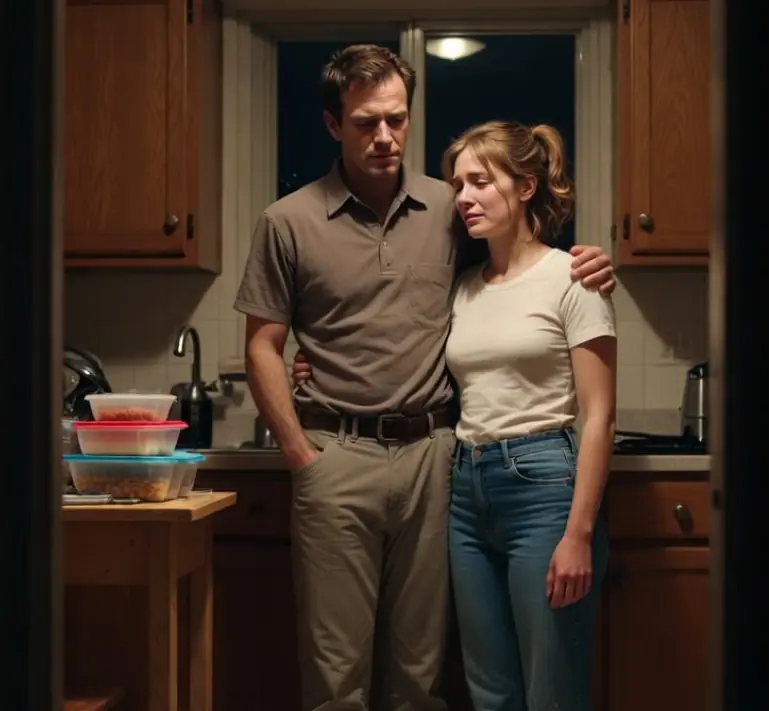
My sister and i grew up in the same house but different worlds
My sister and i grew up in the same house but different worlds
Story 14/02/2026 11:08
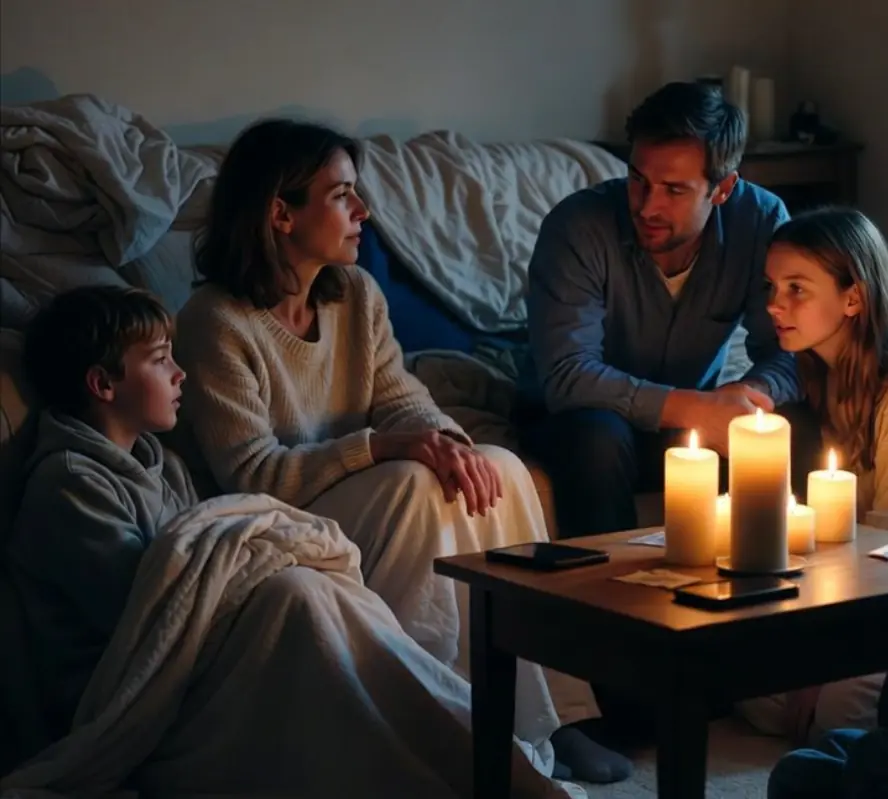
The hum of the modern world is so constant that you only truly hear it when it stops. It was a Tuesday evening in November, a night defined by the typical digital symphony of our household. My husband, David, was in the corner of the sofa, the blue light of his laptop illuminating a face tight with work deadlines. Our daughter, Chloe, was upstairs in the silent vacuum of her bedroom, likely lost in a scroll of social media, while ten-year-old Sam was in the basement, the muffled sounds of virtual explosions echoing through the floorboards.
I was in the kitchen, half-watching a cooking video on my tablet while I chopped onions. We were all under the same roof, but we were miles apart, tethered to different satellites and separate servers.
Then, the world blinked.
A sudden, jarring pop echoed from the street, followed by a silence so absolute it felt heavy. The lights vanished. The oven clock died. The hum of the refrigerator ceased. In an instant, the digital tether was severed, and the house was plunged into a thick, velvety darkness.
"Great," David’s voice drifted from the living room, sounding small without the backdrop of the television. "There goes the router."
"Mom? Is the Wi-Fi down?" Sam’s voice drifted up from the basement, tinged with a note of genuine panic.
The initial hour was a masterclass in collective withdrawal. We navigated the hallways with the pale, flickering light of our phone flashlights—the final embers of our digital lives. We sat in the living room, staring at our devices like they were magical artifacts that had suddenly lost their power.
"The estimate says the grid is down for at least six hours," David announced, checking his phone one last time before the battery hit five percent. He set the device face-down on the coffee table with a sigh that sounded like a surrender.
"What are we supposed to do?" Chloe asked, sitting on the edge of the armchair. "It's only seven o'clock. We can't just go to sleep."
The boredom was immediate and itchy. Without the constant stream of notifications and entertainment, the room felt cavernous. We were four people who hadn't sat in a room together without a screen as an intermediary in longer than I cared to admit. The silence was awkward, a gap we didn't know how to fill.
"I have candles," I said, rising to find the emergency stash in the pantry. "And I think there’s a deck of cards in the junk drawer."
I lit six thick pillar candles and arranged them on the coffee table. The orange glow transformed the room, casting long, dancing shadows against the walls. The harsh, clinical reality of the day softened into something primal and ancient. We weren't a modern family in a suburban home anymore; we were a circle of people gathered around a fire.
"Let’s play 'War,'" Sam suggested, grabbing the cards.
We started with cards, but as the candlelight flickered, the game became secondary. The boredom, once a nuisance, began to act as a catalyst. Without the ability to "check out" into a digital world, we were forced to check into each other.
"Remember the time the power went out at Grandma’s house during the blizzard of '18?" David asked, a small smile tugging at his lips.
"The one where we had to sleep in front of the fireplace and Sam thought the shadows on the wall were monsters?" Chloe laughed, her posture finally relaxing.
"They were monsters," Sam defended, though he was grinning. "They had giant claws."
The storytelling began as a trickle and turned into a flood. We moved from "War" to "The Memory Game," where we each had to recount a detail from a family trip that no one else remembered. I told them about the time David got us lost in the mountains of North Carolina and tried to use a tourist brochure as a map. David told the kids about the night he decided he wanted to be an architect, a dream he’d put aside for a more "practical" career in finance.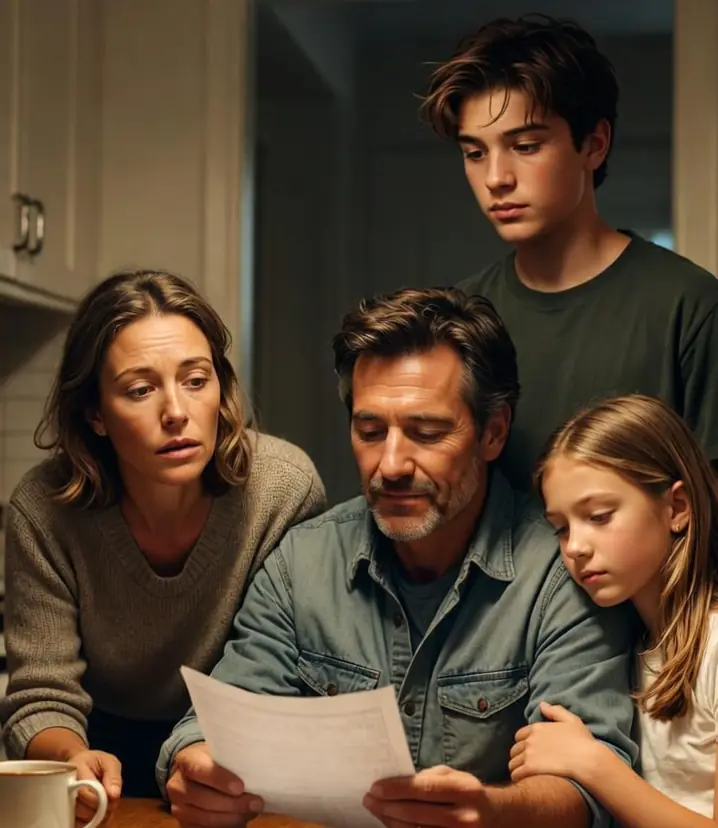
I watched my children’s faces in the candlelight. Without the distraction of their phones, their eyes were bright and focused. They were listening—really listening.
The conversation shifted from humor to a quiet, heartfelt depth. Chloe, who had spent the last year being a fortress of teenage stoicism, began to talk about the pressure she felt about college applications. She spoke about the fear of picking the "wrong" path and the weight of our expectations.
"We just want you to be happy, Chlo," David said softly, reaching across the table to squeeze her hand. "The path isn't as important as the person walking it. I wish I’d known that at your age."
The darkness had created a sanctuary of vulnerability. In the absence of light, we felt safer saying the things that felt too exposed in the sunshine. We talked about fears, about the things we missed, and about the dreams we were too embarrassed to post on a status update. I found myself telling them about my grandmother, the woman whose name Chloe carried, and the way she used to sing while she hung laundry on the line.
"I didn't know she sang," Chloe whispered.
"She had a voice like a bird," I said. "You have her laugh, you know."
As the hours passed, the "tragedy" of the blackout was forgotten. The house was cold, and we had to pile blankets over our shoulders, but the atmosphere was warmer than it had been in months. We were no longer four separate individuals operating in the same coordinates; we were a family. We were rediscovering the "us" that had been buried under the noise of the hum.
Sam eventually fell asleep with his head in my lap, his breathing steady and calm. David and Chloe were leaning against each other, talking in low, hushed tones about books and music. I realized that if the power had stayed on, David would still be at his laptop, Chloe would be in her room, and I would be scrolling through a feed of strangers’ lives.
The realization about presence hit me with a profound clarity. We spent so much of our time "connected" to the world that we had become disconnected from the people sitting three feet away. We were so busy documenting our lives that we were forgetting to actually inhabit them.
The power didn't come back on until 2:00 AM. A sudden, violent surge of light flooded the room—the overhead lamp, the television, the kitchen appliances all screaming back to life at once. The "hum" returned with a vengeance.
"It’s back," Sam muttered, blinking against the glare.
David stood up and walked to the wall, but instead of returning to his laptop, he did something that made my heart swell. He turned the light switch back off.
"Let's just keep the candles for a little longer," he said.
We stayed in the glow for another half hour, enjoying the final moments of the silence. When we finally went to bed, we didn't check our notifications. We didn't plug in our lives. We simply said goodnight, and for the first time in a long time, the words felt like they had weight.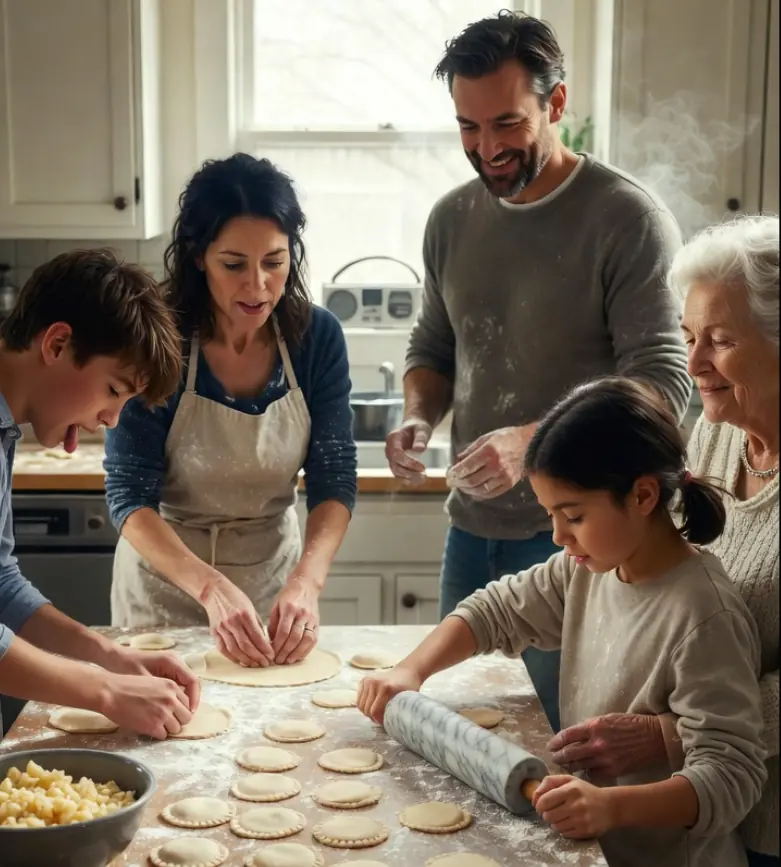
The day our power went out was the day we found our voice. We learned that connection isn't something that happens through a fiber-optic cable; it’s something that happens in the quiet spaces between heartbeats. We learned that boredom is just an invitation to be present, and that the best stories aren't the ones we watch on a screen, but the ones we tell each other in the dark.
I still like the hum of the world. I like the convenience of the microwave and the way I can call my mother across the country with a tap of a screen. But now, whenever the house feels a little too loud or the family feels a little too far apart, I find myself looking at the light switch. I know now that sometimes, the best way to see each other is to turn off the lights and just start
My sister and i grew up in the same house but different worlds
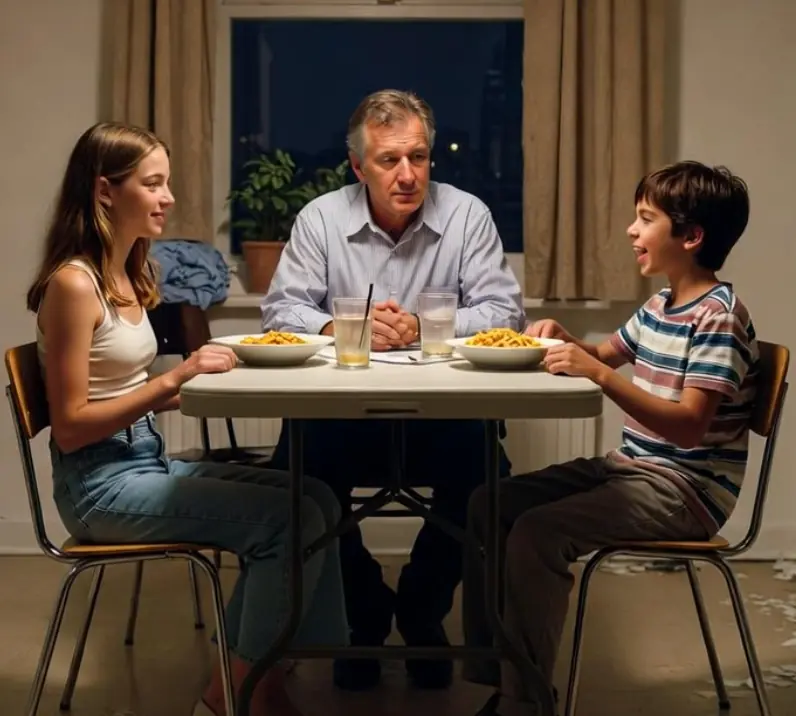
We lost more than money when our business failed
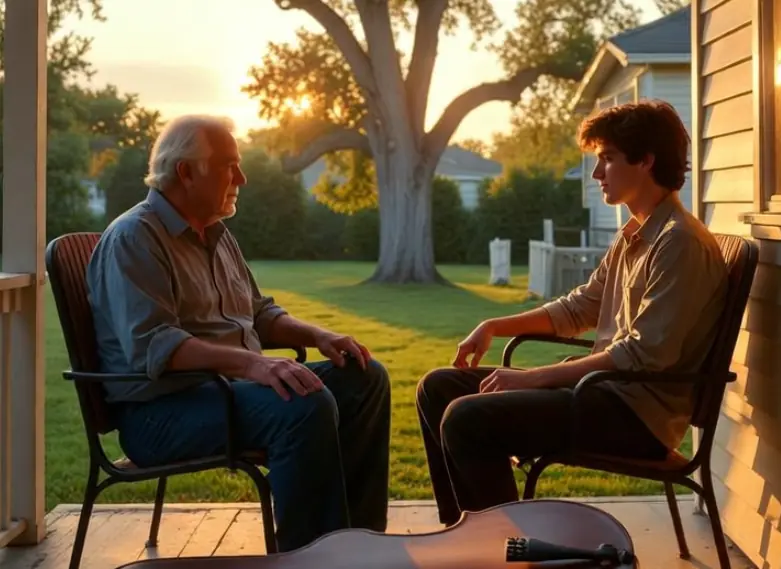
The words i said in anger stayed with my son for years
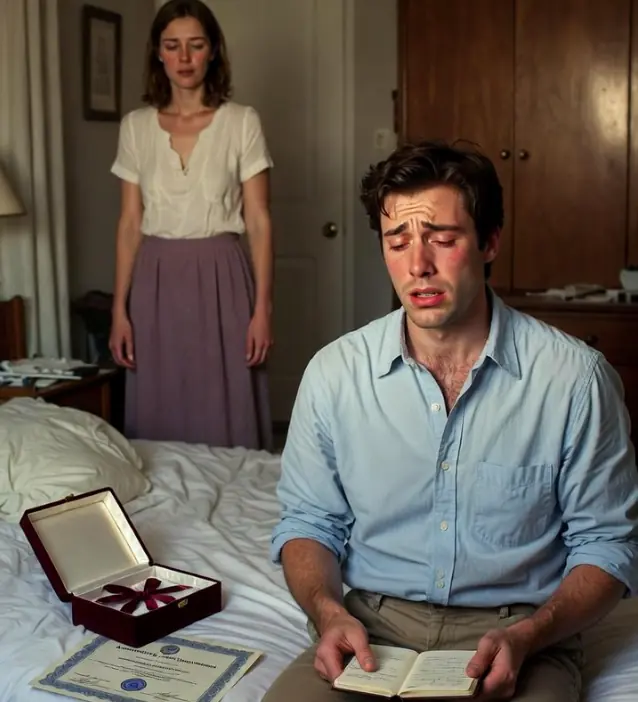
I thought my wife was keeping secrets but i was completely wrong

The old photo album brought our whole family together
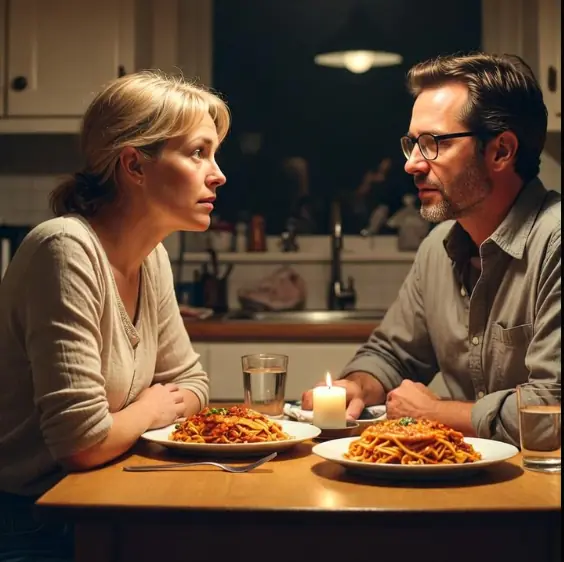
I thought my marriage was ordinary until i looked closer

Our family road trip started with arguments and ended with laughter
My father never said ‘i love you,’ but he showed it every day
Moving in with my parents was supposed to be temporary
The surprise my kids planned changed the way i saw myself
We didn’t have much, but we always had sunday dinners
“You’ve been bleeding me dry for 38 years. From now on, every penny you spend comes from your own pocket!” he said. I just smiled. When his sister came for Sunday dinner and saw the table, she turned to him and said: “You have no idea what you had
At 69, I hired a private investigator just for “peace of mind.” He found my husband’s secret family and another marriage license from 1998. The detective looked at me and said, “Ma’am, you just became very rich.”
We left quietly, made one decision at a nearby café… and my phone soon showed 32 missed calls
My sister and i grew up in the same house but different worlds
We lost more than money when our business failed
The words i said in anger stayed with my son for years
I didn’t realize how lonely my mother was until it was almost too late
I thought my wife was keeping secrets but i was completely wrong
The old photo album brought our whole family together
I thought my marriage was ordinary until i looked closer
Our family road trip started with arguments and ended with laughter
My father never said ‘i love you,’ but he showed it every day

Guava leaves are not only an ingredient in cooking but also have many wonderful uses for health and beauty. Here are some of the outstanding benefits of guava leaves:

Here are 4 best vegetables that can help prevent cancer due to their rich content of antioxidants, vitamins, and minerals:
Moving in with my parents was supposed to be temporary
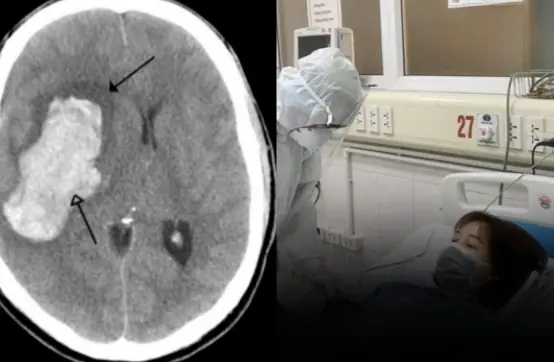
Even young individuals can experience strokes
The surprise my kids planned changed the way i saw myself

It’s fragrant, refreshing, and a staple in many Southeast Asian kitchens
We didn’t have much, but we always had sunday dinners

Oregano may seem like just another kitchen herb, but this small, fragrant leaf carries a surprising amount of medicinal power.

Boiled eggs are one of the most common and convenient foods in everyday life.

Although often praised as a “golden beverage” for its benefits to cardiovascular health, brain function, and energy metabolism, coffee is not always good for the body if consumed at the wrong time.