
I thought my wife was keeping secrets but i was completely wrong
I thought my wife was keeping secrets but i was completely wrong
Story 14/02/2026 10:22
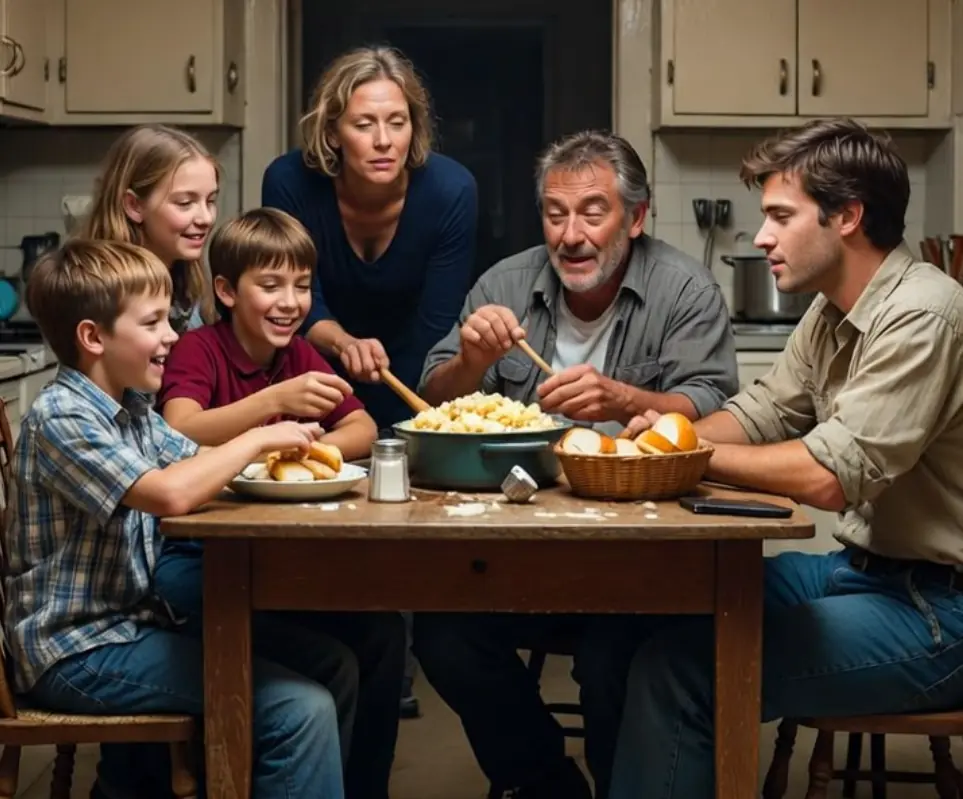
The linoleum floor in our kitchen was a patchwork of various shades of beige, peeling at the corners like an old bandage. In the middle of this humble stage stood our dining table—a heavy, scarred oak beast that had survived three moves, two broken legs, and the exuberant childhood of four siblings. To anyone else, it was just furniture. To us, it was the sanctuary where the world stopped spinning for exactly two hours every week.
"Seven o’clock, Elena. Not seven-fifteen, not 'whenever the game ends.' Seven," my mother would say, her voice carrying that melodic but immovable tone she used when discussing the sacred.
Financial hardship has a way of making life feel like a series of subtractions. We grew up knowing the weight of things we couldn't have: the brand-name sneakers, the summer camps, the latest gaming consoles. But Sunday dinner was our great addition. It didn't matter if the week had been a disaster of unpaid bills or overtime shifts that left my father’s hands shaking with exhaustion. On Sundays, we sat down to a feast of togetherness.
The realism of our dinners, however, was far from the glossy images in a lifestyle magazine. We were a family of strong opinions and short fuses, and our gatherings were often a beautiful, messy collision of personalities.
I remember one particular Sunday in late October. The air outside was crisp, but the kitchen was a humid, frantic battlefield. My older brother, Marcus, had arrived twenty minutes late, smelling of grease from the auto shop where he worked double shifts.
"I told you, Ma, the transmission on the Miller truck wouldn't seat right," Marcus groaned, dropping his keys on the counter.
"And I told you the roast doesn't wait for transmissions," my mother replied, pointing a wooden spoon at his chair.
The tension was already simmering. My sister, Chloe, was in a foul mood because her college scholarship application required an essay she didn't know how to start, and Sam, the youngest, had managed to knock over a container of salt, which my superstitious mother viewed as a herald of doom.
Then came the centerpiece of the disaster: the potatoes.
My father, usually the quiet observer of the kitchen, had been tasked with mashing them. In a moment of rare distraction while trying to fix the leaking faucet in the pantry, he had left the pot on the burner too long. The smell hit us all at once—the sharp, acrid scent of scorched starch.
"David!" my mother cried out, reaching for the pot.
"I had it under control until the washer slipped!" my father defended, his face reddening.
For a moment, the silence was heavy. We were all tired. We were all stressed by the reality of a bank account that was barely holding its breath until payday. The burned potatoes felt like the final straw, a symbol of everything that was going wrong.
But then, Marcus let out a short, sharp snort of laughter.
"Well, look on the bright side," he said, poking at the black crust at the bottom of the pot. "If the car wash doesn't work out, we can always sell these as charcoal briquettes."
Chloe snickered. I started to giggle. Within seconds, the "potato catastrophe" had broken the dam. The frustration evaporated, replaced by the kind of laughter that makes your stomach ache. We weren't a family in crisis; we were just people who had burned the potatoes.
"Pass the charcoal, please," Sam joked, and the "Great Scorch of '25" became an instant inside joke, joined to a long list of previous kitchen casualties.
These shared rituals were the emotional glue that kept us from drifting apart under the pressure of our modest circumstances. We had the "Bread Crust Ceremony," where the youngest was always given the first piece of the heel. We had the "High-Low" game, where everyone had to share the best and worst part of their week. And we had the "No Phone Zone," a rule enforced with the threat of having to do the dishes alone for a month.
The laughter was our armor. We would sit there for hours, the burned potatoes forgotten, as we told the same stories for the hundredth time. We talked about the time the dog stole the Thanksgiving turkey, and the time Marcus tried to cut his own hair with kitchen shears.
Through these stories, we built a shared history that was richer than any bank account. In those moments, I didn't see the peeling linoleum or the worn-out upholstery of the chairs. I saw my father’s eyes soften as he looked at my mother. I saw Chloe’s stress melt away as Marcus gave her a rough, supportive nudge. I saw a family that was choosing to be happy.
The petty arguments—the ones about who used the last of the milk or who forgot to take out the trash—always seemed to dissolve by the time the coffee was served. The table acted as a neutral ground where we could be our most authentic, flawed selves and still be accepted.
Looking back now, I realize that the "financial hardship" of those years wasn't the headline of our lives. It was just the background noise. The real story was the Sunday dinners. We didn't have much, but we had a table that was always full of life.
I’ve lived in much nicer places since I left home. I’ve sat at tables made of marble and eaten meals prepared by professional chefs. But none of those experiences have ever matched the soul-deep satisfaction of those Sunday nights on the beige linoleum.
Simple traditions build lifelong happiness because they create a predictable rhythm of love. They tell you that no matter how hard the world treats you during the week, there is a place where you belong on Sunday. They teach you that joy isn't a destination you reach when you finally have enough money; it’s a choice you make when you sit down with the people you love.
We are the Millers, and we are still a work in progress. But every Sunday, at seven o’clock, the world stops spinning. We sit down, we pass the bread, and we remind each other that we have everything we need. The linoleum might still be peeling, and the potatoes might get burned every now and then, but the love at that table is the most solid thing I have ever known. Happiness, it turns out, doesn't require a lot of stuff—it just requires a chair at the table and a heart willing to laugh at the charcoal.
I thought my wife was keeping secrets but i was completely wrong

The old photo album brought our whole family together
I thought my marriage was ordinary until i looked closer

Our family road trip started with arguments and ended with laughter
My father never said ‘i love you,’ but he showed it every day
The day our power went out was the day we talked for hours
Moving in with my parents was supposed to be temporary
The surprise my kids planned changed the way i saw myself

“You’ve been bleeding me dry for 38 years. From now on, every penny you spend comes from your own pocket!” he said. I just smiled. When his sister came for Sunday dinner and saw the table, she turned to him and said: “You have no idea what you had

At 69, I hired a private investigator just for “peace of mind.” He found my husband’s secret family and another marriage license from 1998. The detective looked at me and said, “Ma’am, you just became very rich.”

We left quietly, made one decision at a nearby café… and my phone soon showed 32 missed calls

I spent a month in the hospital, and when I came back home

“Kneel and clean my shoes right now!”

No housekeeper had ever lasted long with the billionaire’s new wife

At the divorce hearing, my husband laughed
I thought my wife was keeping secrets but i was completely wrong
The old photo album brought our whole family together
I thought my marriage was ordinary until i looked closer
Our family road trip started with arguments and ended with laughter
My father never said ‘i love you,’ but he showed it every day
The day our power went out was the day we talked for hours

Guava leaves are not only an ingredient in cooking but also have many wonderful uses for health and beauty. Here are some of the outstanding benefits of guava leaves:
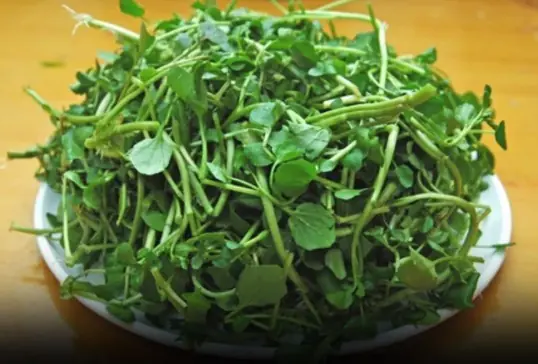
Here are 4 best vegetables that can help prevent cancer due to their rich content of antioxidants, vitamins, and minerals:
Moving in with my parents was supposed to be temporary

Even young individuals can experience strokes
The surprise my kids planned changed the way i saw myself

It’s fragrant, refreshing, and a staple in many Southeast Asian kitchens
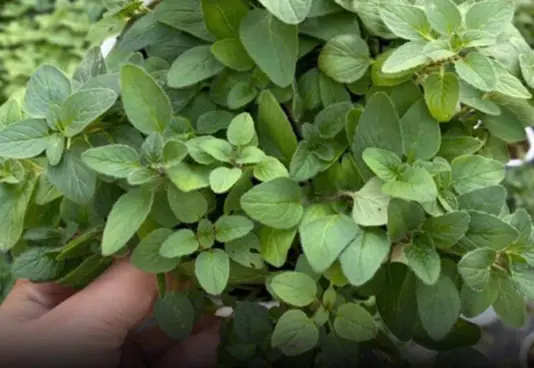
Oregano may seem like just another kitchen herb, but this small, fragrant leaf carries a surprising amount of medicinal power.

Boiled eggs are one of the most common and convenient foods in everyday life.

Although often praised as a “golden beverage” for its benefits to cardiovascular health, brain function, and energy metabolism, coffee is not always good for the body if consumed at the wrong time.
8 foods that are incompatible with tumors, remind each other to eat them regularly

Hidden bedroom pollutants may quietly threaten lung health