My sister and i grew up in the same house but different worlds
My sister and i grew up in the same house but different worlds
Story 14/02/2026 11:08
The silence of my mother’s house was never something I truly heard until it became a physical weight. For years, I moved through my own life at a frantic, self-important pace—deadlines, social commitments, the endless hum of a career in the city. I viewed my mother, Alice, as a fixed point on a map, a steady lighthouse that didn't require much maintenance. She was always there, always "fine," and always the first person to tell me not to worry about her.
I was the master of the five-minute phone call. "Hi Mom, just checking in. Busy day. Love you, talk soon." I would hang up with a sense of duty fulfilled, never pausing to listen to the echo on the other end of the line. I missed the way her voice would linger on the last syllable, as if trying to catch the tail of the conversation before it vanished. I missed the subtle signs that her world was shrinking until it was just her, the ticking of the grandfather clock, and the hum of a refrigerator that held food for only one.
The realization didn't come as a sudden explosion; it arrived in a series of quiet, devastating fragments.
It started with the missed calls. Not the ones I missed from her, but the ones she stopped making to me. I noticed, with a vague sense of relief at first, that my phone wasn't buzzing with her "just calling to say hello" messages anymore. I took it as a sign of her growing independence or her being busy with the "seniors' club" she occasionally mentioned. In reality, she had simply grown tired of being a nuisance. She had learned that my "busy" was a wall she could no longer climb.
Then came the visit in late November. I had planned a quick weekend trip, a "duty visit" before the holiday rush. When I walked into the house, the first thing I noticed was the air. It felt stagnant, as if the molecules hadn't been disturbed by a guest or a conversation in weeks. The house was spotless, but it was the cleanliness of a museum, not a home. There were no crumbs on the counter, no mail on the table, no signs of life other than the television murmuring in the corner.
"Mom? I'm here," I called out.
She emerged from the kitchen, and for the first time, I actually looked at her. She seemed smaller, her frame softened by a quiet sort of resignation. She smiled, but it didn't reach her eyes—it was a practiced expression, a mask she wore so I wouldn't have to carry her burden.
"Elena! You're here early," she said, her voice sounding thin, like old parchment. "I was just... I was just sitting."
As the weekend unfolded, the signs became impossible to ignore. I found a stack of crossword puzzles on the coffee table, all of them completed in her meticulous script. I realized she had been doing them just to keep the silence at bay. I noticed that she spoke to the news anchors on the television as if they were old friends, answering their rhetorical questions with a quiet, "Is that so?" or "Imagine that."
The "almost too late" moment happened on Saturday night. I had spent most of the afternoon on my laptop, responding to emails while my mother sat in her armchair, knitting a scarf that I knew was for me.
"Mom, do you want to go out for dinner? There’s that Italian place you like," I asked, not looking up from my screen.
There was no answer.
I looked over, expecting to see her dozing. Instead, I saw her staring out the window at the dark street. A single tear was tracing a slow, silver path down her cheek. She wasn't sobbing; she was just... leaking. It was the quietest, most profound expression of sorrow I had ever witnessed.
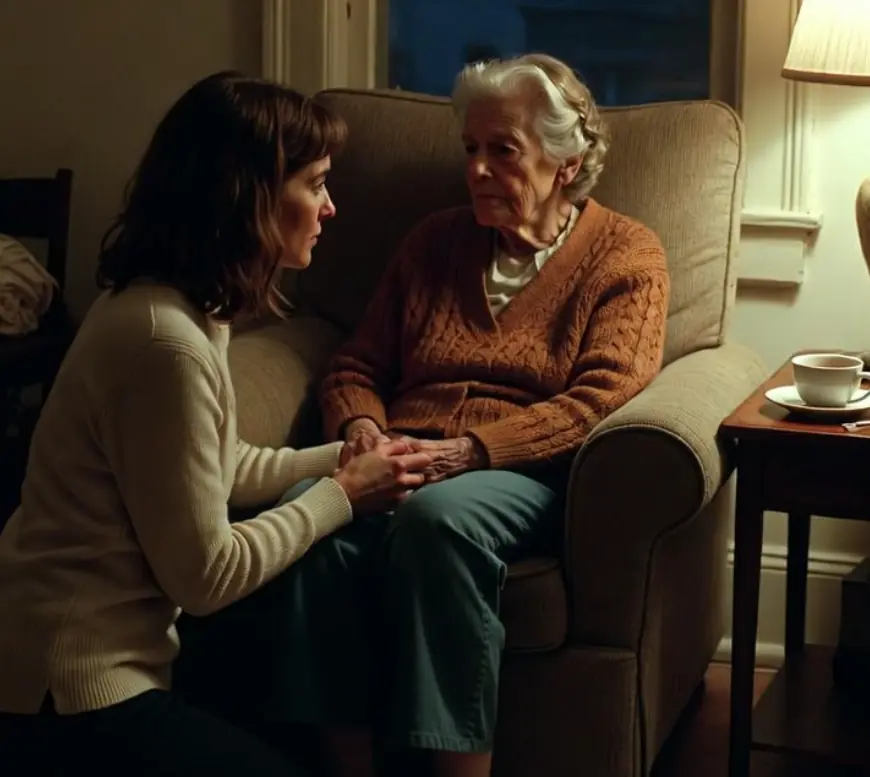
"Mom? What's wrong?" I dropped the laptop and knelt by her chair.
She didn't look at me at first. She just kept watching the empty street. "I just realized," she whispered, "that if I stopped talking, nobody would notice for a very long time. The house is so big, Elena. And the days are so long when the only person who speaks to you is the woman at the grocery store."
The weight of my neglect hit me with a physical force. I thought about the hundreds of times I had cut her off. I thought about the birthdays I had celebrated with friends while she sat in this room, perhaps eating a single sandwich and watching a sitcom to drown out the quiet. I had treated her like a background character in my story, forgetting that she was the protagonist of her own, and that her story was currently a tragedy of isolation.
"I'm sorry," I choked out, my own tears starting to blur my vision. "I'm so, so sorry. I didn't see. I wasn't looking."
She finally turned to me, and the mask was gone. She looked exhausted—not from physical labor, but from the spiritual exhaustion of being invisible. "I didn't want to be a bother," she said, her hand trembling as she reached for mine. "You're so successful, and you have such a big life. I didn't want to pull you into my little one."
That night, we didn't go to the Italian restaurant. I made tea, and we sat on the sofa, and for the first time in a decade, I listened. I didn't check my phone. I didn't think about my Monday morning meeting. I listened to her talk about the neighbors she missed, the garden she was too tired to tend to anymore, and the dreams she still had but felt too old to hold.
I realized that her loneliness wasn't a choice; it was a cage built out of her own love for me. She had stayed quiet because she thought my happiness depended on her absence.
The connection we began to rebuild that night was different than the one we had before. It wasn't based on duty or "checking in." It was based on the recognition of her humanity. I realized that my mother wasn't a lighthouse; she was a woman who needed a hand to hold in the dark.
I stayed an extra three days. We cleaned out the pantry together, talking about recipes from my childhood. We went for walks, even though she moved slowly, and I realized that the pace was exactly what I needed. I started calling her every evening—not for five minutes, but for thirty. I started telling her about my day, but more importantly, I started asking about hers. And I listened for the parts she didn't say.
I am Elena, and I almost lost my mother to the quiet. But tonight, as I sit in my apartment three hundred miles away, I can hear her laughing on the other end of the line. She’s telling me about a bird she saw at the feeder, and I’m hanging on every word. The house isn't quiet anymore, because we are talking. We are finally, beautifully, connected. I didn't realize how lonely she was, but I know now. And I am never going to let that silence return.
My sister and i grew up in the same house but different worlds
We lost more than money when our business failed
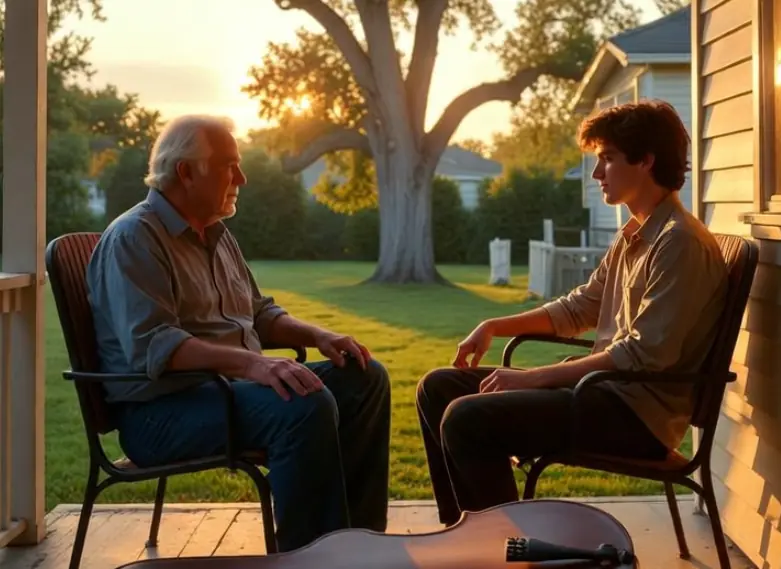
The words i said in anger stayed with my son for years
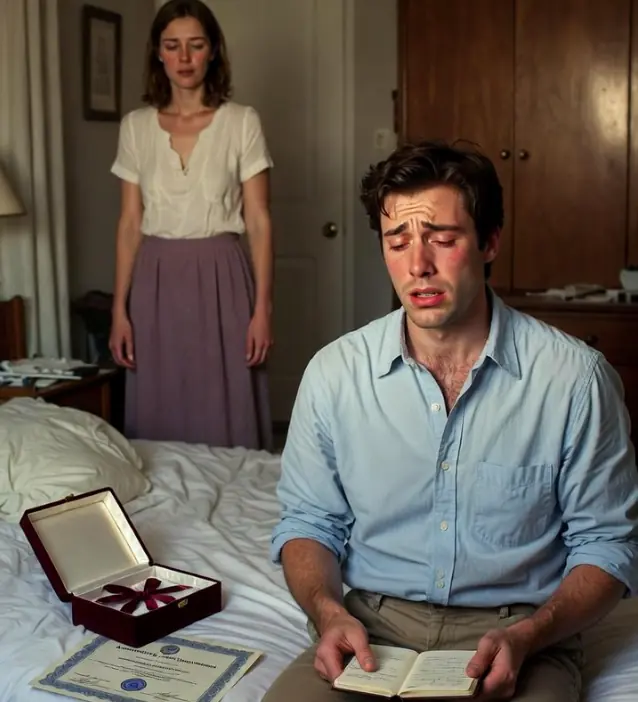
I thought my wife was keeping secrets but i was completely wrong

The old photo album brought our whole family together
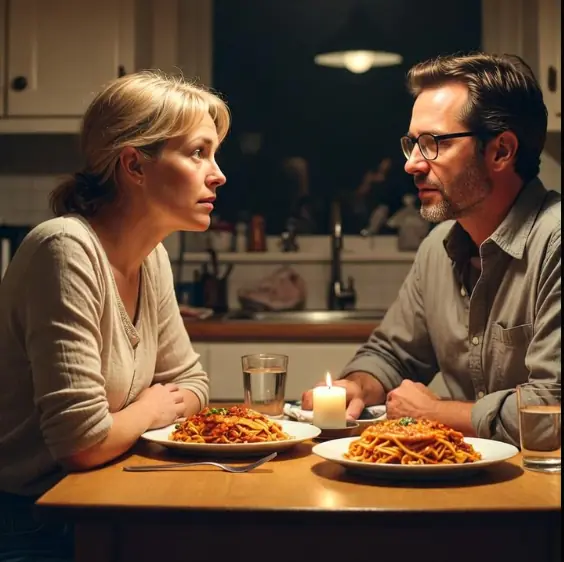
I thought my marriage was ordinary until i looked closer

Our family road trip started with arguments and ended with laughter
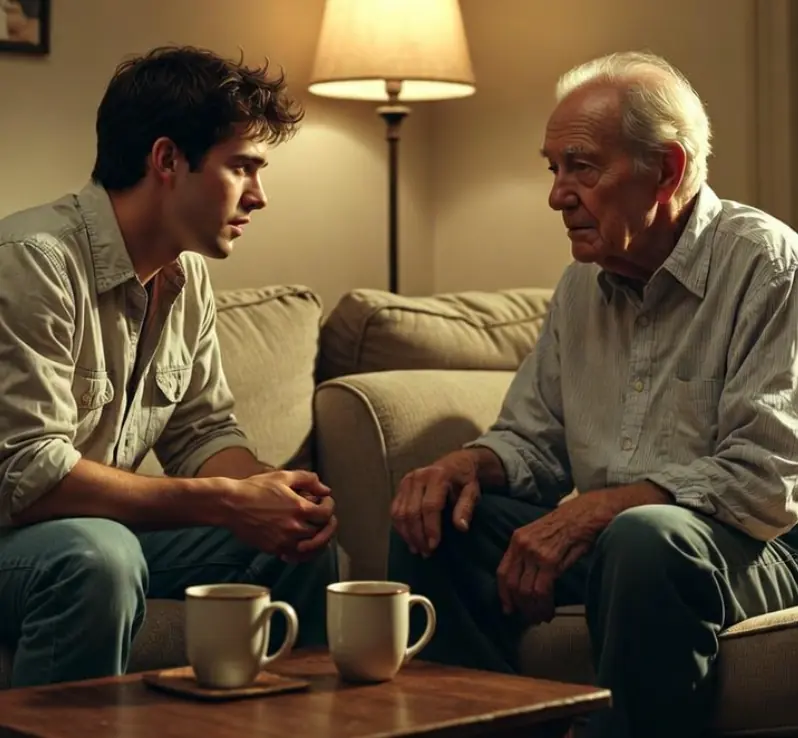
My father never said ‘i love you,’ but he showed it every day
The day our power went out was the day we talked for hours
Moving in with my parents was supposed to be temporary
The surprise my kids planned changed the way i saw myself
We didn’t have much, but we always had sunday dinners
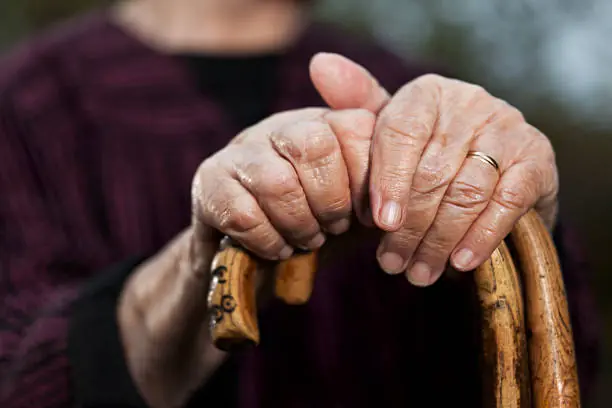


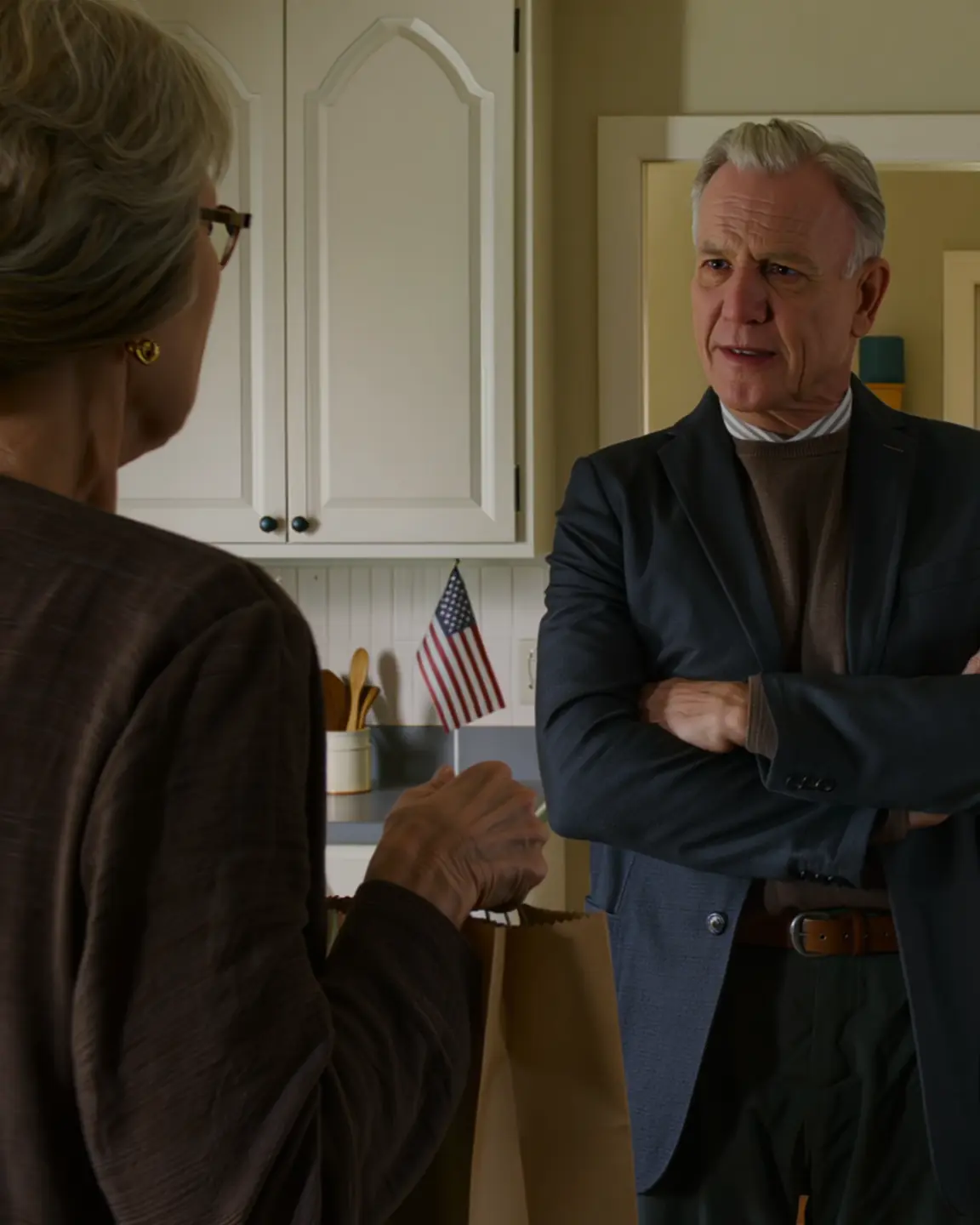
“You’ve been bleeding me dry for 38 years. From now on, every penny you spend comes from your own pocket!” he said. I just smiled. When his sister came for Sunday dinner and saw the table, she turned to him and said: “You have no idea what you had

At 69, I hired a private investigator just for “peace of mind.” He found my husband’s secret family and another marriage license from 1998. The detective looked at me and said, “Ma’am, you just became very rich.”

We left quietly, made one decision at a nearby café… and my phone soon showed 32 missed calls
My sister and i grew up in the same house but different worlds
We lost more than money when our business failed
The words i said in anger stayed with my son for years
I thought my wife was keeping secrets but i was completely wrong
The old photo album brought our whole family together
I thought my marriage was ordinary until i looked closer
Our family road trip started with arguments and ended with laughter
My father never said ‘i love you,’ but he showed it every day
The day our power went out was the day we talked for hours
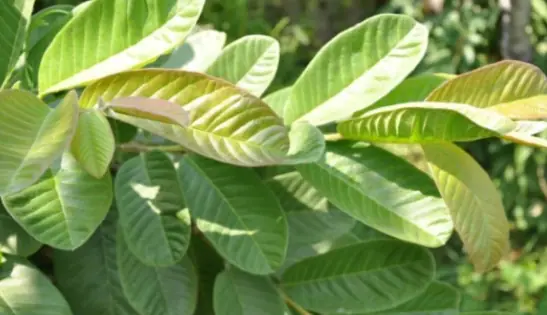
Guava leaves are not only an ingredient in cooking but also have many wonderful uses for health and beauty. Here are some of the outstanding benefits of guava leaves:

Here are 4 best vegetables that can help prevent cancer due to their rich content of antioxidants, vitamins, and minerals:
Moving in with my parents was supposed to be temporary
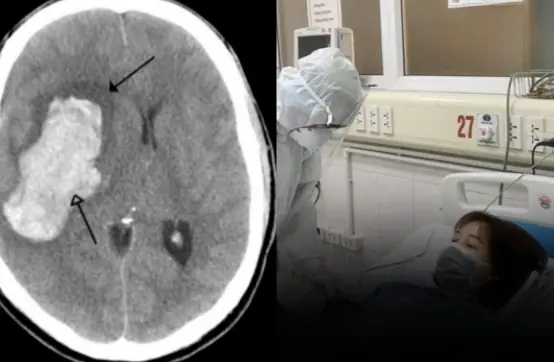
Even young individuals can experience strokes
The surprise my kids planned changed the way i saw myself

It’s fragrant, refreshing, and a staple in many Southeast Asian kitchens
We didn’t have much, but we always had sunday dinners
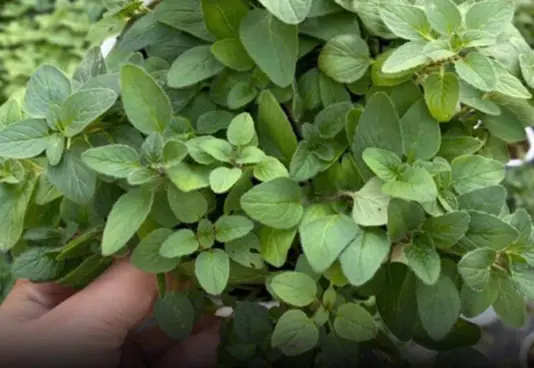
Oregano may seem like just another kitchen herb, but this small, fragrant leaf carries a surprising amount of medicinal power.

Boiled eggs are one of the most common and convenient foods in everyday life.

Although often praised as a “golden beverage” for its benefits to cardiovascular health, brain function, and energy metabolism, coffee is not always good for the body if consumed at the wrong time.