Often dismissed as slimy garden pests, slugs rarely receive praise from homeowners and gardeners. Yet scientists and environmental experts increasingly argue that these slow-moving creatures play a far more valuable role in nature than most people realize. Beneath their unappealing appearance lies a surprisingly important ecological contributor that helps maintain soil health, recycle nutrients, and even support entire food chains.:max_bytes(150000):strip_icc()/GettyImages-1501570074-4b11e7b9912d46bd8a7e7d899e180c3b.jpg)
More Than Just Garden Pests
For decades, slugs have been viewed almost exclusively as destructive invaders in gardens. Their tendency to chew through tender leaves and seedlings has made them a common target for traps, chemicals, and removal campaigns. However, many experts say this one-sided view ignores the broader role slugs play in natural ecosystems.
Slugs are, first and foremost, decomposers. Rather than feeding only on living plants, many species primarily consume decaying organic matter, fungi, and fallen leaves. In doing so, they help break down plant material that would otherwise take much longer to decompose. This process returns essential nutrients to the soil, enriching it and supporting healthier plant growth over time.
By consuming and recycling organic debris, slugs contribute to the natural cycle that keeps soil fertile. Without such decomposers, forests, gardens, and wild landscapes would struggle to maintain balanced nutrient levels.
Nature’s Quiet Clean-Up Crew
One of the most overlooked roles of slugs is their ability to clean up the environment. When leaves, wood, and plant material fall to the ground, they begin to decay. Slugs help speed up this breakdown by feeding on the material and excreting nutrient-rich waste that can be reabsorbed by the soil.
This process helps create healthier ecosystems, particularly in forested and damp environments where organic matter accumulates quickly. Slugs also consume fungi and mold, helping regulate microbial growth and preventing certain harmful buildups.
In this way, slugs function as nature’s quiet clean-up crew, working mostly unseen but performing essential maintenance that benefits plant life and soil structure.
A Vital Link in the Food Chain
Beyond their contribution to soil health, slugs also play a critical role in supporting wildlife. Many animals depend on slugs as a reliable food source. Birds, frogs, hedgehogs, beetles, and even some mammals include slugs in their diets.
By serving as prey for a variety of species, slugs help sustain biodiversity. If slug populations were eliminated entirely, it could disrupt local food chains and negatively affect animals that rely on them for nutrition.
Some researchers note that ecosystems function best when all organisms—even those humans find unpleasant—are allowed to maintain their natural balance. Removing slugs indiscriminately can have unintended consequences for other species.
Not All Slugs Are Harmful
Another misconception is that all slugs damage plants. In reality, different species have different diets. Some focus mainly on decaying material or fungi and rarely touch healthy plants. Others may even help control certain types of garden pests by feeding on their eggs or competing with more destructive species.
Understanding the difference between beneficial and harmful slugs can help gardeners adopt more balanced approaches to pest management. Instead of eliminating all slugs, many experts now recommend methods that protect vulnerable plants while allowing beneficial species to remain part of the ecosystem.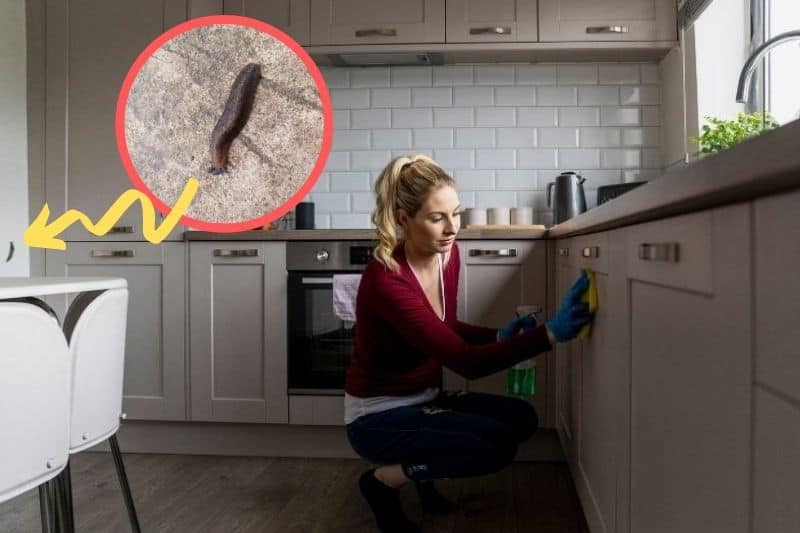
Rethinking Our Relationship With Slugs
As environmental awareness grows, more people are beginning to reconsider how they view small creatures like slugs. Rather than seeing them solely as nuisances, scientists encourage a broader perspective that recognizes their ecological value.
Simple steps such as encouraging natural predators, maintaining balanced soil conditions, and using non-toxic deterrents can help manage slug populations without harming the environment. These approaches support biodiversity while still protecting gardens and crops.
Ultimately, slugs remind us that even the most overlooked organisms can have meaningful roles in the natural world. Their contributions to decomposition, soil fertility, and wildlife support make them far more important than their reputation suggests.
While they may never win popularity contests, slugs deserve more credit for the work they quietly perform every day—keeping ecosystems healthy, balanced, and alive.