Ginger has long been celebrated as a natural remedy for nausea, inflammation, and digestive discomfort. From herbal teas to supplements and cooking ingredients, this spicy root has earned a reputation as a powerful superfood. However, despite its many benefits, ginger is not always suitable for everyone. For some individuals, consuming ginger regularly or in large amounts may actually lead to unwanted side effects or health risks.
Health experts suggest that people with certain medical conditions should be cautious when including ginger in their diets. Understanding when ginger might do more harm than good can help individuals make safer dietary choices and protect their overall well-being.
1. People with bleeding disorders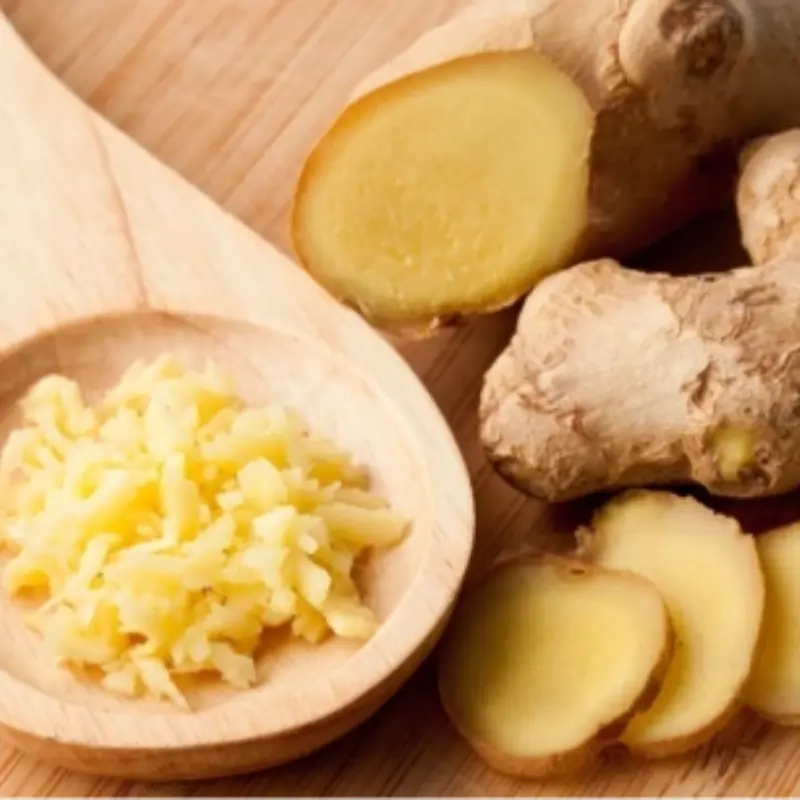
Ginger is known for its natural blood-thinning properties. While this can be beneficial for improving circulation, it may pose risks for individuals with bleeding disorders such as hemophilia or those prone to excessive bleeding. Consuming ginger in large quantities may increase the likelihood of bruising or prolonged bleeding.
Additionally, people who are taking blood-thinning medications like aspirin or anticoagulants should be particularly cautious. Combining ginger with these medications could enhance their effects and raise the risk of internal bleeding. Consulting a healthcare professional before consuming ginger regularly is strongly recommended for individuals in this group.
2. Individuals scheduled for surgery
Because ginger can slow blood clotting, doctors often advise patients to avoid it before surgical procedures. Consuming ginger in the days or weeks leading up to surgery may increase bleeding during and after the operation, potentially complicating recovery.
Most medical professionals recommend discontinuing ginger supplements and limiting ginger intake at least one to two weeks before surgery. This precaution helps reduce the risk of excessive bleeding and ensures safer surgical outcomes.
3. People with gallstones or gallbladder issues
Ginger may stimulate bile production, which can aid digestion for many people. However, for those with gallstones or gallbladder disease, this stimulation may trigger discomfort or complications. Increased bile flow could potentially worsen symptoms such as abdominal pain or nausea.
Individuals with a history of gallbladder problems should consult their doctors before adding significant amounts of ginger to their diet. In some cases, avoiding ginger altogether may be the safest option.
4. Those with low blood pressure
Ginger is sometimes praised for its ability to help lower blood pressure naturally. While this can be beneficial for people with hypertension, it may not be suitable for those who already have low blood pressure. Consuming ginger regularly could cause blood pressure to drop further, leading to dizziness, fainting, or weakness.
People who frequently experience lightheadedness or have been diagnosed with hypotension should monitor their ginger intake carefully. If symptoms worsen after consuming ginger, reducing or eliminating it from the diet may help.
5. Pregnant women in certain situations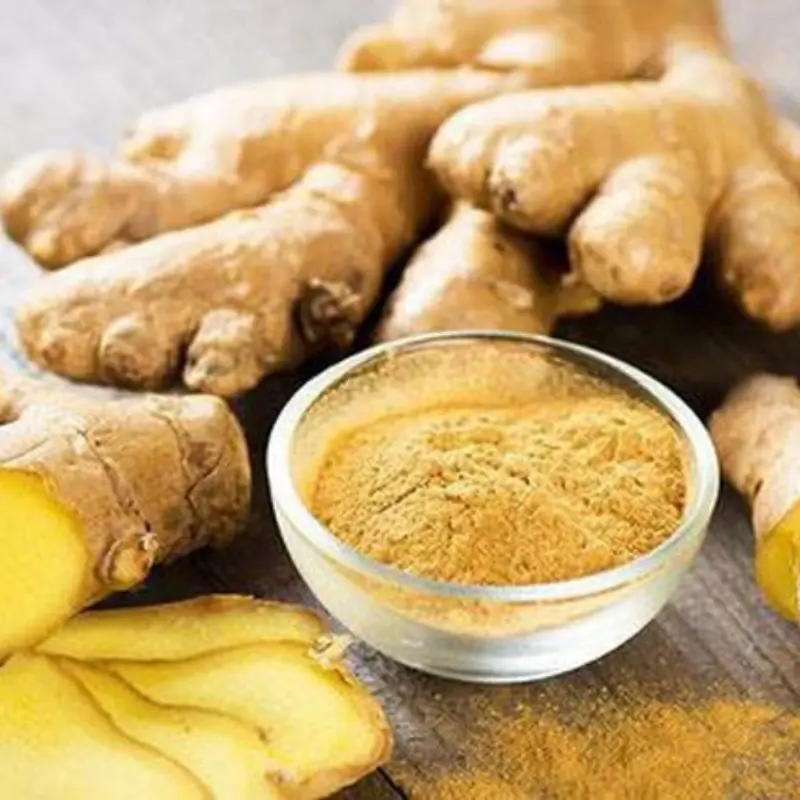
Ginger is often used to relieve morning sickness during pregnancy, and in small amounts, it is generally considered safe for many expectant mothers. However, excessive ginger consumption may carry potential risks. Because ginger can influence blood clotting and hormone levels, high doses may not be advisable for all pregnancies.
Pregnant women with a history of miscarriage, bleeding disorders, or high-risk pregnancies should consult their healthcare providers before consuming ginger regularly or taking ginger supplements. Personalized medical advice ensures both mother and baby remain safe.
Moderation is key
For most healthy individuals, moderate ginger consumption is unlikely to cause harm and may even offer several health benefits. However, as with any natural remedy or supplement, more is not always better. Consuming large amounts without understanding personal health conditions can lead to unintended consequences.
Experts recommend using ginger in reasonable quantities and paying attention to how the body responds. Those with existing health concerns or who are taking medications should always seek professional medical guidance before making significant dietary changes.
A balanced approach to natural remedies
Ginger remains a valuable ingredient in many cuisines and traditional healing practices. Its anti-inflammatory and digestive benefits are well documented, making it a popular choice for maintaining overall health. Still, recognizing that certain individuals may need to limit or avoid ginger is essential.