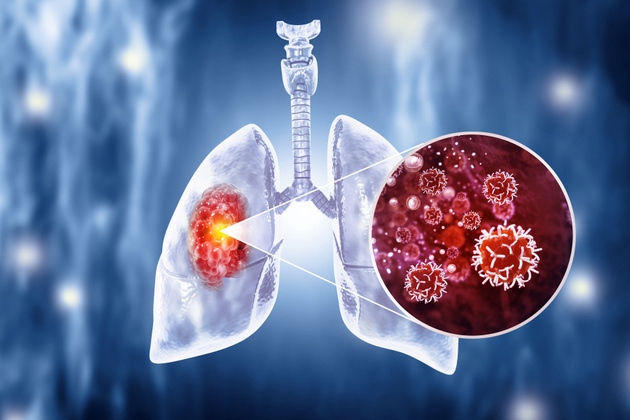
An increasing number of young men are being diagnosed with lung cancer. Doctors say bluntly: quitting smo.king isn’t enough — you also need to eat less of five specific foods.
Even if you have never smoked in your life, you can still develop lung cancer if you are overly fond of these five types of foods.
Lung cancer is currently the leading cause of cancer-related death worldwide. According to GLOBOCAN 2022 data, there are more than 2.4 million new cases and about 1.8 million deaths each year. The disease affects both sexes, but men account for roughly 1.57 million cases — nearly double the number in women.
Worryingly, many epidemiological reports in recent years have noted a rise in lung cancer among people under 50, particularly in Asian countries. A global analysis published in BMJ Oncology in 2023 showed that early-onset lung cancer cases (under age 50) have increased significantly over the past three decades.
Smoking remains the biggest risk factor. However, experts emphasize that quitting smoking alone does not make you “immune” to lung cancer. In reality, many everyday habits — including certain eating habits — can contribute to the disease. To help prevent lung cancer, there are five types of foods you should limit:
1. Ultra-processed foods
Packaged potato chips, frozen pizza, industrial sausages, and sugary sodas fall into the ultra-processed category under the NOVA classification. They contain high levels of sugar, saturated fat, salt, and additives.
A large study published in the journal Thorax tracked more than 100,000 people and found that those who consumed the most ultra-processed foods had a 41% higher risk of developing lung cancer than those who consumed the least. The risk of non-small cell lung cancer rose by 37%, and small cell lung cancer by 44%. For men whose lungs may already be compromised by smoking or pollution, these figures are especially concerning.
2. Deep-fried, oily foods
Fried chicken, French fries, and oil-heavy dishes generate large amounts of free radicals when cooked at high temperatures. Dr. Lee Chia-ying, Vice Superintendent of Changhua Show Chwan Memorial Hospital (Taiwan, China), explains that these free radicals can damage cellular DNA. Once absorbed, they circulate in the bloodstream and increase overall oxidative stress. The lungs are particularly vulnerable due to their dense network of capillaries.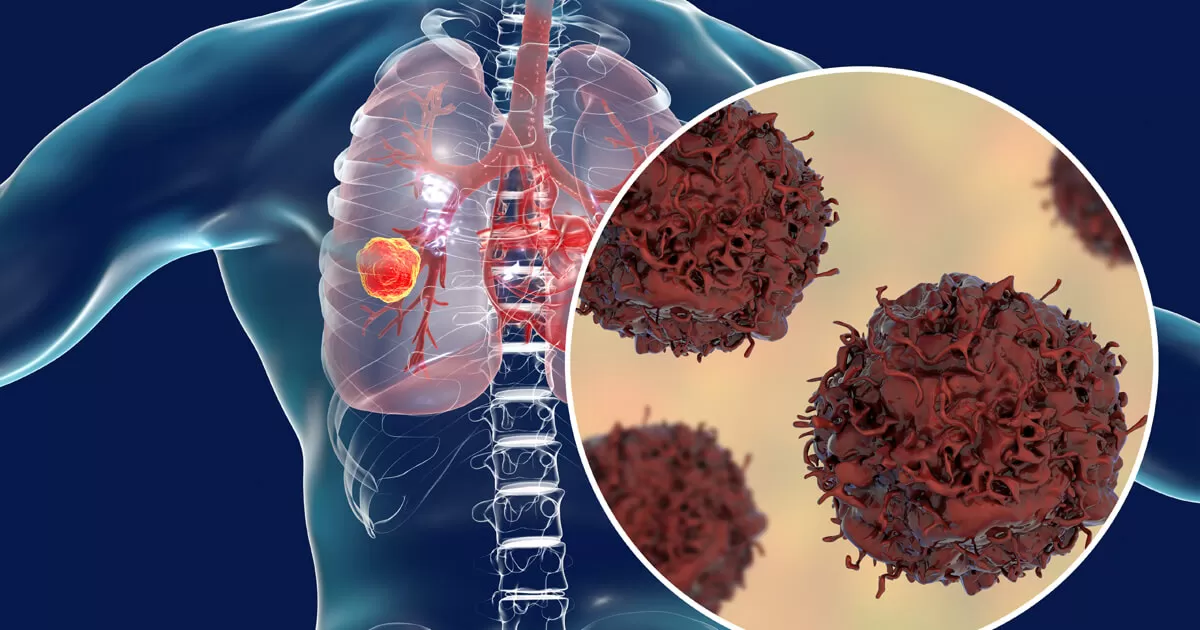
3. Grilled or charred meat and fish
Eating a lot of grilled food itself may increase cancer risk. When meat is charred or burnt, compounds such as polycyclic aromatic hydrocarbons and heterocyclic amines form. These substances are known to cause cellular mutations and have been warned about by the World Health Organization. In people who have smoked, the respiratory lining is already damaged, so regularly consuming burnt grilled meat may further increase the cumulative risk of lung cancer.
4. Sugary foods and drinks
Bubble tea, soft drinks, cakes, and high-fructose corn syrup cause rapid spikes in blood sugar. Research from the University of Florida and the University of Kentucky found that diets high in sugar and fat increase glycogen accumulation in the body.
Dr. Li Chun-hui, an oncologist at National Cheng Kung University Hospital (Taiwan, China), notes that cancer cells have a strong affinity for glycogen. In animal models, increased glycogen led to faster lung tumor growth, while inhibiting glycogen production slowed tumor progression. This suggests that long-term high sugar consumption may unintentionally provide “fuel” for lung cancer cells.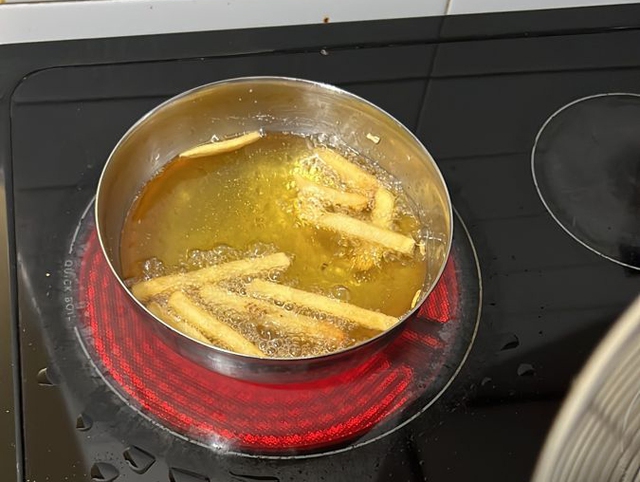
5. Refined carbohydrates
White rice, white bread, and refined noodles quickly raise blood sugar levels, similar to sugary foods. When consumed frequently with little physical activity, excess sugar is converted into stored glycogen. This accumulation, combined with chronic inflammation from obesity, creates a favorable environment for abnormal cells to develop.
Doctors stress that lung cancer is not just a smoker’s disease. For men — especially those with a history of smoking or who work in polluted environments — adjusting dietary habits is an essential step alongside quitting smoking to reduce risk.