The Body Knows When Death is Near, and It Begins in Your Nose
Death is a mysterious and often unsettling subject for many people.
Health 15/02/2026 15:05
Activities like exercise, skin tone, exposure to the sun, tight clothing and hot temperatures can cause bulging veins. Aging, genetics, and being overweight may also contribute to veins being more noticeable. These enlarged, twisted veins appear prominently beneath the skin surface, particularly on the legs and feet. However, more uncommonly, bulging veins could be an indication of a serious health condition like blood clots. If you have visible veins with severe discolouration that cause discomfort, consult a health professional.
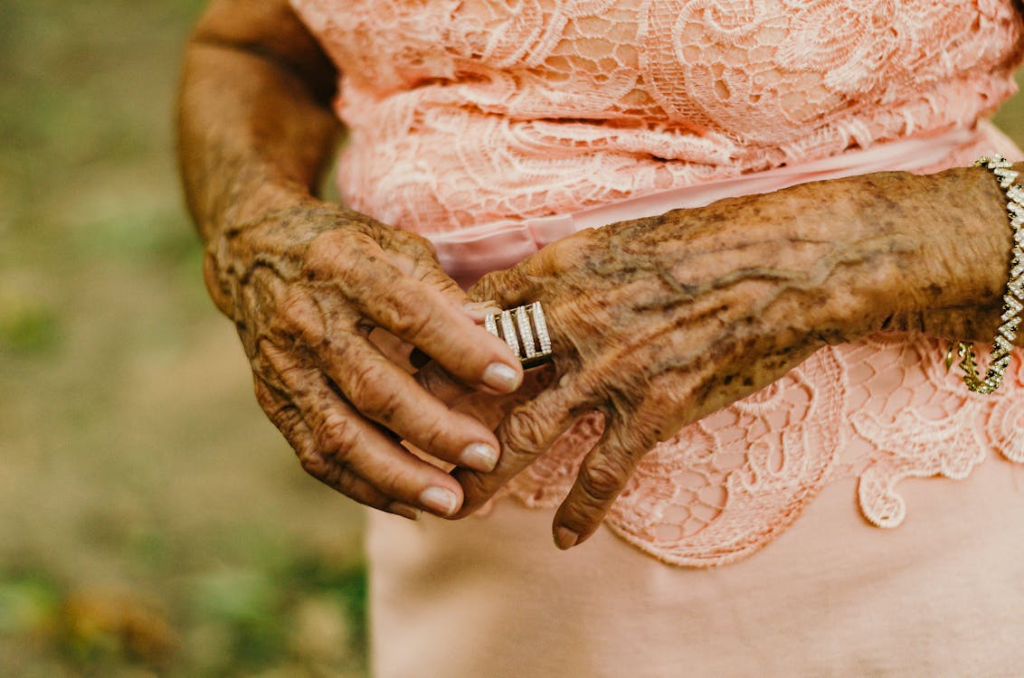
Veins are blood vessels responsible for the transportation of deoxygenated blood back to the heart. Bulging veins develop when blood pools in weakened or damaged veins instead of flowing efficiently back to the heart. The circulatory system relies on one-way valves within veins to prevent blood from flowing backward. When these valves malfunction, blood builds up in the affected veins, causing them to stretch and bulge outward.
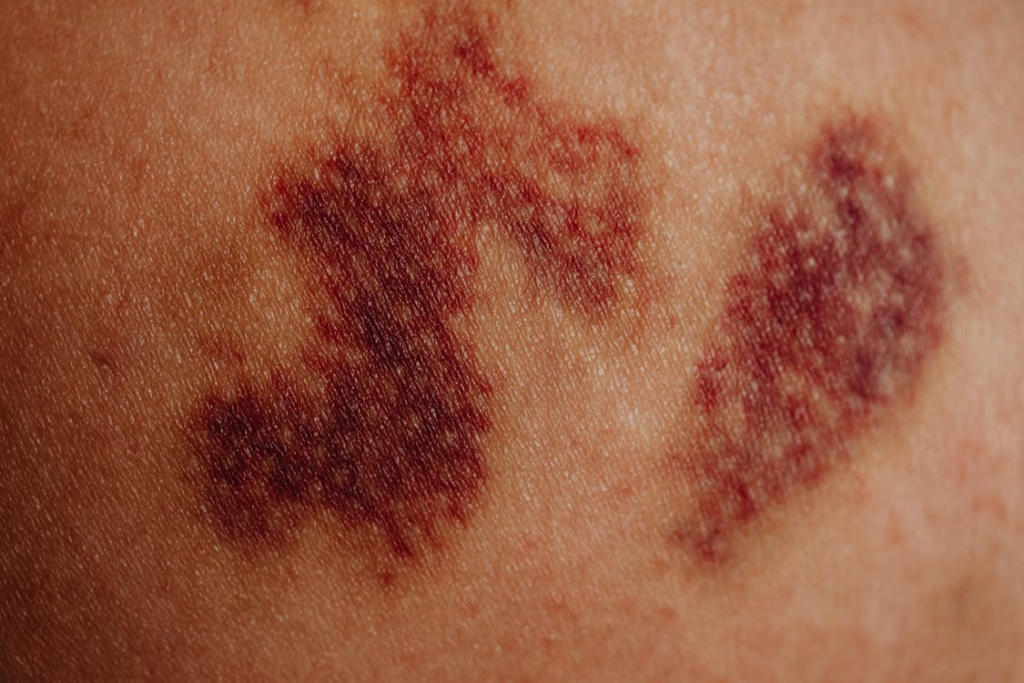
Blood pooling can occur in both small and large veins. In the small blood vessels or capillaries, spider veins develop when blood builds up within them. These veins create thin, web-like patterns that spread across the face and legs. Spider veins display red or blue coloration and maintain a flat appearance against the skin surface.
Unlike their larger counterparts, spider veins rarely bulge out above the skin level. Spider veins rarely call for medical intervention. Most patients seek treatment for spider veins to improve their appearance rather than address health issues. The thin structure of spider veins distinguishes them from bulging varicose veins. While varicose veins can cause pain, swelling, and other symptoms, spider veins typically remain asymptomatic.
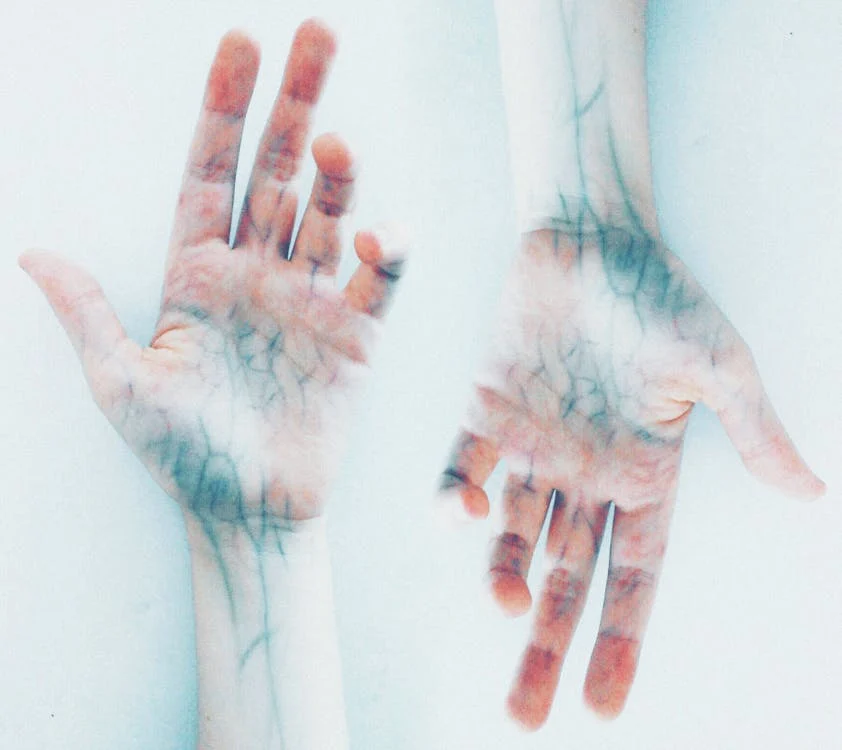
There are several factors that contribute to the development of bulging veins. Over time, age naturally weakens the vein structures, making older adults more susceptible to having visible veins. Hormonal changes during pregnancy, menopause, or while taking birth control pills can also weaken vein structures. Prolonged standing or sitting restricts proper blood circulation, increasing pressure within leg veins.
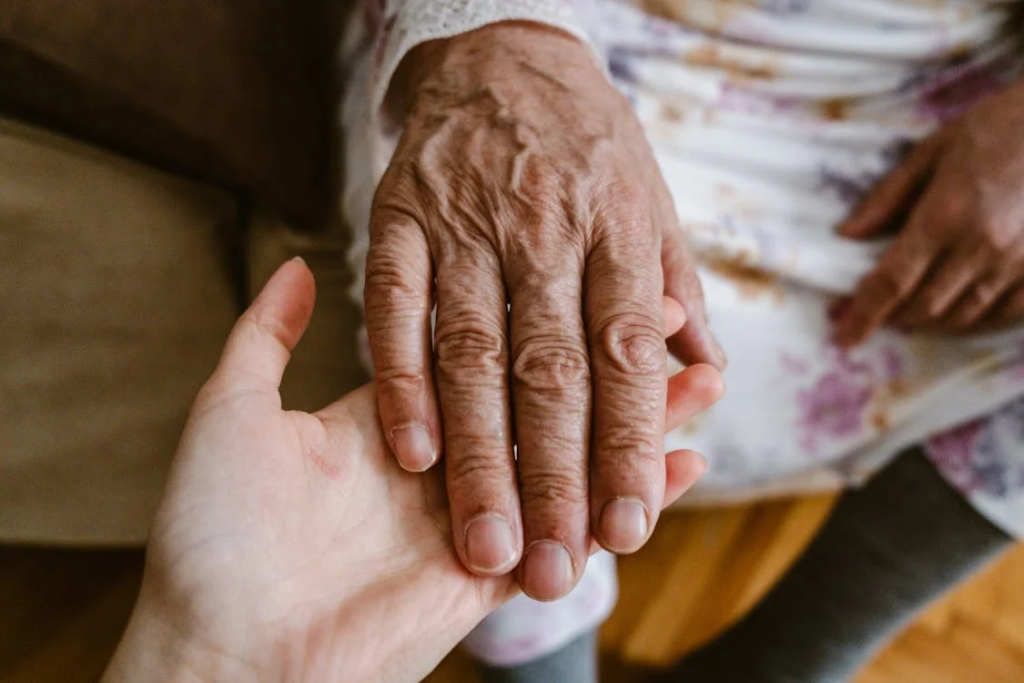
Spider veins‘ larger counterpart, varicose veins, require more immediate medical attention. These larger, bulging veins present various symptoms beyond just their visible appearance. Patients commonly experience aching, heaviness, or burning sensations in affected areas. The legs may feel tired or cramped, especially after long periods of constant standing or sitting. Swelling around the ankles and lower legs is often observed in individuals with varicose veins.
Some individuals notice itching or skin irritation around the affected veins. The skin may develop a leathery texture or show discoloration ranging from brown to reddish patches. These symptoms typically worsen throughout the day and improve with leg elevation or rest.

There are multiple factors that increase an individual’s chances of developing bulging veins throughout their lifetime. Family history plays a major role, as any genetic predisposition affects the vein wall and its deterioration. Studies have demonstrated that women are twice as likely to develop varicose veins as men. This increased susceptibility is due to the female hormonal changes throughout different life stages.
Being overweight causes additional pressure on leg veins, constricting blood flow returning to the heart. Age remains the most significant risk factor, with nearly 40% of women and 20% of men developing significant vein problems by age 50.
Read More: 3 science-backed tips you should know to get rid of varicose veins on your legs
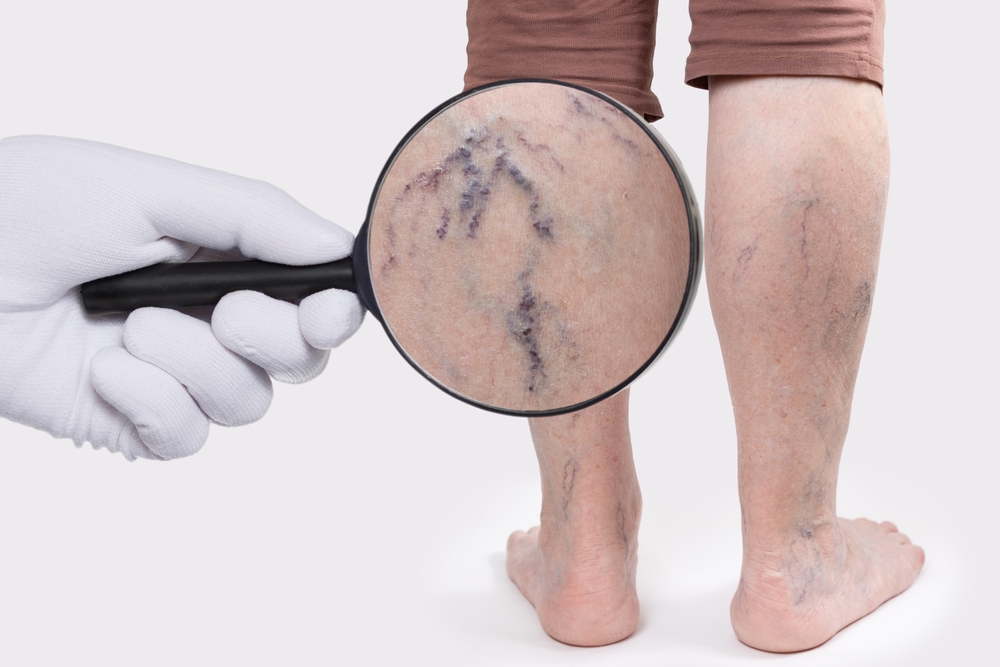
While spider veins usually do not require medical attention, leaving varicose or bulging veins untreated can lead to serious health complications. Chronic venous insufficiency develops when damaged veins cannot effectively return blood to the heart. This condition causes persistent swelling and skin changes for affected individuals.
One of the most serious complications that can arise from untreated bulging veins are venous ulcers. These open wounds typically form near the ankles and heal slowly due to poor circulation. Without proper treatment, venous ulcers can become infected and require extensive wound care to heal and stop infection.
Blood clots pose another significant risk for patients with untreated bulging veins. Superficial thrombophlebitis affects surface veins, while deep vein thrombosis involves deeper vessels and can be life-threatening. Pulmonary embolism occurs when blood clots travel to the lungs, which can be fatal without medical intervention.
Read More: Early Warning Signs Your Body Needs Vitamin-C

While genetic factors cannot be changed, there are several methods to help prevent or delay bulging vein development. Regular physical activity promotes healthy circulation and strengthens the muscles that assist venous blood flow. Avoiding prolonged periods of sitting or standing reduces pressure buildup in leg veins. Maintaining a healthy weight prevents excess pressure on the venous system. Wearing compression stockings during long flights or extended periods of immobility helps maintain proper circulation. Elevating the legs when resting and avoiding tight clothing around the waist and legs also help prevent developing bulging veins.

While spider veins cause no immediate concern, varicose or bulging veins may be potentially life-threatening if left untreated. Sudden onset of severe leg pain, swelling, or warmth may indicate deep vein thrombosis. Skin ulcers or wounds near bulging veins need immediate medical attention to prevent infection and promote healing.
Bleeding from bulging veins, even minor episodes, warrants immediate medical attention. Changes in skin color or texture around affected veins may signal advancing venous insufficiency requiring treatment. Patients experiencing significant discomfort or lifestyle limitations from their bulging veins should consult specialists for an evaluation and treatment planning.
Death is a mysterious and often unsettling subject for many people.

A stroke occurs when blood flow to a part of the brain is suddenly interrupted, depriving brain cells of oxygen and nutrients.
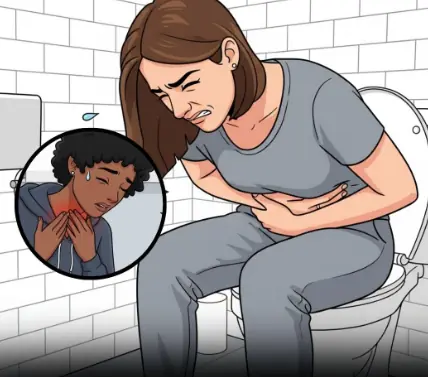
Stomach cancer is often called a silent disease because its early warning signs are so easy to overlook.
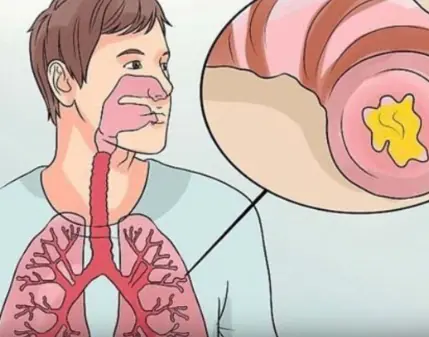
Dealing with a chesty cough or that persistent "tickle" in your lungs can be incredibly uncomfortable.
Doctor says: 2 cheap vegetables that are most beneficial for the co.lon
Don't ignore these body warnings
Don't destroy your pan.creas. Cut these 5 foods off your menu
Even if you have never smoked in your life, you can still develop lung cancer if you are overly fond of these five types of foods.
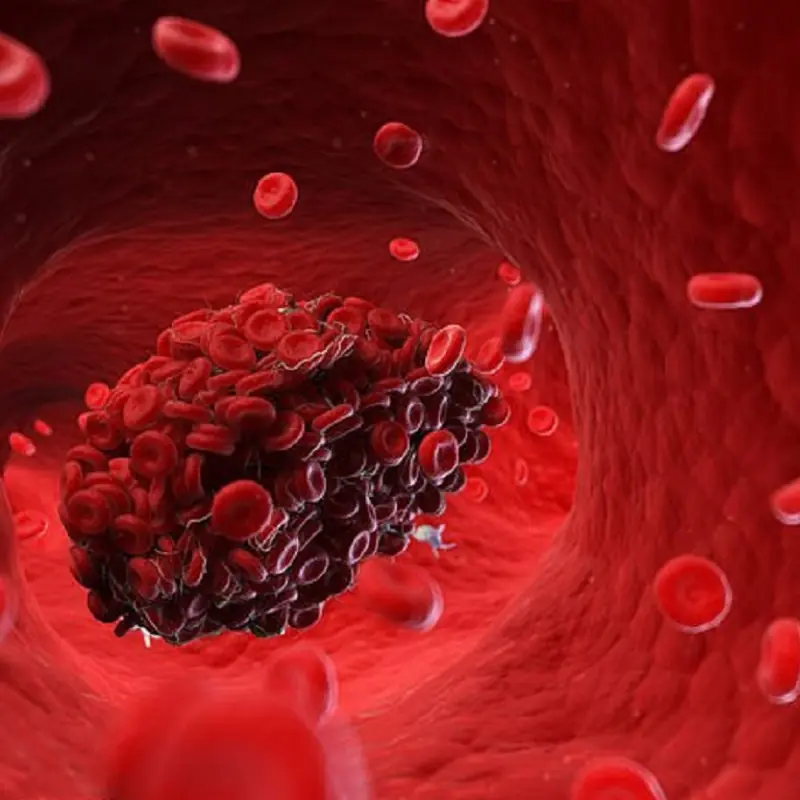
A simple daily drink gaining attention for heart and artery health
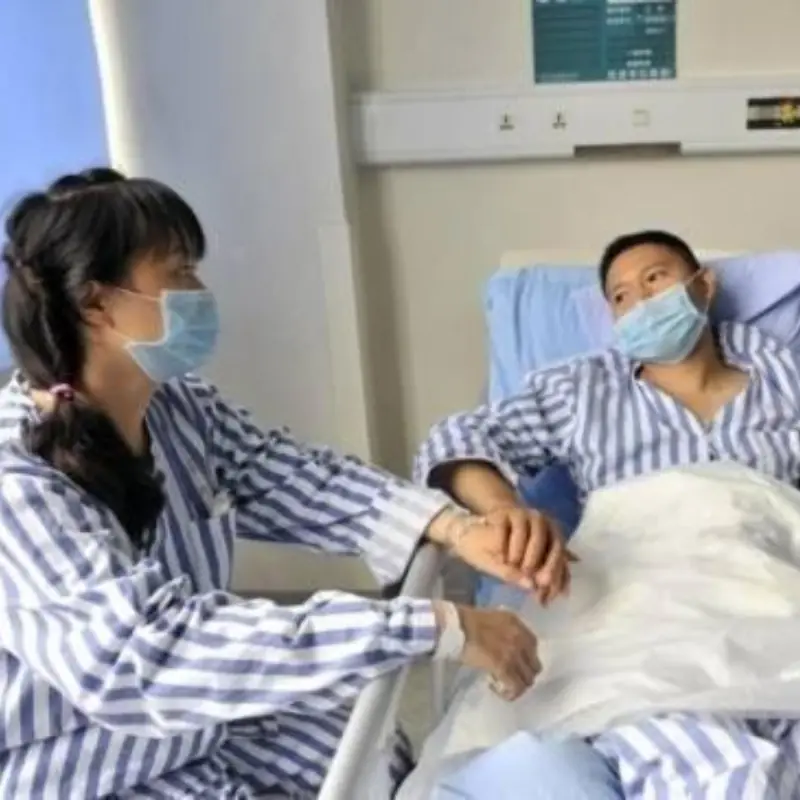
Shared daily habit raises health concerns after couple’s diagnosis

Who should avoid ginger? Five conditions that require caution.
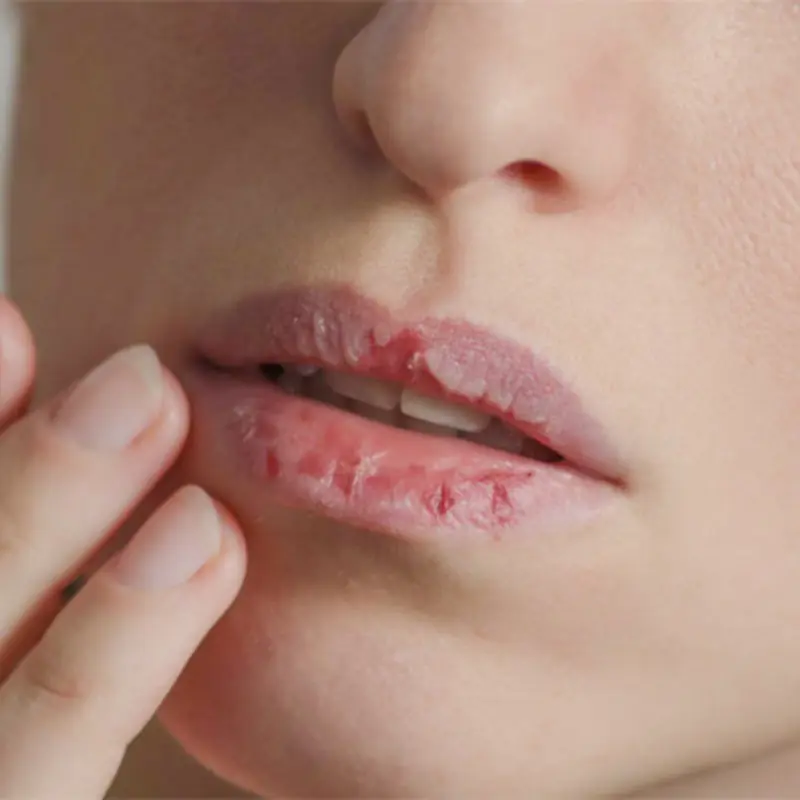
5 subtle cancer warning signs experts say you should never ignore
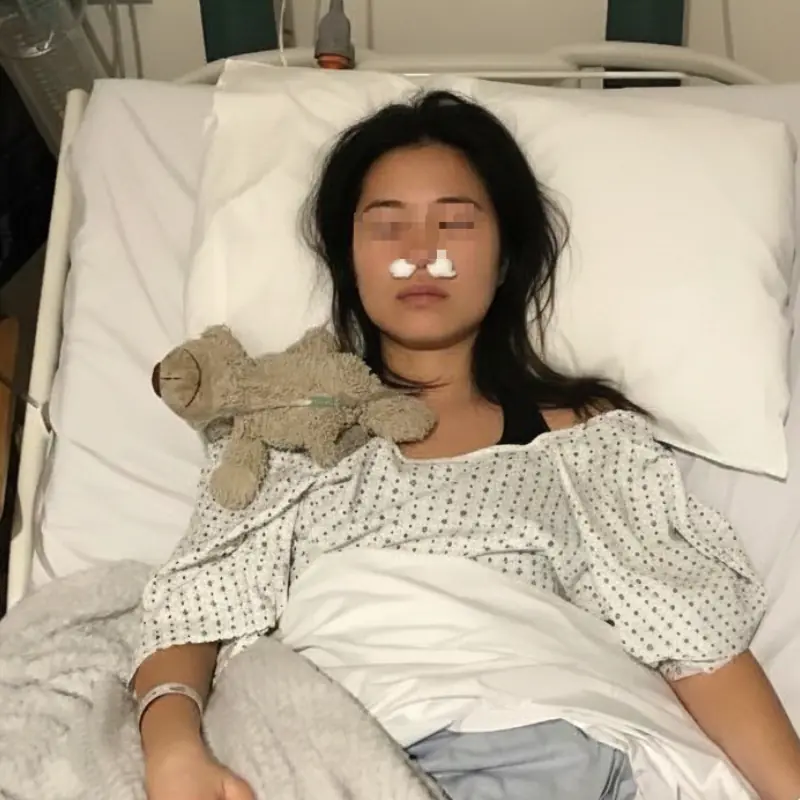
Hidden daily habit leads to serious nasal fungal infection case

A simple dishwashing habit may pose hidden health risks at home.

Sweet Potatoes: A Nutritious Food for Health and Taste
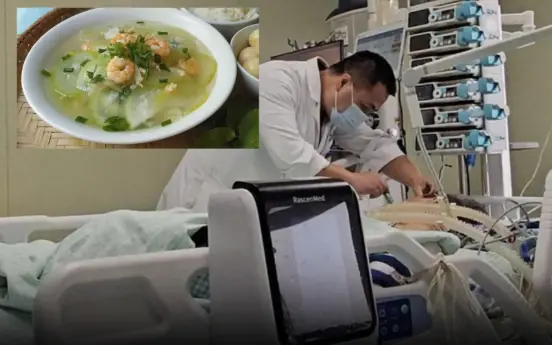
According to Mrs. Wang's account, before being hospitalized, she ate a bowl of bitter gourd soup.
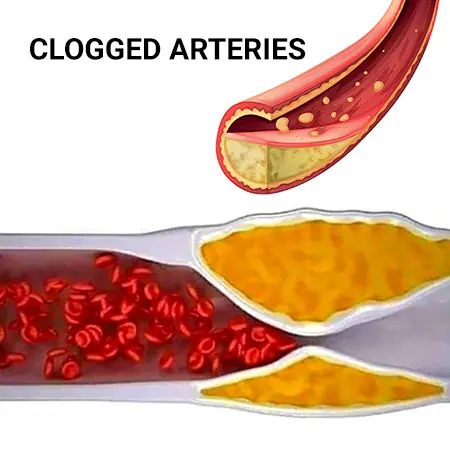
Clogged arteries rarely happen overnight. Instead, they develop slowly as fat, cholesterol, and other substances build up inside blood vessels, a process known as atherosclerosis.
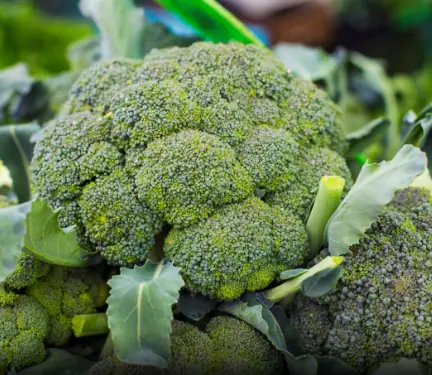
Broccoli has earned its place as one of the healthiest vegetables on the planet — and for good reason.

When you have to be at work bright and early the next morning, it’s extremely unpleasant to wake up at an ungodly hour and find yourself unable to get back to sleep.
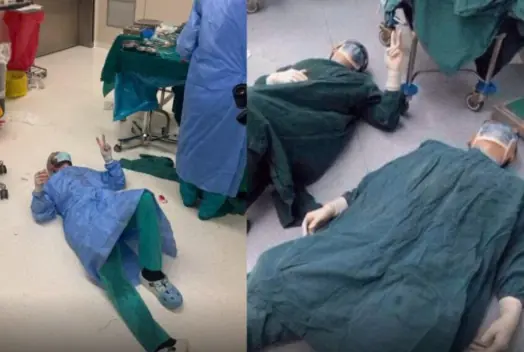
The Story of Two Exhausted Surgeons After a 32-Hour Operation:

Most people don't know the meaning of a ring on the middle finger

In a recent video call,
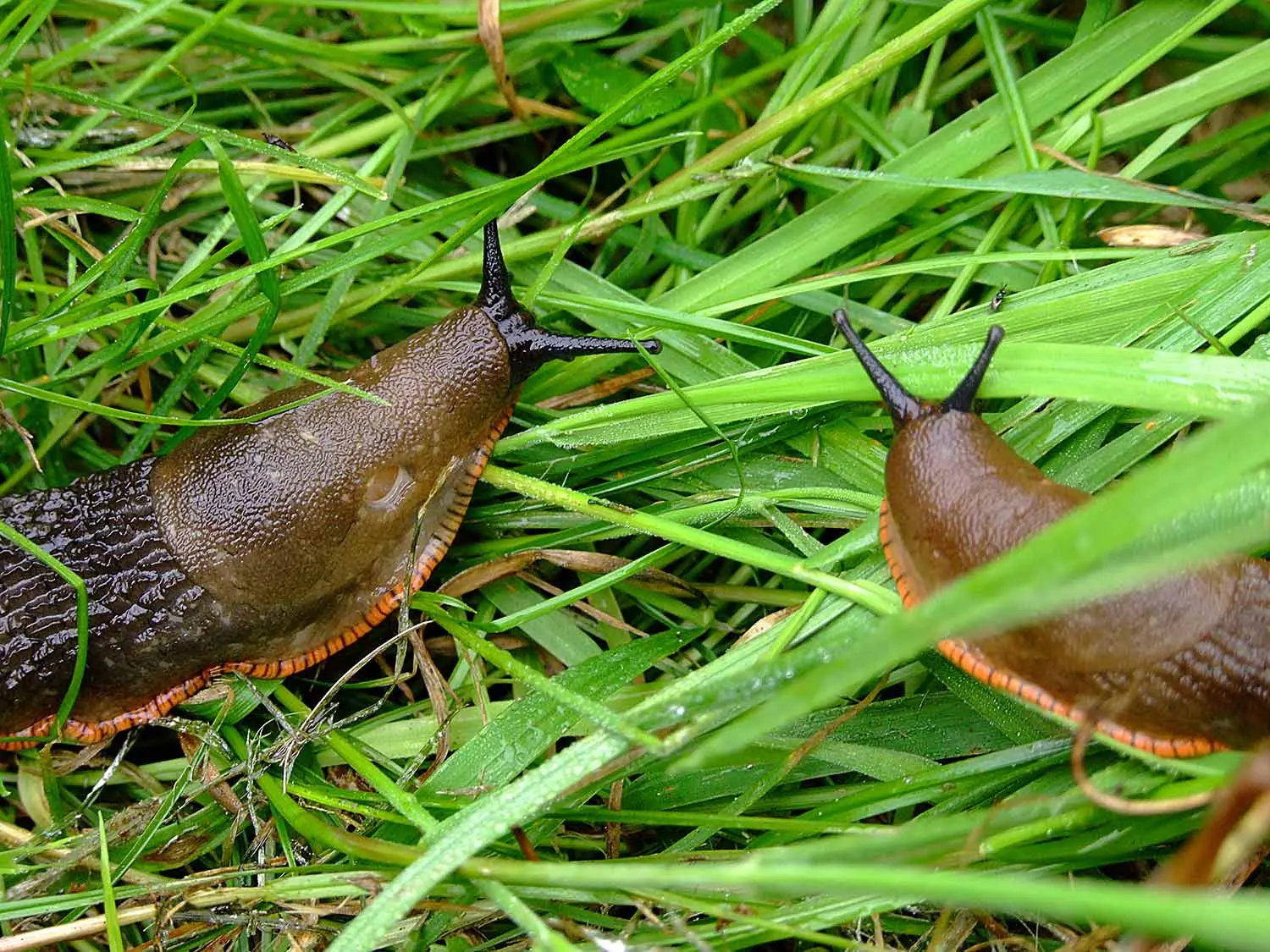
Why Slugs Deserve More Credit Than You Think
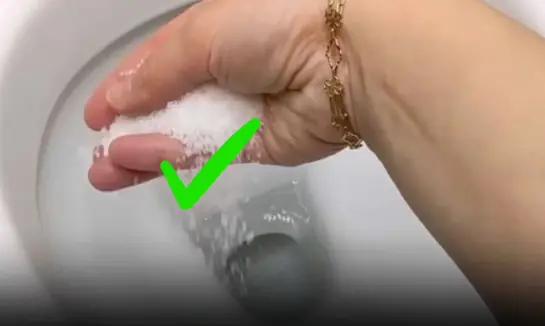
You may be familiar with common toilet unclogging methods, but there’s a simple trick that few know: pouring salt into the toilet bowl.
Death is a mysterious and often unsettling subject for many people.
A stroke occurs when blood flow to a part of the brain is suddenly interrupted, depriving brain cells of oxygen and nutrients.
Stomach cancer is often called a silent disease because its early warning signs are so easy to overlook.
Dealing with a chesty cough or that persistent "tickle" in your lungs can be incredibly uncomfortable.
Doctor says: 2 cheap vegetables that are most beneficial for the co.lon
Don't ignore these body warnings
Don't destroy your pan.creas. Cut these 5 foods off your menu
Even if you have never smoked in your life, you can still develop lung cancer if you are overly fond of these five types of foods.
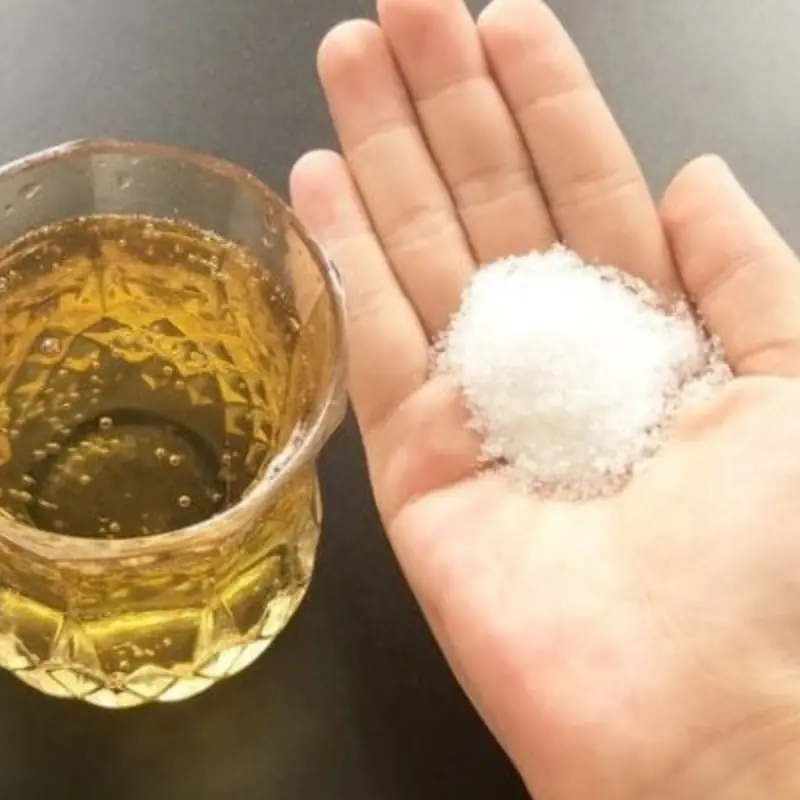
Beer and salt together can help tackle many everyday household issues.
A simple daily drink gaining attention for heart and artery health
Shared daily habit raises health concerns after couple’s diagnosis
Who should avoid ginger? Five conditions that require caution.
5 subtle cancer warning signs experts say you should never ignore
Hidden daily habit leads to serious nasal fungal infection case