Saying goodbye to a loved one is one of the most emotional and difficult moments in life. In many cultures, a final kiss is seen as a gesture of love, respect, and closure. However, medical professionals warn that kissing someone who has passed away may carry unexpected health risks. According to doctors, understanding what happens to the human body after death can help families make safer decisions while honoring their loved ones.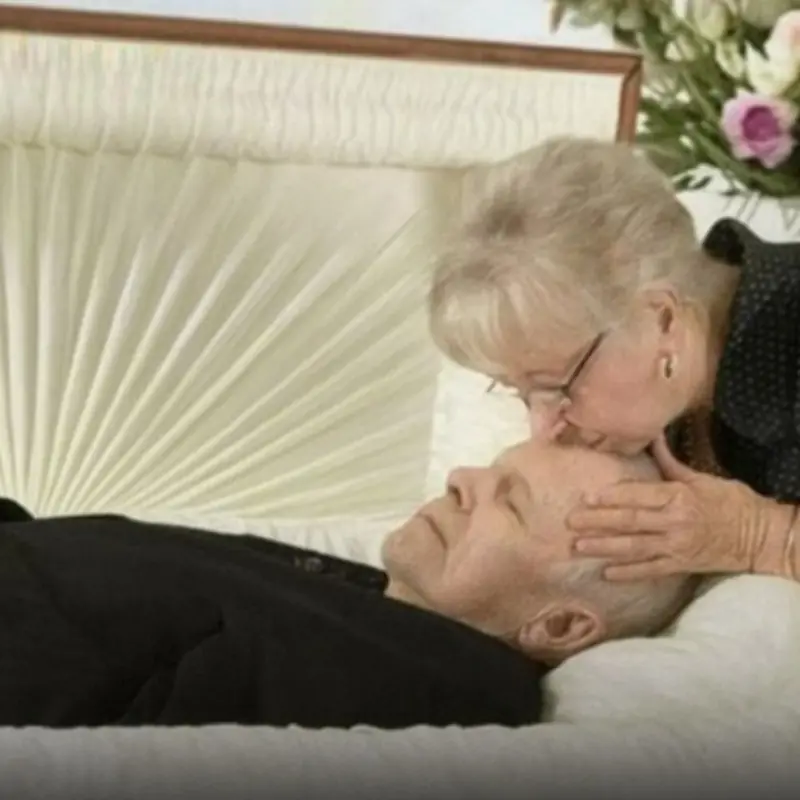
When a person dies, the body immediately begins to undergo natural biological changes. Without circulation and oxygen, cells start to break down in a process known as decomposition. Bacteria that normally live in the body—especially in the digestive system—begin to multiply and spread. While these microorganisms were harmless when the person was alive, they can pose risks once the body’s immune system is no longer functioning.
Doctors explain that shortly after death, bacteria can move from internal organs to other parts of the body. If a person kisses the face or mouth of someone who has died, there is a possibility—though often small—of exposure to harmful pathogens. In cases where the deceased had certain infectious diseases, such as tuberculosis, hepatitis, or severe respiratory infections, the risk may be higher.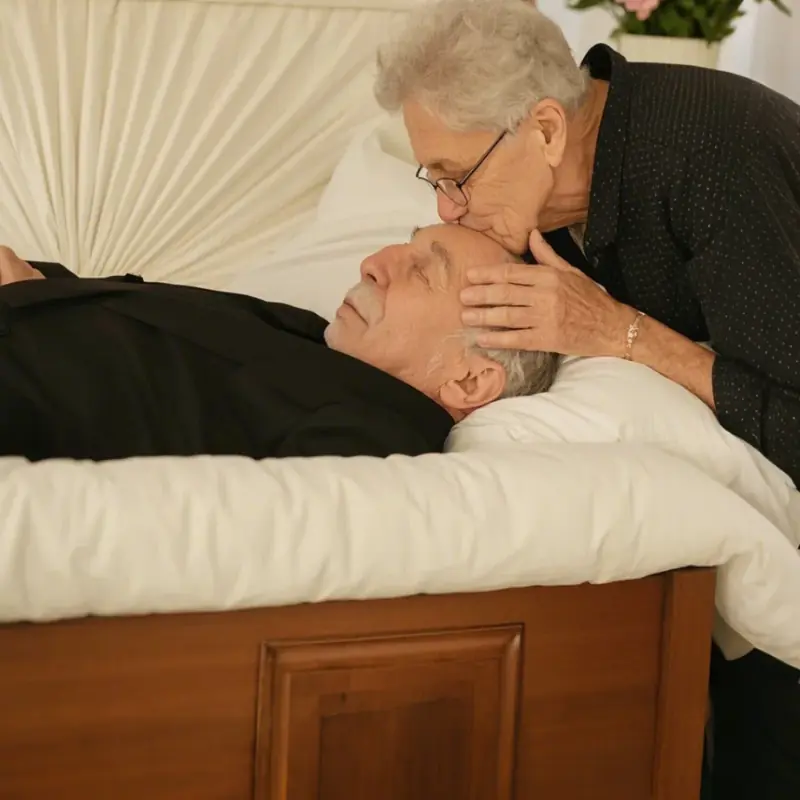
Medical professionals emphasize that the level of risk depends on several factors. These include the cause of death, the time that has passed since death, and how the body has been handled or preserved. In hospital settings or funeral homes, bodies are often treated with care and hygiene protocols. However, before professional preparation or embalming, the body may still carry active bacteria or viruses.
Another concern raised by doctors is the release of bodily fluids during decomposition. As the body begins to break down, fluids and gases can form, sometimes leading to subtle leakage from the mouth or nose. Direct contact with these fluids can expose a person to microorganisms that may cause infection, particularly if they have open cuts, weakened immunity, or underlying health conditions.
While the idea of avoiding a final kiss may feel emotionally difficult, health experts stress that there are safer ways to say goodbye. Holding a loved one’s hand, offering a silent prayer, or placing a gentle touch on the shoulder can be meaningful gestures without the potential health risks. Funeral professionals also recommend following guidance from medical staff when interacting with the deceased.
Cultural traditions play an important role in how people honor the dead. In many parts of the world, physical closeness is considered an essential part of mourning. Doctors and public health experts acknowledge the emotional significance of these customs but encourage awareness and caution. They suggest that families balance tradition with safety, especially when the cause of death is unknown or linked to infectious illness.
In recent years, heightened awareness of infectious diseases has led to stricter hygiene practices in hospitals and funeral homes. Medical staff often advise wearing gloves, avoiding direct facial contact, and washing hands thoroughly after touching the deceased. These simple precautions can help reduce the risk of exposure to harmful microorganisms.
It is also important to consider vulnerable individuals, such as children, elderly family members, and those with weakened immune systems. For them, even minor exposure to bacteria or viruses could lead to health complications. Doctors recommend that these individuals avoid close physical contact with the body and instead participate in farewells from a safe distance.
Ultimately, the intention behind a final goodbye is love and respect. Health professionals do not seek to remove the emotional significance of these moments but to ensure that families remain safe during a time of grief. By understanding the biological changes that occur after death and following basic hygiene advice, people can honor their loved ones while protecting their own well-being.
In moments of loss, compassion and caution can coexist. A farewell does not have to involve physical contact to be meaningful. Sometimes, the safest gesture is simply being present, remembering the life shared, and saying goodbye in a way that protects both memory and health.