Blackberries are a nutrient-packed superfood that supports heart, bone, and immune health while helping prevent chronic diseases like cancer and diabetes. They're rich in vitamins, minerals, and antioxidants like anthocyanins, which are being studied for their role in preventing serious health issues.
1. Boosts Brain Health
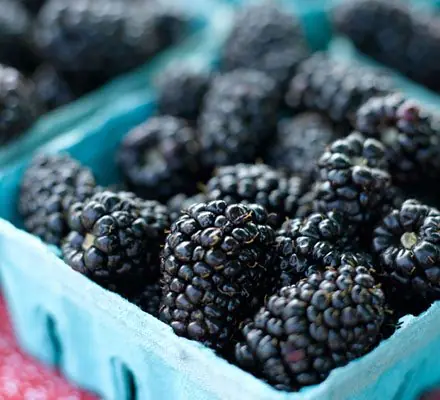
Blackberries are rich in phytochemicals, particularly anthocyanins, which support brain health and may help prevent age-related neurodegenerative diseases like dementia.2 Research shows that anthocyanins, the compounds responsible for blackberries' purple color, can boost blood flow to the brain and enhance areas controlling memory and attention.
In another study, participants who consumed a flavonoid-rich berry mixture, including blackberries, experienced improved cognitive performance over six hours.
2. Lowers Heart Disease Risk
Blackberries are packed with heart-protective compounds like fiber, isoform, and anthocyanins. Eating berries regularly can lower the risk of heart disease by 17% and the chance of dying from heart disease by 9%.
Other research showed that eating blackberries and other berries can help lower blood pressure and low-density lipoprotein (LDL) cholesterol (the kind that clogs arteries) and regulate blood sugar, all of which can help protect your heart.
3. Protects Against Cancer
The antioxidants and other compounds in blackberries help neutralize harmful free radicals, which can damage cells, cause oxidative stress, and contribute to chronic diseases. Eating more blackberries may help prevent the growth of cancer cells.
Blackberries may also help prevent colorectal cancer. Research shows blackberry extract can stop a key process that allows cancer cells to grow in the colon. However, this study was conducted in a lab, not on humans, so more research is needed.
4. Fights Diabetes
Eating blackberries regularly may help prevent diabetes. Their fiber content slows digestion and helps lower blood sugar levels.9 The fruit also boosts metabolic health by:10
- Reducing inflammation
- Enhancing fat metabolism
- Improving insulin function
Blackberry consumption increased fat burning and improved insulin sensitivity in men with excess weight and obesity, highlighting the potential benefits of the berry's powerful antioxidants.
5. Supports Bone Health
A review of studies on the benefits of nutrients in berries, including blackberries, found that these fruits can help prevent osteopenia, a condition in which bones become weaker and more likely to break.
Blackberries are rich in essential vitamins and minerals, such as:
- Manganese: Increases bone density and promotes bone formation.
- Vitamin K: Activates proteins that build bone tissue, decreasing the risk of fractures
- Vitamin C: Plays a role in forming collagen in bones, connective tissue, and blood vessels, which strengthens bones
6. Improves Digestion
Blackberries contain soluble and insoluble fiber, which is vital to digestion. Soluble fiber absorbs water, helping slow down food movement through the digestive tract, allowing for better nutrient absorption. Insoluble fiber adds bulk to stool, which helps move food more efficiently through the intestines, promoting regular bowel movements and preventing constipation.
7. Promotes Good Dental Health
Research shows that blackberry extract can fight bacteria, viruses, and inflammation, which may help prevent periodontal disease. One study found that chewing gum with xylitol and freeze-dried blackberry powder (50 milligrams) reduced bacteria in saliva, significantly improving oral health.
Blackberries' Nutritional Information
One cup of blackberries contains the following:
- Calories: 64.5
- Carbohydrate: 14.4 grams (g)
- Protein: 2 g
- Fat: 0.74 g
- Fiber: 7.95 g
- Sugars: 7.32 g
- Sodium: 1.5 milligrams (mg)
- Vitamin C: 31.5 mg
- Magnesium: 30 mg
- Choline: 12.8 mg
- Potassium: 243 mg
- Vitamin E: 1.76 mg
- Folate: 37.5 micrograms (mcg)
- Vitamin K: 29.7 mcg
How to Incorporate Blackberries Into Your Diet
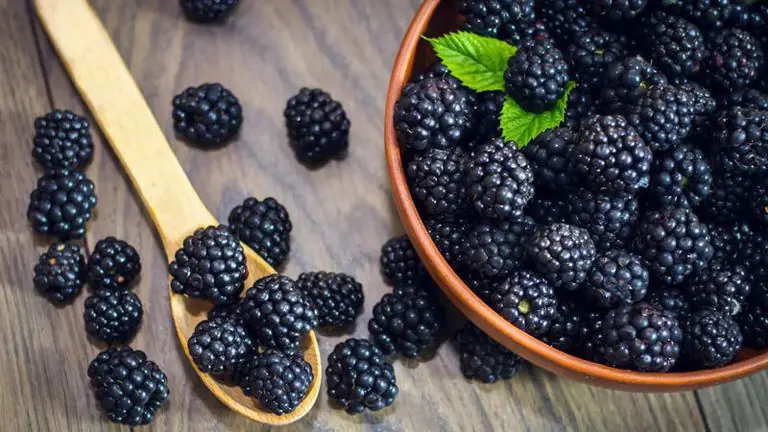
To incorporate blackberries into your diet, try adding them to:
- Salads
- Cereals
- Smoothies
- Yogurt
- Bowls
Their sweet and tart flavors pair well with both sweet and savory dishes, making them versatile additions to meals.
Consider Food Safety
Blackberries offer a range of health benefits, but there are some tips to keep in mind to ensure you're maximizing their potential:
- Buy organic: Some experts recommend purchasing organic blackberries to minimize exposure to harmful pesticides. Around 75% of non-organic fresh produce in the United States contains potentially toxic chemicals.
- Wash them thoroughly: If organic options are unavailable, washing and thoroughly drying non-organic berries can help reduce pesticide residue.
- Freeze them to extend shelf-life: Blackberries spoil quickly, so freezing them is a great way to extend their shelf life. Wash the berries and let them dry thoroughly, then place them on a cookie sheet lined with parchment paper. After an hour of freezing, transfer them into small bags or airtight containers and store them in the freezer.