Weak or Brittle Nails: What Your Body Is Trying to Tell You
Weak or brittle nails are often dismissed as a minor cosmetic problem. However, health experts increasingly emphasize that nail health can reveal important clues about what is happening inside the body. From nutritional deficiencies to hormonal imbalances and lifestyle habits, fragile nails may serve as early warning signs that something needs attention.
A visible sign of internal health
Nails are made primarily of keratin, a tough protective protein also found in hair and skin. When the body receives proper nutrients and maintains balanced hormone levels, nails usually grow strong and smooth. But when something is off internally, nails can become dry, thin, and prone to breaking or splitting.
Brittle nails may appear harmless at first, but persistent weakness or breakage can signal underlying health issues. Many medical professionals view nail changes as a reflection of overall wellness, making them a useful indicator of nutritional and hormonal balance.
Nutritional deficiencies and weak nails
One of the most common reasons for brittle nails is poor nutrition. The body needs sufficient protein, vitamins, and minerals to produce strong keratin. Without these nutrients, nails can grow slowly, become thin, and break easily.
Iron deficiency is particularly associated with fragile nails. When the body lacks iron, it produces fewer healthy red blood cells, reducing oxygen delivery to tissues, including the nail bed. This can leave nails weak and more susceptible to splitting.
Other deficiencies—such as low levels of biotin, vitamin B, zinc, or magnesium—may also affect nail strength. These nutrients play key roles in protein production and cell growth, both essential for maintaining healthy nails. When intake is insufficient, the nail structure can weaken over time.
Hormonal and medical conditions
Beyond nutrition, brittle nails can sometimes signal underlying medical conditions. Thyroid disorders, especially hypothyroidism, are commonly linked to dry and fragile nails. When thyroid hormone levels are low, metabolic processes slow down, affecting nail growth and strength.
Hormonal imbalances in general can influence keratin production and hydration levels in the body. Changes in estrogen or cortisol may lead to thinner, more fragile nails. In some cases, brittle nails can also be associated with autoimmune conditions like psoriasis or circulation problems such as Raynaud’s syndrome.
Although not always serious, persistent nail changes should not be ignored. They can provide early clues to conditions that may require medical evaluation or lifestyle adjustments.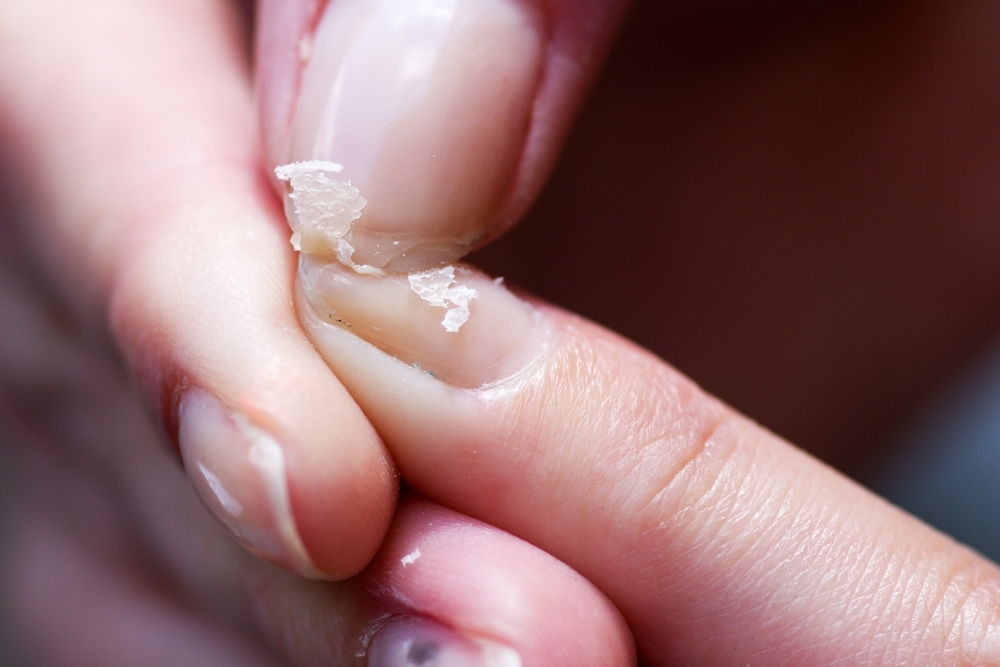
Environmental and lifestyle factors
Not all brittle nails are caused by internal issues. External factors often play a major role in nail health. Frequent hand washing, exposure to harsh detergents, and repeated contact with water can strip nails of their natural moisture. Over time, this leads to dryness and breakage.
Harsh chemicals in cleaning products or nail polish removers can weaken the nail structure. Excessive manicures, gel treatments, or acrylic nails may also damage the nail bed, causing thinning and brittleness.
Even seasonal changes can affect nails. Cold, dry weather reduces moisture levels, making nails more likely to split. Aging also contributes, as natural oil production decreases and nails become more fragile over time.
The role of moisture balance
Interestingly, both too little and too much moisture can lead to brittle nails. Nails that lack moisture become hard and break easily, while nails exposed to excessive water may become soft and weak. The constant cycle of wetting and drying—common in daily household tasks—can gradually damage the nail structure.
Maintaining proper hydration and protecting nails from harsh conditions are essential for preserving their strength. Simple habits such as wearing gloves during cleaning or using moisturizers regularly can help restore balance.
When to pay attention
Occasional nail breakage is normal, but persistent brittleness may indicate deeper health concerns. If weak nails are accompanied by fatigue, hair loss, weight changes, or other unusual symptoms, it may be wise to seek medical advice. Blood tests can help identify nutrient deficiencies or hormonal imbalances that affect nail health.
Supporting stronger, healthier nails
Improving nail strength often begins with addressing overall health. Eating a balanced diet rich in protein, iron, and essential vitamins supports keratin production. Staying hydrated and minimizing exposure to harsh chemicals can also protect nails from damage.
Regular moisturizing, gentle nail care, and avoiding excessive chemical treatments are simple yet effective ways to maintain nail resilience. Most importantly, paying attention to what nails reveal about the body can help identify problems early and support long-term wellness.
Weak or brittle nails may seem like a small issue, but they can serve as an important message from the body. By understanding the causes and responding with proper care, individuals can not only improve the appearance of their nails but also gain valuable insight into their overall health.