Pain in These 3 Areas: When to Be Cautious About Lung Cancer Symptoms



Pain is one of the body’s strongest warning systems. Most of the time, it signals something minor — a muscle strain, poor posture, or temporary inflammation. However, persistent or unexplained pain in certain areas can sometimes be linked to more serious underlying conditions, including lung cancer.
It’s important to clarify: pain alone does not equal cancer. Lung cancer often develops silently in early stages. But when symptoms do appear, they can involve areas beyond the lungs themselves.
Let’s examine three regions where persistent pain should not be ignored.
1. Shoulder Pain (Especially One-Sided and Persistent)
Shoulder pain is extremely common. It’s often caused by:
-
Muscle strain
-
Rotator cuff injury
-
Poor posture
-
Overuse
However, certain lung tumors — particularly those located in the upper portion of the lung (sometimes referred to as Pancoast tumors) — can irritate nearby nerves. This may cause:
-
Deep, aching shoulder pain
-
Pain radiating down the arm
-
Weakness in hand muscles


Unlike typical muscle pain, this type of discomfort may:
-
Persist without improvement
-
Worsen at night
-
Not respond well to standard pain relief
If shoulder pain has no clear injury cause and is accompanied by cough, shortness of breath, or unexplained weight loss, medical evaluation is essential.
2. Chest Pain That Feels Deep or Persistent
Chest pain is often associated with heart conditions. But lung-related causes should also be considered.
Lung cancer can cause chest pain when:
-
A tumor irritates the lining of the lung (pleura)
-
There is fluid buildup (pleural effusion)
-
Nearby structures become inflamed


Concerning characteristics include:
-
Pain that worsens with deep breathing
-
Pain that persists for weeks
-
Associated chronic cough
-
Coughing up blood
-
Hoarseness
Most chest pain is not cancer. Infections, inflammation, and musculoskeletal strain are far more common causes. However, persistent symptoms should always be assessed by a healthcare professional.
3. Upper Back Pain Between the Shoulder Blades
Upper back pain is typically linked to posture or muscular tension.
But in some cases, lung tumors located centrally or near the back of the chest cavity may cause:
-
Dull, persistent upper back pain
-
Pain that does not change with movement
-
Pain unrelated to physical activity


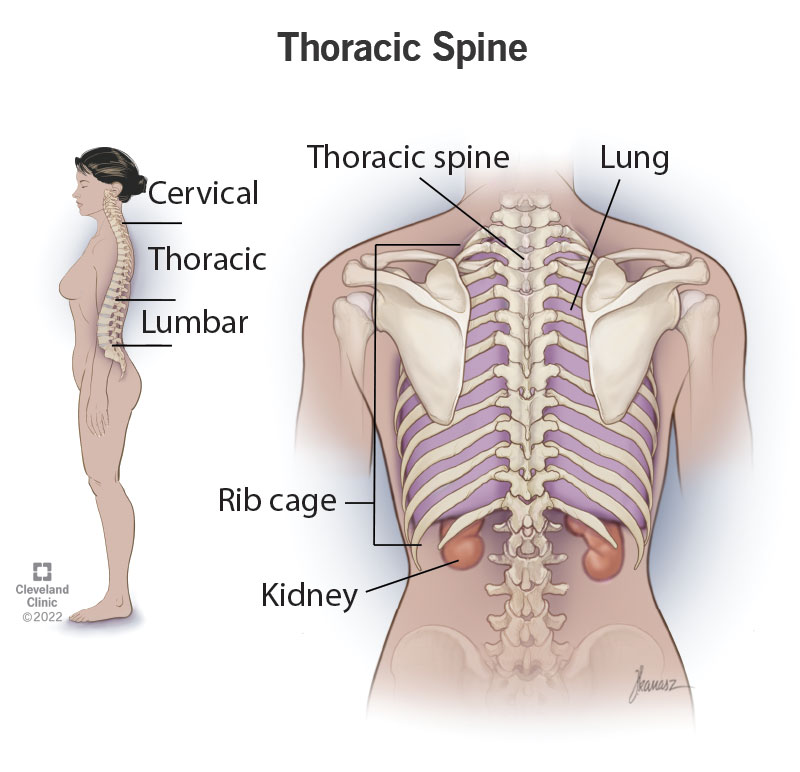
This type of pain may occur because lung tissue has few pain receptors. Instead, discomfort often arises when surrounding nerves or structures are involved.
Again, context matters. If back pain appears alongside:
-
Long-term smoking history
-
Chronic cough
-
Shortness of breath
-
Fatigue
-
Unexplained weight loss
Then further investigation is warranted.
Why Lung Cancer Symptoms Can Be Subtle
The lungs do not have many pain fibers internally. That’s why early lung cancer often produces minimal symptoms.
By the time pain appears, it may indicate that:
-
The tumor has grown
-
Nearby tissues are affected
-
There is nerve involvement
This is why early detection through screening (such as low-dose CT scans for high-risk individuals) is critical, particularly for long-term smokers.
Important Clarification
Pain in the shoulder, chest, or back does not automatically mean lung cancer.
The vast majority of cases are caused by:
-
Muscle strain
-
Poor posture
-
Respiratory infections
-
Arthritis
-
Stress-related tension
The key concern is persistence and combination of symptoms.
When to Seek Medical Attention
You should consult a doctor if you experience:
-
Pain lasting more than 2–3 weeks without clear cause
-
Cough lasting more than 3 weeks
-
Coughing up blood
-
Unexplained weight loss
-
Persistent shortness of breath
-
Recurring chest infections
Early evaluation significantly improves treatment outcomes.
Prevention and Risk Reduction
While not all cases are preventable, risk can be reduced by:
-
Avoiding smoking
-
Avoiding secondhand smoke
-
Limiting exposure to environmental toxins
-
Testing homes for radon
-
Maintaining regular health screenings
Smoking remains the most significant risk factor for lung cancer globally.
Final Perspective
Pain is common. Lung cancer is far less common than muscle strain or minor illness.
However, persistent, unexplained pain — especially when combined with respiratory symptoms — should not be dismissed.
Health awareness is about balance:
Not panic. Not denial.
If symptoms linger or feel unusual, professional evaluation is always the safest step.
Early detection can change outcomes dramatically.