6 Symptoms That May Indicate Advanced-Stage Cancer

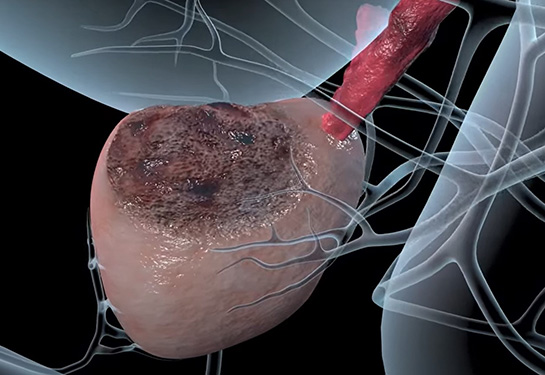

The phrase “final stage cancer” often creates fear. Medically, this is usually referred to as advanced-stage or metastatic cancer, meaning the disease has spread beyond its original location to other organs.
It’s important to approach this topic carefully and responsibly:
-
Not every serious symptom means advanced cancer.
-
Many symptoms listed below can also occur in non-cancer conditions.
-
Only medical imaging, biopsy, and professional evaluation can confirm stage.
That said, when cancer progresses to advanced stages, certain patterns of symptoms may appear.
Here are six warning signs commonly associated with late-stage disease.
1. Severe, Persistent Fatigue That Doesn’t Improve
Cancer-related fatigue is different from ordinary tiredness.
It may feel like:
-
Extreme exhaustion despite rest
-
Difficulty performing simple daily tasks
-
Heavy, drained sensation all day
In advanced cancer, fatigue may result from:
-
Tumor burden
-
Anemia
-
Nutritional deficiency
-
Chronic inflammation
-
Organ dysfunction
If fatigue is progressive and accompanied by other systemic symptoms, evaluation is critical.
2. Unexplained, Significant Weight Loss

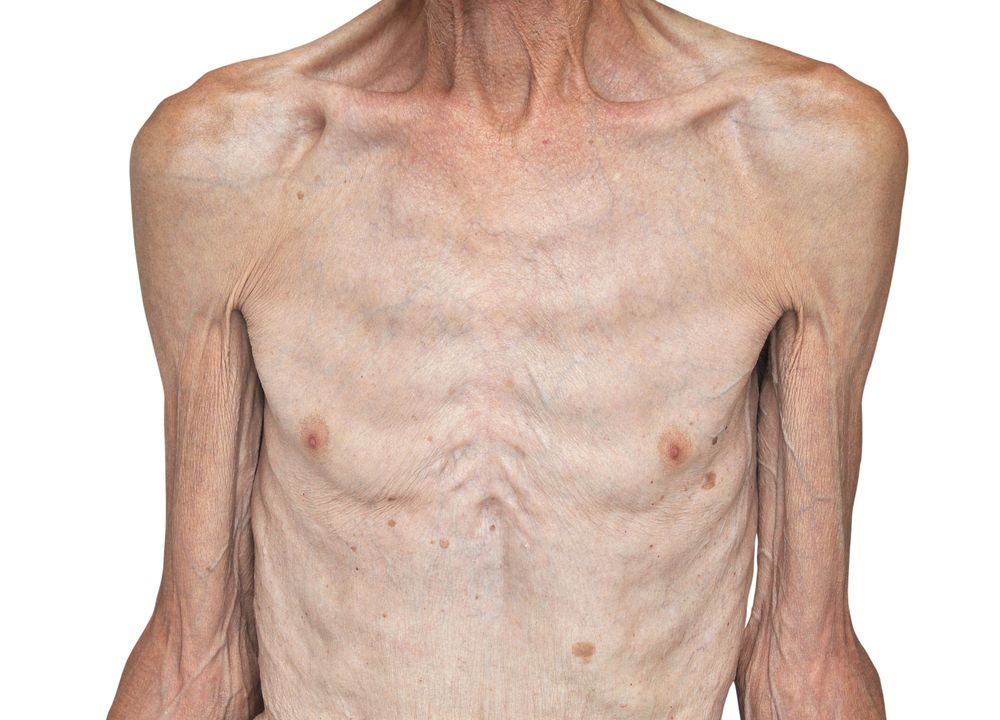

Sudden weight loss without dieting is one of the most common signs of advanced malignancy.
This may involve:
-
Muscle wasting
-
Loss of appetite
-
Rapid drop in body weight
In advanced cancer, a condition called cancer cachexia can develop. It involves metabolic changes that cause muscle breakdown, even if the patient tries to eat normally.
Losing more than 5–10% of body weight unintentionally over a few months warrants investigation.
3. Persistent or Worsening Pain
Pain location depends on where cancer has spread.
Examples include:
-
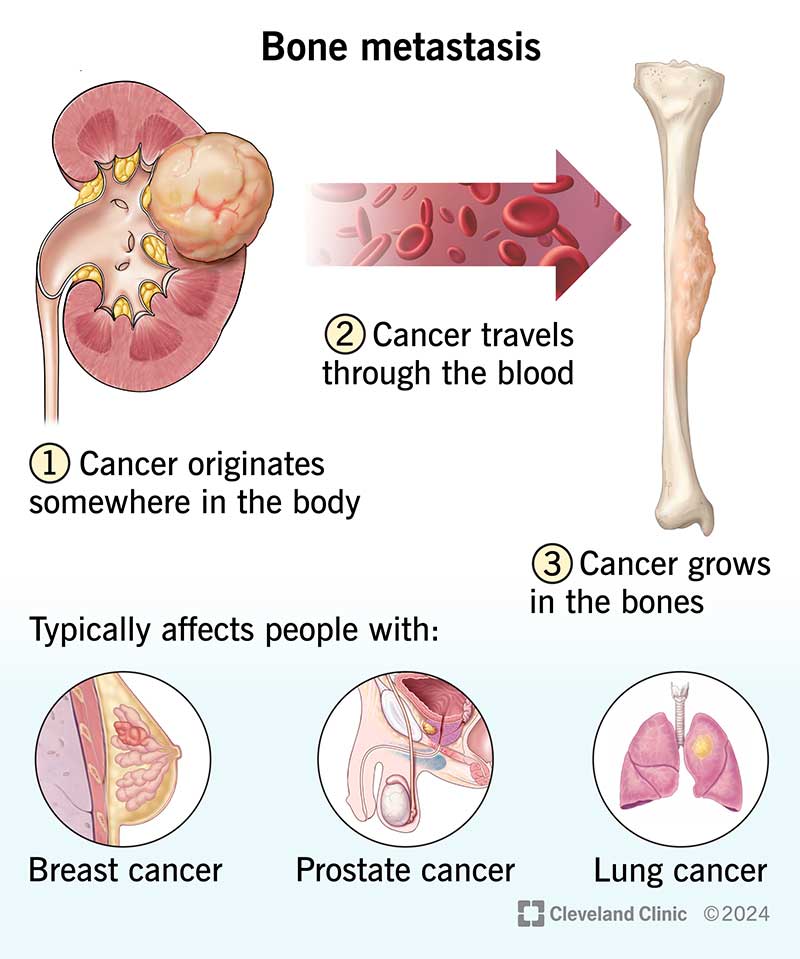
Bone pain (if cancer spreads to bones)
-
Headaches (if brain involvement occurs)
-
Abdominal pain (if liver or abdominal organs are affected)
-
Chest pain (if lung or pleural involvement exists)


Unlike minor aches, cancer-related pain often:
-
Persists
-
Gradually worsens
-
Does not resolve with simple measures
Persistent pain without clear cause requires medical assessment.
4. Shortness of Breath or Chronic Cough
If cancer spreads to the lungs or chest cavity, patients may experience:
-
Ongoing cough
-
Difficulty breathing
-
Chest tightness
-
Fluid buildup around the lungs
However, respiratory symptoms can also be caused by infections, heart disease, or chronic lung conditions.
Breathing changes should never be ignored.
5. Neurological Changes
When cancer affects the brain or nervous system, symptoms may include:
-
Confusion
-
Memory problems
-
Seizures
-
Weakness in limbs
-
Vision changes
These symptoms require immediate medical attention, regardless of cause.
6. Jaundice or Organ Dysfunction


If cancer spreads to the liver, patients may develop:
-
Yellowing of skin and eyes (jaundice)
-
Abdominal swelling (ascites)
-
Dark urine
-
Severe weakness
Similarly, kidney or other organ involvement can cause fluid retention, confusion, and metabolic changes.
Organ-related symptoms typically signal advanced disease and require urgent evaluation.
Important Clarification
These symptoms do not automatically mean “final stage cancer.”
Many non-cancer conditions can produce similar signs, including:
-
Severe infections
-
Autoimmune disorders
-
Organ failure from other causes
-
Chronic inflammatory diseases
Only diagnostic testing can determine the cause and stage.
Why Early Detection Matters
When cancer is identified early:
-
Treatment options are broader
-
Survival rates are significantly higher
-
Quality of life outcomes improve
Screenings (such as mammograms, colonoscopies, lung CT scans for high-risk individuals) play a major role in prevention and early diagnosis.
When to Seek Immediate Medical Attention
You should seek urgent evaluation if there is:
-
Rapid unexplained weight loss
-
Severe persistent pain
-
Sudden neurological changes
-
Difficulty breathing
-
Jaundice
Early medical intervention improves management, even in advanced cases.
Final Perspective
Advanced-stage cancer often produces systemic symptoms — not just localized ones.
However, fear-based headlines oversimplify complex medical realities.
The most important message is this:
If your body shows persistent, progressive changes that don’t improve — get evaluated.
Early awareness leads to early action.
And early action can change outcomes significantly.