Doctors Warn: 4 Nighttime Signs Your Liver May Be Struggling


The liver is one of the most important organs in your body. It filters toxins, metabolizes nutrients, regulates hormones, produces clotting factors, and supports immune function. Because it performs so many tasks, early liver stress often produces subtle symptoms — especially at night when the body is resting and regenerative processes are active.
Now let’s clarify something important:
Nighttime symptoms alone do not confirm liver disease. Many issues — stress, diet, hormonal shifts — can disrupt sleep or cause discomfort.
However, certain patterns appearing consistently at night may suggest the liver needs medical evaluation.
Here are four signs worth paying attention to.
1. Persistent Itching That Worsens at Night
Unexplained itching (especially without a rash) can sometimes be associated with liver dysfunction.
When bile flow is impaired, bile salts may accumulate in the bloodstream. This can lead to:
-
Generalized itching
-
Intensified discomfort in palms and soles
-
Symptoms that feel worse at night

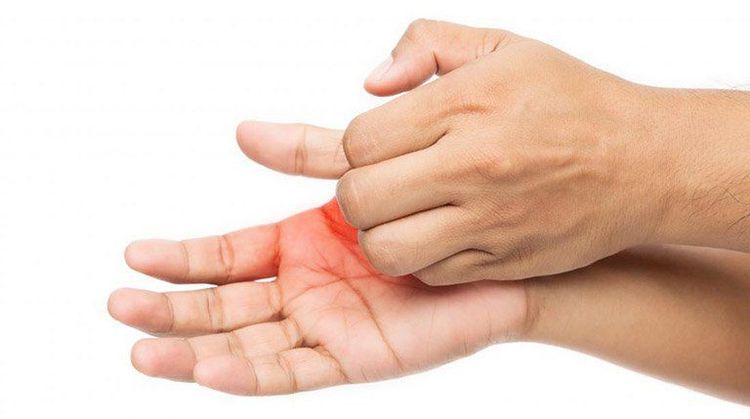

Nighttime itching often becomes more noticeable because distractions decrease and circulation patterns change during sleep.
If itching is persistent and accompanied by fatigue, yellowing of skin, or dark urine, medical testing is recommended.
2. Right Upper Abdominal Discomfort at Night
The liver is located in the upper right side of the abdomen.
In certain liver conditions — such as inflammation, fatty liver disease, or enlargement — people may feel:
-
Dull ache beneath the right rib cage
-
Pressure sensation when lying on the right side
-
Mild but persistent discomfort



This pain is usually not sharp. It’s often described as fullness or heaviness.
However, abdominal discomfort has many possible causes, including gallbladder issues, muscle strain, or digestive problems.
Persistent right-sided pain should always be evaluated.
3. Night Sweats or Disturbed Sleep
Chronic liver disease can sometimes interfere with:
-
Hormonal balance
-
Blood sugar regulation
-
Body temperature control
Some individuals report:
-
Frequent nighttime awakenings
-
Night sweats
-
Restlessness
-
Difficulty staying asleep
These symptoms are nonspecific and common in many conditions, but when combined with fatigue and other systemic signs, they warrant attention.
4. Swelling in Legs or Abdomen That Feels Worse at Night


Advanced liver dysfunction can impair protein production (particularly albumin) and fluid balance.
This may result in:
-
Swollen ankles
-
Abdominal bloating (ascites)
-
Heaviness in lower body
Swelling often becomes more noticeable after a day of standing and may feel more uncomfortable in the evening or at bedtime.
Fluid retention is a serious sign and requires immediate medical evaluation.
Other Liver-Related Symptoms to Watch For
In addition to nighttime changes, warning signs of liver stress may include:
-
Yellowing of skin or eyes (jaundice)
-
Dark urine
-
Pale stools
-
Chronic fatigue
-
Easy bruising
-
Loss of appetite
These symptoms reflect more significant liver involvement.
Common Causes of Liver Weakening
Liver dysfunction may develop due to:
-
Excess alcohol consumption
-
Viral hepatitis
-
Non-alcoholic fatty liver disease (NAFLD)
-
Obesity and insulin resistance
-
Long-term medication overuse
-
Toxin exposure
Many early-stage liver conditions are reversible with lifestyle changes if detected early.
When to Seek Medical Evaluation
You should consult a healthcare provider if:
-
Nighttime symptoms persist for weeks
-
You notice jaundice
-
Swelling increases
-
Fatigue worsens significantly
-
Abdominal pain becomes severe
Simple blood tests (liver function tests), ultrasound imaging, and medical history review can provide clarity.
Protecting Your Liver
Preventive steps include:
-
Limiting alcohol intake
-
Maintaining healthy weight
-
Controlling blood sugar
-
Avoiding unnecessary medications
-
Staying vaccinated against hepatitis
-
Eating a balanced, nutrient-rich diet
The liver has remarkable regenerative capacity — but only if stressors are reduced early.
Final Perspective
Nighttime discomfort alone does not confirm liver disease.
However, persistent itching, right-sided abdominal pressure, fluid retention, and unexplained sleep disturbance — especially when combined — should not be ignored.
The goal is not fear. It is awareness.
If your body repeatedly signals something unusual, medical evaluation is the responsible next step.
Early detection can prevent long-term damage — and in many cases, restore liver health completely.