Looking for the perfect healthy, fruity beverage? Read on to discover why a hot or cold brewed hibiscus tea should be your healthy, go-to brew for when looking for a healthy tea.
Forget artificial flavours and energy drinks packed with added sugars: for an antioxidant-rich thirst quencher, we’re stashing a caddy of wholesome hibiscus tea in our kitchen cupboards.
A refreshing, immune-boosting alternative to plain old water, hibiscus tea packs an array of health benefits that studies have shown may run from weight loss and cancer-fighting properties to a reduction in free radicals and inflammatory conditions.

Helping to bolster the immune system and keep you in good health all year round, hibiscus tea is a particular favourite when cold brewed, when it can be served chilled, turned into ice lollies or even used as a base for a vibrant, fruit-spiked non-alcoholic cocktail, served in an elegant pitcher.
Maybe you need some healthy hydration post-workout. Perhaps you just want a soothing, naturally caffeine-free tea to sip during those long evenings. Whatever your plans for the coming months, hibiscus tea is hydrating, packed with health perks and ideal for any time of day.

What is Hibiscus tea?
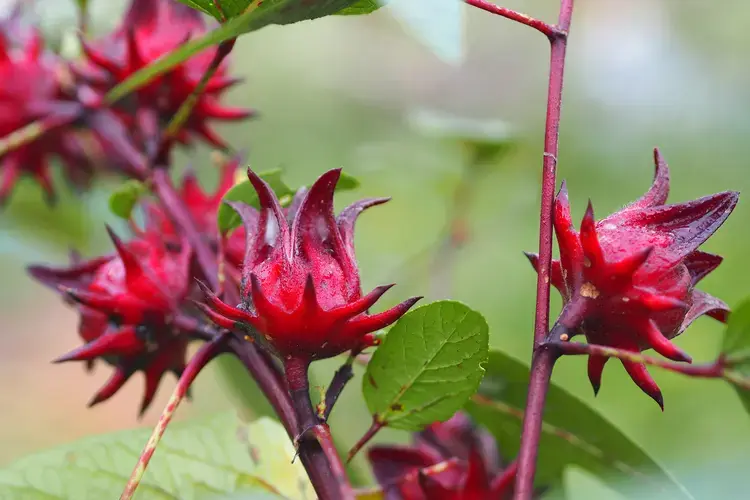
Made by steeping the calyces, or sepals, of Hibiscus sabdariffa (a member of the mallow family, and also known as roselle) in hot water, hibiscus tea is a crimson-coloured beverage. Famed for its tart yet fruity taste, it’s a little akin to cranberry juice – minus the calories.
Known for its exuberant flowers, this fast-growing hibiscus plant is found in tropical and subtropical regions all over the world. For centuries it has been the source of this flavourful, health-boosting herbal tea, usually available as dried flowers – as in our own Hibiscus Bora Bora – although it can also be made from freshly harvested flowers, if you can find them.
Hibiscus tea’s rich history has seen it enjoyed everywhere from Egyptian tea houses to Mexican taquerias. Globally, it has many names: sorrel in Indonesia; karkade in Egypt and Sudan; Rudrapushpa in parts of India. In Mexico, it’s known as flor de Jamaica and is thought to have originally arrived via the Caribbean – brought over by 17th-century slaves abducted from West Africa, where it’s called bissap and still widely popular.
Wherever it’s found, it’s linked with good health, and the many uses of hibiscus tea have historically ranged from the treatment of heart conditions, as in Iran, all the way to China, where it was traditionally prescribed as a diuretic.

How to Make Hibiscus Tea
Measuring Tea
When brewing just one cup, measure out between 3g-4g of loose leaf tea leaves. Using a tea scoop or tea scales can help when weighing out your tea leaves.
Water Temperature
It is best to use fresh water, rather than reboiled as it can affect the flavour of the tea. The best temperature to brew water for Hibiscus fruit tea is 100°C, to get the most out of the ingredients.
Steeping the Tea
Using either a teapot with a built in infuser, like our Easy Glass Teapots, or a tea infuser ball add your tea to your teapot or mug. Then pour the water over the tea and watch as the colour slowly infuses, for up to 12 minutes, less for a weaker flavour, longer for stronger flavour.
How to cold brew Hibiscus Tea
If you’re making it cold, pour the water over the hibiscus flowers and other ingredients and ideally steep it overnight in the fridge.
What does Hibiscus Tea taste like?
Delicious either hot or cold, hibiscus tea can be prepared in a variety of ways – as it has been traditionally around the world. If you want to amp up its health benefits, you could take your cues from Nigeria, where hibiscus tea is known as zobo and is commonly served with slices of nutrient-rich pineapple and spices such as antioxidant-rich cloves and infection-fighting ginger.
This tea offers an intensely fruity aroma and bright red infusion. A sweet cup with zesty hibiscus, berries and tropical fruity mouthfeel.
Hibiscus tea is sometimes known as sour tea, and for good reason, so you may like to add a little honey (a healthier option than the sugar it’s served with as standard in Egypt). Alternatively, take the edge off by stirring in your own mix of honey and/or fruit, to taste, or simply add a squeeze of lemon or lime.
8 Health Benefits of Hibiscus Tea
Not just great for the taste buds, Hibiscus tea is also great for the body. Packed with antioxidants, anti-inflammatory properties and antibacterial properties this tasty tea is packed with numerous health benefits.
If that full, fruity flavour of hibiscus tea, with its tart, slightly sour edge, tastes like it’s doing you good, you’re onto something.
Recent research into hibiscus has shown how the plant’s properties may help boost health in a variety of ways. Here are eight great benefits associated with this powerhouse infusion:
Fights inflammation
The calyces of the Hibiscus sabdariffa plant, from which hibiscus tea is made, are rich in anthocyanins, known for their anti-inflammatory properties and key in preventing a range of health conditions and diseases, from arthritis to Alzheimer’s.
Protects with antioxidants
Hibiscus tea is a good source of vitamin C and other antioxidants that help fight free radicals and are especially helpful for tissue, cartilage and collagen production (trust us, your skin will thank you).
Lowers blood pressure
Studies into the effect of hibiscus on blood pressure have been promising, showing that it has potential links to reduced hypertension due to its diuretic properties.
Helps reduce cholesterol
Hibiscus tea can be beneficial for lowering cholesterol, thereby lowering the risk of major cardiovascular diseases, heart attacks and strokes.
Promotes weight loss
While Hibiscus tea can help support weight loss by acting as a low-sugar, natural alternative to store bought drinks, research has also shown that hibiscus may inhibit the formation of fat cells, further promoting weight loss.
Antibacterial properties
Hibiscus flower extract has been linked with antibacterial properties and is particularly associated with a reduction in the streptococcus bacterium that causes periodontal disease, promoting better dental health.
Supports liver health
Studies in both humans and animals have shown hibiscus to reduce markers of fat- and diet-induced liver damage.
Contains cancer-preventing compounds
Although more research is needed, the high content of polyphenols in hibiscus has demonstrated promise in studies in inhibiting the growth of cancer cells
Potential Side Effects of Hibiscus Teas
Hibiscus tea may not be for everyone however. It is not recommended for pregnant or breastfeeding women, as hibiscus can cause fluctuations in hormone levels.
Does Hibiscus Tea have caffeine?
Fruit infusions, not being made with actual tea leaves, do not contain any caffeine. Meaning this brew can be enjoyed at any time of the day, by the whole family - our Hibiscus Bora Bora is especially popular as an alternative to fruit squashes and concentrates.