Fresh vegetables are often praised as the cornerstone of a healthy diet. From salads to green smoothies, raw vegetables are widely believed to deliver maximum nutrition and natural benefits. However, not all vegetables are meant to be eaten raw. In fact, some can hinder nutrient absorption or even increase the risk of food poisoning if consumed without proper cooking.
Understanding which vegetables are better cooked can help protect your digestive health and ensure your body absorbs the nutrients it needs.
Why Some Vegetables Should Not Be Eaten Raw
While raw vegetables contain valuable vitamins and minerals, certain compounds within them can be difficult for the body to process. Cooking helps break down these compounds, making nutrients easier to absorb and reducing the presence of harmful substances such as natural toxins, bacteria, or anti-nutrients.
Some vegetables also contain oxalates or goitrogens—substances that can interfere with mineral absorption or thyroid function when consumed in large amounts without cooking.
Below are four vegetables that are generally safer and healthier when cooked.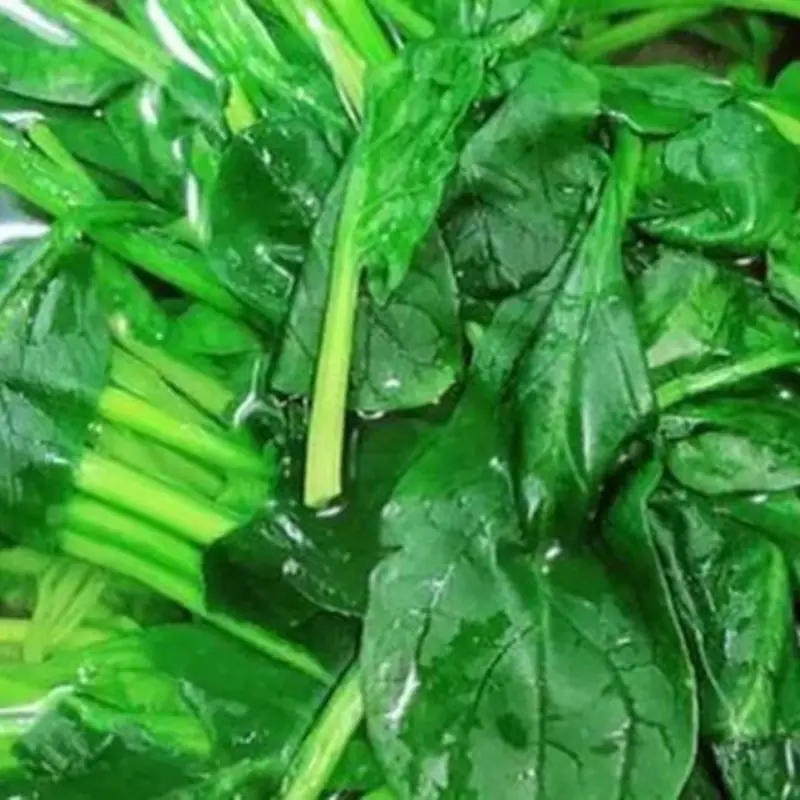
1. Spinach
Spinach is a nutrient powerhouse packed with iron, calcium, and vitamins A and C. However, it also contains oxalic acid, a compound that can bind to calcium and iron, making them harder for the body to absorb.
Eating large amounts of raw spinach may reduce mineral absorption and potentially contribute to kidney stone formation in sensitive individuals. Lightly steaming or sautéing spinach significantly reduces oxalic acid levels while enhancing the availability of key nutrients.
Cooking also softens spinach fibers, making it easier to digest and gentler on the stomach.
2. Broccoli
Broccoli is rich in antioxidants, fiber, and vitamin C, but eating it raw in large quantities may cause digestive discomfort. This cruciferous vegetable contains compounds known as goitrogens, which can interfere with thyroid function when consumed excessively without cooking.
Steaming or lightly cooking broccoli helps reduce these compounds and improves the absorption of beneficial nutrients such as sulforaphane, a powerful antioxidant linked to reduced inflammation and improved overall health.
Cooking broccoli also makes it easier to digest and reduces the risk of bloating or gas.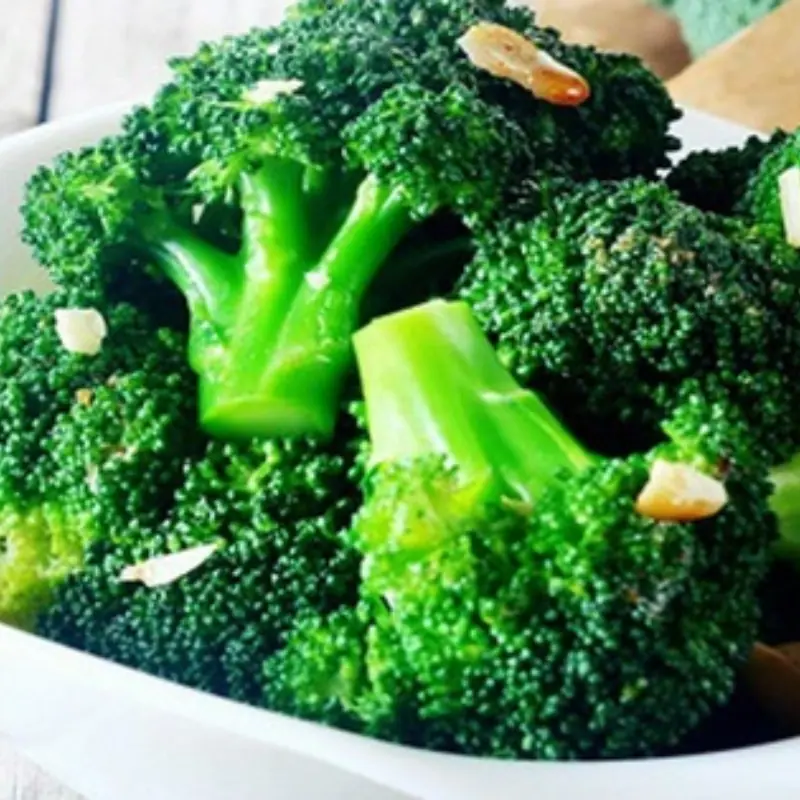
3. Green Beans
Raw green beans contain lectins, natural proteins that can be toxic when consumed in significant amounts. These compounds can interfere with digestion and cause symptoms such as nausea, vomiting, or stomach discomfort.
Cooking green beans thoroughly destroys lectins and makes them safe to eat. Steaming or boiling also enhances flavor and texture, turning them into a nutritious and easily digestible side dish.
Proper cooking ensures that you receive the fiber, vitamins, and antioxidants green beans offer without the risk of digestive irritation.
4. Eggplant
Eggplant contains a natural compound called solanine, which can be harmful if consumed raw in large quantities. While the levels are generally low, eating raw eggplant may lead to digestive issues and reduce nutrient absorption.
Cooking eggplant breaks down solanine and improves its taste and texture. It also increases the availability of antioxidants like nasunin, which supports brain and cellular health.
Grilling, roasting, or sautéing eggplant enhances both safety and nutritional value, making it a versatile and healthy addition to meals.
Tips for Safe Vegetable Consumption
To maximize the benefits of vegetables while minimizing risks, consider these simple tips:
-
Wash all vegetables thoroughly to remove dirt and bacteria.
-
Lightly steam or sauté vegetables that contain anti-nutrients.
-
Avoid consuming large amounts of any single raw vegetable.
-
Combine raw and cooked vegetables for balanced nutrition.
A Balanced Approach to Healthy Eating
Raw vegetables can be refreshing and nutritious, but they are not always the healthiest option for every type. Some vegetables release more nutrients and become safer for digestion when cooked properly.
By understanding how preparation methods affect nutrient absorption and safety, you can make smarter dietary choices. Cooking certain vegetables does not reduce their health benefits—in many cases, it enhances them.