
5 Surprising Health Benefits of Orange Juice
Orange Juice: 5 Unexpected Ways It Boosts Your Health
Health 04/04/2026 08:43
Tofu has long been recognized as a nutrient-dense, plant-based protein source. It is widely consumed in many Asian diets and has gained global popularity among vegetarians, vegans, and individuals seeking heart-healthy alternatives to animal protein.
However, while tofu offers multiple health benefits, it is not automatically suitable for everyone. Certain medical conditions may require moderation or professional guidance before adding soy-based products to the diet.
Understanding both the benefits and the potential limitations of tofu allows for safer, more personalized nutrition choices.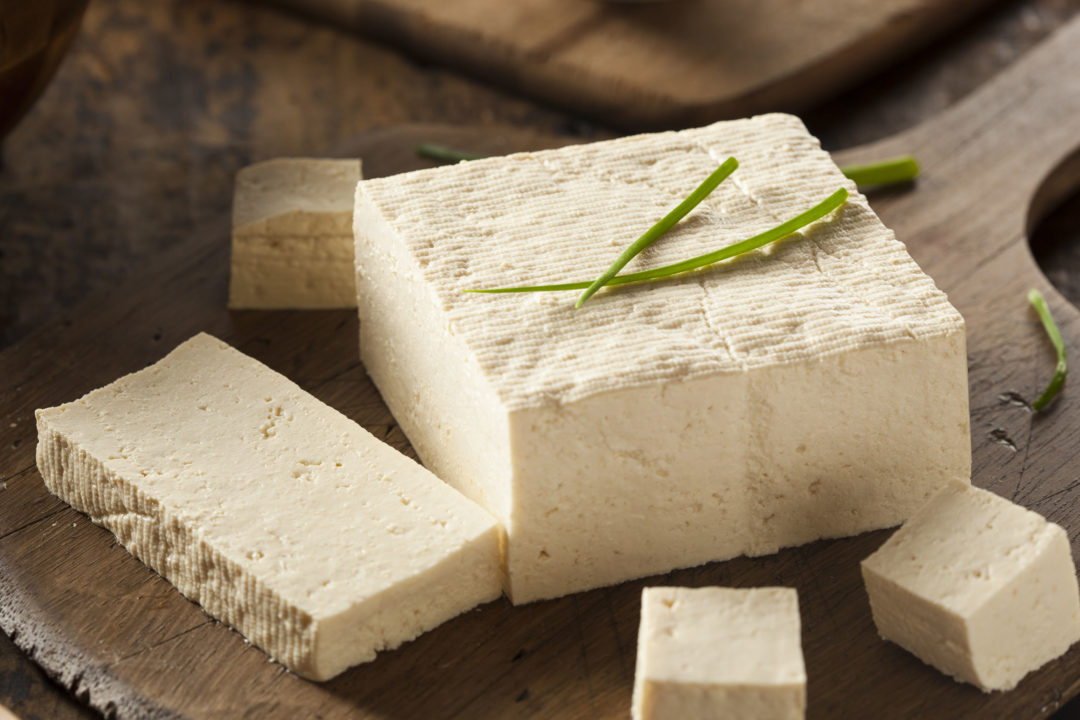
Tofu is produced by coagulating soy milk and pressing the curds into blocks. Despite its simple preparation, its nutrient profile is impressive.
According to data from the U.S. Department of Agriculture (USDA), approximately 81 grams of tofu provides:
14 grams of protein
7 grams of fat
2.3 grams of carbohydrates
1.9 grams of fiber
11 milligrams of sodium
Beyond macronutrients, tofu contains essential minerals and micronutrients, including:
Calcium
Magnesium
Phosphorus
Iron
Manganese
Copper
Zinc
B vitamins
Many varieties are also fortified with calcium or vitamin D, making tofu particularly beneficial for bone health.
Research has shown that soy protein may contribute to modest reductions in LDL (low-density lipoprotein) cholesterol and slight increases in HDL (high-density lipoprotein) cholesterol. A meta-analysis of multiple clinical studies found that soy protein intake can reduce LDL cholesterol by approximately 3–4% in adults.
Tofu also contains isoflavones — plant compounds with mild estrogen-like activity — which have been associated with improved bone mineral density and reduced bone loss in some populations.
Despite these advantages, there are groups of individuals who may need to limit or avoid tofu consumption.
Tofu contains isoflavones, which can interfere with thyroid function in certain circumstances. Specifically, high soy intake may affect the activity of thyroid peroxidase, an enzyme involved in the production of thyroid hormones.
For individuals with hypothyroidism, especially those with iodine deficiency or those taking thyroid hormone replacement therapy, excessive tofu consumption may:
Reduce iodine utilization
Interfere with thyroid hormone absorption
Complicate medication timing
This does not necessarily mean complete avoidance is required, but moderation and medical supervision are recommended.
Tofu is relatively high in protein. While protein is essential for health, excessive intake can stimulate gastric acid secretion.
For individuals with gastritis or chronic stomach inflammation, this may lead to:
Bloating
Abdominal discomfort
Increased acid-related symptoms
Additionally, soy-based foods can contain compounds that modestly inhibit iron absorption, which may be problematic for individuals already prone to iron deficiency or digestive sensitivity.
Careful portion control and monitoring symptoms are advisable in such cases.

The kidneys are responsible for filtering nitrogenous waste products that result from protein metabolism. A high-protein diet can increase the production of these waste compounds.
For individuals with impaired kidney function, excessive tofu consumption may:
Increase renal workload
Elevate nitrogen waste levels
Potentially accelerate kidney function decline
While plant-based proteins are generally considered less taxing than animal proteins, patients with moderate to advanced kidney disease should follow individualized dietary guidance from healthcare providers.
Tofu contains methionine, an amino acid that is metabolized into homocysteine under certain physiological conditions. Elevated homocysteine levels have been associated with endothelial dysfunction and increased cardiovascular risk.
Although tofu is typically considered heart-friendly due to its low saturated fat content, excessive intake — especially without adequate B vitamins (which regulate homocysteine metabolism) — may not be ideal for individuals with existing vascular disease.
Balance remains essential. In most cases, moderate tofu intake within a varied diet is unlikely to cause harm, but individuals with complex cardiovascular conditions should consult a physician.
Gout is characterized by elevated uric acid levels and painful joint inflammation. Soy products contain purines, which can contribute to uric acid production.
For individuals prone to gout attacks, excessive tofu consumption may:
Increase uric acid levels
Trigger flare-ups
Worsen joint inflammation
Although tofu contains moderate purine levels compared to some animal proteins, individuals with recurrent gout should monitor their intake carefully.
It is important to emphasize that tofu is not inherently harmful. For most healthy individuals, it can be part of a balanced and nutritious diet.
The concern arises primarily when:
Intake is excessive
Preexisting medical conditions are present
Nutritional balance is not maintained
Dietary decisions should always be personalized, particularly in the presence of chronic illness.
Tofu remains a valuable source of plant-based protein, essential minerals, and beneficial phytonutrients. It supports heart health, bone density, and overall metabolic balance in many individuals.
However, nutrition is never one-size-fits-all. Individuals with thyroid disorders, digestive inflammation, kidney disease, cardiovascular complications, or gout should approach tofu consumption thoughtfully.
Informed choices — guided by medical advice when necessary — ensure that even healthy foods are consumed in a way that truly supports long-term well-being.
Orange Juice: 5 Unexpected Ways It Boosts Your Health

Left Upper Abdominal Pain Explained

What Eating Eggs Every Day Really Does to Your Body

8 Warning Signs Your Kidneys Are in Trouble — Don’t Ignore Them!

Sweet Potato Fans, Don’t Miss This! 🍠 Find Out What You Need to Know Now
Foods you should never eat with cucumber — avoid this dangerous combo!

You Can Grow This Exotic Spice at Home

This medicinal leaf is valued for its wide range of health benefits

Eating beets daily: benefits and surprising side effects

Potatoes may be a common favorite, yet not everyone can eat them
The skin health benefits of carrots and lemons

Avoid these foods to better protect your thyroid health

Sore throat after chemo: hidden risks doctors warn about

Dry mouth at night? 8 hidden causes you shouldn’t ignore

Sleeping on your left side: simple habit, powerful health gains

What you eat in the morning matters more than you think
Why Almonds Support Your Health: Benefits Explained by Science

Showering at Night vs. Morning: Why Bedtime Might Be Better for Your Health

Why Date Seed Coffee Is a Caffeine-Free Choice with Surprising Benefits

Doctors Say: Avoid Jackfruit If You Are One of These 5

Should You Drink Tomato Juice? A Look at Its Pros and Cons
Orange Juice: 5 Unexpected Ways It Boosts Your Health
Left Upper Abdominal Pain Explained
What Eating Eggs Every Day Really Does to Your Body
8 Warning Signs Your Kidneys Are in Trouble — Don’t Ignore Them!
Sweet Potato Fans, Don’t Miss This! 🍠 Find Out What You Need to Know Now

Radish Danger Zone: 5 Foods That Don’t Mix Well
Foods you should never eat with cucumber — avoid this dangerous combo!
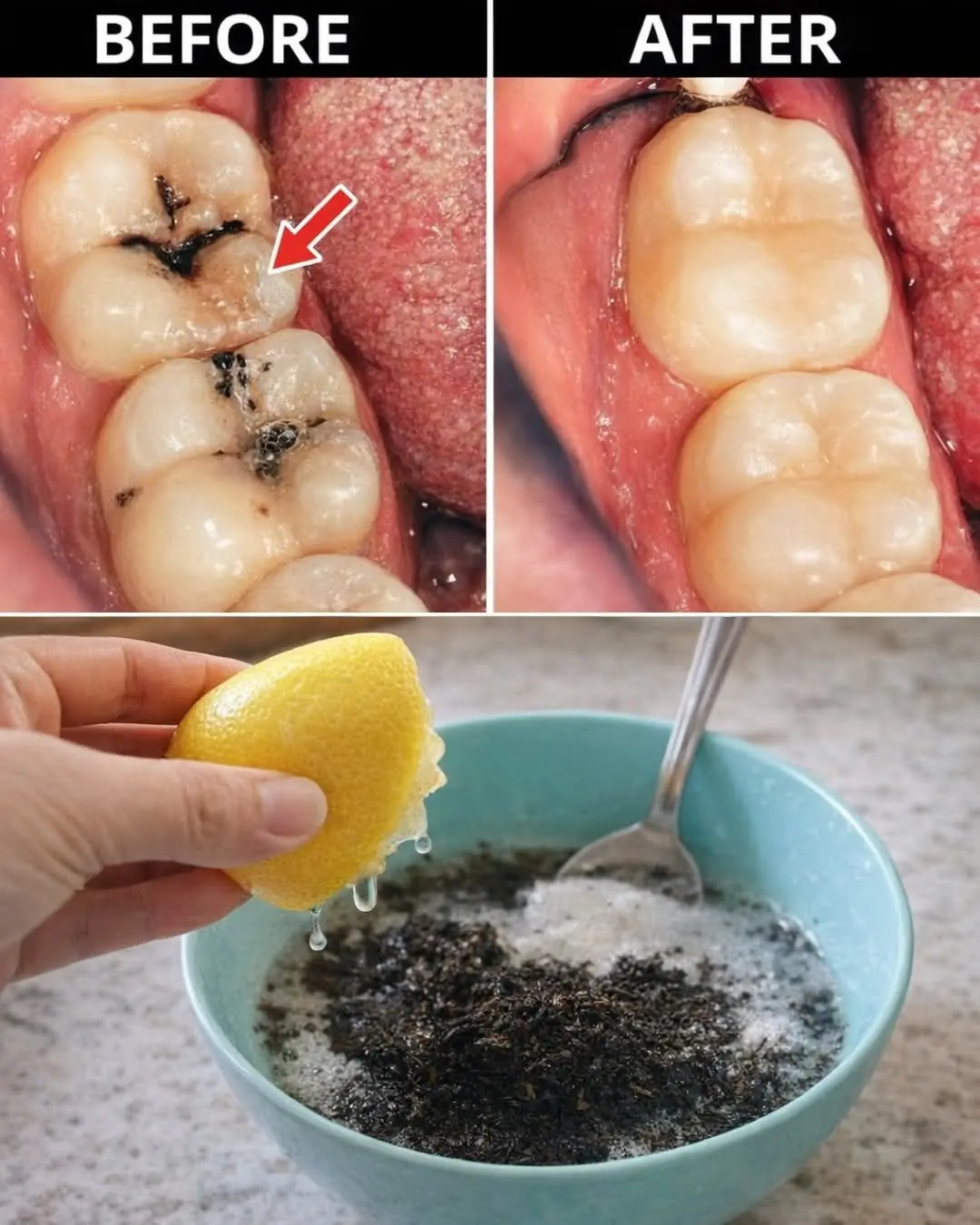
Tooth Decay Might Not Be Permanent
You Can Grow This Exotic Spice at Home
If a snake crawls into your home, these simple items can help drive it out fast
This medicinal leaf is valued for its wide range of health benefits
Eating beets daily: benefits and surprising side effects
Potatoes may be a common favorite, yet not everyone can eat them

Cat behaviors explained: what their actions really mean
The skin health benefits of carrots and lemons
Avoid these foods to better protect your thyroid health

This Hidden Feature Changes Everything
Sore throat after chemo: hidden risks doctors warn about
Dry mouth at night? 8 hidden causes you shouldn’t ignore