Top 3 Fastest Ways to Heal Canker Sores at Home (Backed by Evidence)
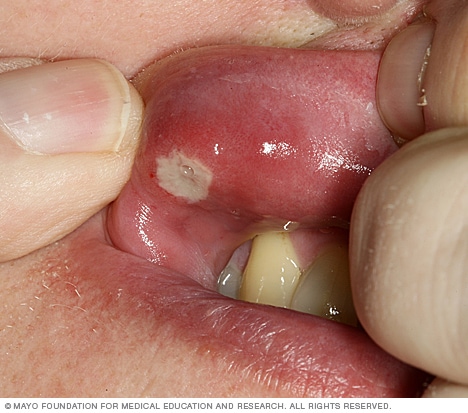

Canker sores (aphthous ulcers) are small, painful ulcers that develop inside the mouth — often on the lips, cheeks, tongue, or gums. They are not contagious, but they can make eating, drinking, and speaking uncomfortable.
Most canker sores heal on their own within 7–14 days, but certain home strategies can reduce pain and speed recovery.
Here are three practical, evidence-supported methods.
1. Salt Water or Baking Soda Rinse
One of the simplest and most effective remedies.
Why it helps:
-
Reduces bacteria in the mouth
-
Decreases inflammation
-
Promotes healing
How to use:
-
Mix ½ teaspoon of salt in a cup of warm water
-
Rinse for 15–30 seconds
-
Repeat 2–3 times daily
Alternatively:
-
Mix 1 teaspoon baking soda in water and rinse
This helps maintain a balanced oral environment and prevents irritation.
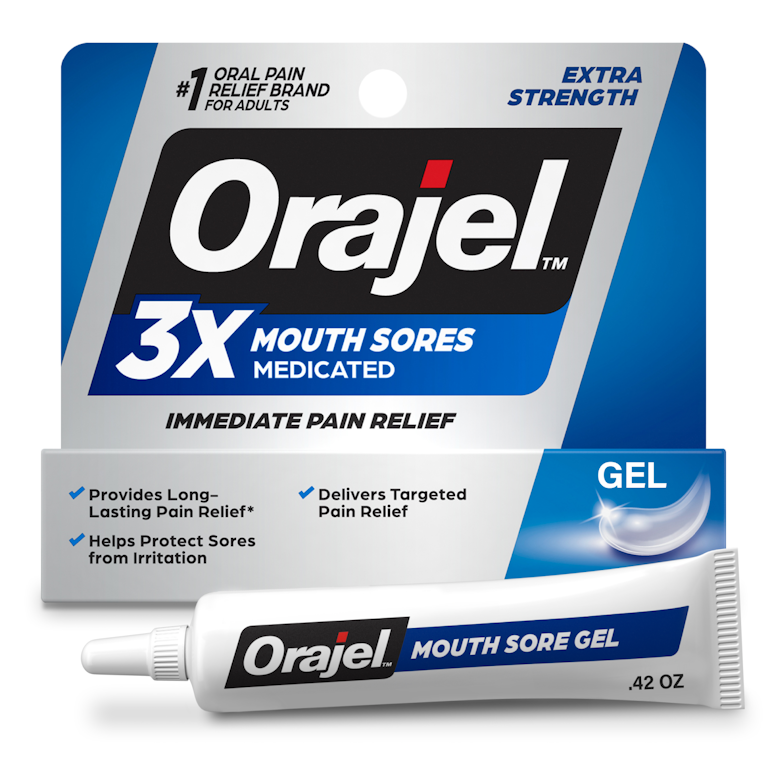
2. Topical Anti-Inflammatory Gels
Over-the-counter oral gels containing:
-
Benzocaine (numbing agent)
-
Hydrogen peroxide (mild antiseptic)
-
Corticosteroid-based pastes (in some regions, prescription)
Benefits:
-
Relieves pain
-
Reduces swelling
-
Protects the ulcer surface
Apply directly to the sore after drying the area gently. Follow product instructions carefully.
3. Honey Application
Medical-grade honey has natural antibacterial and anti-inflammatory properties.
Why honey may help:
-
Creates protective barrier
-
Reduces irritation
-
Supports tissue repair
Apply a small amount directly to the sore 3–4 times daily.
Some small clinical studies suggest honey may reduce healing time and pain severity.
Additional Helpful Tips
-
Avoid spicy, acidic, or salty foods
-
Use a soft-bristled toothbrush
-
Avoid alcohol-based mouthwashes
-
Stay hydrated
-
Manage stress (a common trigger)
Common Causes of Canker Sores
-
Minor mouth injury
-
Stress
-
Hormonal changes
-
Vitamin deficiencies (B12, folate, iron)
-
Food sensitivities
-
Immune response triggers
If sores are frequent, nutritional testing may be helpful.
When to See a Doctor
Seek medical evaluation if:
-
The sore lasts more than 2 weeks
-
Ulcers are unusually large
-
Sores are extremely painful
-
Fever accompanies the ulcer
-
Sores occur very frequently
Persistent or severe ulcers may indicate an underlying condition such as autoimmune disorders or nutritional deficiencies.
What Not to Do
-
Do not pick at the sore
-
Avoid harsh chemical treatments
-
Avoid very hot foods
-
Do not ignore persistent ulcers
The Bottom Line
Canker sores are common and usually harmless, but they can be painful.
The fastest relief strategies include:
-
Salt or baking soda rinse
-
Topical protective or numbing gels
-
Honey application
Most cases resolve within two weeks. If symptoms persist or worsen, consult a healthcare professional.