Diabetes often develops quietly, with symptoms that appear subtle or easy to ignore. Many people focus on blood tests and obvious warning signs like fatigue or excessive thirst, but one of the most overlooked indicators may be right at your feet. Health experts increasingly note that changes in the feet can reveal early clues about blood sugar imbalances and potential diabetes risk.
Because the feet are sensitive to circulation and nerve health, they can reflect underlying metabolic issues long before more severe complications appear. Recognizing unusual foot symptoms early may help individuals detect diabetes sooner and seek proper medical evaluation.
Why the Feet Matter in Diabetes Detection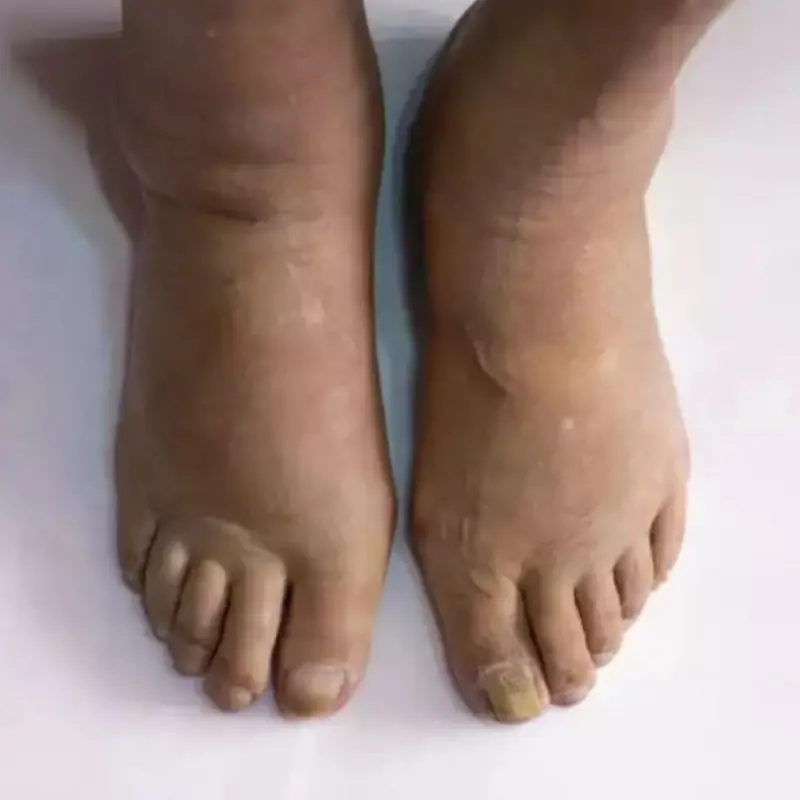
The feet contain a complex network of nerves and blood vessels. When blood sugar levels remain elevated over time, they can damage these structures. This damage may lead to nerve problems (neuropathy) and reduced blood circulation, both common complications associated with diabetes.
As a result, the feet often show early warning signs. Paying attention to changes in sensation, skin condition, and healing patterns may provide important clues about overall health and blood sugar control.
1. Persistent Numbness or Tingling
One of the earliest and most common signs linked to diabetes is a tingling or numb sensation in the feet. Some people describe it as a “pins and needles” feeling that doesn’t go away. This occurs when high blood sugar begins to affect nerve function.
Over time, nerve damage can reduce sensitivity in the feet, making it harder to feel temperature changes or minor injuries. This loss of sensation increases the risk of unnoticed wounds and infections. If tingling or numbness becomes frequent or persistent, it may be worth discussing with a healthcare professional.
2. Slow-Healing Cuts or Sores
Healthy circulation is essential for wound healing. When blood sugar levels remain high, circulation may become impaired, especially in the lower extremities. As a result, even small cuts, blisters, or sores on the feet can take longer than usual to heal.
Slow healing can increase the risk of infection and complications. If you notice that foot injuries remain open or irritated for weeks instead of days, it could be a sign that blood sugar regulation is not optimal.
3. Dry, Cracked Skin
Excessively dry or cracked skin on the feet may also signal potential blood sugar problems. Diabetes can reduce the skin’s ability to retain moisture and affect sweat gland function. This may lead to rough patches, peeling, or cracks, particularly around the heels.
Cracked skin can create openings for bacteria, increasing the risk of infection. While dry skin alone does not confirm diabetes, persistent dryness combined with other symptoms may warrant attention.
4. Burning Sensation or Foot Pain
Some individuals experience a burning or sharp pain in their feet, especially at night. This discomfort may stem from nerve irritation caused by prolonged high blood sugar levels. The sensation can range from mild discomfort to severe pain that interferes with sleep.
Unlike temporary soreness from standing or walking, nerve-related pain often occurs even at rest. If foot pain appears without clear physical strain, it could indicate underlying nerve involvement linked to blood sugar imbalance.
5. Changes in Foot Color or Temperature
Poor circulation associated with diabetes can cause noticeable changes in foot color or temperature. Feet may appear unusually pale, bluish, or reddish. They might also feel colder than usual due to reduced blood flow.
In some cases, swelling may occur as circulation becomes less efficient. Any sudden or persistent change in foot appearance or temperature should not be ignored, especially if combined with other symptoms.
Taking Preventive Steps
While these symptoms do not automatically confirm diabetes, they can serve as important early warnings. Regular health checkups, including blood sugar testing, remain the most reliable way to detect diabetes or prediabetes. Early diagnosis allows for better management and helps reduce the risk of complications.
Maintaining a balanced diet, staying physically active, and monitoring overall health can support stable blood sugar levels. Proper foot care is also essential. Keeping feet clean, moisturized, and protected can help prevent minor issues from becoming serious problems.
Final Thoughts
Your feet can reveal more about your health than you might expect. Subtle changes in sensation, skin condition, or healing patterns may provide early clues about blood sugar imbalances and potential diabetes risk. Paying attention to these signals and seeking timely medical advice can make a significant difference in long-term health.