8 Signs You May Be Experiencing Kidney Failure
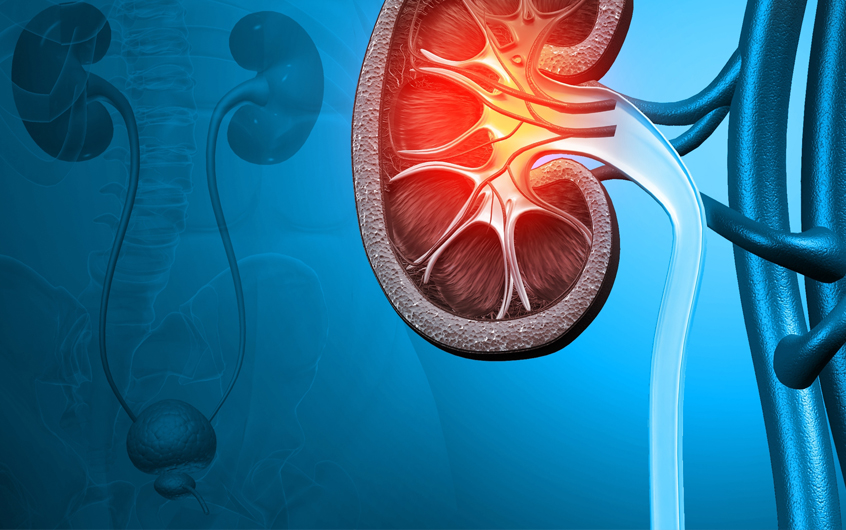
Kidney failure, medically referred to as renal failure, occurs when the kidneys lose their ability to effectively filter waste products and excess fluids from the blood. This condition can develop gradually over time as chronic kidney disease (CKD) or occur suddenly as acute kidney injury (AKI).
The kidneys play a critical role in maintaining homeostasis. They regulate fluid balance, electrolytes, blood pressure, and red blood cell production. When kidney function declines, the body begins to show systemic warning signs. Below are eight clinically recognized symptoms that may indicate impaired kidney function.

1. Persistent Fatigue and Weakness
Healthy kidneys produce a hormone called erythropoietin (EPO), which stimulates the production of red blood cells. When kidney function decreases, EPO production may drop, leading to anemia.
Anemia reduces oxygen delivery throughout the body, which may result in:
-
Chronic fatigue
-
General weakness
-
Reduced stamina
-
Difficulty concentrating
Persistent exhaustion that does not improve with rest may warrant further medical evaluation.
2. Changes in Urination Patterns
Alterations in urination are often among the earliest indicators of kidney dysfunction. Symptoms may include:
-
Increased urination, especially at night (nocturia)
-
Decreased urine output
-
Foamy or bubbly urine, suggesting protein leakage (proteinuria)
-
Dark, brown, or blood-tinged urine
Because the kidneys are directly responsible for urine production, noticeable changes should not be ignored.
3. Swelling in the Legs, Ankles, Feet, or Face
When the kidneys cannot effectively remove excess sodium and fluids, fluid retention may occur. This condition, known as edema, commonly appears in:
-
Ankles and feet
-
Lower legs
-
Hands
-
Eyelids
Swelling may worsen as the day progresses and can sometimes leave a temporary indentation when pressed (pitting edema).
4. Shortness of Breath
Shortness of breath can develop for two primary reasons in kidney failure:
-
Fluid accumulation in the lungs (pulmonary edema)
-
Anemia reducing oxygen transport in the bloodstream
In more advanced stages, breathlessness may occur even during minimal activity or at rest.
5. Persistent Nausea or Loss of Appetite
As waste products accumulate in the bloodstream — a condition known as uremia — gastrointestinal symptoms may appear. These can include:
-
Nausea
-
Vomiting
-
Loss of appetite
-
Metallic taste in the mouth
Over time, this may lead to unintended weight loss and nutritional deficiencies.
6. Itchy and Dry Skin
Kidneys help maintain mineral balance in the body, particularly calcium and phosphorus. When this balance is disrupted, it can cause:
-
Persistent itching (uremic pruritus)
-
Dry or flaky skin
-
Skin discoloration or paleness
Chronic itching without an obvious dermatological cause may indicate an internal issue.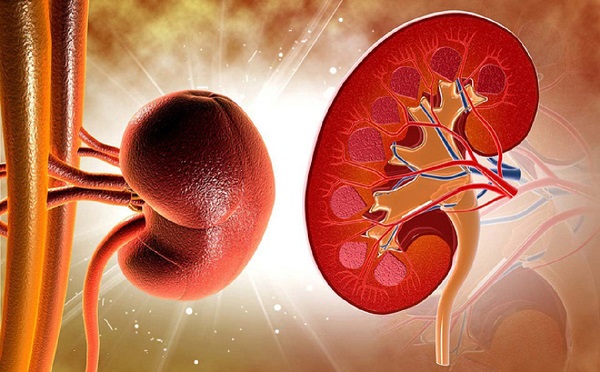
7. Muscle Cramps
Electrolyte imbalances are common in kidney dysfunction. Abnormal levels of calcium, phosphorus, or potassium may trigger involuntary muscle contractions.
Muscle cramps often:
-
Occur in the legs
-
Appear more frequently at night
-
Become more severe as kidney function declines
8. Difficulty Concentrating or Mental Confusion
Advanced kidney impairment can affect cognitive function. The accumulation of toxins in the blood may lead to:
-
Brain fog
-
Difficulty concentrating
-
Memory problems
-
Confusion or reduced alertness
In severe cases, untreated kidney failure can lead to altered mental status or even coma.
When to Seek Medical Attention
Kidney failure is a serious condition that requires medical evaluation. Risk factors include:
-
Diabetes
-
High blood pressure
-
Cardiovascular disease
-
Family history of kidney disorders
Diagnostic testing typically involves blood tests (such as serum creatinine and estimated glomerular filtration rate), urine analysis, and blood pressure monitoring.
Early detection is critical. Identifying kidney dysfunction in its early stages can slow progression and reduce the risk of life-threatening complications.
Final Note
Kidney failure often develops silently, but the body usually provides warning signals. Persistent fatigue, swelling, urinary changes, nausea, and cognitive difficulties should not be overlooked.
Prompt medical assessment can significantly improve outcomes. Awareness of these signs supports early intervention and better long-term health management.