9 Symptoms of Diabetes That Some People Might Ignore
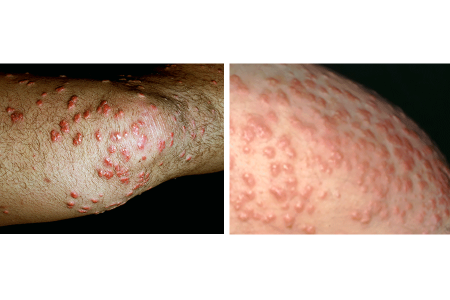


Diabetes does not always arrive with dramatic warning signs. In fact, many early symptoms are subtle and easy to dismiss. Both Type 1 and Type 2 diabetes can develop gradually, especially Type 2, which may remain undiagnosed for years.
Recognizing early symptoms can prevent serious complications such as nerve damage, kidney disease, vision loss, and cardiovascular problems.
Below are 9 warning signs of diabetes that people often overlook.
1. Frequent Urination (Especially at Night)
High blood sugar forces the kidneys to work harder to remove excess glucose from the bloodstream. This leads to increased urine production.
If someone finds themselves:
-
Waking multiple times at night to urinate
-
Urinating more often than usual
It may signal elevated blood glucose levels.
2. Excessive Thirst
Frequent urination leads to fluid loss. As a result, the body triggers thirst to compensate.
Persistent dry mouth and constant thirst — even after drinking fluids — may indicate hyperglycemia.
3. Unexplained Fatigue
When cells cannot properly use glucose for energy (due to insulin resistance or lack of insulin), the body feels drained.
This fatigue:
-
Persists despite adequate sleep
-
Feels unusually heavy
-
May interfere with daily activities
Chronic tiredness is one of the most commonly ignored early signs.
4. Blurred Vision
High blood sugar can cause fluid shifts in the eye lens, affecting focus.
Temporary blurry vision that comes and goes may occur before a formal diagnosis.
Persistent high glucose can eventually damage retinal blood vessels.
5. Slow-Healing Wounds
Cuts, blisters, or infections that take longer to heal may indicate impaired circulation and immune response.
Elevated glucose levels:
-
Reduce blood flow
-
Weaken immune defense
-
Delay tissue repair
Foot wounds are particularly concerning.


6. Tingling or Numbness in Hands and Feet
Persistently high blood sugar can damage peripheral nerves — a condition known as diabetic neuropathy.
Symptoms include:
-
Tingling
-
Burning sensation
-
Numbness
-
Reduced sensation
This often begins in the feet.
7. Increased Hunger
Even after eating, the body may not effectively transport glucose into cells.
As a result:
-
The brain signals continued hunger
-
Cravings may increase
This symptom often appears alongside fatigue.
8. Unexplained Weight Loss
More common in Type 1 diabetes but possible in advanced Type 2.
When glucose cannot enter cells, the body begins breaking down fat and muscle for energy.
Sudden weight loss without dietary changes should always be evaluated.
9. Recurrent Skin Infections or Yeast Infections
High glucose levels create an environment that promotes bacterial and fungal growth.
Common signs include:
-
Frequent fungal infections
-
Persistent skin rashes
-
Itchy areas
-
Red or inflamed patches
Women may notice recurrent vaginal yeast infections.
Why These Symptoms Are Often Ignored
Many early diabetes symptoms overlap with:
-
Stress
-
Aging
-
Dehydration
-
Minor infections
-
Busy lifestyle fatigue
Because symptoms develop gradually, individuals may normalize them.
When to Get Tested
You should consider a blood glucose test if you experience:
-
Multiple symptoms simultaneously
-
Persistent fatigue
-
Unexplained weight changes
-
Family history of diabetes
Diagnostic tests may include:
-
Fasting blood glucose
-
HbA1c test
-
Oral glucose tolerance test
Early detection allows for lifestyle adjustments and treatment that significantly reduce long-term complications.
Who Is at Higher Risk?
Risk factors include:
-
Overweight or obesity
-
Sedentary lifestyle
-
Family history
-
High blood pressure
-
History of gestational diabetes
-
Polycystic ovary syndrome
Prevention strategies focus on:
-
Balanced diet
-
Regular physical activity
-
Weight management
-
Routine medical screening
The Bottom Line
Diabetes often develops quietly.
Frequent urination, excessive thirst, fatigue, blurred vision, slow healing, tingling, hunger changes, unexplained weight loss, and recurrent infections are all early warning signs that deserve attention.
If symptoms persist, seek medical evaluation. Early diagnosis significantly reduces the risk of severe complications.
Awareness is not alarm — it is protection.