10 Early Signs of Dementia You Should Never Ignore


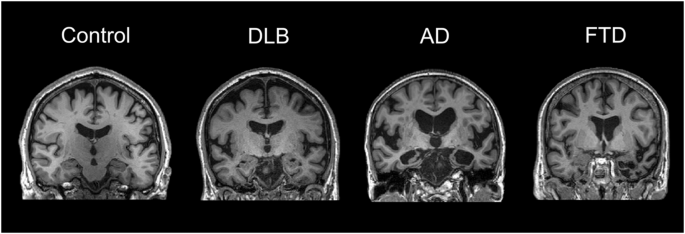
Dementia is not a single disease. It is a general term describing a decline in cognitive function severe enough to interfere with daily life. Alzheimer’s disease is the most common cause, but there are other types, including vascular dementia and Lewy body dementia.
Early recognition is critical. Many people dismiss initial symptoms as “normal aging,” but dementia-related changes are different in intensity, frequency, and impact.
Below are 10 early warning signs that deserve attention.
1. Memory Loss That Disrupts Daily Life
Occasionally forgetting names or appointments is normal.
Warning signs include:
-
Repeatedly asking the same questions
-
Forgetting recently learned information
-
Relying heavily on reminders for basic tasks
-
Missing important dates frequently
Persistent short-term memory problems are often the earliest indicator.
2. Difficulty Planning or Solving Problems
A person may struggle with:
-
Managing finances
-
Following recipes
-
Keeping track of bills
-
Concentrating on familiar tasks
Reduced executive function affects organization and reasoning skills.
3. Confusion with Time or Place
Individuals may:
-
Lose track of dates or seasons
-
Forget where they are
-
Not understand how they arrived somewhere
Momentary confusion can happen to anyone, but repeated disorientation is concerning.
4. Trouble Completing Familiar Tasks
Tasks once done effortlessly become challenging:
-
Driving a familiar route
-
Operating household appliances
-
Remembering game rules
This reflects changes in procedural memory and cognitive processing.
5. Problems with Words in Speaking or Writing
Early dementia may cause:
-
Pausing mid-sentence
-
Difficulty finding the right word
-
Repeating phrases
-
Calling objects by incorrect names
Language impairment often progresses gradually.


6. Misplacing Things and Losing the Ability to Retrace Steps
Occasionally misplacing keys is common.
Warning signs include:
-
Placing items in unusual locations (e.g., remote in refrigerator)
-
Accusing others of theft
-
Inability to retrace steps
This pattern indicates cognitive disorganization.
7. Decreased or Poor Judgment
Changes may include:
-
Giving away large sums of money
-
Falling for scams
-
Neglecting personal hygiene
-
Wearing inappropriate clothing for weather
Judgment impairment can create safety risks.
8. Withdrawal from Work or Social Activities
People in early stages may:
-
Avoid conversations
-
Stop hobbies
-
Withdraw from social gatherings
Often, this occurs because they recognize their cognitive difficulties and feel embarrassed.
9. Mood and Personality Changes
Dementia can affect emotional regulation.
Possible changes include:
-
Increased irritability
-
Depression
-
Anxiety
-
Suspicion
-
Unusual fearfulness
A once easygoing person may become withdrawn or agitated.
10. Difficulty Understanding Visual Images and Spatial Relationships
Some individuals experience:
-
Trouble judging distance
-
Problems reading
-
Difficulty recognizing faces
-
Increased risk of falls
These changes may relate to damage in visual processing areas of the brain.
What Makes Dementia Different from Normal Aging?
Normal aging:
-
Occasionally forgets names but remembers later
-
Sometimes misplaces items
-
May need reminders
Early dementia:
-
Repeated forgetfulness
-
Increasing frequency
-
Interference with independence
The key difference is functional impact.
When to Seek Medical Evaluation
Consult a healthcare professional if symptoms:
-
Persist or worsen
-
Interfere with daily life
-
Are noticed by family members
Assessment may include:
-
Cognitive screening tests
-
Brain imaging (MRI or CT scan)
-
Blood tests to rule out other causes
Some conditions, such as vitamin deficiencies or thyroid disorders, can mimic dementia and are treatable.
Why Early Detection Matters
While some forms of dementia are progressive and currently incurable, early diagnosis allows:
-
Access to treatment that may slow progression
-
Planning for future care
-
Lifestyle adjustments
-
Support for caregivers
Early intervention improves quality of life.
Risk Factors
Common risk factors include:
-
Advanced age
-
Family history
-
Cardiovascular disease
-
Diabetes
-
Smoking
-
Physical inactivity
Protective factors may include:
-
Regular exercise
-
Cognitive stimulation
-
Healthy diet
-
Social engagement
Important Reminder
This article is informational and not a diagnostic tool. Experiencing one symptom does not confirm dementia. However, ignoring patterns of change can delay necessary care.
If you notice multiple warning signs in yourself or a loved one, seek professional evaluation promptly.
Final Thoughts
Dementia often begins subtly. Small cognitive shifts accumulate over time. Awareness is the first step toward protection.
Recognizing early warning signs empowers families to act sooner, access support, and make informed decisions.
If you would like, I can also create:
-
A medically referenced 2000-word educational article
-
A caregiver-focused guide
-
A YouTube awareness script
-
Or a social media educational post version
Let me know your platform and target audience.