Ancient Battlefield Food Shows Promise Against Modern Superbugs: The Power of Garlic
For thousands of years, soldiers heading into battle carried a simple but powerful food: garlic. Ancient armies from Egypt, Greece, and Rome relied on this pungent bulb not only for flavor but also for strength, endurance, and protection against disease. Today, modern science is confirming what those early warriors believed — garlic may be one of the most potent natural defenders against dangerous infections, including antibiotic-resistant “superbugs.”
A battlefield staple with medicinal power
Garlic has been used as both food and medicine for centuries. Historical records show that ancient civilizations supplied garlic to soldiers to boost stamina, prevent illness, and help treat wounds during long campaigns. Its reputation as a natural protector followed armies into battlefields across continents.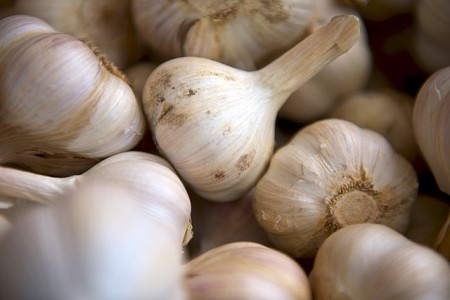
Modern research now suggests there was real science behind this tradition. Garlic contains powerful bioactive compounds that provide antimicrobial, anti-inflammatory, and immune-boosting effects. The most important of these compounds is allicin, a sulfur-containing substance released when garlic is crushed or chopped. This compound is responsible for garlic’s distinctive smell and many of its health benefits.
Natural weapon against superbugs
One of garlic’s most remarkable abilities is its potential to fight antibiotic-resistant bacteria — often called “superbugs.” These microbes have evolved resistance to many modern antibiotics, making infections increasingly difficult to treat worldwide.
Studies have found that compounds in garlic can effectively kill or inhibit the growth of these resistant bacteria. Research shows that allicin can destroy strains of MRSA (methicillin-resistant Staphylococcus aureus), a dangerous hospital-acquired infection that has become resistant to multiple antibiotics. Some findings suggest garlic compounds may even work against newer strains resistant to last-line medications.
Laboratory tests have also demonstrated garlic’s ability to inhibit a wide range of harmful bacteria, including E. coli, Salmonella, and other pathogens. In some experiments, garlic extracts suppressed bacterial growth and disrupted protective biofilms that allow microbes to survive antibiotic treatment.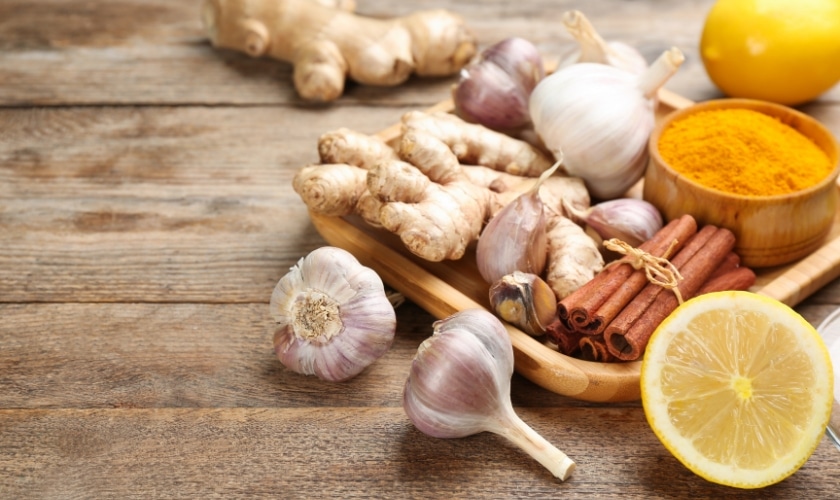
Scientists believe garlic’s strength lies in its multi-targeted attack. Unlike conventional antibiotics that often focus on a single mechanism, garlic compounds can disrupt bacterial enzymes, damage cell walls, and interfere with microbial communication. This makes it harder for bacteria to develop resistance.
Boosting immunity and overall health
Garlic does more than fight bacteria. Researchers have long studied its broader impact on health, particularly its ability to support the immune system. The bulb contains antioxidants and anti-inflammatory compounds that help the body combat infections and reduce cellular damage.
Regular consumption of garlic has been linked to a range of potential benefits, including lower cholesterol levels, improved heart health, and better blood pressure control. It may also help reduce inflammation and support liver and metabolic health.
Some studies suggest garlic can even enhance the effectiveness of certain antibiotics when used together, offering a possible complementary approach to modern treatments. Its broad antimicrobial properties mean it can act against bacteria, viruses, fungi, and parasites.
Fresh garlic offers the strongest effects
While garlic supplements are widely available, many experts say fresh garlic delivers the most potent benefits. Crushing or chopping garlic activates enzymes that produce allicin and other bioactive compounds. However, heat can reduce some of these effects, so raw or lightly cooked garlic tends to retain more of its medicinal properties.
Researchers also note that preparation matters. Allowing crushed garlic to sit briefly before cooking can help maximize the formation of beneficial compounds. Still, even cooked garlic retains significant antioxidant and health-promoting qualities.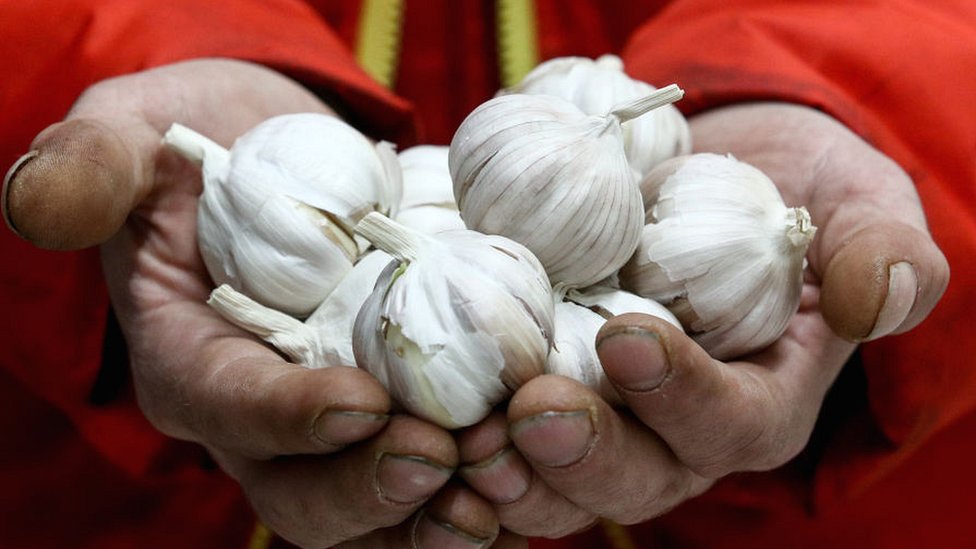
Ancient wisdom meets modern science
The growing threat of antibiotic resistance has led scientists to search for new solutions, and many are turning to nature for answers. Garlic — a humble ingredient found in kitchens around the world — is emerging as a promising ally in this fight.
While garlic is not a replacement for prescribed antibiotics, its long history as a medicinal food and its scientifically supported antimicrobial properties make it a valuable addition to a healthy diet. As researchers continue exploring its potential, this ancient battlefield staple may help modern medicine confront one of its greatest challenges: the rise of superbugs.
From ancient warriors to modern laboratories, garlic’s reputation as a powerful natural protector continues to endure.