The ‘White Poi.son’ That Quietly Dam.ages Your Kid.neys — And It’s Not Salt
For years, salt has been blamed as the number one dietary threat to kidney health. While excessive sodium can indeed harm the kidneys, health experts are now warning about another “white” ingredient that may be even more damaging when consumed regularly: refined sugar.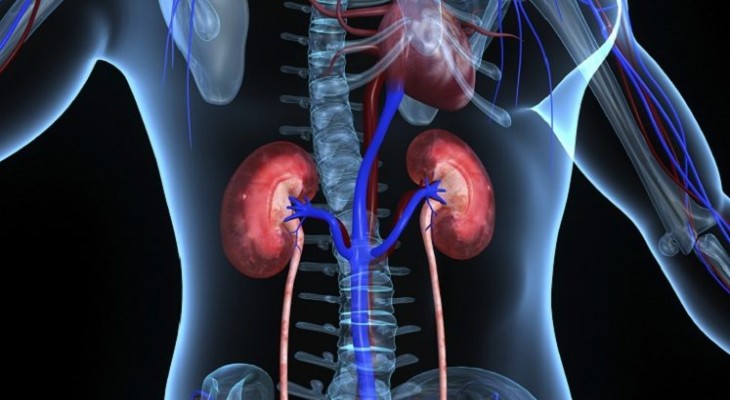
Often hidden in everyday foods and drinks, excessive sugar intake has emerged as a major contributor to kidney damage worldwide. Many people still underestimate its effects, assuming that only salt or high-protein diets pose a threat. However, mounting evidence suggests that sugar plays a significant and often overlooked role in long-term kidney decline.
How sugar harms the kidneys
The kidneys serve as the body’s natural filtration system, removing waste and balancing fluids. When sugar consumption becomes excessive, it can disrupt this delicate system in several ways.
First, high sugar intake can raise blood glucose levels, which damages the tiny blood vessels inside the kidneys. Over time, this damage reduces the kidneys’ ability to filter waste effectively and may lead to chronic kidney disease. Prolonged high blood sugar is also a primary cause of diabetes, one of the leading drivers of kidney failure worldwide.
Medical research shows that high glucose levels harm kidney blood vessels and filtering units, forcing them to work harder. Eventually, this strain can lead to protein leakage into the urine and progressive loss of kidney function.
Even individuals without diagnosed diabetes may face increased risk if they regularly consume sugary foods and drinks. Frequent spikes in blood sugar contribute to insulin resistance, inflammation, and obesity — all of which increase the likelihood of kidney dysfunction over time.
The hidden sources of “white poison”
One of the biggest challenges is that sugar is often hidden in foods people do not consider unhealthy. Sweetened beverages such as sodas, energy drinks, and bottled juices are among the worst offenders. These drinks can contain high levels of sugar and phosphorus, a mineral that weak kidneys struggle to process.
Regular consumption of sugary drinks has been linked to obesity, diabetes, and elevated blood pressure — all major risk factors for kidney disease.
Refined carbohydrates also contribute significantly to sugar overload. Foods like white bread, pastries, cakes, and other processed snacks cause rapid spikes in blood sugar after consumption. Because refined grains lack fiber, they are digested quickly, leading to unstable glucose levels that strain kidney function over time.
Many packaged foods, including sauces, cereals, and ready-to-eat meals, also contain added sugars. Consuming these products regularly can silently increase daily sugar intake far beyond recommended levels.
Why sugar can be more dangerous than salt
While salt directly affects blood pressure and fluid balance, sugar has a broader and more indirect impact on kidney health. Excessive sugar contributes to obesity, hypertension, and metabolic disorders, all of which accelerate kidney damage.
High sugar intake can also trigger chronic inflammation and oxidative stress in the body. These processes gradually damage organs, including the kidneys, even before noticeable symptoms appear.
Unlike salt, which many people consciously try to reduce, sugar often goes unnoticed. Its presence in processed foods and beverages makes it easy to consume large amounts without realizing it.
Protecting your kidneys through smarter choices
Protecting kidney health does not require eliminating sugar completely, but moderation is essential. Experts recommend limiting added sugars and focusing on whole, unprocessed foods whenever possible.
Replacing sugary drinks with water or unsweetened beverages is one of the most effective steps. Choosing whole fruits instead of fruit juices can also help reduce sugar intake while providing beneficial fiber and nutrients.
Switching from refined carbohydrates to whole grains, vegetables, and balanced meals can stabilize blood sugar levels and reduce strain on the kidneys. Maintaining a healthy weight, staying physically active, and monitoring blood pressure and blood sugar are also crucial preventive measures.
Regular health checkups can detect early signs of kidney stress before serious damage occurs. Early intervention makes it possible to adjust diet and lifestyle habits to prevent further decline.
A silent threat worth noticing
Kidney disease often develops quietly, with few symptoms until it reaches advanced stages. This makes prevention especially important. While salt remains a known risk factor, refined sugar may be the hidden “white poison” silently damaging kidneys in modern diets.
By becoming more aware of sugar consumption and making mindful dietary choices, individuals can significantly reduce their risk of kidney problems and protect long-term health.