
What Is Paresthesia? Understanding the Tingling Sensation in Your Body
A sudden tingling in your hands or feet can feel strange, even alarming. Many people describe it as a “pins and needles” sensation or a mild burning feeling under the skin. Medically, this sensation is known as paresthesia — a common experience that most people encounter at some point in their lives. While often harmless, it can sometimes signal underlying health concerns that shouldn’t be ignored.
A Common but Mysterious Sensation
Paresthesia refers to unusual skin sensations such as tingling, numbness, itching, burning, or a crawling feeling that occur without an obvious external cause. These sensations usually appear in the hands, arms, legs, or feet, though they can occur anywhere on the body.
In many cases, paresthesia is temporary and harmless. For example, sitting or sleeping in an awkward position can put pressure on nerves or blood vessels, causing a limb to “fall asleep.” Once the pressure is relieved and normal blood flow returns, the tingling sensation usually disappears within minutes.
However, when tingling sensations persist or occur frequently, they may be a warning sign of a more serious underlying issue.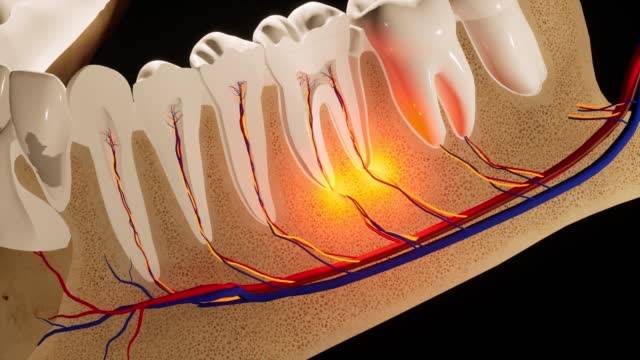
Temporary vs. Chronic Paresthesia
There are two main types of paresthesia: transient and persistent.
Transient paresthesia is the most common form. It typically occurs when pressure on a nerve interrupts normal sensation. Everyday situations such as crossing your legs for too long, leaning on your elbow, dehydration, or even anxiety can trigger temporary tingling. Once the pressure is relieved or the body returns to normal, the sensation fades.
Persistent or chronic paresthesia, on the other hand, lasts longer or happens repeatedly. This type may indicate nerve damage, circulation problems, or neurological disorders. Conditions such as carpal tunnel syndrome, herniated discs, or diabetic neuropathy are often linked to ongoing tingling sensations.
What Causes Paresthesia?
Paresthesia can have many possible causes, ranging from harmless to serious. One of the most common causes is nerve compression. When a nerve is pressed or trapped — for example, in carpal tunnel syndrome or a pinched nerve in the spine — it can send abnormal signals that produce tingling or numbness.
Vitamin deficiencies are another major factor. A lack of essential nutrients, especially B vitamins such as B1, B6, or B12, can interfere with proper nerve function and lead to unusual sensations.
Chronic conditions can also play a role. Diabetes, thyroid disorders, and electrolyte imbalances may damage nerves or affect blood flow, resulting in recurring tingling. Neurological conditions such as multiple sclerosis, stroke, or spinal cord inflammation may also trigger persistent paresthesia.
Infections, toxins, or medications can contribute as well. Certain infections that affect the nervous system, exposure to heavy metals, alcohol misuse, and some chemotherapy drugs may disrupt nerve signals and lead to abnormal sensations.
When Should You Be Concerned?
Occasional tingling that disappears quickly is usually nothing to worry about. Most people experience temporary paresthesia from time to time without any long-term effects.
However, persistent or unexplained tingling may require medical attention. If the sensation lasts for a long time, occurs frequently, or is accompanied by other symptoms such as weakness, pain, dizziness, or loss of coordination, it could indicate nerve damage or another underlying condition.
Doctors typically diagnose paresthesia by reviewing medical history, performing physical examinations, and ordering tests if necessary. Blood tests, imaging scans, or nerve studies may help determine the cause and guide treatment.
Treatment and Prevention
Treatment for paresthesia depends on its cause. Temporary tingling often resolves on its own without any treatment. Simply changing position, stretching, or improving circulation can restore normal sensation.
For persistent cases, addressing the underlying condition is key. Vitamin supplements may help if a deficiency is responsible, while managing chronic diseases like diabetes can reduce nerve damage and related symptoms. Physical therapy, medications, or lifestyle changes may also be recommended to improve nerve function and prevent recurrence.
Listening to Your Body
Tingling sensations can be puzzling, but they often serve as signals from your body. While most episodes are harmless and temporary, recurring or long-lasting paresthesia should never be ignored. Understanding what causes these sensations and when to seek medical advice can help protect your nerve health and overall well-being.
Pay attention to what your body is telling you. Sometimes, a simple tingling feeling is just that — but other times, it may be a sign worth investigating.