8 Early Warning Signs of Ovarian Cancer You Shouldn’t Ignore
Ovarian cancer is often called a “silent disease,” but that label can be misleading. In reality, symptoms do occur — they are just subtle, persistent, and frequently mistaken for common digestive or hormonal issues.
Early detection significantly improves survival rates. The challenge is recognizing patterns that are new, unusual, and persistent for more than a few weeks.
Below are eight medically recognized early warning signs that deserve attention.
1. Persistent Abdominal Bloating

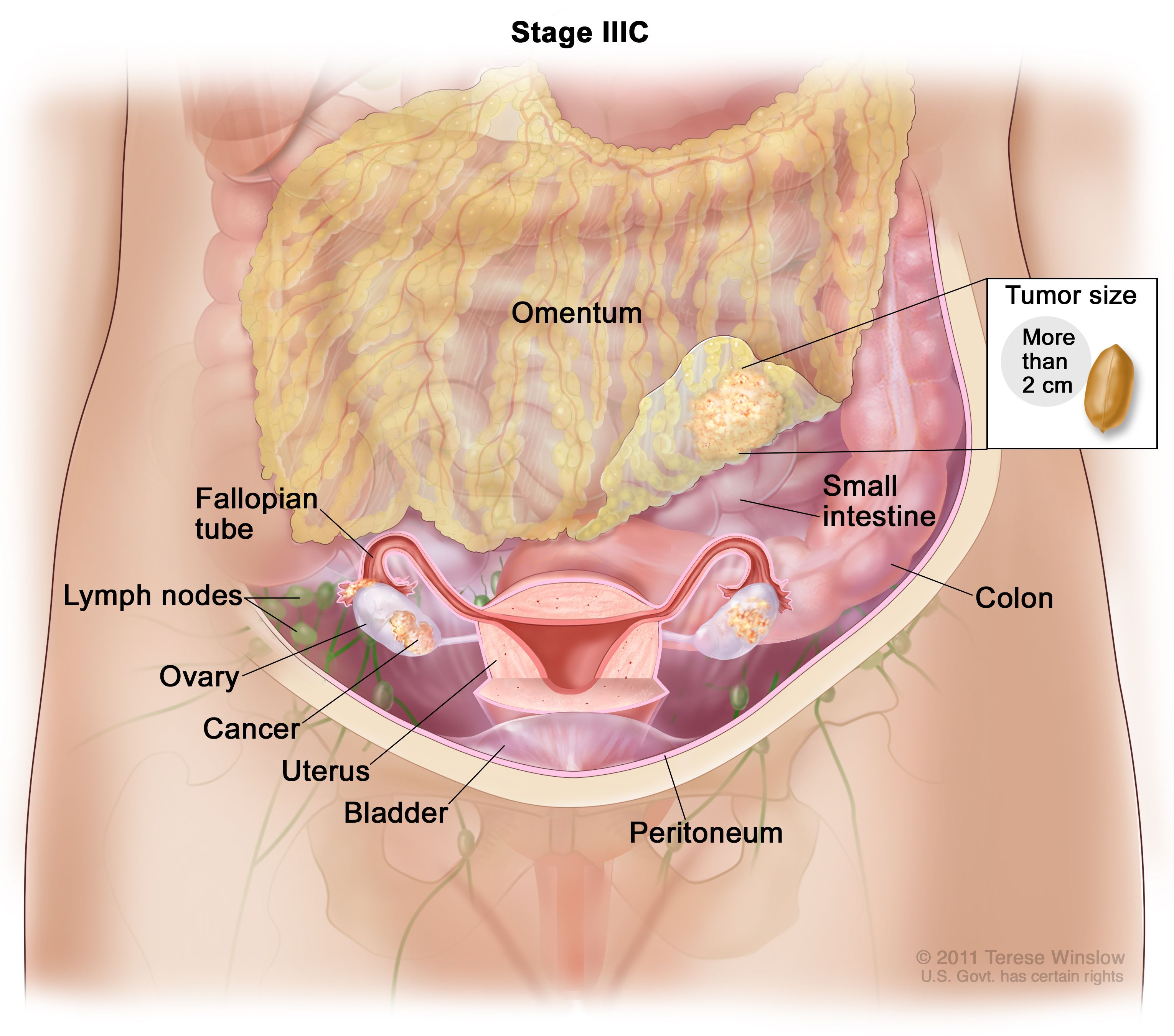

Occasional bloating after meals is common. However, ovarian cancer–related bloating is:
-
Persistent
-
Progressive
-
Not relieved by diet changes
It may feel like constant abdominal fullness or visible swelling. Unlike digestive bloating, it does not fluctuate significantly with food intake.
2. Pelvic or Lower Abdominal Pain



Chronic pelvic discomfort or pressure is an important symptom.
Warning characteristics:
-
Dull, aching pain
-
Pressure sensation
-
Pain unrelated to menstrual cycle
If discomfort persists daily for weeks, medical evaluation is warranted.
3. Feeling Full Quickly or Loss of Appetite



A sudden inability to finish meals or feeling full after eating small amounts is called early satiety.
This may occur due to:
-
Fluid accumulation (ascites)
-
Tumor pressure on abdominal organs
Unexplained appetite changes should not be ignored.
4. Frequent or Urgent Urination

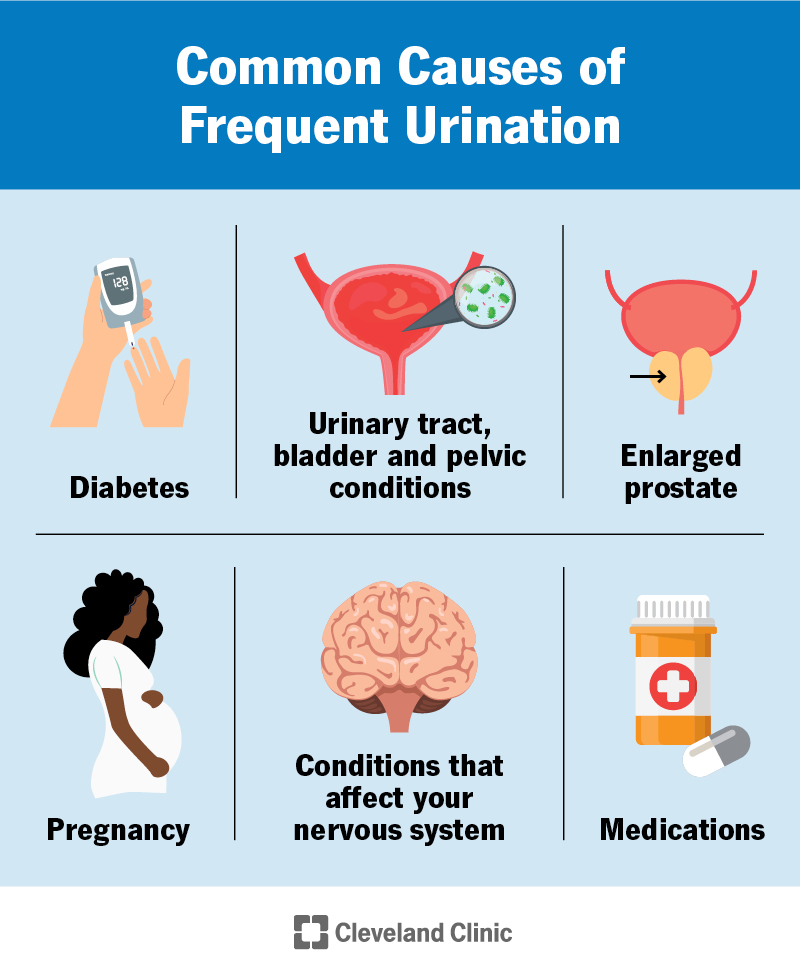

As a tumor enlarges, it may press against the bladder.
Symptoms include:
-
Needing to urinate more often
-
Sudden urgency
-
No urinary infection detected
If urinary symptoms occur without infection, further evaluation is needed.
5. Unexplained Back Pain
Lower back pain that does not improve with rest or physical therapy can sometimes be associated with ovarian pathology.
The pain may:
-
Be persistent
-
Radiate into the pelvis
-
Occur without injury
Chronic unexplained pain deserves investigation.
6. Changes in Bowel Habits


Constipation, diarrhea, or altered bowel patterns may occur when abdominal pressure increases.
Persistent digestive disruption, especially when combined with bloating or pelvic pain, should not be dismissed as “just IBS” without proper assessment.
7. Fatigue
Cancer-related fatigue is different from typical tiredness.
It is:
-
Persistent
-
Not relieved by rest
-
Disproportionate to activity level
Ongoing fatigue alongside other symptoms warrants evaluation.
8. Irregular or Postmenopausal Bleeding

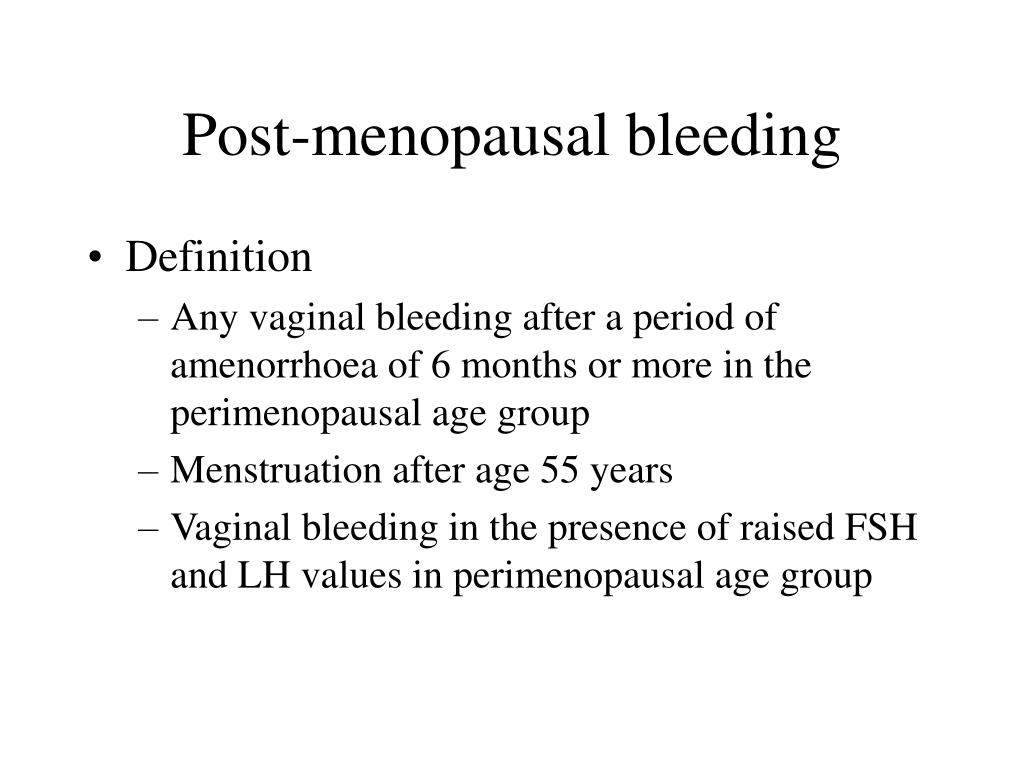

Abnormal vaginal bleeding is never normal after menopause.
In premenopausal women, warning signs include:
-
Heavier-than-usual periods
-
Bleeding between cycles
-
Sudden cycle changes
Any unexplained bleeding should prompt medical consultation.
Who Is at Higher Risk?
Certain factors increase risk:
-
Family history of ovarian or breast cancer
-
BRCA1 or BRCA2 gene mutations
-
Age over 50
-
Never having been pregnant
-
Endometriosis
However, ovarian cancer can occur in women without clear risk factors.
When to Seek Medical Attention
Consult a healthcare provider if symptoms:
-
Occur almost daily
-
Persist longer than two weeks
-
Represent a clear change from normal patterns
Evaluation may include:
-
Pelvic examination
-
Transvaginal ultrasound
-
Blood tests (such as CA-125)
-
Advanced imaging if needed
Early detection dramatically improves treatment outcomes.
Important Perspective
Many of these symptoms are caused by benign conditions such as hormonal fluctuations, digestive disorders, or urinary tract infections.
However, the key difference is persistence and progression.
The body often gives early warning signals. Recognizing them — and acting promptly — can be lifesaving.
Awareness does not create fear. It creates opportunity for early intervention.