Sweet potatoes are widely praised as one of the healthiest carbohydrate sources available. They are rich in fiber, antioxidants, beta-carotene, potassium, and complex carbohydrates. Yet despite their reputation, many people unknowingly reduce their nutritional value — or even counteract some of their benefits — through common preparation and eating habits.
The issue is not the sweet potato itself. It is how it is cooked, paired, portioned, and understood.
Below are 13 important facts that may change how you eat sweet potatoes.
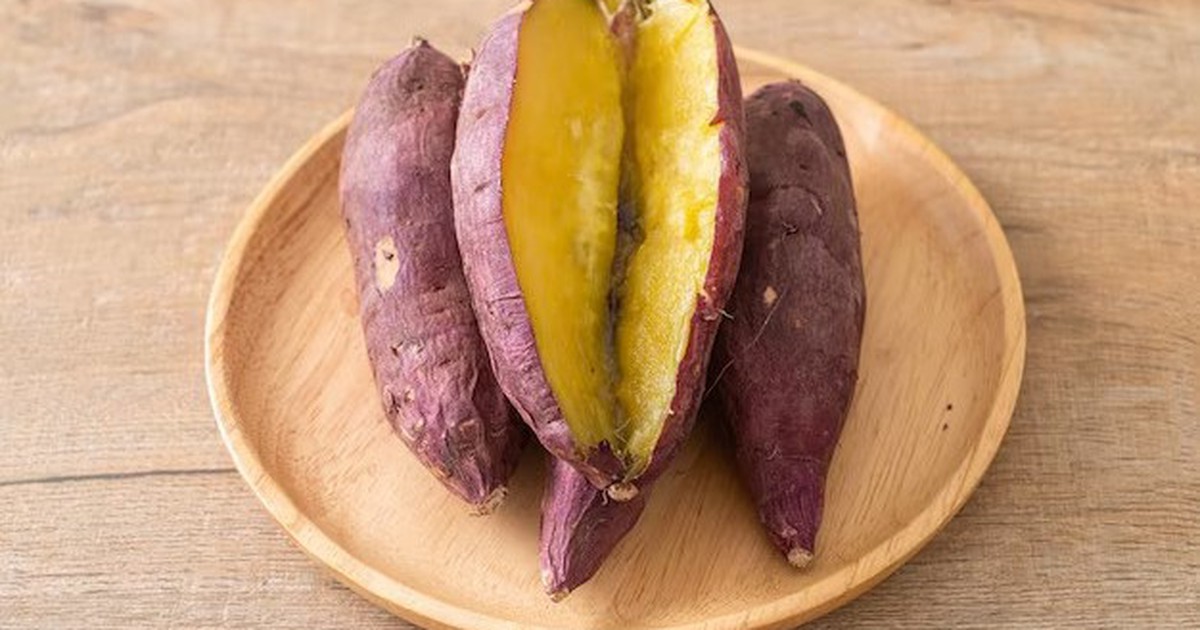
1. Frying Them Destroys Much of Their Benefit
Sweet potato fries may taste good, but deep frying introduces excessive oil, increases calorie density, and may generate harmful compounds when cooked at high temperatures.
Frying:
-
Reduces antioxidant retention
-
Increases unhealthy fat intake
-
Raises glycemic impact
Boiling, steaming, or baking at moderate temperatures preserves more nutrients.
2. The Skin Contains Valuable Nutrients
Many people peel sweet potatoes before cooking. However, the skin contains fiber and additional antioxidants.
When properly washed and cooked:
-
The skin supports digestion
-
It increases satiety
-
It reduces blood sugar spikes
Unless the skin is damaged or heavily treated with pesticides, keeping it on is beneficial.
3. Cooking Method Affects Blood Sugar Response
Not all cooking methods affect the body equally.
Boiling tends to produce a lower glycemic index compared to baking or roasting. This is because boiling preserves resistant starch, which slows glucose absorption.
For individuals monitoring blood sugar, preparation method matters.
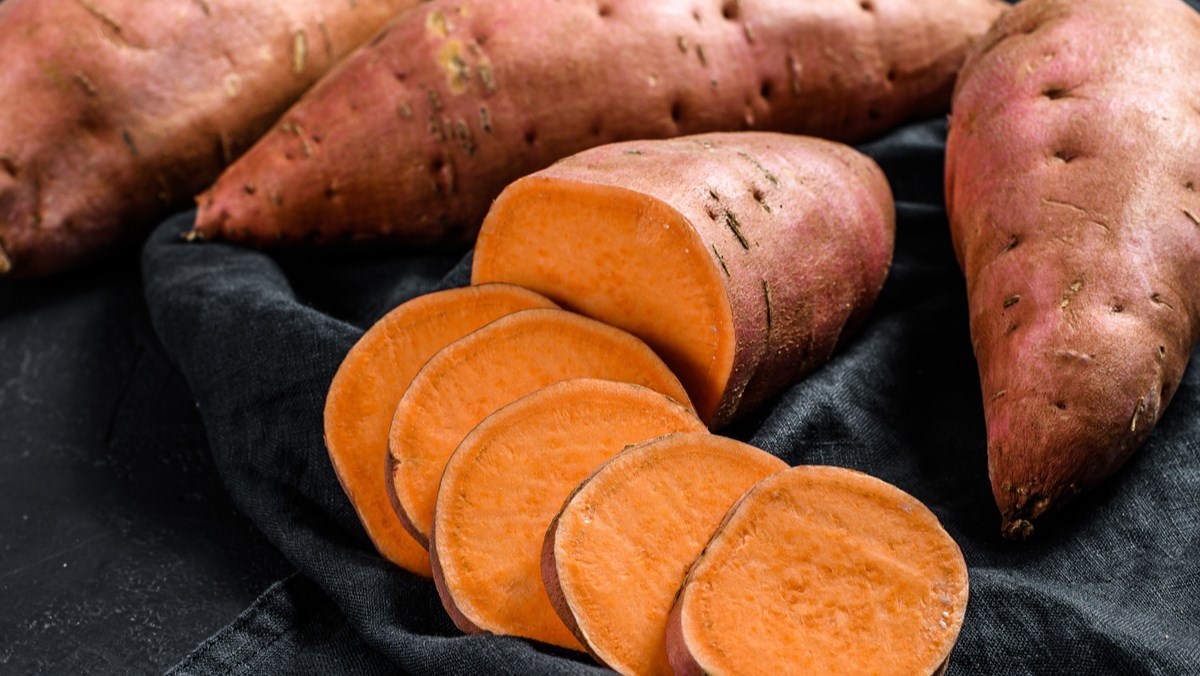
4. Portion Size Still Matters
Sweet potatoes are nutritious, but they are still carbohydrate-rich.
Large daily portions may:
-
Increase total caloric intake
-
Elevate blood sugar in sensitive individuals
-
Contribute to weight gain if not balanced
Moderation is key.
5. They Should Not Replace Protein
Some people eat sweet potatoes alone as a meal. While filling, they lack adequate protein and healthy fats.
A balanced meal should include:
-
Lean protein
-
Healthy fats
-
Vegetables
-
Fiber
Sweet potatoes are best used as a carbohydrate component — not the entire plate.
6. Beta-Carotene Absorption Requires Fat
Sweet potatoes are rich in beta-carotene, which converts to vitamin A in the body.
However, vitamin A is fat-soluble. Without dietary fat, absorption is reduced.
Pair sweet potatoes with:
-
Olive oil
-
Nuts
-
Seeds
-
Yogurt
-
Avocado
This enhances nutrient utilization.

7. Cooling Increases Resistant Starch
When sweet potatoes are cooked and then cooled, resistant starch levels increase. Resistant starch behaves like fiber and supports gut health.
Cooling:
-
Improves blood sugar control
-
Feeds beneficial gut bacteria
-
Enhances digestive benefits
Reheating does not fully eliminate this effect.
8. They Are Not Just “Sugar”
Despite their sweetness, sweet potatoes are complex carbohydrates. Their fiber slows digestion, making them different from refined sugars.
However, excessive consumption can still raise total sugar load.
Understanding the difference between natural and refined carbohydrates is important.
9. Purple Sweet Potatoes Offer Unique Antioxidants
Orange sweet potatoes are high in beta-carotene, but purple varieties contain anthocyanins — powerful antioxidants linked to anti-inflammatory and cardiovascular benefits.
Including different varieties diversifies nutrient intake.
10. Overcooking Reduces Nutrient Density
Excessive heat or prolonged baking may degrade sensitive nutrients such as vitamin C.
Gentle cooking methods preserve more vitamins and minerals.
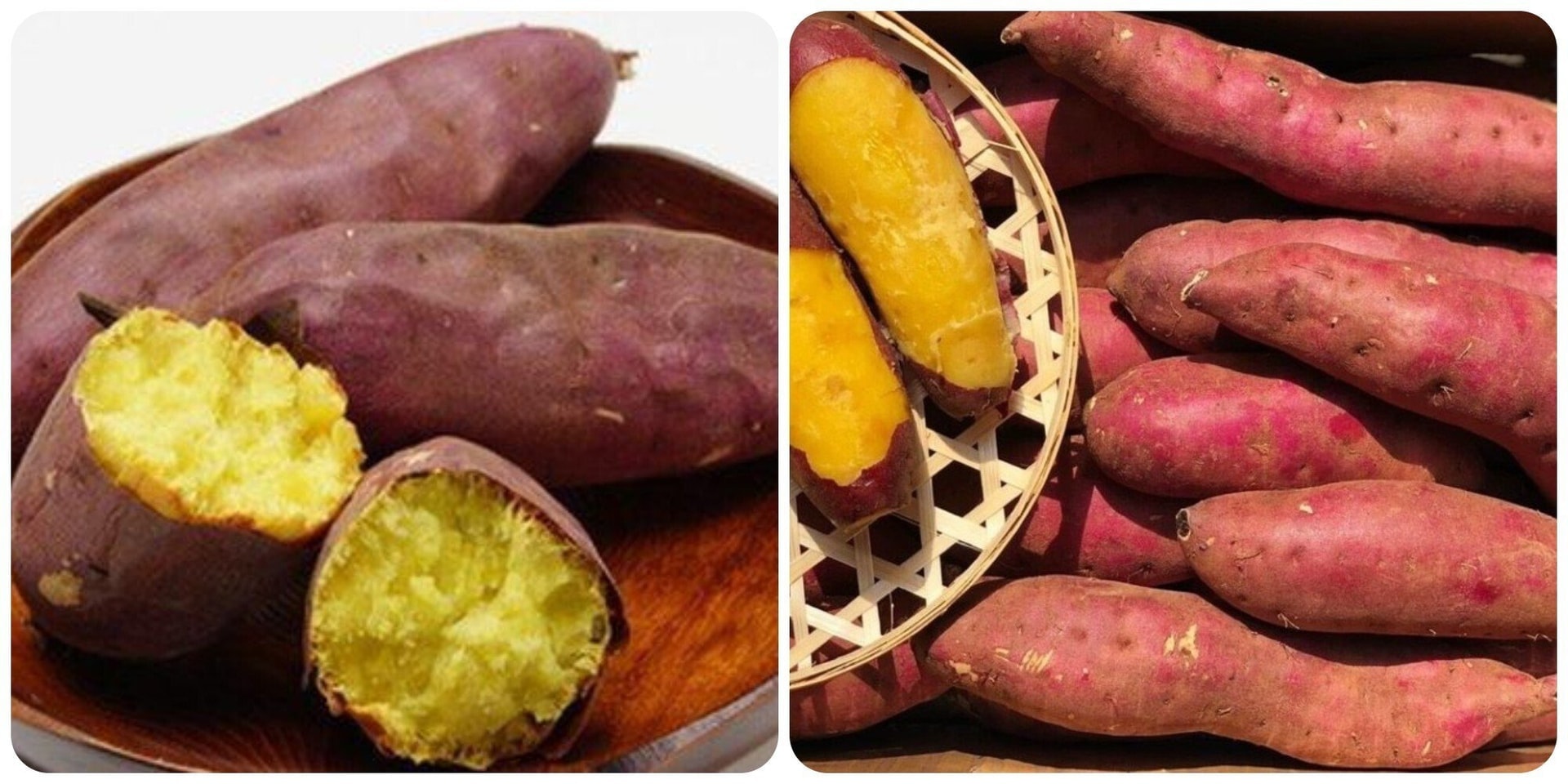
11. Sweet Potatoes Support Gut Health
Their fiber and resistant starch nourish beneficial gut bacteria.
Healthy gut flora:
-
Strengthens immunity
-
Reduces inflammation
-
Improves metabolic balance
However, balance with other fiber sources remains important.
12. Eating Them Daily Without Variety May Limit Nutrition
Even healthy foods should not dominate the diet.
Over-reliance may:
-
Limit exposure to other nutrients
-
Reduce dietary diversity
-
Create imbalance in macronutrients
Variety strengthens long-term health.
13. Timing Can Influence Energy Levels
Eating sweet potatoes in the morning provides steady energy due to complex carbohydrates.
Consuming large portions late at night may not suit individuals sensitive to carbohydrate intake.
Context and timing matter.
The Bigger Picture
Sweet potatoes are nutrient-dense and beneficial when consumed appropriately. The misconception is not that they are unhealthy — it is that any food, eaten in excess or prepared poorly, can reduce its intended benefit.
Healthy eating is not about labeling foods as “good” or “bad.” It is about preparation, balance, and consistency.
Final Thoughts
Most people are not eating sweet potatoes incorrectly in a dramatic sense. They are simply unaware of how cooking method, portion size, and pairing affect nutritional outcomes.
By:
-
Avoiding deep frying
-
Keeping the skin
-
Pairing with healthy fats and protein
-
Practicing portion control
-
Rotating varieties
You can maximize the benefits of this versatile root vegetable.
Sweet potatoes are powerful — when eaten wisely.
