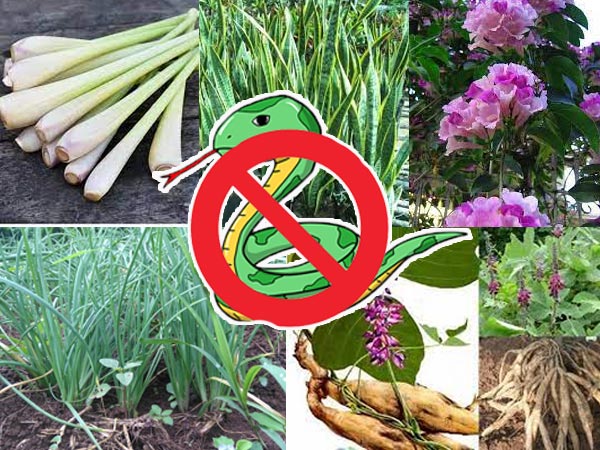
Snakes are among the animals people fear most, particularly when they appear near homes, gardens, patios, or even inside storage areas. While most snake species prefer to avoid human contact, they are highly responsive to environmental conditions. If a space offers shelter, moisture, and food, it may become attractive to them - even unintentionally.
One factor that many homeowners overlook is landscaping. Certain plants commonly grown for decoration, fragrance, shade, or food can create micro-environments that are favorable to snakes. These plants are not dangerous by themselves. However, in regions where snakes are common, their presence — combined with poor yard maintenance — may increase the likelihood of snakes lingering nearby.
The issue is rarely the plant alone. It is usually the habitat created around it.
Below are eight types of plants that may indirectly attract snakes, along with guidance on how to manage your garden responsibly.

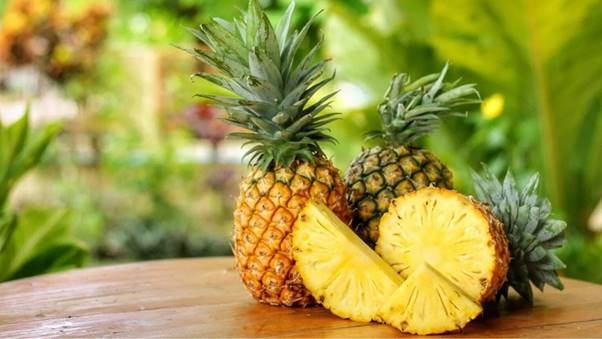
1. Pineapple Sage
Pineapple sage is admired for its bright green foliage, red flowers, and sweet aroma. It is frequently planted to attract pollinators such as bees and butterflies.
However, fragrant flowering plants can increase insect activity. Insects attract small reptiles and rodents, which in turn may attract snakes seeking prey. Additionally, pineapple sage can grow densely, creating shaded spaces near the ground — ideal for snakes that prefer cool resting spots during hot weather.
If planted, it should be:
-
Regularly trimmed
-
Kept away from house foundations
-
Placed in open, visible areas rather than dark corners
2. Rosemary
Rosemary thrives in warm climates — conditions that also appeal to many snake species. Its woody stems and thick growth can form low, sheltered pockets close to the soil surface.
Snakes are not attracted to rosemary specifically for its scent, but rather for:
-
The shade it provides
-
The cover it creates
-
The insects and small animals it may harbor
Routine pruning and spacing plants apart can reduce concealed areas.
3. Mint
Mint is often grown as a natural insect deterrent. However, its rapid spreading habit can create dense ground cover.
Dense vegetation:
-
Traps moisture
-
Reduces visibility
-
Provides hiding spots
Mint may indirectly attract snakes by encouraging insect populations and small prey animals. Growing mint in containers instead of directly in the soil helps limit uncontrolled spread.
4. Jackfruit Tree
Jackfruit trees produce large fruits that attract birds, bats, and rodents. Where prey animals gather, predators may follow.
Snakes are not interested in the fruit itself. They are attracted to:
-
Rodents feeding on fallen fruit
-
Shaded, undisturbed ground beneath the tree
-
Accumulated organic debris
Regularly removing fallen fruit and clearing vegetation around the base can significantly reduce risk.

5. Coconut Tree
In tropical regions, coconut trees are common for shade and aesthetics. However, their fibrous trunks and fallen fronds create cool, damp spaces.
The base of coconut trees often remains moist — conditions snakes favor for thermoregulation.
Preventive steps include:
-
Clearing fallen fronds
-
Avoiding leaf pile buildup
-
Ensuring good drainage
6. Wormwood
Wormwood is valued for traditional medicinal uses and insect-repelling properties. Despite its benefits, its bushy structure can form protective ground-level shelter.
If planted near living spaces without regular trimming, it may:
-
Reduce ground visibility
-
Create hidden resting spots
As with other shrubs, spacing and pruning are key.
7. Philodendron (Heartleaf Plant)
Philodendron is widely grown indoors and outdoors due to its low maintenance and lush foliage.
Outdoors, it thrives in:
-
Damp soil
-
Shaded areas
-
Dense clusters
These conditions mirror the environments many snake species prefer. Indoors, poorly maintained areas may attract small insects, which could indirectly increase snake interest in extreme cases — though indoor snake attraction remains uncommon.
Placement in well-lit, ventilated areas reduces habitat appeal.
8. Areca Palm
Areca palms are popular for their tropical aesthetic. Their layered fronds and dense base can create shaded, humid zones at ground level.
When planted too close to walls or fences, they may:
-
Reduce visibility
-
Create hidden pockets
-
Trap moisture
Regular trimming and maintaining open soil around the base can minimize shelter opportunities.

Why Snakes Are Drawn to Certain Yards
Snakes are generally motivated by three primary needs:
-
Shelter
-
Food
-
Temperature regulation
Plants contribute to these factors by creating shade, moisture, and prey-friendly ecosystems.
The goal is not to eliminate greenery — it is to manage it wisely.
Practical Ways to Reduce Snake Risk
1. Keep the Yard Clean
Remove:
-
Fallen fruit
-
Leaf piles
-
Wood stacks near the house
-
Overgrown ground cover
Open, visible spaces discourage snakes from lingering.
2. Maintain Proper Spacing
Avoid planting shrubs tightly against walls or foundations. Leave clear space between structures and vegetation.
3. Improve Drainage
Snakes prefer damp areas. Fix leaks, redirect water flow, and avoid standing water accumulation.
4. Seal Entry Points
Inspect doors, windows, vents, and foundation gaps. Small openings can allow access, especially for smaller snake species.
5. Consider Snake-Deterrent Plants
Some plants are commonly believed to discourage snakes due to their strong scent or structural qualities, including:
-
Lemongrass
-
Marigolds
-
Lavender
-
Mother-in-law’s tongue
While scientific evidence is limited, maintaining a well-lit and organized yard remains the most effective strategy.
6. Improve Lighting and Install Fencing
Snakes are often more active at dusk or night. Outdoor lighting reduces concealment. Fine mesh fencing buried slightly underground can act as a physical barrier.
The Bigger Picture
It is important to emphasize that plants themselves do not “cause” snake presence. Environmental balance does.
A cluttered, moist, prey-rich environment is attractive to wildlife of many kinds — not just snakes. By contrast, a maintained yard with proper spacing, visibility, and drainage is less appealing to reptiles.
Landscaping decisions should be based on:
-
Climate
-
Regional wildlife patterns
-
Maintenance capacity
-
Safety considerations
Final Thoughts
You do not need to remove every plant from your property to reduce snake risk. Awareness, balance, and regular maintenance are far more important than fear.
By managing vegetation thoughtfully, removing debris, controlling moisture, and sealing entry points, you can create a safer living space while still enjoying a green and vibrant garden.
A well-maintained yard does not just look better — it functions better.
Nature and safety can coexist when design meets responsibility.