Snakes are not usually aggressive, but most people prefer to keep them as far away from their homes as possible. Whether you live in an area where snakes are common or you simply want extra peace of mind, using strong natural scents is one of the easiest and most effective ways to deter them.
Snakes rely heavily on their sense of smell to navigate, hunt, and detect danger. Certain scents overwhelm their sensory system, making them avoid an area altogether. Below are seven scents snakes absolutely hate - and how to use them safely and effectively around your home.
1. Clove and Cinnamon Oil
Clove and cinnamon essential oils are scientifically recognized as natural snake repellents. Research has shown that these oils disrupt a snake’s olfactory receptors, making an area smell “dangerous” to them.
How to use:
-
Mix equal parts clove oil and cinnamon oil.
-
Add the mixture to a spray bottle with water (10–15 drops per cup).
-
Spray around entry points, cracks, garages, basements, and outdoor corners.
Avoid spraying directly on soil where pets roam, as the scent may irritate animals.
2. Lemongrass
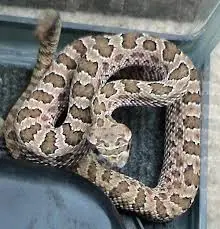
Lemongrass is widely believed to repel snakes due to its strong citrus-like aroma. Many homeowners plant lemongrass along fences, gardens, and pathways as a natural defense line.
Benefits:
-
Strong scent snakes dislike
-
Also repels mosquitoes and other insects
-
Easy to grow and maintain
You can also use lemongrass essential oil mixed with water as a perimeter spray.
3. Garlic
Garlic releases a powerful sulfur-like odor that snakes find extremely unpleasant. It overwhelms their Jacobson’s organ — the part of the snake’s mouth responsible for detecting scent particles.
How to use:
-
Crush several garlic cloves and mix with water to make a natural spray.
-
Spread minced garlic around garden beds, doorways, or under decks.
-
Combine garlic with rock salt for even stronger results.
This method does more than repel snakes — it also discourages insects and rodents.
4. Ammonia
Ammonia has a very sharp smell that snakes avoid. Many homeowners use it cautiously as a deterrent.
How to use safely:
-
Soak rags or cotton balls in ammonia.
-
Place them in sealed containers with small ventilation holes.
-
Set the containers near suspected snake pathways.
Avoid pouring ammonia directly on the ground, as it can harm plants and soil.
5. Onion
Similar to garlic, onions contain sulfur compounds that produce a pungent odor snakes hate.
How to use:
-
Slice onions and place them near entrances, outdoor sheds, and rock piles.
-
Replace them every 48–72 hours for best results.
Some people combine onion and garlic into a stronger snake-repellent spray.
6. Vinegar
While vinegar is commonly used for cleaning, it also acts as a mild snake deterrent — especially around water. Snakes dislike crossing vinegar because it irritates their scales.
How to use:
-
Pour undiluted white vinegar around the edges of ponds, pools, or fountains.
-
Reapply after rain.
This is particularly helpful for areas where water attracts frogs, which may attract snakes.
7. Peppermint Oil
Peppermint oil is a favorite for repelling many pests, including mice, insects — and snakes. The cooling, intense scent is overwhelming for them.
How to use:
-
Mix 10–15 drops of peppermint oil with water in a spray bottle.
-
Spray around doors, windows, patios, garden beds, or crawl spaces.
-
Place peppermint-soaked cotton balls in corners or hidden spaces.
Peppermint also leaves your home smelling fresh and clean.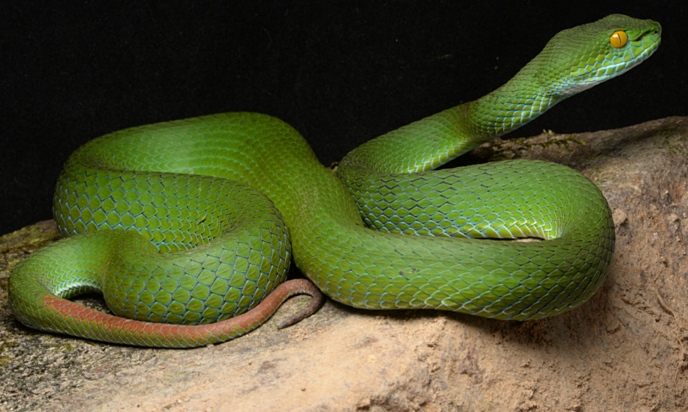
How to Use These Scents Effectively
Snakes enter properties for only three reasons:
-
Food (rodents, insects, frogs)
-
Shelter (dark, cool, hidden areas)
-
Moisture
Repellent scents work best when combined with smart prevention:
Declutter outdoor spaces
Snakes love hiding in:
-
wood piles
-
tall grass
-
unused containers
-
damp corners
-
piles of debris
Clear these areas to remove hiding spots.
Seal entry points
Inspect your home for cracks around:
-
doors
-
windows
-
foundations
-
vents
Snakes only need a tiny gap to enter.
Control rodent populations
If mice or rats are present, snakes will come looking for food. Use traps or natural repellents to manage rodents first.
Trim vegetation
Keep bushes, shrubs, and plants trimmed away from walls and walkways.
Safety Notes
Even though these scents repel snakes:
-
They do not guarantee full protection.
-
Do not handle snakes or try to chase them away.
-
If you suspect a venomous snake is nearby, call animal control.
-
Keep essential oils out of reach of pets and children.
Conclusion
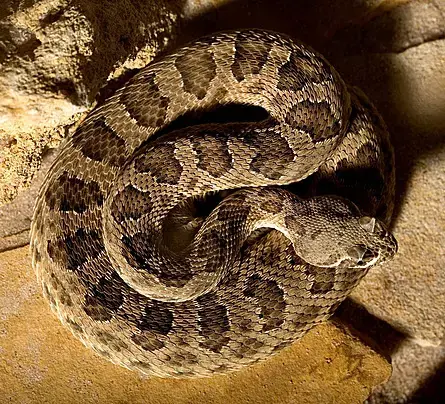
Snakes rely on smell to survive - which means strong, unfavorable scents can make your home a place they actively avoid. By using clove and cinnamon oil, lemongrass, garlic, ammonia, onions, vinegar, and peppermint oil, you can build a natural barrier that discourages snakes from coming near your living space.
Pairing these scents with clean outdoor habits and basic home maintenance will dramatically reduce the chances of unwanted reptile visitors.