The kidneys are two remarkable organs that work around the clock to keep the body functioning properly. Every day, they filter waste products from the blood, regulate fluid balance, help control blood pressure, maintain healthy electrolyte levels, and support the production of red blood cells.
Because the kidneys perform so many vital functions, even mild declines in kidney function can affect multiple systems throughout the body. Unfortunately, kidney disease is often called a "silent condition" because symptoms may develop gradually and go unnoticed for months or even years.
Recognizing potential warning signs early may help individuals seek medical evaluation sooner and potentially prevent further damage.
Here are 23 early signs of kidney problems that everyone should know about.
1. Persistent Fatigue
One of the most common early symptoms of kidney disease is ongoing fatigue.
When the kidneys are not functioning properly, waste products can accumulate in the bloodstream, contributing to feelings of exhaustion and reduced energy.
2. Difficulty Concentrating
Many people with declining kidney function report brain fog, poor concentration, and difficulty focusing on daily tasks.
Changes in oxygen delivery and toxin buildup may contribute to these symptoms.
3. Trouble Sleeping
Kidney disease may interfere with normal sleep patterns.
Some individuals experience insomnia, restless sleep, or frequent nighttime awakenings.
4. Puffy Eyes
Swelling around the eyes, especially in the morning, may indicate that protein is leaking into the urine.
This can be one of the earliest visible signs of kidney damage.
5. Swollen Feet and Ankles
Fluid retention often develops when the kidneys struggle to remove excess sodium and water.
This may cause swelling in:
-
Feet
-
Ankles
-
Lower legs
6. Frequent Urination
A sudden increase in urination frequency, especially during the night, may signal kidney dysfunction.
7. Reduced Urination
In some cases, kidney disease may cause a noticeable decrease in urine output.
Any significant change in urination habits should be discussed with a healthcare provider.
8. Foamy Urine
Persistent foam or excessive bubbles in urine may indicate protein leakage.
Proteinuria is often an important marker of kidney disease.
9. Blood in the Urine
Healthy kidneys normally prevent blood cells from entering the urine.
Visible blood or pink-colored urine requires prompt medical evaluation.
10. Dark-Colored Urine
Changes in urine color may reflect dehydration, infection, or kidney-related problems.
Persistent abnormalities deserve medical attention.
11. Muscle Cramps
Kidney dysfunction can disrupt electrolyte balance.
Low calcium or altered mineral levels may contribute to frequent muscle cramps.
12. Dry and Itchy Skin
The kidneys help regulate mineral balance.
As kidney function declines, skin may become:
-
Dry
-
Flaky
-
Itchy
13. High Blood Pressure
Kidneys and blood pressure are closely connected.
Poor kidney function can contribute to hypertension, while uncontrolled hypertension can further damage the kidneys.
14. Persistent Back Pain
Pain in the area near the kidneys may occur with certain kidney conditions.
This discomfort is often felt in the lower back or sides beneath the ribs.
15. Shortness of Breath
Fluid accumulation and anemia associated with kidney disease may lead to breathing difficulties.
Some individuals notice shortness of breath during routine activities.
16. Nausea
As waste products build up in the bloodstream, nausea may become more common.
Some people experience symptoms primarily in the morning.
17. Vomiting
Advanced toxin accumulation may occasionally lead to vomiting and digestive discomfort.
18. Loss of Appetite
Many people with kidney problems report reduced interest in food.
This symptom can contribute to unintentional weight loss.
19. Metallic Taste in the Mouth
Kidney disease may alter taste perception.
Foods may taste different, and some individuals develop a metallic taste.
20. Unexplained Weight Loss
Reduced appetite and metabolic changes can result in unintended weight loss.
21. Persistent Weakness
Muscle weakness may occur due to anemia, electrolyte imbalances, or reduced kidney function.
22. Cold Sensitivity
People with kidney-related anemia may feel unusually cold, even in comfortable environments.
23. General Swelling Throughout the Body
As kidney function worsens, fluid retention may become more widespread.
Swelling can affect:
-
Hands
-
Face
-
Legs
-
Abdomen
Why Kidney Disease Is Often Missed
Many early kidney symptoms resemble common health complaints.
Fatigue, swelling, poor sleep, and appetite changes can easily be attributed to:
-
Stress
-
Aging
-
Busy schedules
-
Other medical conditions
As a result, kidney disease may progress silently before being diagnosed.
Who Is Most at Risk?
Certain groups have a higher likelihood of developing kidney disease.
People With Diabetes
Diabetes remains one of the leading causes of chronic kidney disease worldwide.
Individuals With High Blood Pressure
Long-term hypertension can damage the blood vessels that supply the kidneys.
Older Adults
Kidney function naturally declines with age.
Smokers
Smoking negatively affects blood circulation and kidney health.
People With Family History
Genetics can increase susceptibility to certain kidney disorders.
How Kidney Problems Are Diagnosed
Doctors may evaluate kidney health using:
Blood Tests
Common measurements include:
-
Creatinine
-
Blood urea nitrogen (BUN)
-
Estimated glomerular filtration rate (eGFR)
Urine Tests
These tests can detect:
-
Protein
-
Blood
-
Infection
-
Other abnormalities
Imaging Studies
Ultrasound and other imaging methods help identify structural problems.
Blood Pressure Assessment
Monitoring blood pressure is an important part of kidney evaluation.
Ways to Support Kidney Health
Several lifestyle habits may help protect kidney function.
Stay Hydrated
Adequate water intake supports normal kidney filtration.
Manage Blood Pressure
Keeping blood pressure within a healthy range helps reduce kidney stress.
Control Blood Sugar
Good diabetes management can significantly lower kidney disease risk.
Maintain a Healthy Weight
Excess body weight increases strain on multiple organs, including the kidneys.
Exercise Regularly
Physical activity supports cardiovascular and metabolic health.
Avoid Smoking
Smoking contributes to blood vessel damage and increases kidney disease risk.
Limit Excessive Salt Intake
Reducing sodium may help control blood pressure and fluid retention.
When to Seek Medical Attention
While many of these symptoms can result from conditions unrelated to the kidneys, it is important to seek professional evaluation if symptoms:
-
Persist for weeks
-
Worsen over time
-
Occur together
-
Interfere with daily life
Early diagnosis often provides more opportunities for treatment and prevention of further kidney damage.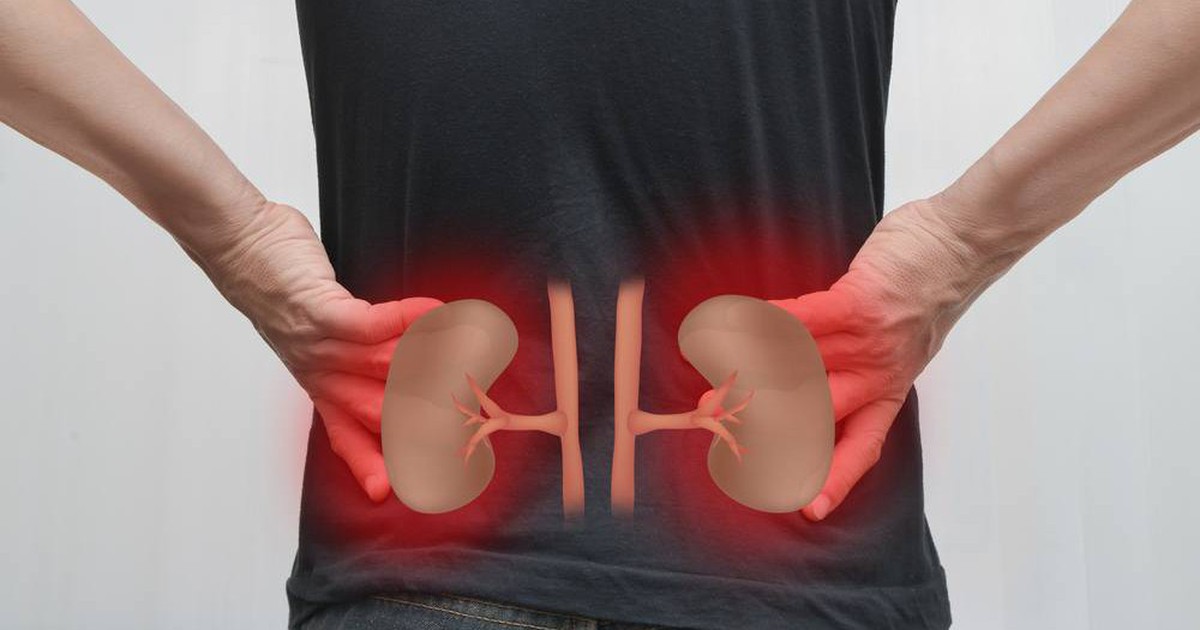
Final Thoughts
The kidneys quietly perform essential tasks every minute of every day, yet kidney disease often develops without dramatic warning signs. Paying attention to subtle changes such as swelling, fatigue, urinary abnormalities, poor appetite, muscle cramps, and blood pressure changes may help identify potential problems earlier.
These 23 symptoms do not automatically indicate kidney disease, but they should never be ignored when they persist or occur alongside other concerning changes. Maintaining a healthy lifestyle, managing chronic conditions, and obtaining regular medical checkups remain some of the most effective ways to protect kidney health and overall well-being.