The kidneys are among the most important organs in the human body, yet many people rarely think about them until a problem develops. These bean-shaped organs work around the clock to filter waste products, remove excess fluids, balance electrolytes, regulate blood pressure, and support overall health.
One of the challenges with kidney disease is that it often develops silently. In its early stages, there may be few or no noticeable symptoms. As kidney function declines, however, the body may begin sending warning signals that should not be ignored.
Recognizing these symptoms does not mean a person definitely has kidney disease. Many signs can have multiple causes. However, persistent or worsening symptoms deserve medical attention, particularly for individuals with risk factors such as diabetes, high blood pressure, or a family history of kidney disease.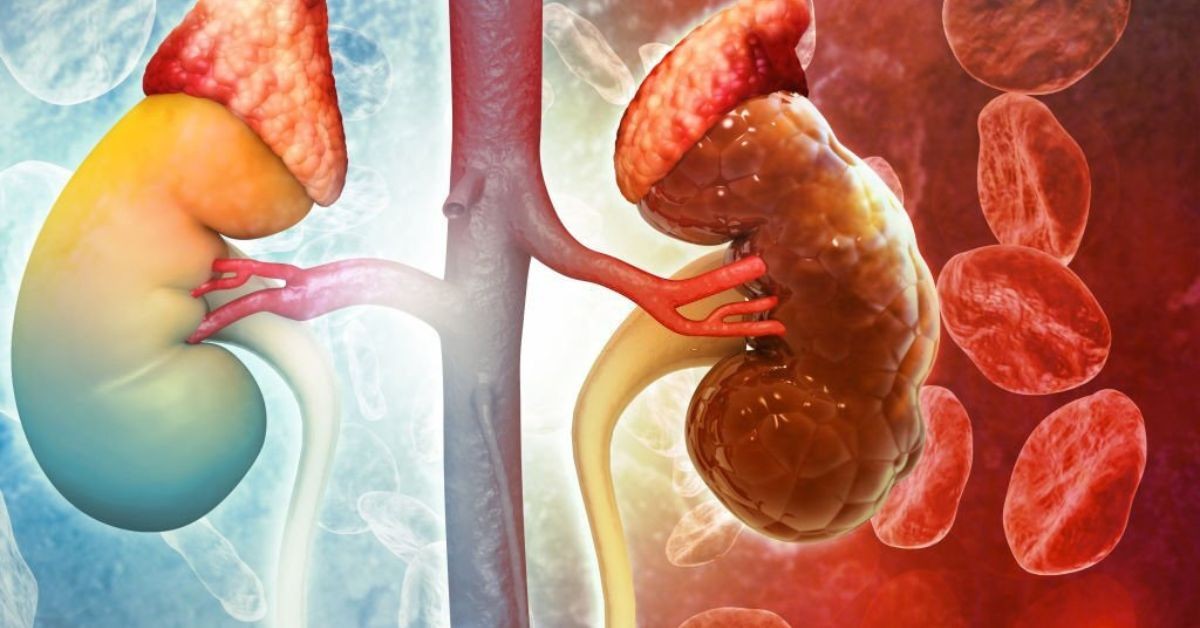
Why Kidney Health Matters
Healthy kidneys perform several critical functions.
The Kidneys Help
-
Filter waste from the blood
-
Remove excess fluid
-
Balance minerals and electrolytes
-
Regulate blood pressure
-
Support red blood cell production
-
Maintain healthy bone function
When kidney function becomes impaired, these processes may be disrupted, leading to symptoms throughout the body.
What Is Advanced Kidney Disease?
Chronic kidney disease (CKD) occurs when the kidneys gradually lose their ability to function properly.
In Advanced Stages
The kidneys may struggle to:
-
Remove toxins
-
Balance fluids
-
Maintain electrolyte levels
As waste products accumulate, symptoms often become more noticeable.
Warning Sign #1: Persistent Fatigue and Weakness
One of the most common symptoms of advanced kidney disease is ongoing fatigue.
Why It Happens
Healthy kidneys help produce a hormone that stimulates red blood cell production.
When kidney function declines, anemia may develop.
Possible Symptoms
-
Constant tiredness
-
Low energy
-
Difficulty concentrating
-
Reduced physical stamina
Many people initially attribute these symptoms to stress or aging.
Warning Sign #2: Swelling in the Feet, Ankles, or Legs
The kidneys play an important role in fluid regulation.
When Kidney Function Declines
Excess fluid may accumulate in body tissues.
Common Signs
-
Puffy feet
-
Swollen ankles
-
Tight shoes
-
Deep sock marks
Swelling is often more noticeable later in the day.
Warning Sign #3: Changes in Urination
Changes in urinary habits may provide important clues.
Possible Changes Include
-
Urinating more frequently
-
Urinating less frequently
-
Waking up often at night to urinate
-
Foamy urine
-
Dark-colored urine
Any significant change in urination should be discussed with a healthcare provider.
Warning Sign #4: Persistent Itching
Many people are surprised to learn that kidney disease can affect the skin.
Why It Happens
As kidney function declines, waste products may accumulate in the bloodstream.
Possible Symptoms
-
Persistent itching
-
Widespread skin discomfort
-
Symptoms that worsen at night
Although itching has many causes, chronic unexplained itching may warrant evaluation.
Warning Sign #5: Loss of Appetite
Advanced kidney disease may affect digestion and appetite.
Symptoms May Include
-
Reduced interest in food
-
Feeling full quickly
-
Unintentional weight loss
Poor appetite can contribute to nutritional deficiencies over time.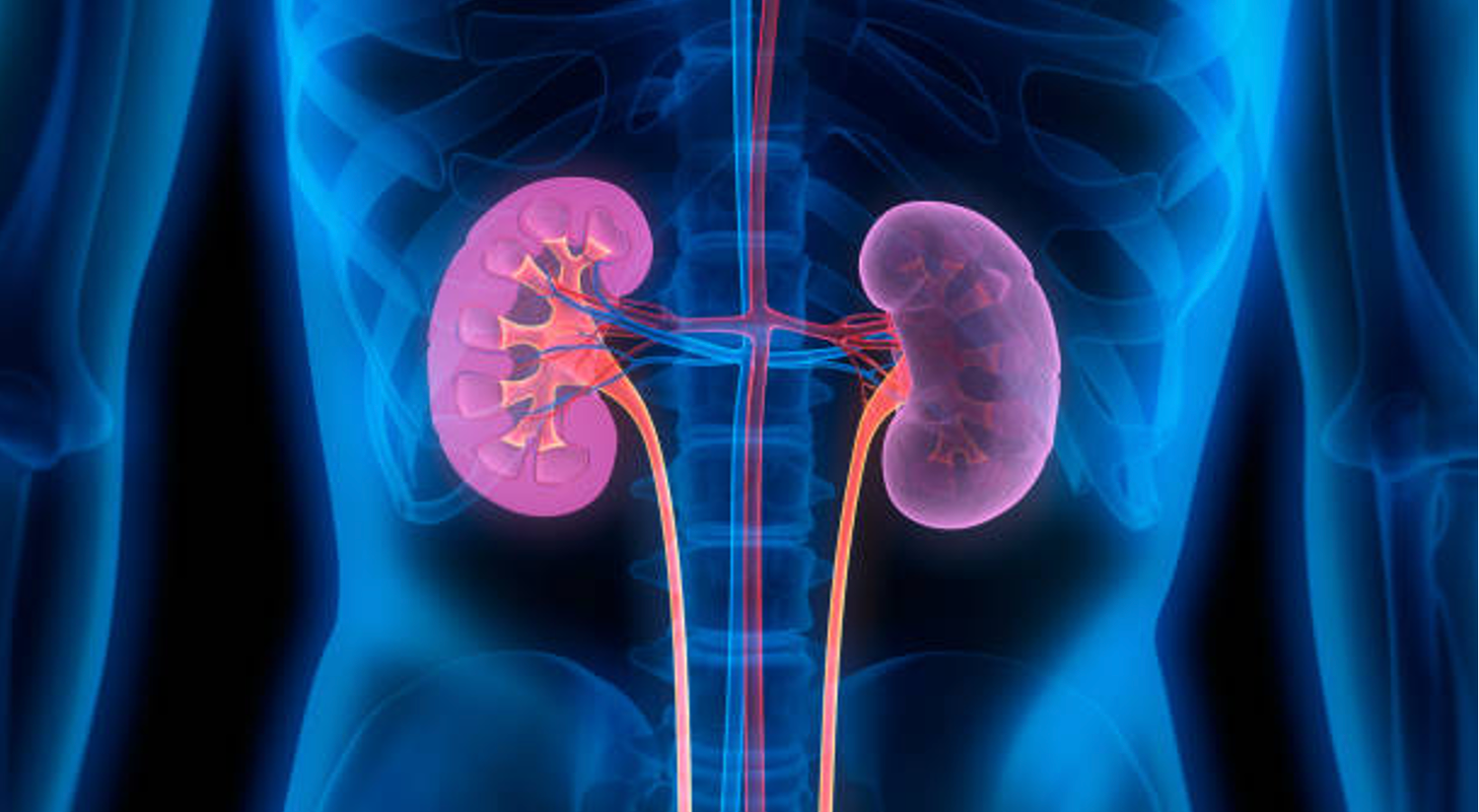
Warning Sign #6: Nausea and Vomiting
As waste products build up in the body, gastrointestinal symptoms may develop.
Possible Symptoms
-
Nausea
-
Vomiting
-
Stomach discomfort
-
Metallic taste in the mouth
Persistent digestive symptoms should not be ignored.
Warning Sign #7: Muscle Cramps
The kidneys help regulate important minerals.
Electrolyte Imbalances
Changes in levels of:
-
Potassium
-
Calcium
-
Sodium
may contribute to muscle symptoms.
Common Complaints
-
Leg cramps
-
Muscle twitching
-
Nighttime cramping
These symptoms can interfere with sleep and daily activities.
Warning Sign #8: Difficulty Concentrating
Kidney disease may affect more than physical health.
Possible Cognitive Symptoms
-
Brain fog
-
Poor concentration
-
Memory difficulties
-
Reduced mental clarity
These symptoms often develop gradually and may be overlooked.
Who Is Most at Risk?
Several factors increase the likelihood of kidney disease.
Major Risk Factors Include
-
Diabetes
-
High blood pressure
-
Obesity
-
Smoking
-
Heart disease
-
Family history of kidney disease
People with these risk factors should consider regular health screenings.
Why Kidney Disease Often Goes Undetected
The kidneys have remarkable reserve capacity.
What This Means
A person may lose significant kidney function before symptoms become obvious.
As a result, routine testing plays an important role in early detection.
Other Symptoms That May Occur
Some individuals may also experience:
Additional Signs
-
Shortness of breath
-
High blood pressure
-
Sleep disturbances
-
Restless legs
-
Puffiness around the eyes
These symptoms are not unique to kidney disease but may occur alongside other warning signs.
How Doctors Evaluate Kidney Health
Several tests can assess kidney function.
Blood Tests
Common measurements include:
-
Creatinine
-
Estimated glomerular filtration rate (eGFR)
Urine Tests
Can detect:
-
Protein
-
Blood
-
Signs of kidney damage
Imaging Studies
Examples include:
-
Ultrasound
-
CT scans
These tools help identify underlying causes.
Can Kidney Disease Be Prevented?
While not all cases can be prevented, many risk factors are manageable.
Healthy Habits Include
-
Maintaining healthy blood pressure
-
Managing blood sugar
-
Exercising regularly
-
Staying hydrated
-
Avoiding smoking
-
Following a balanced diet
These habits support overall kidney health.
The Importance of Blood Pressure Control
High blood pressure is one of the leading causes of kidney damage.
Why?
Elevated pressure places stress on delicate blood vessels within the kidneys.
Helpful Strategies
-
Reduce sodium intake
-
Exercise regularly
-
Follow prescribed treatment plans
The Role of Diabetes Management
Diabetes is another major risk factor.
Why It Matters
High blood sugar can damage kidney filtration systems over time.
Good glucose control helps reduce long-term risk.
When Should You Seek Medical Attention?
Consult a healthcare professional if you experience:
-
Persistent swelling
-
Significant changes in urination
-
Ongoing fatigue
-
Unexplained itching
-
Appetite loss
Prompt evaluation can help identify the cause.
Common Myths About Kidney Disease
Myth 1: Kidney Disease Always Causes Pain
Many people experience no pain at all.
Myth 2: Normal Urination Means Healthy Kidneys
Kidney disease may be present even when urination appears normal.
Myth 3: Only Older Adults Are Affected
Kidney disease can occur at various ages.
Myth 4: Symptoms Appear Early
Many people remain symptom-free until kidney function is significantly reduced.
Why Early Detection Is So Important
Kidney disease is often easier to manage when identified early.
Regular medical checkups may help detect:
-
Elevated blood pressure
-
Diabetes
-
Early kidney damage
Timely intervention can often slow disease progression.
Final Thoughts
Advanced kidney disease can affect many parts of the body and may produce symptoms such as fatigue, swelling, changes in urination, persistent itching, appetite loss, nausea, muscle cramps, and difficulty concentrating. While these symptoms can have many causes, they should not be ignored if they persist or worsen over time.
The kidneys perform vital functions every day, often without drawing attention to themselves. Paying attention to unusual changes in your body, attending regular health screenings, and managing risk factors such as diabetes and high blood pressure can help protect kidney health and support overall well-being for years to come.